
Banana spiders are one of the most talked-about spiders in the Southeast — mostly because of their size, bright coloring, and impressive webs. While they often look intimidating, not all “banana spiders” are the same, and most pose little threat to people.
Understanding what a banana spider is, where it lives, and how it behaves can help you feel more confident if you spot one around your property.
What Is a Banana Spider?
“Banana spider” isn’t a scientific term. It’s a nickname used to describe several different spider species that share similar traits, such as large bodies, long legs, and the tendency to appear in gardens, wooded areas, and around homes.
The name comes from early sightings of spiders hiding in banana shipments, though many species referred to as banana spiders are native to the U.S.
What Does a Banana Spider Look Like?
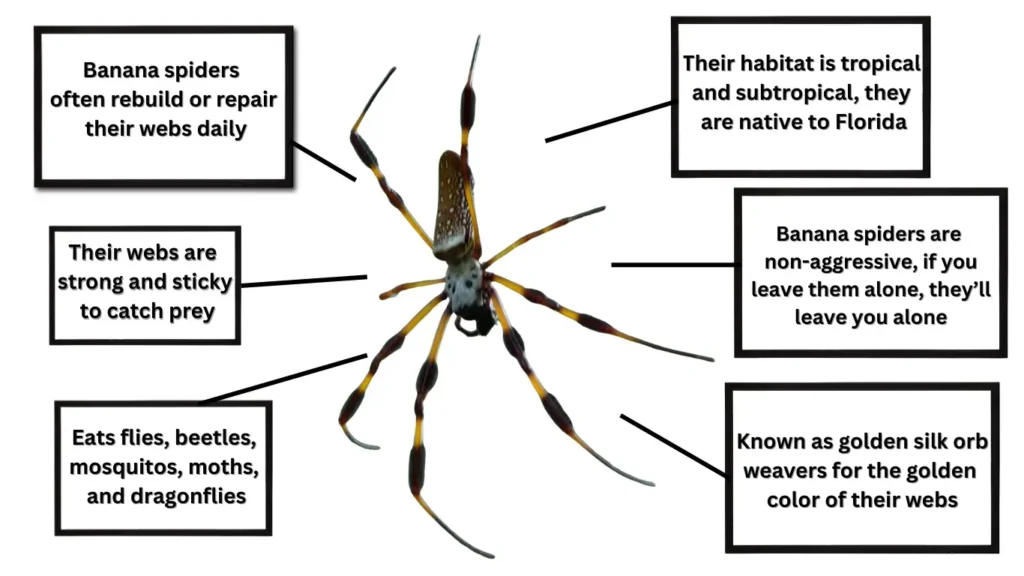
Banana spiders are typically:
- Large, with long, thin legs
- Yellow, orange, brown, or black in color
- Known for spinning large, strong webs that can stretch several feet wide
Some species also have distinctive markings or bright coloration that makes them easy to spot outdoors.
Where Do Banana Spiders Live?
Most banana spiders prefer warm, humid environments, which is why they’re common in Florida and other southern states.
They are often found:
- In gardens and shrubs
- Near porches, fences, and outdoor lighting
- Along wooded edges or tree lines
- In tall grass or landscaping
Indoors sightings are rare, but they may wander closer to homes when prey is plentiful.
What Do Banana Spiders Eat?
Banana spiders are beneficial predators. Their diet includes:
- Mosquitoes
- Flies
- Moths
- Other flying insects
Their large webs help naturally reduce insect populations around your home.
Common Types of Spiders Called “Banana Spiders”
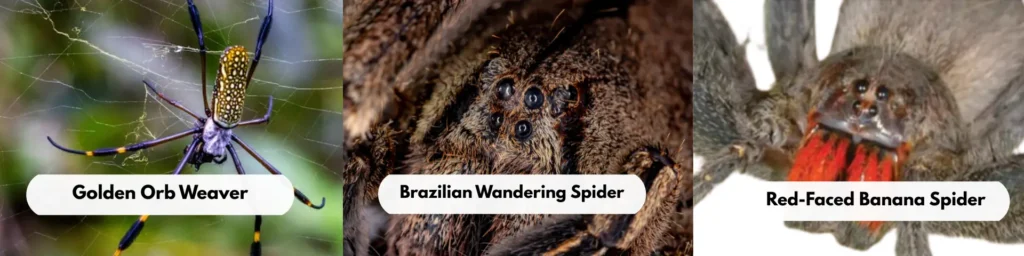
Several different species fall under the banana spider nickname. Here are the most common:
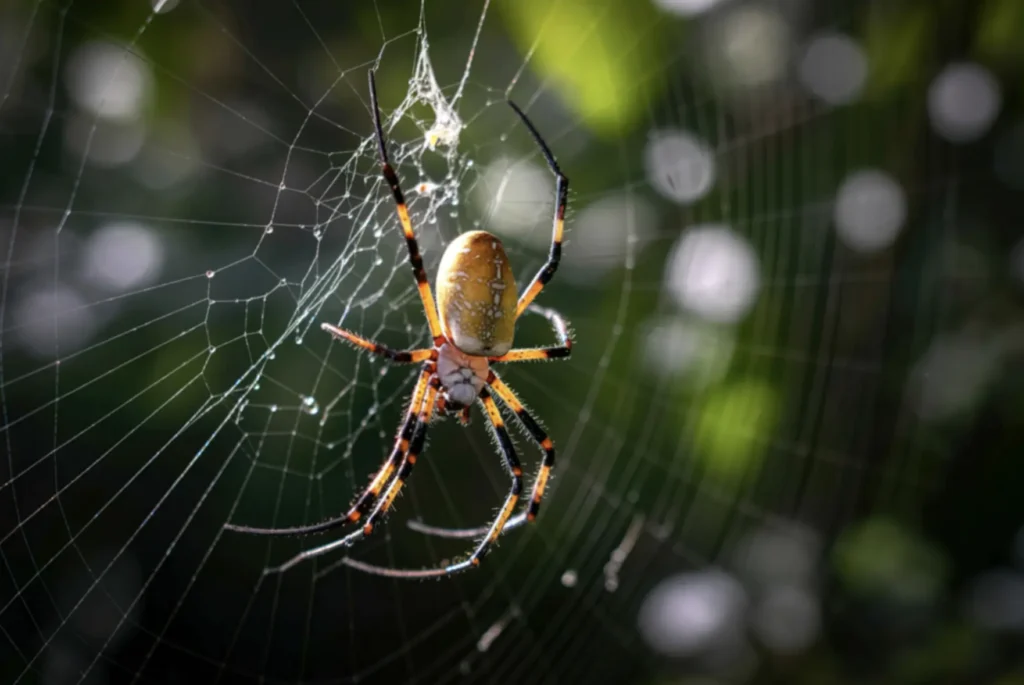
Golden Silk Orb-Weaver
- Famous for its golden-colored web
- Common in the southeastern U.S.
- Large but generally non-aggressive
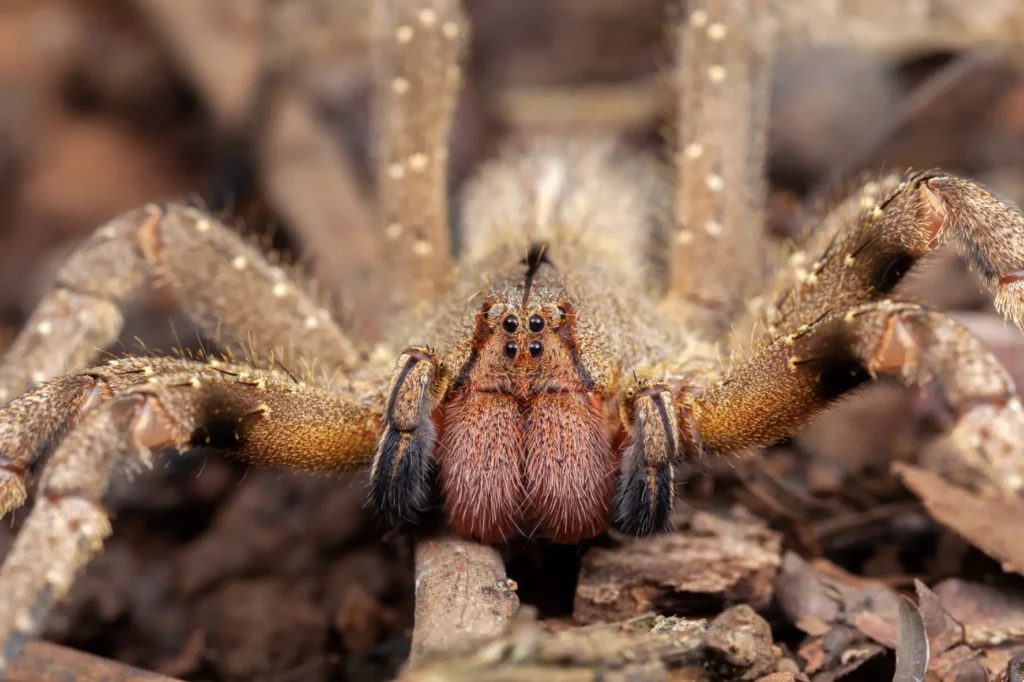
Brazilian Wandering Spider
- Highly venomous
- Native to Central and South America
- Rare in the U.S. but often mentioned due to its reputation
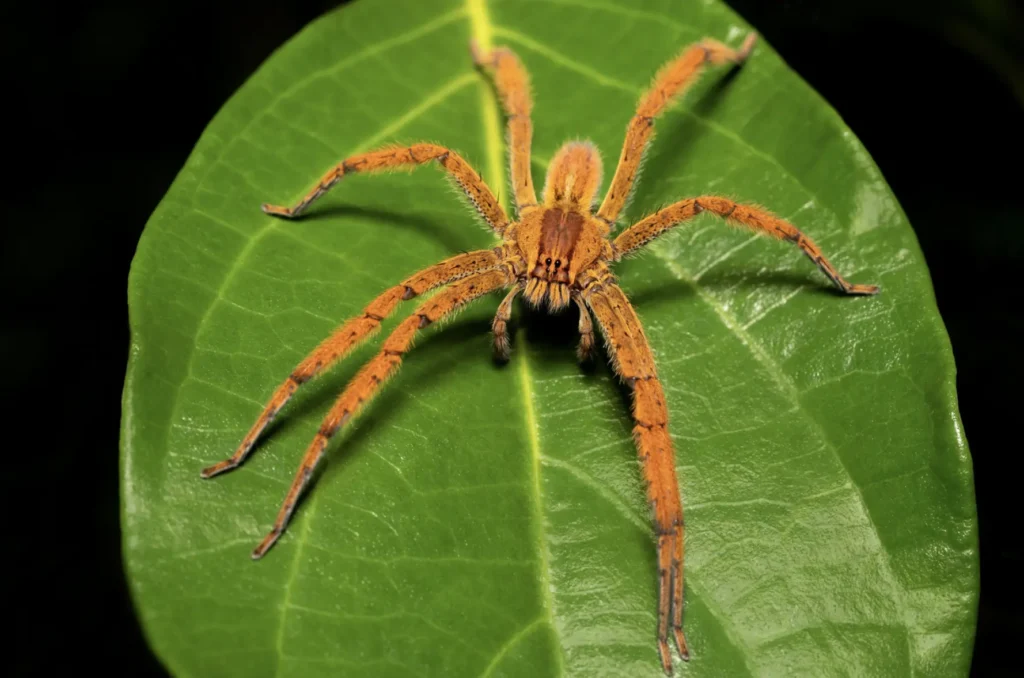
Red-Faced Banana Spider (Cupiennius)
- Large and fast-moving
- Typically found in tropical regions
- Often mistaken for more dangerous species
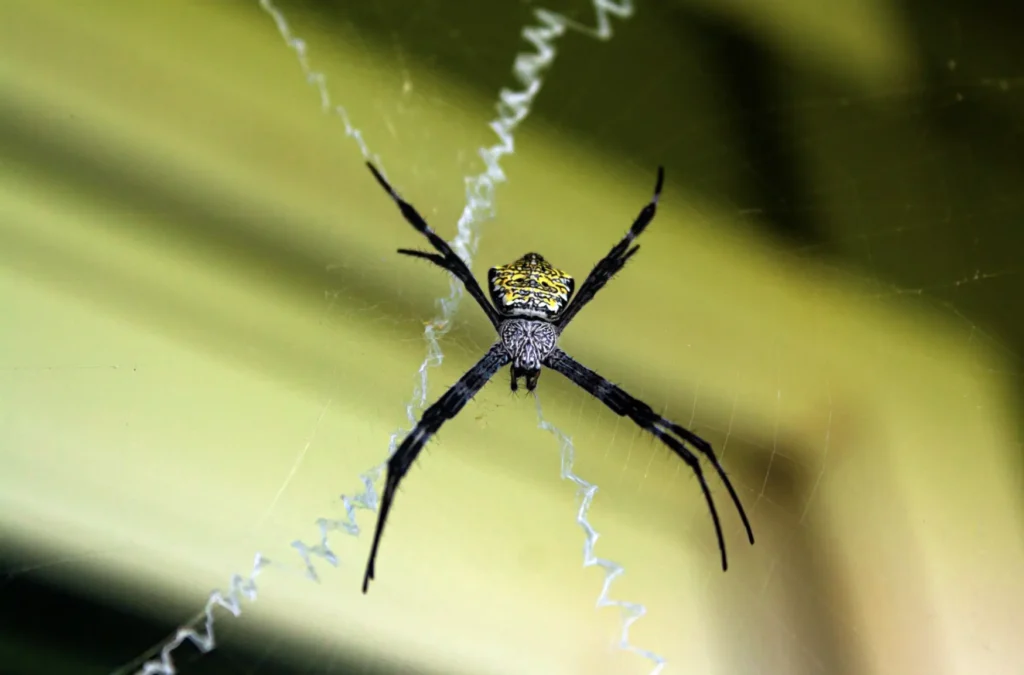
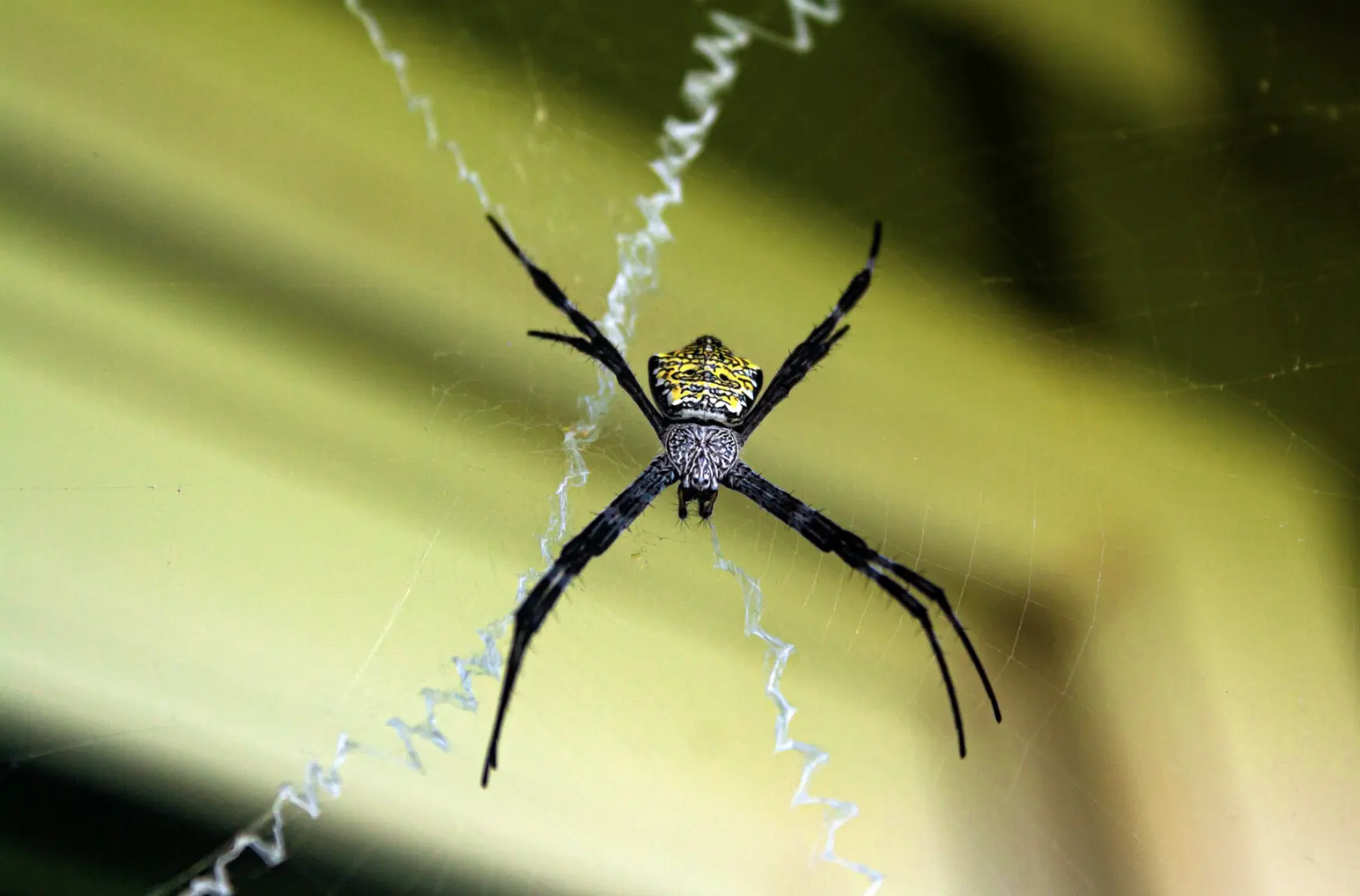
Hawaiian Garden Spider
- Brightly colored orb-weaver
- Known for decorative web patterns
- Non-aggressive toward humans
Banana Spider Facts
- Their webs are among the strongest spider webs in the world
- Most banana spiders are shy and avoid human contact
- The majority of species are not dangerous to humans
Are Banana Spiders Dangerous?
In most cases, no. While banana spiders can bite if threatened, bites are uncommon and usually mild.
Is a Banana Spider Bite Venomous?
Yes, like most spiders, banana spiders have venom — but for most species, it’s not medically significant to humans.
Signs and Symptoms of a Banana Spider Bite
General symptoms may include:
- Mild pain or redness
- Swelling around the bite area
- Itching or irritation
Golden Silk Orb-Weaver Bite
- Usually mild
- Comparable to a bee sting
Hawaiian Garden Spider Bite
- Rare
- Minimal symptoms
Brazilian Wandering Spider Bite
- Medical emergency
- Severe pain and systemic symptoms
(Extremely unlikely in the U.S.)
Treatment for a Banana Spider Bite
If bitten:
- Wash the area with soap and water
- Apply a cold compress
- Use over-the-counter pain relief if needed
- Seek medical care if symptoms worsen or if the spider is suspected to be dangerous
Why Banana Spiders Are Important
Despite their appearance, banana spiders are beneficial:
- They reduce insect populations
- They are part of a balanced ecosystem
- They help control pests naturally
However, large webs around entrances or high-traffic areas can become a nuisance.
What to Do If You See a Banana Spider
- Avoid direct contact
- Do not disturb the web if possible
- Keep outdoor lighting reduced to limit insect attraction
- Trim vegetation near the home
If spiders are appearing frequently or creating safety concerns, professional help may be needed.
When to Call a Pest Control Professional at Infinite
When you’re ready, we are here for you! While banana spiders don’t usually require treatment on their own, recurring spider activity may indicate a larger pest issue attracting them.
At Infinite Pest Solutions, we can:
- Identify the spider species
- Provide eco and pet friendly treatment
- Reduce insect food sources
- Help prevent webs around entryways and living areas
Final Thoughts
Banana spiders may look intimidating, but most are harmless and even helpful to ridding of other insects. Knowing the difference between species — and understanding when spider activity becomes a problem — can help homeowners protect their space without unnecessary worry.
If spider activity around your home feels out of control, spider control is for you!
Our Southwest, FL Service Locations:
- Fort Myers
- Cape Coral
- Naples
- Babcock Ranch
- Lehigh Acres
- Ave Maria
- Estero
- Bonita Springs
- Marco Island
Our Orlando Service Locations:
- Orlando
- Clermont
- Apopka
- Windermere
- St. Cloud
- Winter Garden
- Lake Buena Vista
- Kissimmee
- Sanford
- Davenport
- Oakland
- Minneola
- Lake Nona
- Ocoee
- Longwood
- Lake Mary
- Oviedo
- Winter Park
- Altamonte Springs