
Pest Control 101: What to Expect, What’s Covered, How to Prepare

Did you know that nearly 1 in 5 homes in the United States experience some form of pest infestation annually? Pests not only damage property but also pose health risks to your family.  If you’ve never had professional pest control before, it’s normal to have questions. Homeowners often ask what pest control actually includes, what happens during the first visit, and whether they need to do anything ahead of time.

The good news is that pest control doesn’t have to be complicated. Understanding how it works can help you get better results and feel more confident about the process.

Here’s a breakdown of what you should know before your service.

How Do I Prepare My House for Pest Control?

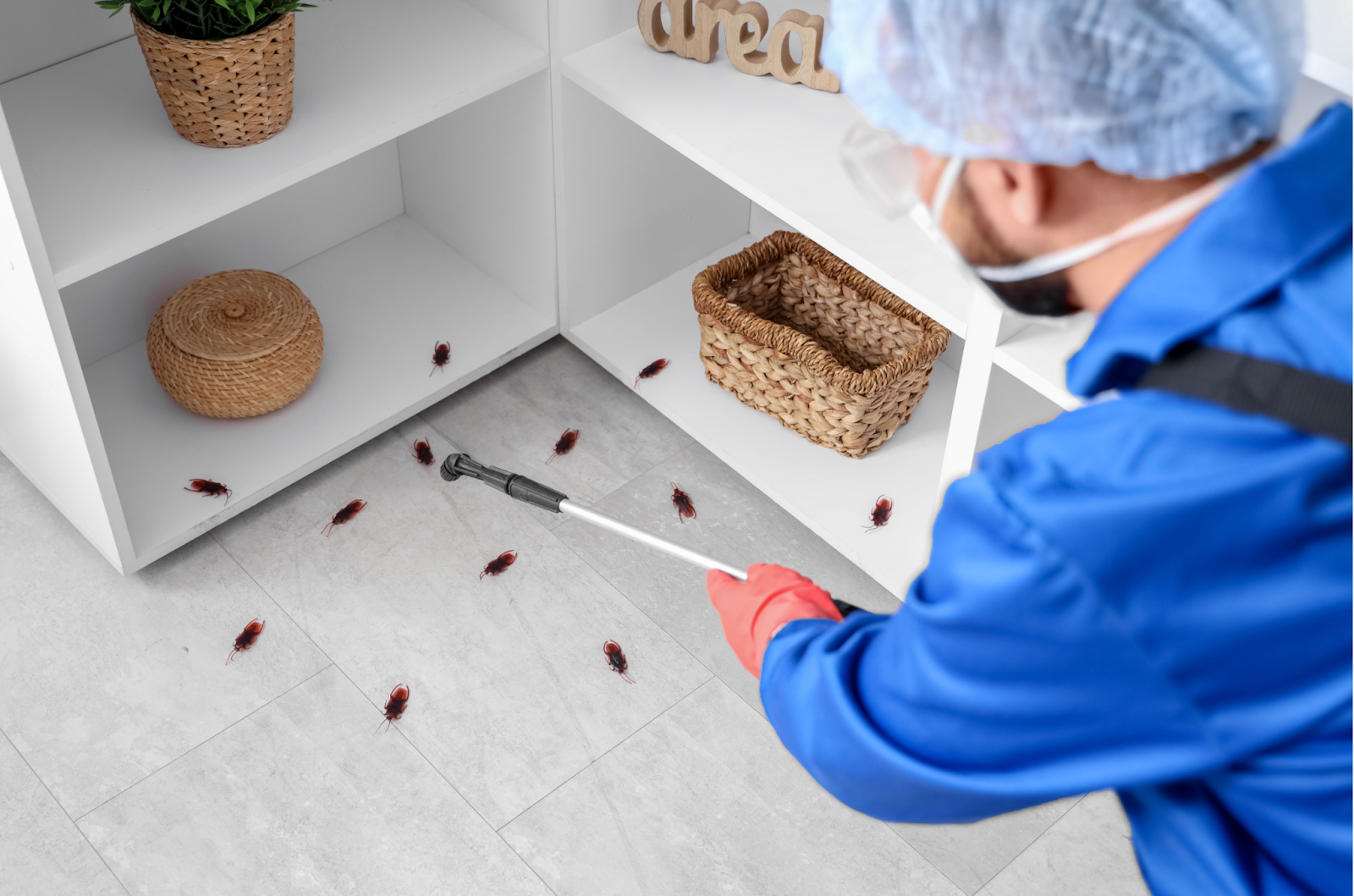
In most cases, preparation is minimal. Pest control works best when technicians can easily access the areas pests are most active. For specific pests like German cockroaches, cleanliness is essential for successful elimination. Ensure that pantry areas are free of food debris, spills, and clutter, as this helps treatments work more effectively. You can learn more about what homeowners can do here.

While deep cleaning your entire home isn’t needed prior to a service, a quick tidy-up makes it easier for treatments to reach the right areas and helps ensure nothing blocks access to key entry points.

Before your appointment, it helps to:

  • Clear clutter away from baseboards to allow technicians full access for treatment
  • Secure pets and let the technician know if you have any concerns
  • Take note of where you’ve seen pest activity so you can point it out
  • Take photos of pests you have concerns about so a technician can better identify 
  • Ensure counters are clear of crumbs and debris in the event bait is needed

What Are Common Pest Control Services?

Typical pest control services address a range of common pests. Regular maintenance visits include inspections to catch early signs of infestation and preventive treatments to keep pests at bay year-round. Some of the most common services Infinite Pest Solutions include are:


What Does Normal Pest Control Cover?

General pest control typically covers the pests homeowners encounter most often. This usually includes:

  • Ghost ants 
  • Fire ants 
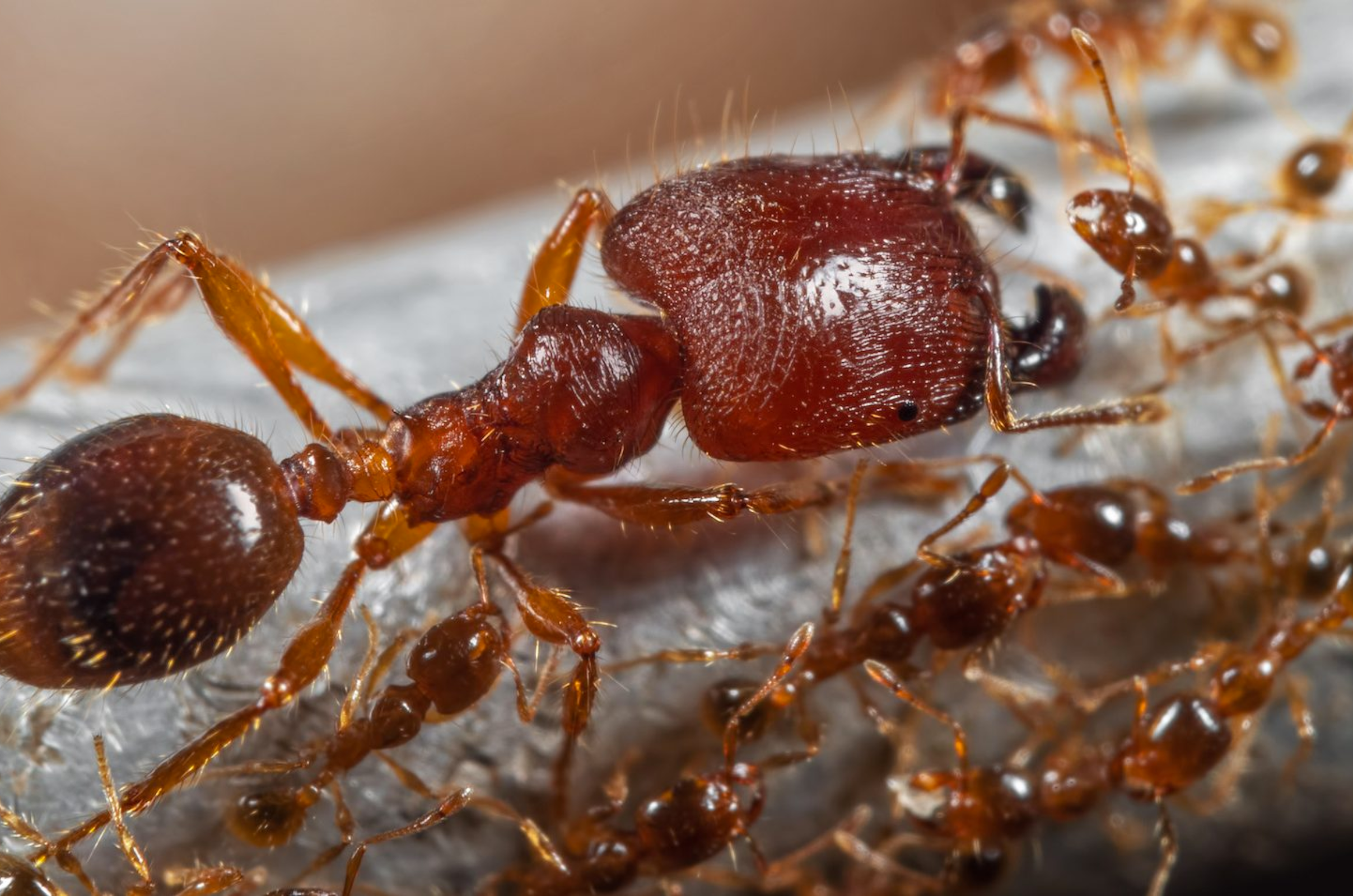
  • Big headed ants 
  • Carpenter ants 
  • White footed ants 
  • Odorous ants 
  • Argentine ants 
  • Palmetto Cockroaches 
  • Wasps/Hornets 
  • Centipedes 
  • Millipedes  
  • Silver fish 
  • Spiders 
  • Earwigs 
  • Crickets  
  • Sow bugs 

These services focus on treating entry points, nesting areas, exterior foundation, and high-traffic pest zones around the home such as soffits. The goal is to rid of what exists around the home and keep a protective barrier around the exterior of the home to prevent any new pests.


What Does Pest Control Do on a First Visit?

The initial visit is one of the most important parts of pest control. This is when the technician will perform a detailed inspection of the interior and exterior to assess pest activity and identify entry points. Following this, the technician will present a tailored treatment plan addressing your home’s specific needs. 

The initial treatment involves barrier applications outside, an interior application, crack and crevice treatments, and removal of wasps/hornets nests or webs. Ongoing maintenance and follow-up visits help to ensure pest-free results especially in warm and humid climates where pests stay active year-round.


Why Ongoing Pest Control Matters

Many pests don’t disappear after a single treatment. Ant colonies, spider populations, and other infestations often rebuild especially if conditions remain favorable.

Routine pest control helps:

  • Keep pests from returning
  • Prevent new activity 
  • Maintain a protective barrier around your home
  • Eliminate the source of reproduction

Preparing for pest control doesn’t have to be stressful, and knowing what to expect makes the process smoother from the start. From understanding what’s covered to knowing what happens on the first visit, a little information goes a long way.

At Infinite Pest Solutions, we know that professional pest control is about more than just removing pests, it’s about protecting your home, preventing future issues, and giving you peace of mind. Get a free quote today!

Our Southwest, FL Service Locations:

10 Facts About Fleas

What is a Flea?

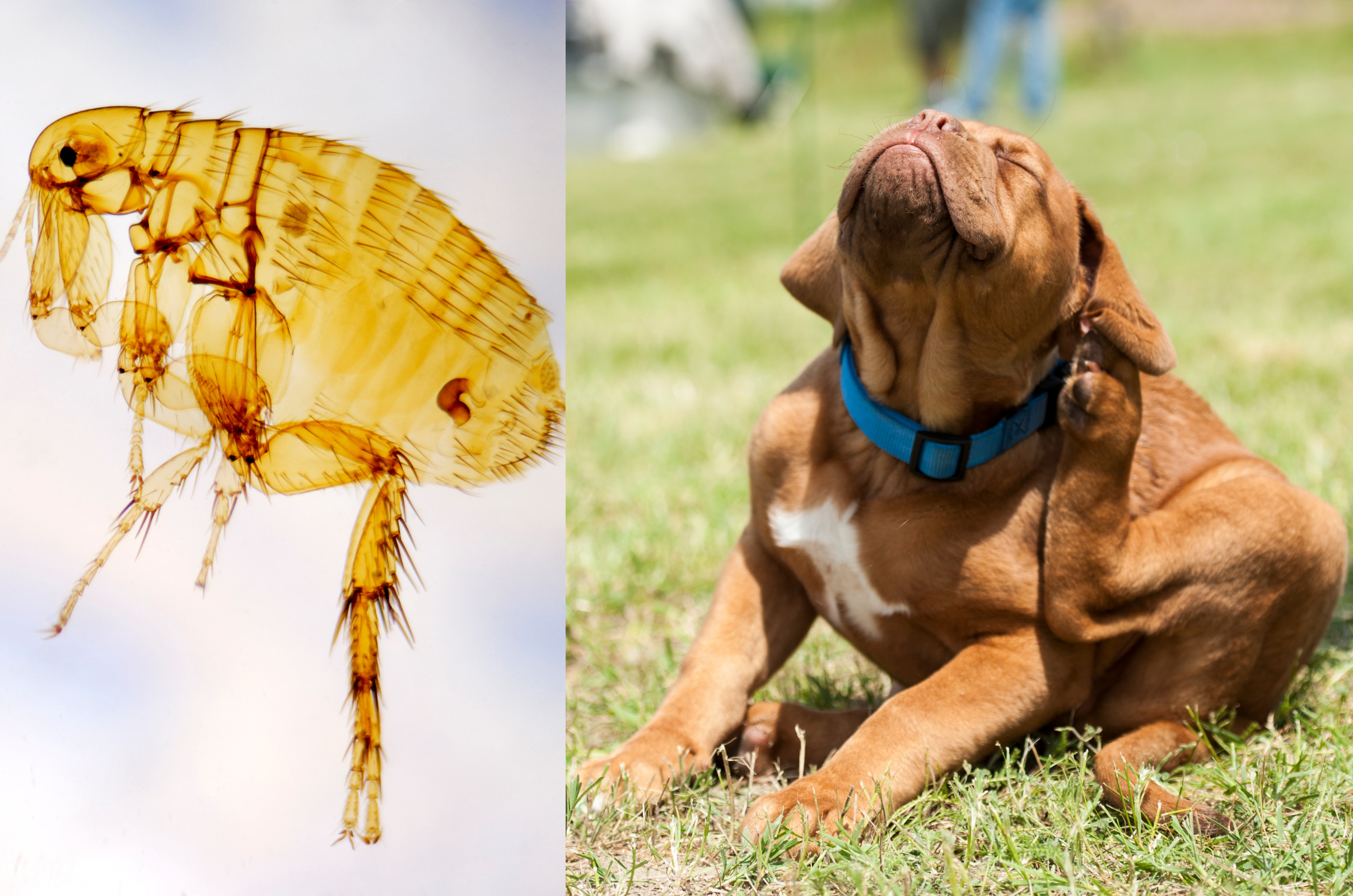
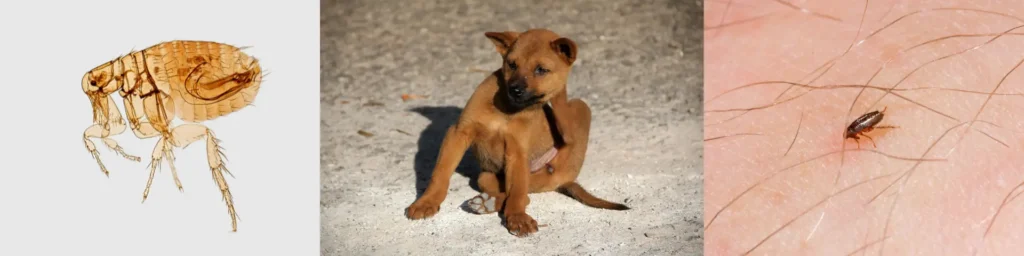
Fleas are tiny parasites that feed on the blood of warm-blooded animals. While many assume that fleas are only a problem that the family pet has to deal with, they can also bite humans and can transmit serious diseases, like the bubonic plague. You may have heard of all sorts of home remedies to get rid of fleas, such as applying salt or shampooing affected areas, but how effective are they really? In this blog we are putting myths to rest one fact at a time, based on some of the most common questions asked about flea control.

fleas, dogs and fleas

Question #1: “Does Table Salt on Carpets Kill Fleas?”

While salt may remove the moisture from some flea eggs or larvae on the surface level, it’s not an effective solution for an infestation. It’s not an effective method because it doesn’t kill adult fleas, which are usually the ones that bite. It also won’t reach deep into the carpet fibers or kill any of the fleas that are hiding in furniture, pet bedding, or baseboards.

Question #2: “Does Heat Kill Fleas?”

Yes, heat is effective at killing fleas and their eggs when you wash affected bedding, clothing, and pet items in hot water. However, heat alone often cannot reach all of the hidden areas where fleas like to live, such as deep in carpets, cracks in the floor, and other hard to reach areas.

Question #3: “Can Fleas Travel From House to House?”

Yes! Fleas, including their eggs and larvae, are known to hitch rides on pets, people, clothing, or furniture to move from house to house. The most common way they spread is when your dog or cat interacts with another infested pet and brings fleas home. Even stray or wild animals around your home can carry fleas that migrate indoors. 

Question #4: “Can You Suffocate Fleas in a Plastic Bag?”

It is recommended to seal any affected bedding in a plastic bag to limit flea activity. However, it is important to know that this should not be your only method of control. A full treatment is still necessary, especially for the pet, as well as around any rugs, pet beds, and outdoor pet areas to fully eliminate fleas and prevent re-infestation.

Question #5: “Does Carpet Cleaning Get Rid of Fleas?”

Carpet cleaning and regular vacuuming are especially important after a flea treatment. The vibrations help to disturb the flea eggs and pupae, which causes them to hatch so that they can be eliminated more effectively. Be sure to vacuum thoroughly, including along baseboards, under furniture, and in any corners to maximize the effectiveness of your treatment.

Question #6: “Are Fleas Common in Florida?”

Fleas thrive in states with a warm and humid climate, which makes Florida one of the states most affected by these pests. Because of the year-round weather, homeowners need to stay vigilant and take precautions against fleas throughout the entire year.

Question #7: “Can Fleas Live on Hardwood Floors?”

Absolutely. Fleas can live on hardwood floors, primarily in cracks, under baseboards, on the edge of furniture, or in rugs. While hardwood floors might be less ideal in comparison to carpeting, it does not mean your home is safe from fleas.

Question #8: How Far Can a Flea Travel?”

While fleas do not fly, they are excellent jumpers. A flea can jump up to 8 inches high and 13 inches wide, which is over 100 times its body length! This allows them to easily move between pets, bedding, and furniture in search of their next meal. They don’t typically jump too far away from their nesting area, as they don’t usually travel long distances without a host.

Question #9: Will Raid Ant & Roach Killer Kill Fleas?

It is certainly not recommended. Raid Ant & Roach Spray contains insecticides that can kill fleas on contact, but these over the counter sprays are not designed for flea control. It will not eliminate an infestation. These products do not leave behind any residual protection, meaning that any newly hatched fleas will survive and reproduce. Raid products also aren’t safe to use near pets or their bedding so it is a major safety hazard.

Question #10: Can Mice Carry Fleas?

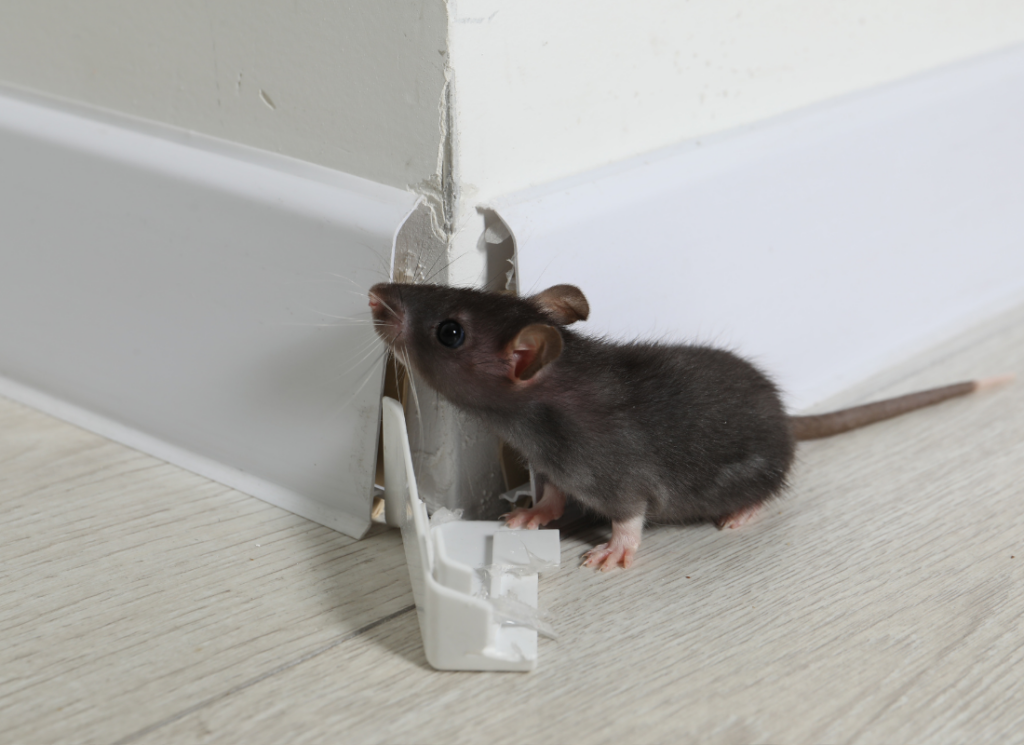
Yes! Mice, rats, and other rodents are common hosts for fleas. Fleas that live on rodents can quickly move into homes and start feeding on pets or people even once the rodent host is gone. A thorough treatment plan will address both the rodents and any fleas they may have brought along, preventing a larger infestation from taking place.

Don’t let fleas take over your home or put your family and pets at risk. There are some home remedies that may temporarily help, but the most effective way to eliminate fleas and prevent future infestations is with professional treatment. At Infinite Pest Solutions, our expert team provides thorough, safe, and reliable flea control solutions that target all stages of the flea life cycle. Give us a call today!

Our Southwest, FL Service Locations:

Types of Pests Found in Homes

If you live in Florida, you are well aware of the year round pests that can make our outdoor living space feel like a war zone against bugs. But the last place you want to find a bug is inside your home. There are many different types of pests that can be found in a home, but are you able to identify them? The importance of identifying what type of pest could be in your home can help you eliminate the possibility of there being a larger issue at hand, an infestation. That is why we are here to help give you a quick guide to the unwanted guests you should have concerns about being in your home versus bugs that may have come inside by mistake.

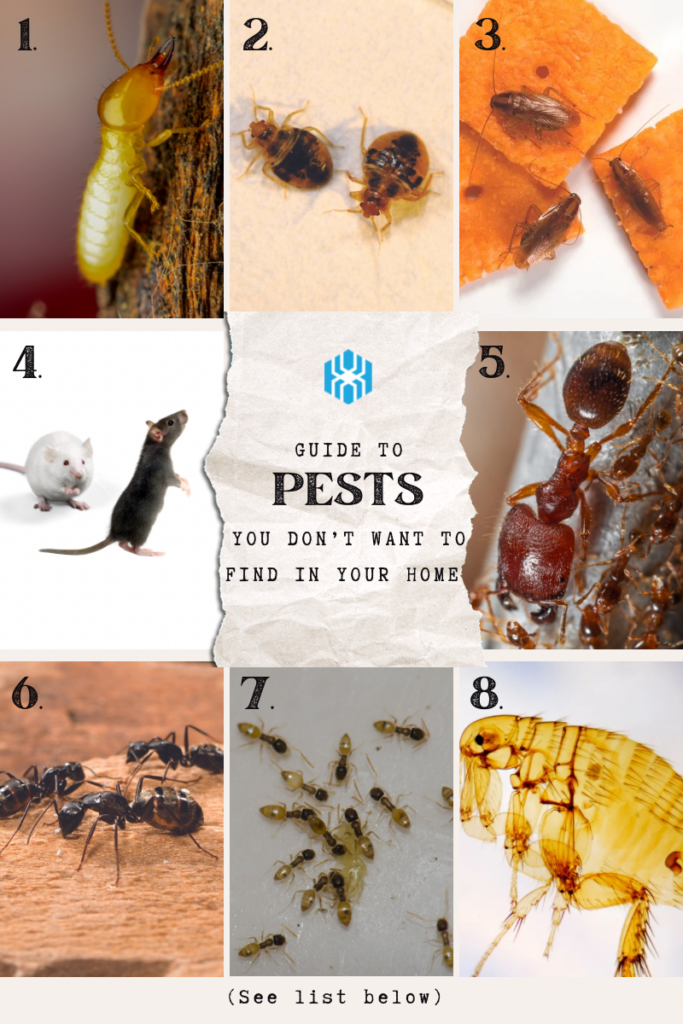
The most important type of pests to know are the kinds that wreak havoc in or on your interior living space – from eating away at the structure to an uninvited move-in. Here we will identify pests that you won’t want to find in your home, but if you do, you will want to take further action with Infinite Pest Solutions.

  1. Termites
  2. Bed Bugs
  3. German Roaches
  4. RodentsMice and Rats
  5. Big Headed Ants
  6. Carpenter Ants
  7. Ghost Ants
  8. Fleas

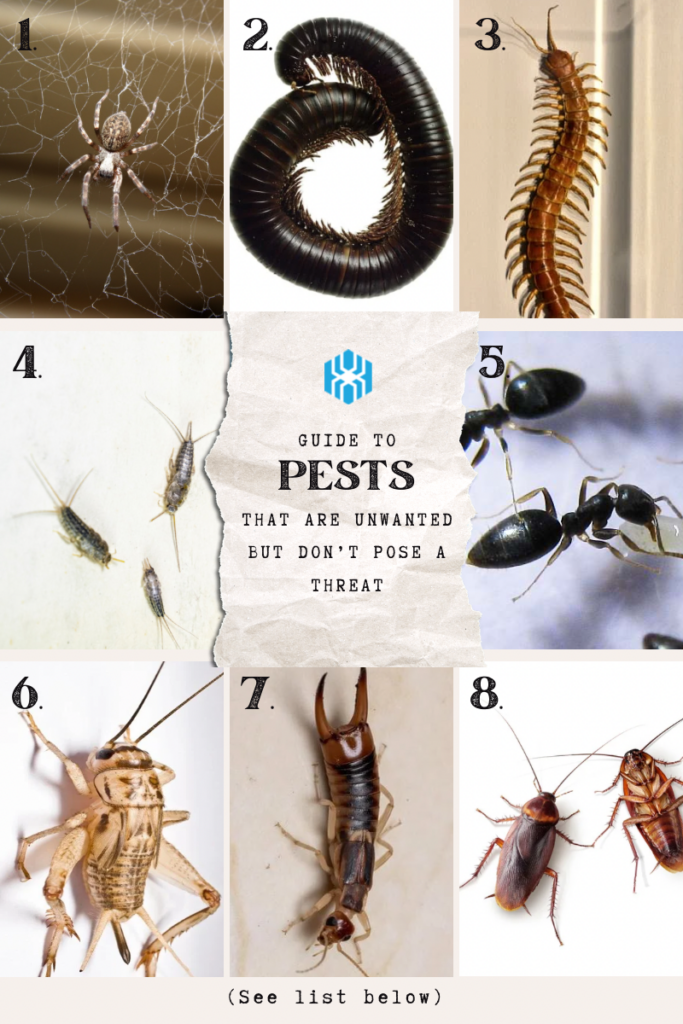
On the other hand, there are a number of common household pests in Florida that do not pose such a threat on your living space. Although these pests do not cause a threat to your environment, they can still be a nuisance and are typically unwanted. There can be a number of reasons why these critters have made their way into your Florida home – from a door or window being left open one second too long to cracks and crevices that have gone unnoticed.

  1. House Spiders
  2. Millipedes
  3. Centipedes
  4. Silverfish
  5. White footed ants
  6. House crickets
  7. Earwigs
  8. Palmetto Roach

With these guides, you can determine if you’re in need of immediate solutions or can rest easy knowing a critter entered by mistake. If you still find yourself unsure, that is why we are here for you! An Infinite expert can be at your door within the same day or next for a thorough inspection and a customized pest control plan to get rid of the pests. What bugs you, bugs us!

Our Southwest, FL Service Locations: