
Can You See Bed Bugs With the Naked Eye?

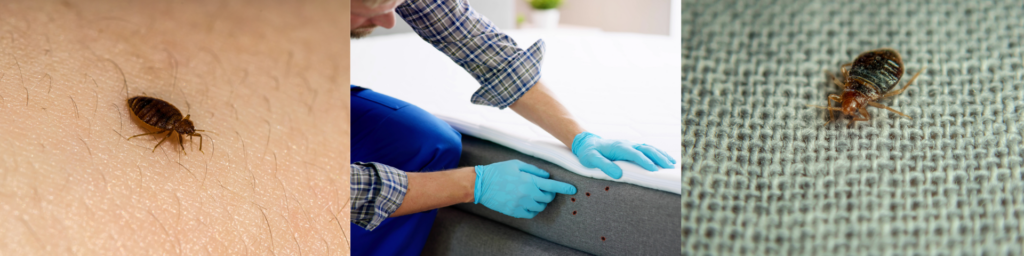
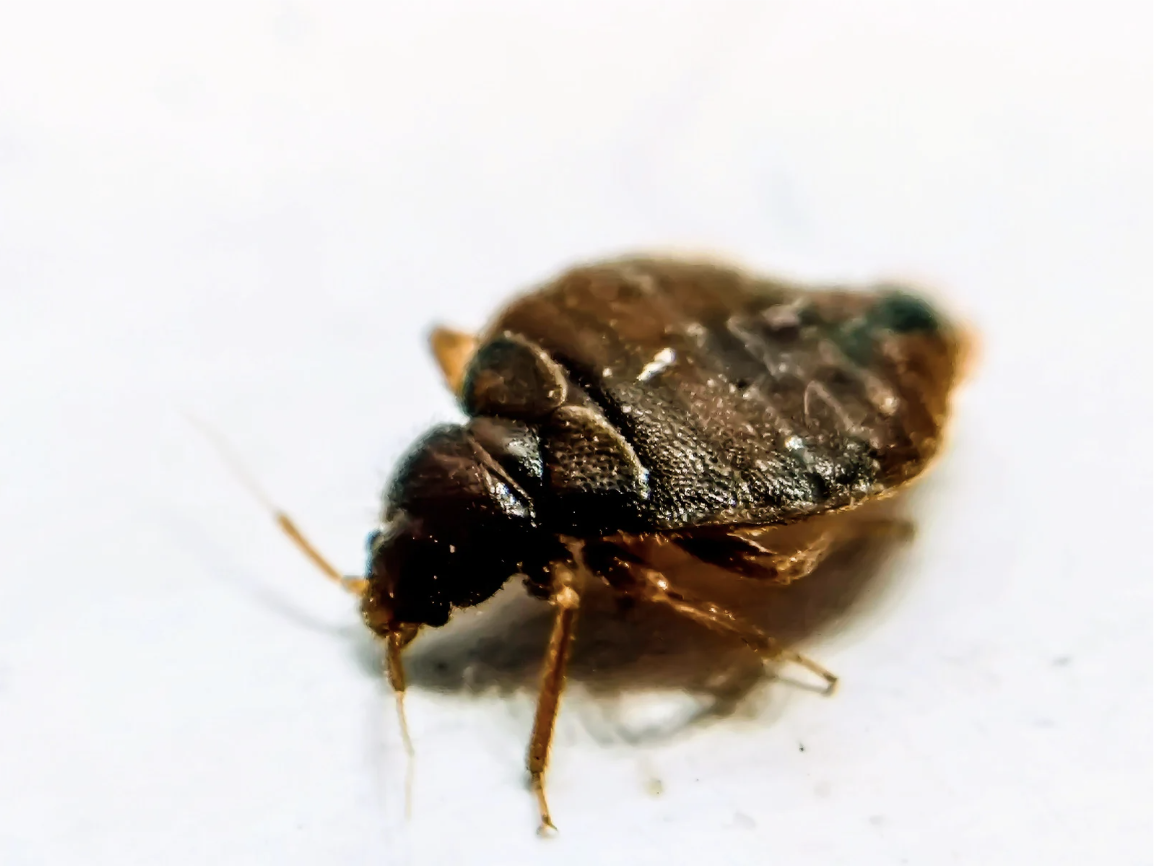
Yes, you can see bed bugs with the naked eye, but that doesn’t always make them easy to detect. One of the first questions people ask when they suspect an issue is whether bed bugs are actually visible—or if they’re too small to notice. Understanding what bed bugs look like and where they hide can help you identify a problem early and take action quickly.


Signs of Bed Bugs Beyond Seeing Them
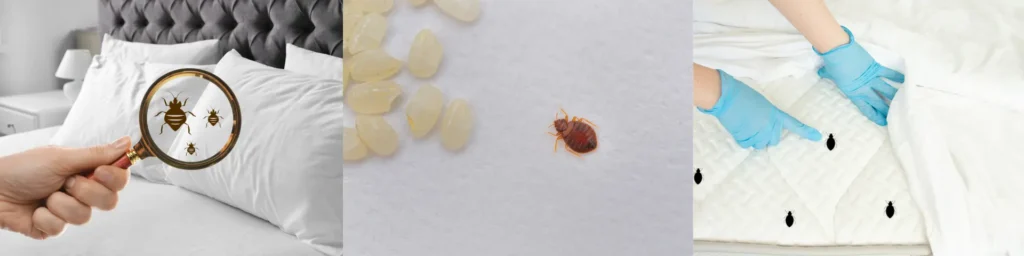
Many infestations are discovered not by seeing a live bed bug, but by noticing other warning signs.

Common indicators include:

  • Small, rust-colored stains on bedding or mattresses
  • Tiny white eggs or shed skins
  • A musty or sweet odor in heavily infested areas
  • Unexplained bites, often in clusters or lines

Why Bed Bugs Are Often Missed?

Despite being visible, bed bugs are frequently overlooked due to their size, hiding behavior, and ability to blend into furniture and bedding. Early infestations may involve only a few bugs, making them especially difficult to spot without experience.

In Florida, frequent travel, hotels, apartments, and shared spaces increase the risk of bed bugs being introduced into homes without immediate detection.

Professional Bed Bug Inspections with Infinite Pest Solutions

We understand how overwhelming bed bug concerns can be. Our professional inspections are designed to identify bed bugs at all life stages, even when they’re difficult to see.

Our bed bug services focus on:

  • Thorough inspections of common hiding areas
  • Accurate identification of bed bug activity
  • Targeted treatment plans designed for effective elimination
  • Clear guidance on preparation and prevention

If you suspect bed bugs or want peace of mind, Infinite Pest Solutions is here to help. Early detection and professional treatment are key to stopping bed bugs before they spread.

Our Southwest, FL Service Locations:

What Is the Main Cause of Bed Bugs?

Bed bugs don’t appear out of nowhere. In almost every case, bed bugs are introduced into a home, not created there. Understanding how they enter your home is the first step to stopping an infestation before it spreads.

how do you check for bed bugs

What are Bed Bugs?

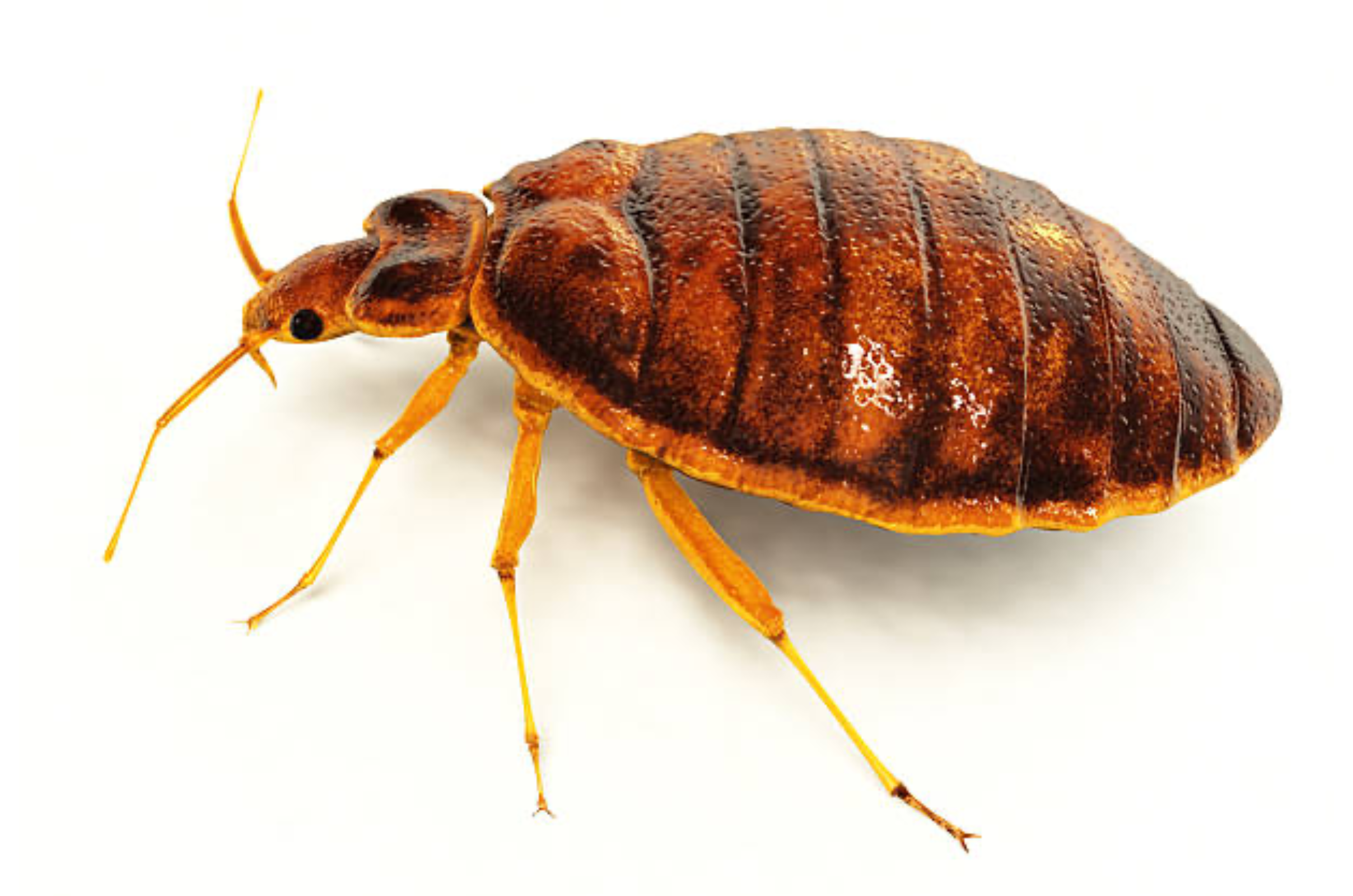
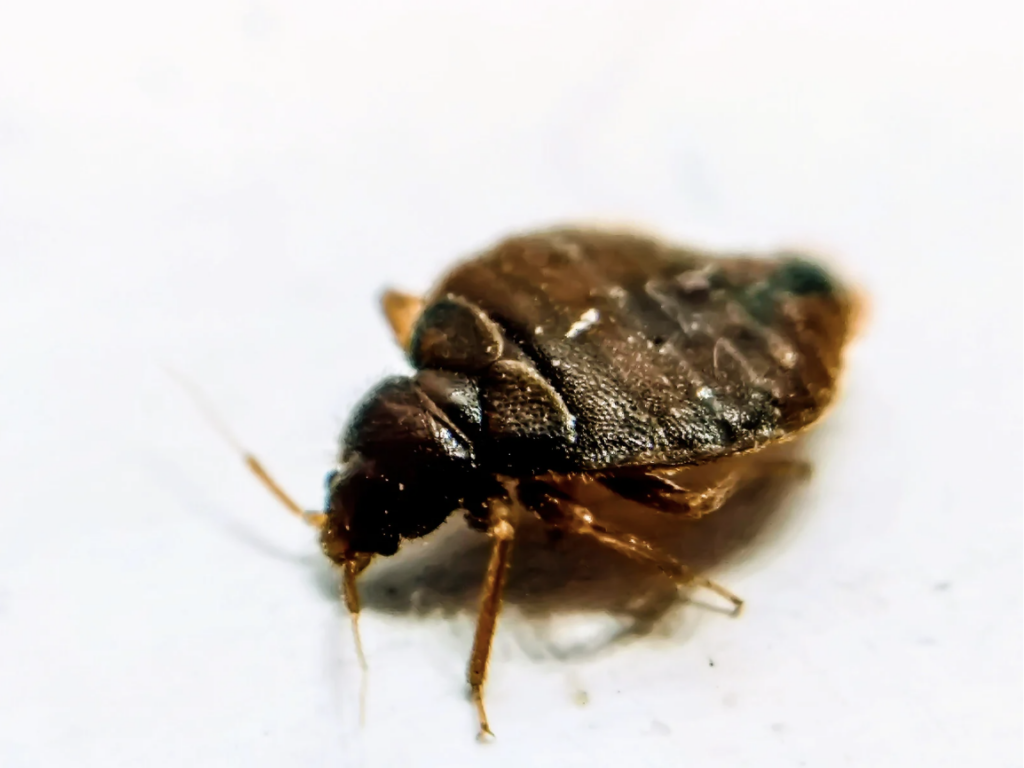
A bed bug is a small, flat, reddish-brown insect that feeds on human blood. They are nocturnal pests that will have you itching by morning.

Why Do Bed Bugs Spread So Easily?

One of the biggest reasons infestations worsen is delayed treatment. Many people assume bites are from mosquitoes, allergies, or spiders and wait weeks before taking action.

Bed bugs are small, flat, and excellent at hiding. They don’t need food crumbs or unsanitary conditions to survive, they only need access to people. Once inside a home, they hide in mattress seams, furniture joints, baseboards, and cracks, often going unnoticed until the population grows.

The Real Risk Aren’t the Bites, It’s the Infestation

While bed bug bites are uncomfortable and itchy, the bigger issue is how quickly bed bugs multiply and spread throughout a home. It is important that people know how to check for bed bugs, in order to see the magnitude of the infestation. The longer they go untreated, the more rooms they invade and the more extensive treatment becomes.

The Most Common Cause is Hitchhiking

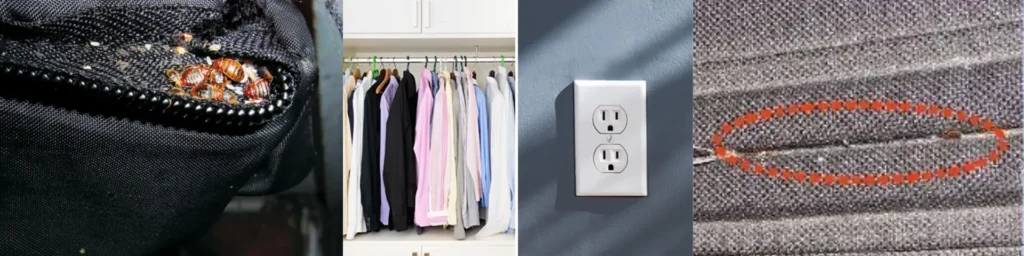
The number one cause of infestations is bed bugs being carried in from somewhere else. They are expert hitchhikers, meaning they’ll latch on to you from one location to the next. Hiding in luggage, clothing, purses, backpacks, furniture, and even electronics. Once they find a new place to hide, they settle in quickly.

Customers are often surprised to learn that bed bugs don’t come from poor hygiene or unclean living conditions, contrary to the common myth. They are just as likely to be found in a clean and well-maintained home as anywhere else.

Travel Is a Major Contributor

Travel is one of the most common ways bed bugs spread. Hotels, vacation rentals, cruise ships, airports, and public transportation all see high turnover of people and belongings. Even a short overnight stay can be enough for bed bugs to crawl into a suitcase and make their way back home.

Guests and Shared Spaces

Bed bugs can also be introduced by visitors in your home. Overnight guests, shared living spaces, and close contact in places like apartments, dorms, or multi-family housing increase the risk. Bed bugs move easily between units through walls, electrical outlets, and shared hallways, making early detection especially important.

Used Furniture and Belongings

Another common cause is secondhand furniture or items. Mattresses, couches, bed frames, and even nightstands can harbor bed bugs and their eggs. Without proper inspection, these items can introduce bed bugs directly into the home.

Why Professional Treatment Matters

Effective bed bug control requires more than surface treatments because DIY treatments don’t address the root cause. Bed bugs and their eggs are well hidden, and improper treatments can push them deeper into walls and furniture. Professional treatment focuses on identifying bed bugs as well as all harborage areas, eliminating active bugs, and interrupting the life cycle to prevent reinfestation, which is key to long-term control.

If you suspect bed bugs, acting quickly can prevent a small issue from turning into a major infestation. Contact us today for a thorough inspection and expert bed bug control in Southwest Florida and Orlando!

Our Southwest, FL Service Locations:

Ticks vs Bed Bugs

How to Tell the Difference and More

When tiny bugs show up in your bed, it can feel like you’re living in a nightmare. Two common culprits are ticks and bed bugs. These blood suckers are often confused because of their size and the irritation they cause. But these pests behave very differently, and knowing the difference is essential for both your peace of mind and your health.

<img decoding=

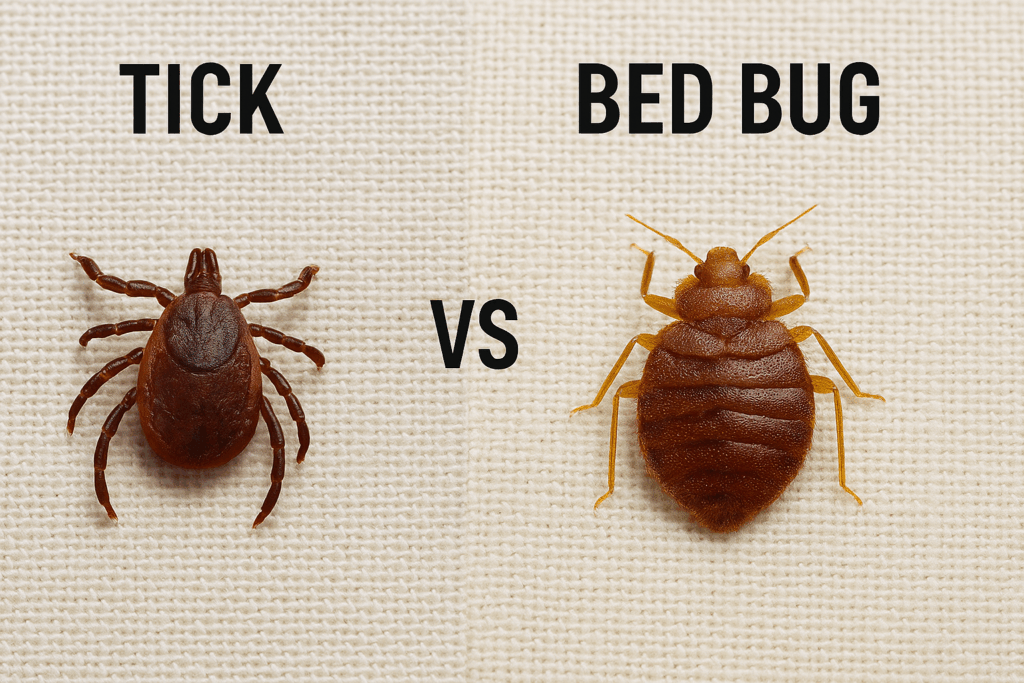
Can a tick look like a bed bug?

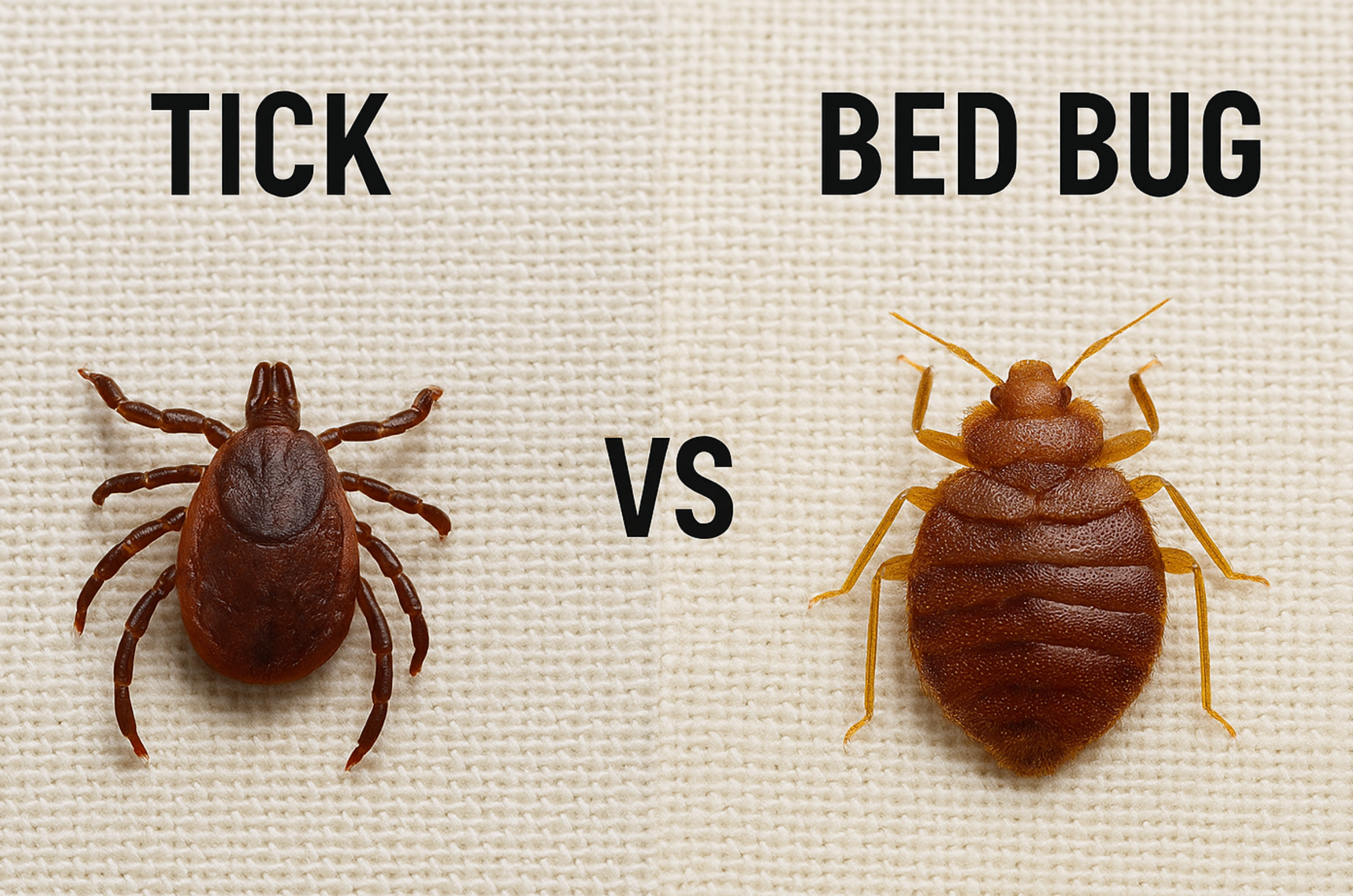
Yes, at a quick glance, ticks and bed bugs can look similar. Both are small, flat, and reddish-brown. However, ticks usually have a harder, more rounded body and visible legs that extend outward from the sides. Bed bugs are flatter, more oval-shaped, and their legs are tucked beneath the body, making them less obvious.

How do you tell if it’s a tick or a bed bug?

The fastest way to tell the difference is by where you find them and how they behave:

Ticks

  • Have 8 legs (arachnids).
  • Parasites that latch onto skin and feed on blood for hours or days.
  • Move slow.
  • If attached to you or your pet, it’s most likely a tick.

Bed bugs

  • Have 6 legs (insects).
  • Don’t stay attached.
  • Come out at night, bite quickly, and scurry.
  • Retreat back into cracks, crevices, wall art, lamp shades, bedding, etc.

Can ticks live in mattresses?

Ticks typically do not infest mattresses. Instead, they live outdoors in tall grass, shrubs, or wooded areas where they can latch onto passing hosts. While a tick might end up in your bed if carried inside by a person or pet, they won’t establish colonies in mattresses the way bed bugs do.

Do ticks crawl in bed?

Ticks can crawl into a bed if they hitchhike on clothing, pets, or people, but this is not their natural habitat. Unlike bed bugs, ticks don’t seek out beds or bedding. If you find bugs crawling around your sheets, bed bugs are the more likely culprit.

Do bed bug bites look like tick bites?

Yes, the bites can look similar, but there are differences:

Bed bug bites

  • Usually appear in clusters or straight lines,
  • Often on arms, legs, or exposed skin.
  • Itchy and red.

Tick bites

Which is more dangerous—ticks or bed bugs?

Ticks

Ticks propose more of a threat due to the health risks they can spread such as Lyme Disease.

Do ticks bite at night like bed bugs?

Ticks don’t have a specific time they bite—they latch on whenever they find a host. Bed bugs, on the other hand, are nocturnal and prefer to feed while you’re asleep at night.

What should you do if you find a tick or bed bug?

Ticks

Bed bugs

  • Contact us directly or text us directly by clicking the green chat bubble at the bottom right of your screen.
  • Look for additional signs like blood spots on sheets, shed skins, or fecal stains.

While ticks and bed bugs may seem similar at first, they behave very differently. Ticks are outdoor parasites that pose health risks, while bed bugs are indoor pests that cause nuisance infestations. Learning to spot the differences can help you take quick action—whether that’s removing a tick properly or calling Infinite Pest Solutions, we are here to help!

Our Southwest, FL Service Locations:

How To Check For Bed Bugs

Bed Bug Awareness Week may be over, but these tiny pests didn’t get the memo. The reality is, bed bugs are a year-round concern—and they don’t discriminate. Whether you’re in a hotel, on a flight, or relaxing in your own Florida home, bed bugs can strike when you least expect it.

At Infinite Pest Solutions, we believe prevention and education are key to staying ahead of an infestation. That’s why we’re spotlighting bed bug awareness long after the official campaign ends—because these pests are persistent, and so are we.

What You Should Know About Bed Bugs

Bed bugs are small, reddish-brown insects that feed on blood—mostly while you sleep. They’re expert hitchhikers, often latching onto luggage, clothing, or furniture to make their way into your home. Once inside, they’re difficult to detect and even harder to eliminate without professional help.

Signs you may have a bed bug problem include:

  • Small, itchy bites in a line or cluster (especially on arms or legs)
  • Tiny rust-colored spots on sheets or mattress seams
  • A sweet, musty odor in heavily infested rooms
  • Shed skins or actual bugs hiding in hanging pictures, lamps, cracks and crevices besides the bed.

How to check for bed bugs:

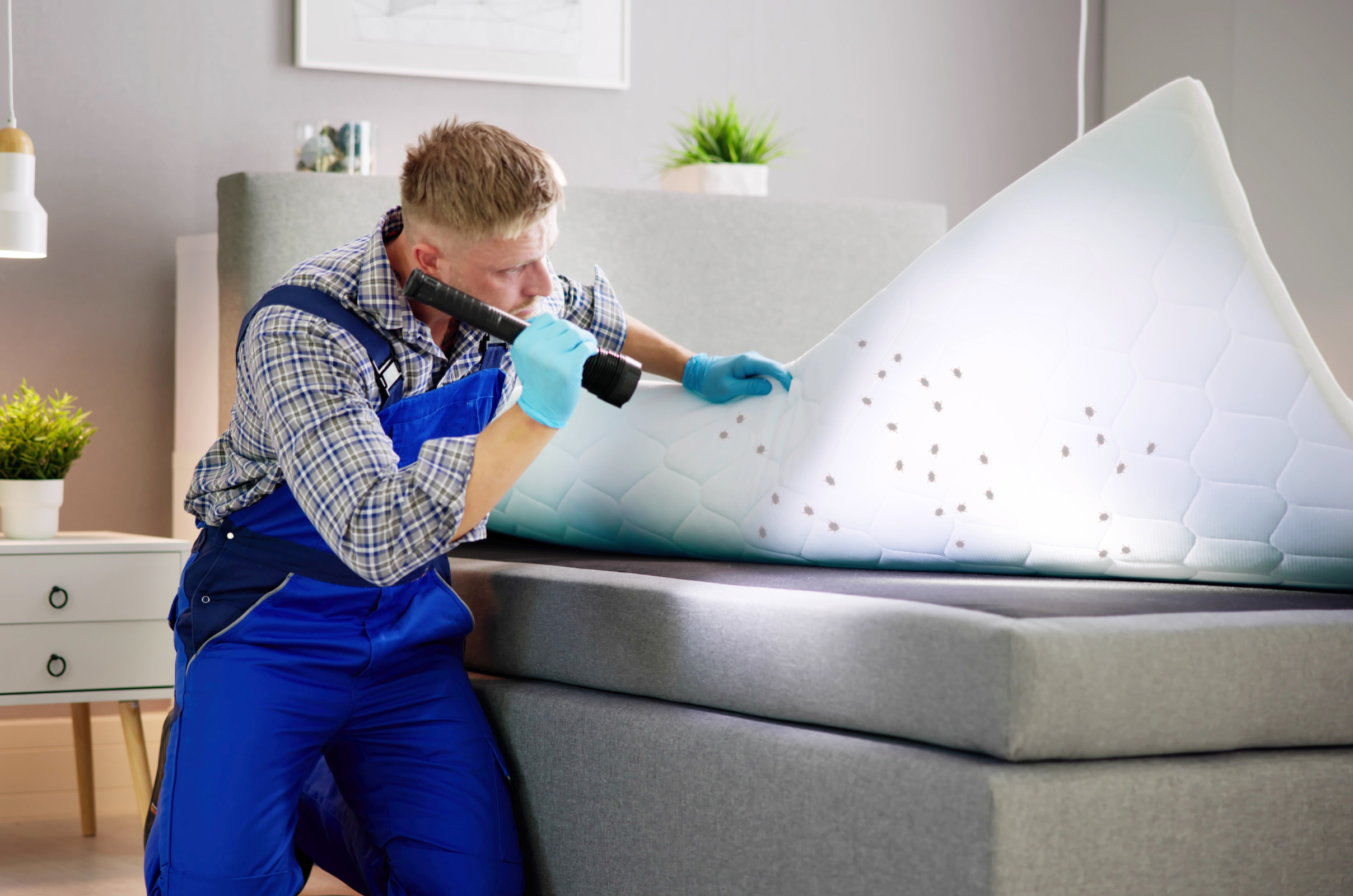
  • Inspect mattress seams and box springs
  • Look behind headboards and inside nightstands
  • Check for small dark spots or shed skins
  • Use a flashlight to scan cracks and crevices
  • Contact us for an expert set of eyes

Think You’re Safe? Think Again.

Bed bugs aren’t just a problem for “dirty” places. They can be found in high-end resorts, college dorms, public transportation, and even hospitals. That’s why vigilance is critical—especially for frequent travelers or families with children who bring backpacks and gear home daily.

To see how easily bed bugs can invade your space, check out Bed Bugs Exposed: A Series Revealing How These Sneaky Pests Invade Your Home by the National Pest Management Association. It’s an eye-opening look at how fast and stealthily bed bugs operate.

How We Help

If you suspect bed bug activity or just want peace of mind, our team is ready with advanced detection and proven treatment plans. We know where they hide—and we know how to get rid of them.

Don’t wait until you’re losing sleep over bites and bugs. Contact Infinite Pest Solutions today to schedule a bed bug evaluation.

Our Southwest, FL Service Locations:

Types of Pests Found in Homes

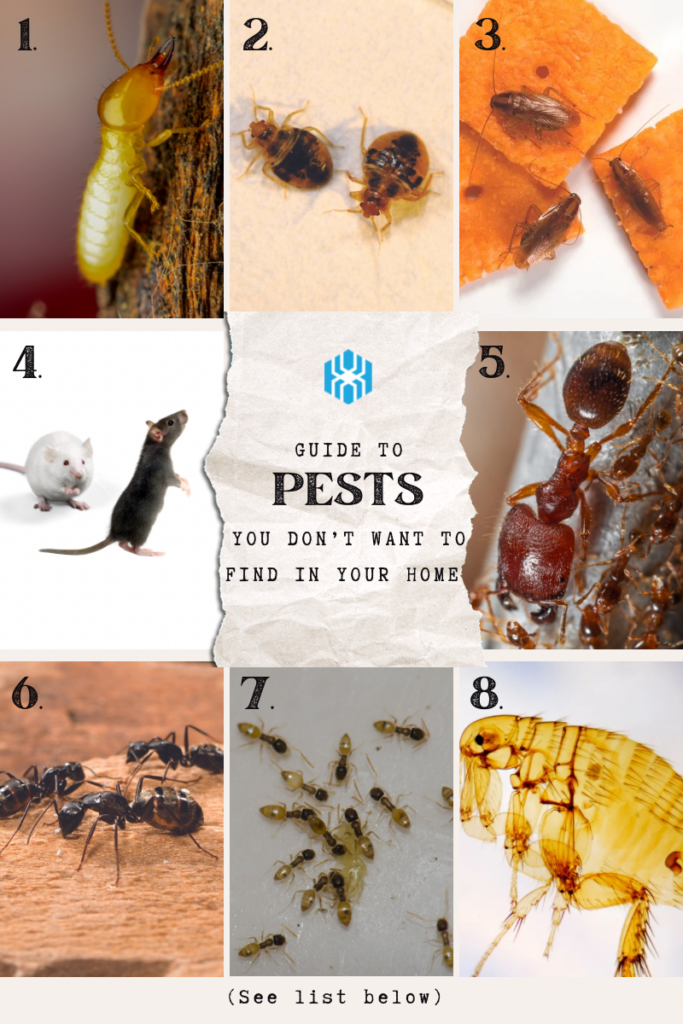
If you live in Florida, you are well aware of the year round pests that can make our outdoor living space feel like a war zone against bugs. But the last place you want to find a bug is inside your home. There are many different types of pests that can be found in a home, but are you able to identify them? The importance of identifying what type of pest could be in your home can help you eliminate the possibility of there being a larger issue at hand, an infestation. That is why we are here to help give you a quick guide to the unwanted guests you should have concerns about being in your home versus bugs that may have come inside by mistake.

The most important type of pests to know are the kinds that wreak havoc in or on your interior living space – from eating away at the structure to an uninvited move-in. Here we will identify pests that you won’t want to find in your home, but if you do, you will want to take further action with Infinite Pest Solutions.

  1. Termites
  2. Bed Bugs
  3. German Roaches
  4. RodentsMice and Rats
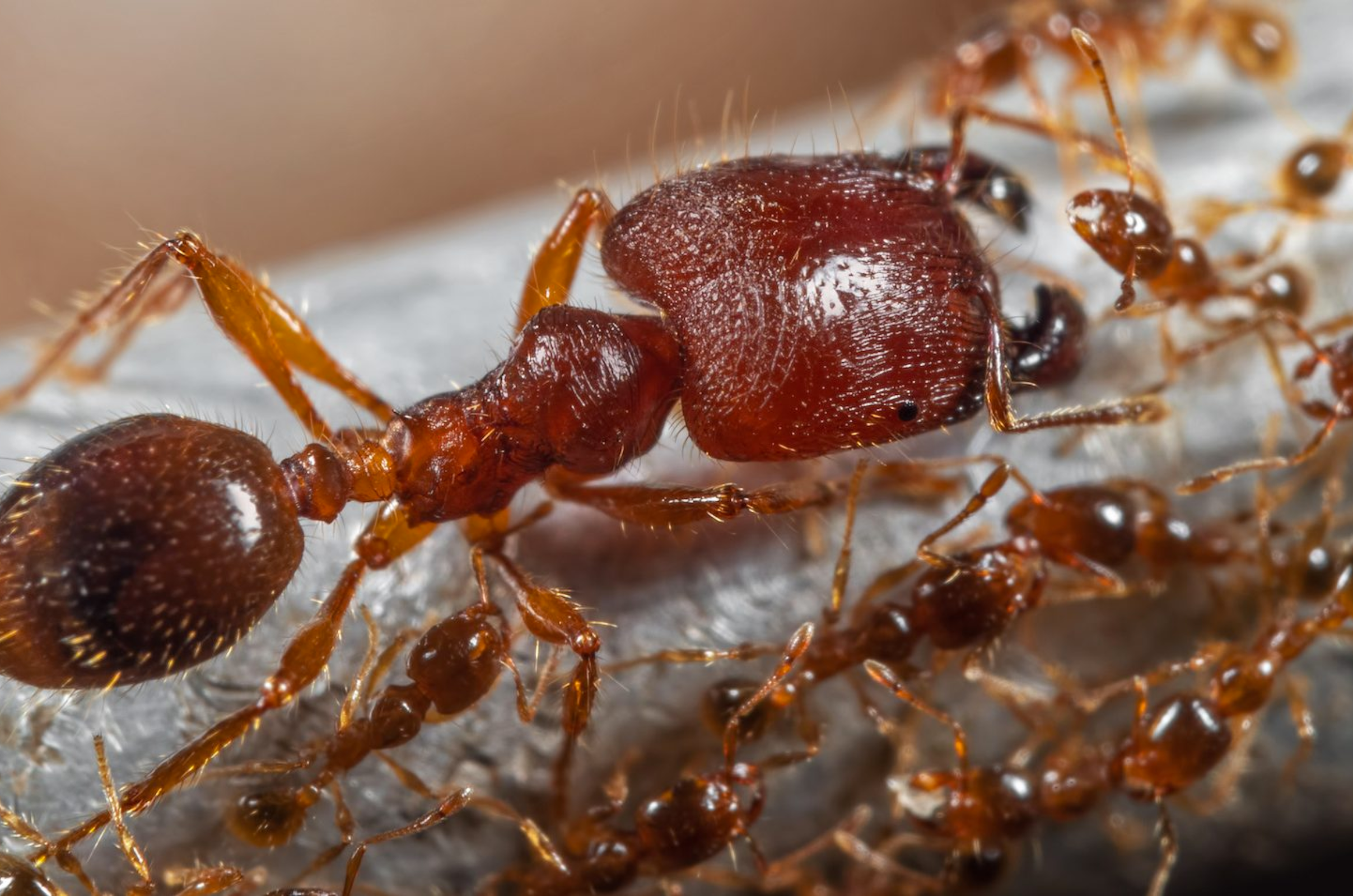
  5. Big Headed Ants
  6. Carpenter Ants
  7. Ghost Ants
  8. Fleas

On the other hand, there are a number of common household pests in Florida that do not pose such a threat on your living space. Although these pests do not cause a threat to your environment, they can still be a nuisance and are typically unwanted. There can be a number of reasons why these critters have made their way into your Florida home – from a door or window being left open one second too long to cracks and crevices that have gone unnoticed.

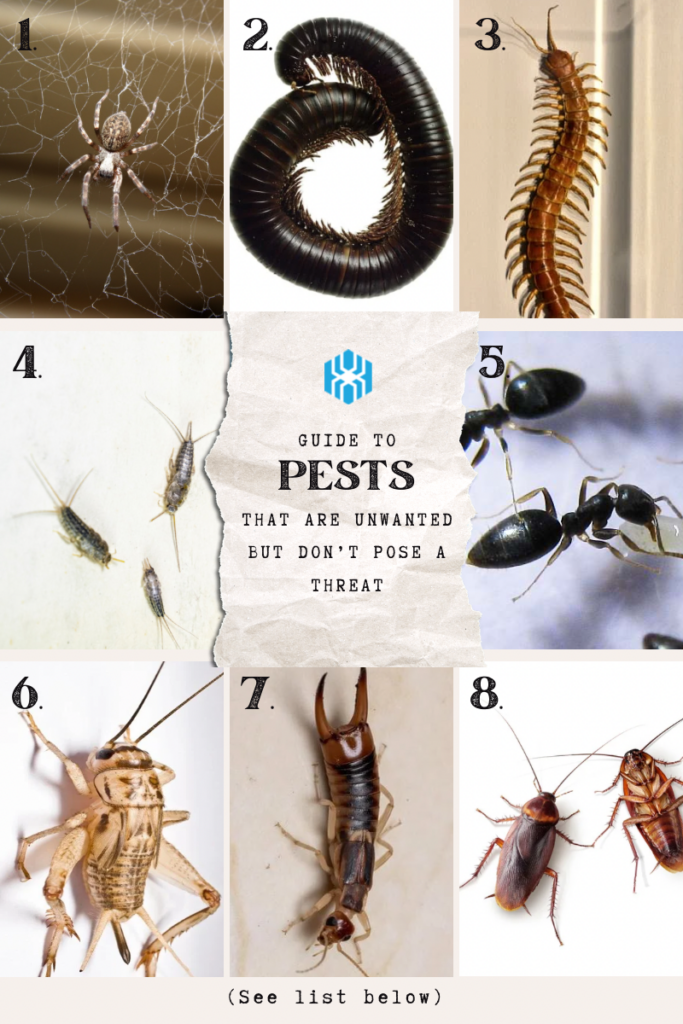
  1. House Spiders
  2. Millipedes
  3. Centipedes
  4. Silverfish
  5. White footed ants
  6. House crickets
  7. Earwigs
  8. Palmetto Roach

With these guides, you can determine if you’re in need of immediate solutions or can rest easy knowing a critter entered by mistake. If you still find yourself unsure, that is why we are here for you! An Infinite expert can be at your door within the same day or next for a thorough inspection and a customized pest control plan to get rid of the pests. What bugs you, bugs us!

Our Southwest, FL Service Locations:

How to Identify Bed Bugs

Finding pests in your home is never fun, but finding bed bugs in your sleeping space is a nightmare come true. Identifying bed bugs early on can save you the hassle of an at home infestation or even bringing them back into your home from a vacation. Infinite is here to help you become a bed bug identifier expert! 

Bed bugs (Cimex lectularius) are tiny, reddish-brown insects that feed on the blood of humans and animals. Primarily nocturnal, they hide during the day in cracks and crevices near their food source. Though not known to transmit diseases, their bites can cause itching, allergic reactions, and psychological stress. 

Physical Characteristics 

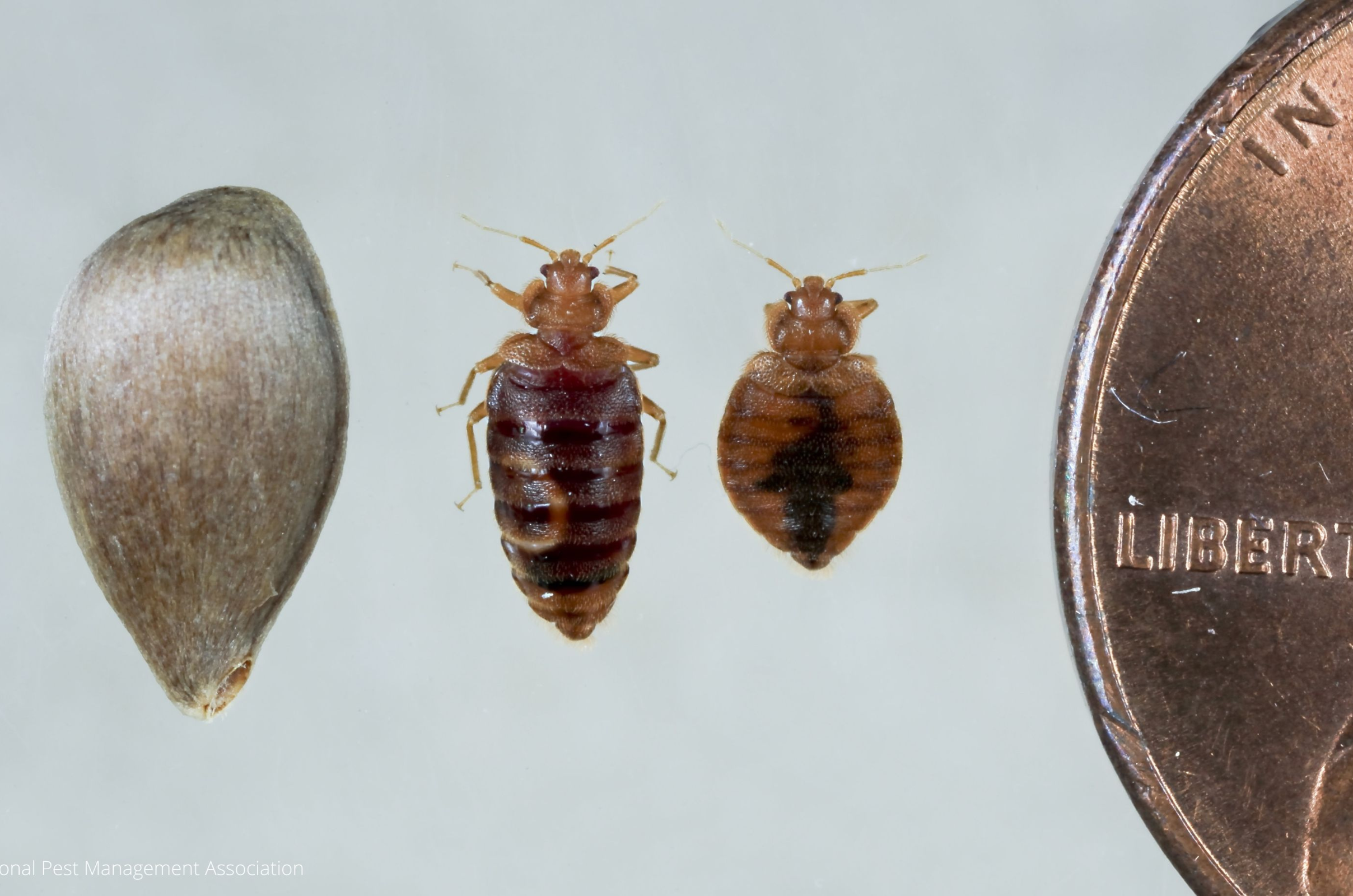
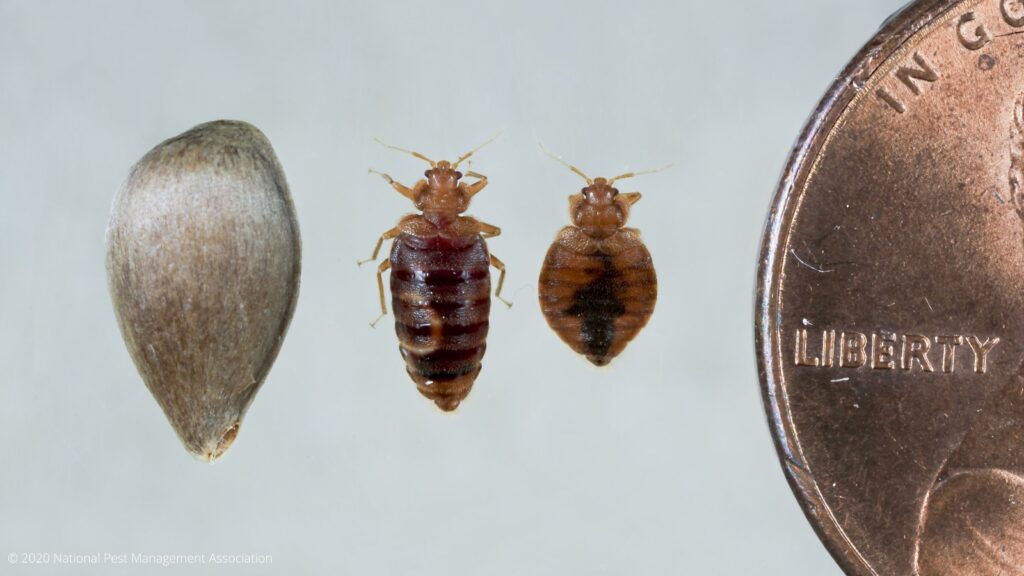
  • Size: Adult bed bugs are about the size of an apple seed, measuring 5-7 mm in length. 
  • Shape: They have flat, oval-shaped bodies. After feeding, they become swollen and elongated. 
  • Color: Unfed bed bugs are brownish; after feeding, they turn reddish-brown. 
  • Nymphs: Juvenile bed bugs are smaller, lighter in color, and translucent. They shed their exoskeleton five times before reaching maturity. 

Signs of Infestation 

  • Bites: Bed bug bites often appear as small, red, itchy welts, typically in a line or cluster. However, not everyone reacts to bites, so this is not a definitive sign. 
  • Blood Stains: Tiny blood stains on sheets or pillowcases can indicate bed bug feeding. 
  • Fecal Spots: Small, dark spots (about the size of a pinhead) on mattresses, sheets, or walls are bed bug excrement. 
  • Eggs and Shells: Bed bug eggs are tiny, white, and about 1 mm in size. You might also find shed skins from nymphs. 
  • Odor: A large infestation can produce a musty, sweet smell due to bed bug pheromones. 

Places to Look 

Bed bugs prefer to stay close to their food source but will travel if necessary. Check these common hiding spots: 

  • Mattresses and Box Springs: Inspect seams, tags, and underneath. 
  • Bed Frames and Headboards: Look in joints and crevices. 
  • Furniture: Examine cushions, seams, and zippers. 
  • Baseboards and Wall Cracks: Check for tiny cracks in walls and behind baseboards. 
  • Electrical Outlets and Picture Frames: Inspect behind these areas. 

Preventing Infestations 

  • Regular Inspections: Frequently check sleeping areas and furniture for signs of bed bugs. 
  • Reduce Clutter: Clutter provides hiding places for bed bugs. 
  • Use Protective Covers: Encase mattresses and box springs. 
  • Be Cautious with Secondhand Furniture: Inspect used furniture carefully before bringing it into your home. 
  • Travel Smart: When staying in hotels, check the bed and furniture for signs of bed bugs. Keep luggage off the floor and bed. 

Bed bugs are notoriously difficult to eliminate without professional help. If you suspect a bed bug infestation, act quickly. Are you located in Southwest FloridaContact us for a thorough inspection and effective treatment. Our experienced technicians use the latest methods and technology to ensure your home is bed bug-free. What bugs you, bugs us! 

Our Southwest, FL Service Locations: