


Pest Control 101: What to Expect, What’s Covered, How to Prepare

Did you know that nearly 1 in 5 homes in the United States experience some form of pest infestation annually? Pests not only damage property but also pose health risks to your family.  If you’ve never had professional pest control before, it’s normal to have questions. Homeowners often ask what pest control actually includes, what happens during the first visit, and whether they need to do anything ahead of time.

The good news is that pest control doesn’t have to be complicated. Understanding how it works can help you get better results and feel more confident about the process.

Here’s a breakdown of what you should know before your service.


How Do I Prepare My House for Pest Control?

In most cases, preparation is minimal. Pest control works best when technicians can easily access the areas pests are most active. For specific pests like German cockroaches, cleanliness is essential for successful elimination. Ensure that pantry areas are free of food debris, spills, and clutter, as this helps treatments work more effectively. You can learn more about what homeowners can do here.

While deep cleaning your entire home isn’t needed prior to a service, a quick tidy-up makes it easier for treatments to reach the right areas and helps ensure nothing blocks access to key entry points.

Before your appointment, it helps to:

  • Clear clutter away from baseboards to allow technicians full access for treatment
  • Secure pets and let the technician know if you have any concerns
  • Take note of where you’ve seen pest activity so you can point it out
  • Take photos of pests you have concerns about so a technician can better identify 
  • Ensure counters are clear of crumbs and debris in the event bait is needed

What Are Common Pest Control Services?

Typical pest control services address a range of common pests. Regular maintenance visits include inspections to catch early signs of infestation and preventive treatments to keep pests at bay year-round. Some of the most common services Infinite Pest Solutions include are:


What Does Normal Pest Control Cover?

General pest control typically covers the pests homeowners encounter most often. This usually includes:

  • Ghost ants 
  • Fire ants 
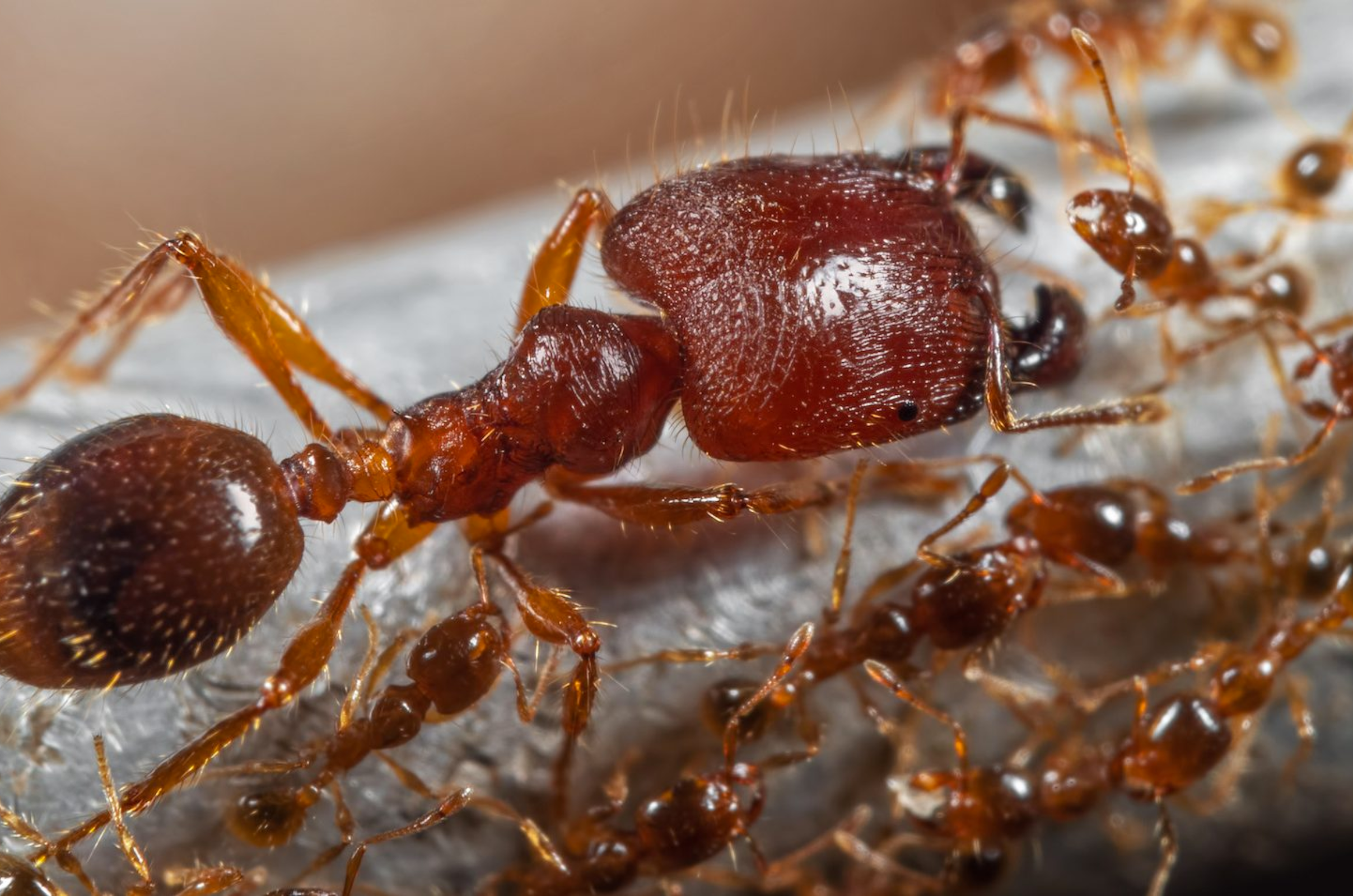
  • Big headed ants 
  • Carpenter ants 
  • White footed ants 
  • Odorous ants 
  • Argentine ants 
  • Palmetto Cockroaches 
  • Wasps/Hornets 
  • Centipedes 
  • Millipedes  
  • Silver fish 
  • Spiders 
  • Earwigs 
  • Crickets  
  • Sow bugs 

These services focus on treating entry points, nesting areas, exterior foundation, and high-traffic pest zones around the home such as soffits. The goal is to rid of what exists around the home and keep a protective barrier around the exterior of the home to prevent any new pests.


What Does Pest Control Do on a First Visit?

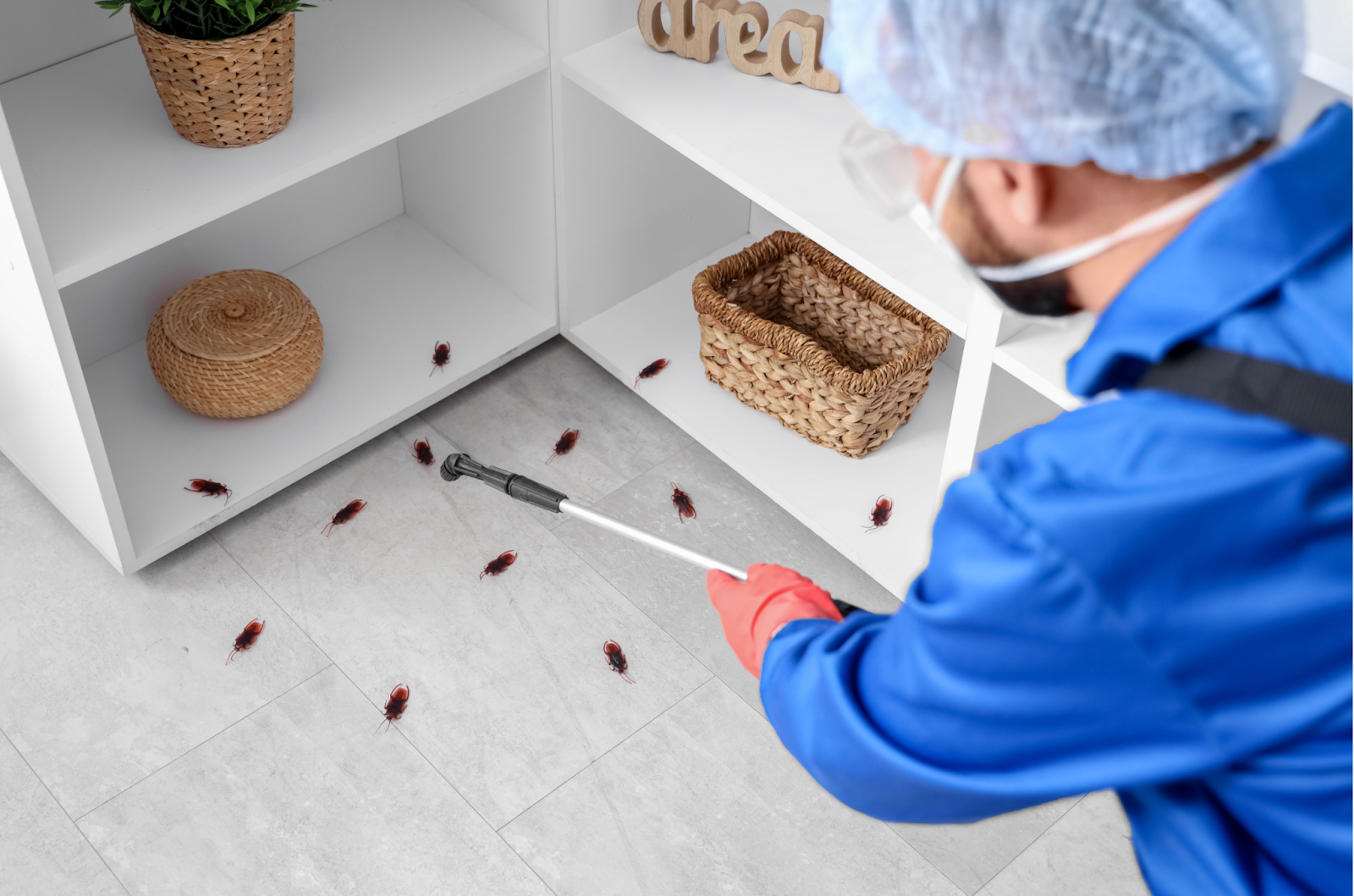
The initial visit is one of the most important parts of pest control. This is when the technician will perform a detailed inspection of the interior and exterior to assess pest activity and identify entry points. Following this, the technician will present a tailored treatment plan addressing your home’s specific needs. 

The initial treatment involves barrier applications outside, an interior application, crack and crevice treatments, and removal of wasps/hornets nests or webs. Ongoing maintenance and follow-up visits help to ensure pest-free results especially in warm and humid climates where pests stay active year-round.


Why Ongoing Pest Control Matters

Many pests don’t disappear after a single treatment. Ant colonies, spider populations, and other infestations often rebuild especially if conditions remain favorable.

Routine pest control helps:

  • Keep pests from returning
  • Prevent new activity 
  • Maintain a protective barrier around your home
  • Eliminate the source of reproduction

Preparing for pest control doesn’t have to be stressful, and knowing what to expect makes the process smoother from the start. From understanding what’s covered to knowing what happens on the first visit, a little information goes a long way.

At Infinite Pest Solutions, we know that professional pest control is about more than just removing pests, it’s about protecting your home, preventing future issues, and giving you peace of mind. Get a free quote today!

Our Southwest, FL Service Locations:

Mice vs Rats – Differences in Florida

Did you know, in the United States, about 21 million homes fall victim to rodents in the winter season? Knowing what a mouse and rat are is key. Knowing their winter habits helps you prevent costly property damage and health risks. Many homeowners overlook common entry points and early warning signs that make homes open to these unwelcome guests. We will compare mice vs. rats and explain their winter behavior. We also highlight hidden entry points that invite nesting rodents into your home.

What Do Mice and Rats Look Like?

Mice and rats differ greatly in size and appearance. Knowing these distinctions is crucial for effective pest control and prevention.

Size and Body Shape:

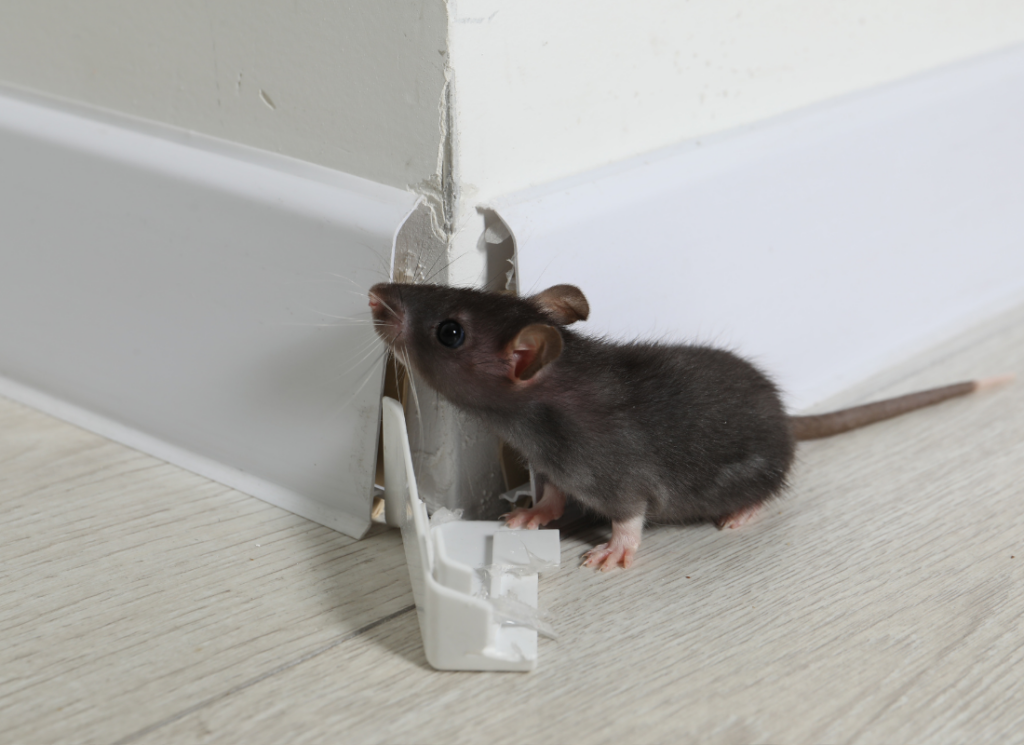
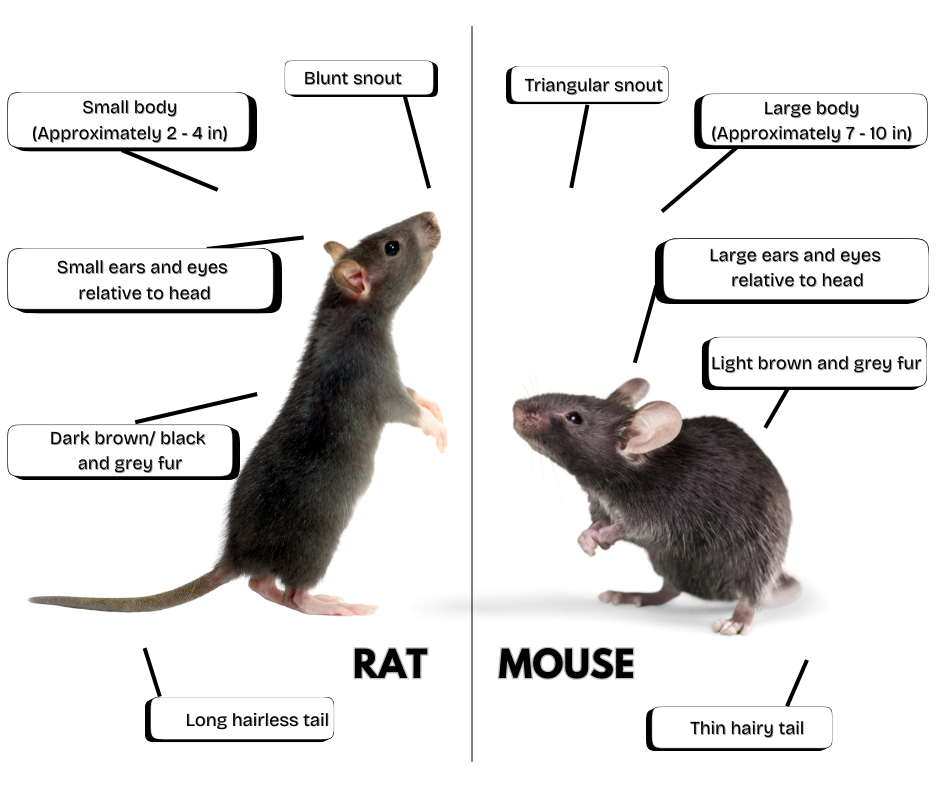
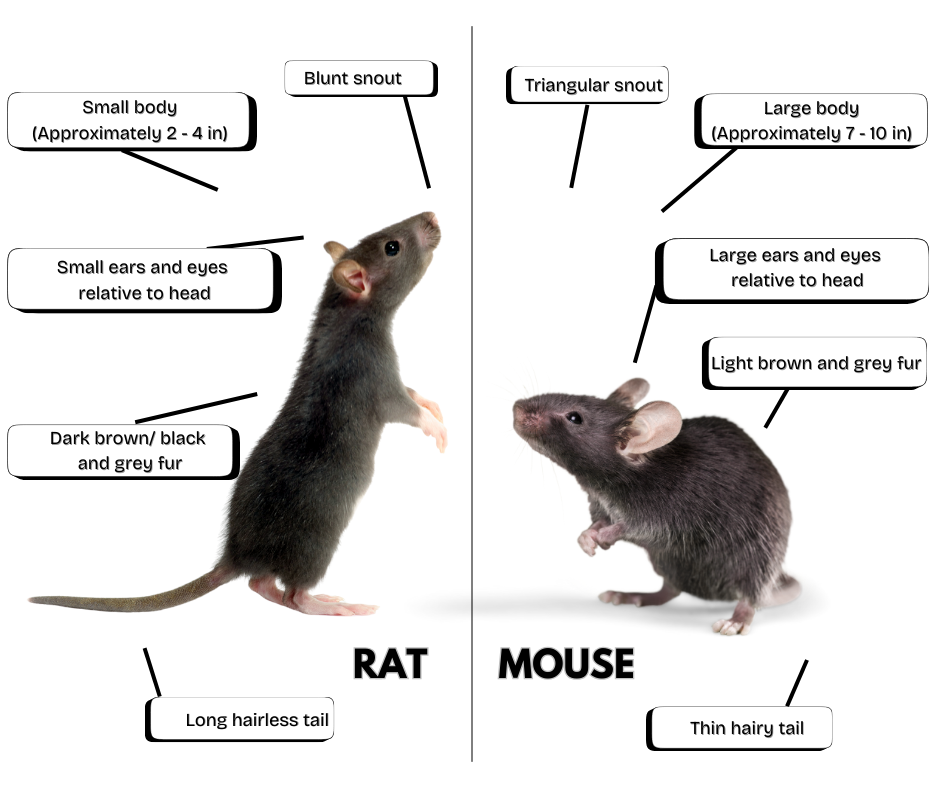
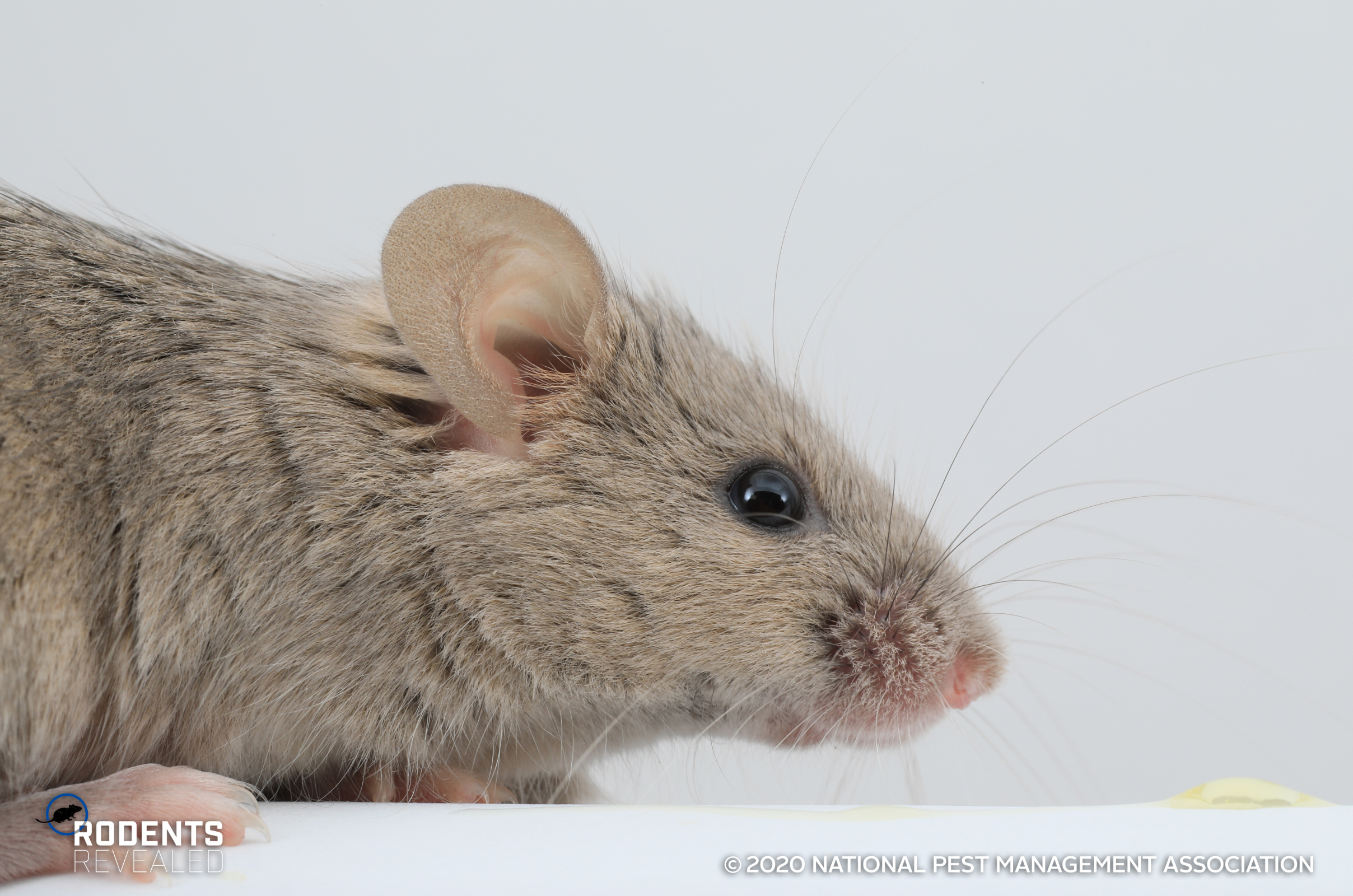
Mice are small, slender, and under four inches long. They feature triangular heads and large ears relative to their body size.

Rats are much larger, often exceeding eight inches in body length, with a rounded muzzle and thicker, muscular build.

Tail and Feet:

Mice have thin, lightly furred tails roughly equal in length to their bodies, aiding in balance and agility. Rats have thicker, hairless, scaly tails used to regulate warmth and stability.

Rat footprints are larger and wider than the delicate, needle-like prints left by mice.

Physical traits influence how each species enters your home. These things determine where you will find signs of nesting.

Behaviors and Habits

Know how mice and rats behave when it comes to feeding and nesting.

Feeding Patterns:

Mice are nibblers who eat small amounts of food frequently throughout the day, often sampling various sources. 

Rats teeth are constantly growing so gnawing is key to keep them from overgrowing. If rats teeth become overgrown, they are no longer able to eat. 

Activity:

Mice are curious explorers that dart quickly and look for new objects in their habitat.

Rats exhibit neophobia — fear of new things — making them more cautious and harder to trap.

Nesting:

Mice build hidden nests like shredded paper. You often find them inside walls, cabinets, or storage bins.

Rats require larger spaces and tend to nest in crawl spaces, attics, garages, or even underground burrows.

Breeding:

Rats breed quickly with having up to 8 newborns every 60 days. After 60 day they are ready to conceive again

Mice reproduce twice as fast every 30 days with about 10-12 new borns every month.

Signs of Rodent Activity to Watch for in Colder Months

Rodents seek warmth as temperatures drop, making late fall and winter prime times for nesting. Watch for these telltale signs:

Droppings:

Mouse droppings are small, rice-shaped pellets with pointed ends, scattered widely.

Rats leave large, clusters of waste near food sources, unlike the scattered pellets of mice.

Gnaw Marks and Structural Damage:

Look for small, dime-sized holes or chew marks for mice, and larger quarter-sized damage from rats. Rats can chew through wood, plastic, and even soft metals, creating serious structural risks.

Sounds and Smells:

Scratching or scurrying noises inside walls or ceilings at night can reveal rodent movement. A strong ammonia-like odor may also indicate urine build up.

Ignoring Entry Points:

Our field evaluations reveal a common trend: most homeowners overlook entry points that rodents exploit daily.

  • Open gaps around roof edges and vents
  • Tree branches or shrubs touching the roof, providing easy access
  • Unsealed cracks near doors, windows, plumbing, or electrical lines
  • Broken screens or damaged weather stripping

These entry points become even more critical in colder months when rodents are actively searching for shelter.

Health Risks Associated with Rodents

Rodents are not just a nuisance; they pose many health hazards. They carry bacteria and viruses such as salmonella, leptospirosis, and hantavirus, which can infect food and surfaces. Their droppings and urine can trigger allergies and breathing issues in children or sensitive individuals. Early detection and control are vital to protect your family’s health.

Common Mistakes and Overlooked Problems in Rodent Prevention

Many homeowners focus on obvious signs inside the house but overlook key prevention steps:

  • Ignoring roof and attic access points — rodents often enter from above
  • Allowing tree branches and vegetation to touch the home on the outside, creating bridges
  • Missing small gaps around utility pipes, vents, and doors
  • Failing to address clutter, which provides shelter and nesting materials
  • Not storing food properly or leaving pet food accessible overnight

These oversights can quickly turn a small rodent presence into a bigger issue.

Effective Prevention and Measures

Taking proactive steps can greatly reduce your risk:

Seal Entry Points:

Use steel wool, metal flashing, or concrete to close gaps larger than a quarter inch. Pay special attention to roof edges, vents, and where utility lines enter the home.

Maintain Vegetation:

Trim tree branches and shrubs away from the house to ride of easy access routes.

Keep Your Home Clean and Clutter-Free:

Store food in sealed containers, clean up crumbs promptly, and reduce clutter inside and outside your home.

Rodent Control with Infinite:

For thorough protection, rely on experts who can spot species, inspect for access points, and implement a tailored treatment plan. Learn more about our complete rodent services.

Conclusion

Mastering rodent behavior is the first line of defense. You must distinguish between mice and rats to secure your home before the winter. Many homeowners overlook critical issues like roof gaps and tree branches touching the home, which can easily invite rodents inside.

Protect your property by sealing entry points and keeping a clean home. Inspecting hidden areas prevents costly damage and keeps your family safe. If you suspect rodent activity or want a expert, don’t hesitate to reach out to Infinite for help.

Our Southwest, FL Service Locations:

10 Signs You May Have Rodents in Your Home This Winter

When the temperatures drop and wintertime approaches, rodents start searching for warm and safe places to nest. Unfortunately, that makes your home a perfect hotspot for them to retreat to. Mice and rats can sneak through tiny openings and begin to cause damage before you even know they’re there.

Knowing if you even have an infestation is the first step in being rodent-free. If you’re wondering whether you might be dealing with rodents this winter, here are the top 10 warning signs homeowners should never ignore.

rodents in winter 2025

1. Droppings in Hidden Areas

Rodent droppings are one of the most obvious signs of activity. When they’re fresh, the droppings are often dark and moist, whereas older ones are usually dry, discolored and crumbly.

You are likely to find them:

  • In cabinets or pantries
  • Behind appliances
  • In the garage
  • In the attic

2. Scratching, Scurrying, or Noises in the Walls or Attic

Hearing movement at night is another huge red flag. Rodents are most active at night, so noises after dark are often a sign of nesting nearby.

Common sounds include:

  • Scratching
  • Light scurrying noises
  • Thumps or movement overhead in the attic

3. Gnaw Marks on Food Packaging or Stored Items

Rodents chew constantly to keep their teeth short. If you notice food disappearing or packages that look bitten up or boxes that look tampered with, it’s probably a good idea to investigate.

You may see:

  • Holes in food bags or boxes
  • Chewed pet food containers
  • Bite marks on cardboard, plastic, or wood

4. Urine Odor or Musky Smell

Rodent urine has a strong, unpleasant odor that gets worse as an infestation grows. If you smell something unusual and deeply unpleasant, but can’t pinpoint the source, rodents may be the reason. Homes with larger rodent populations often develop a noticeable musky smell.

Commonly strongest in:

  • Pantries
  • Closets
  • Attics
  • Garages

5. Nesting Materials

Nests are often hidden in attics, wall voids, closets, and storage areas. Rodents build nests using whatever soft materials they can find.

Such as:

  • Insulation
  • Shredded paper or cardboard
  • Fabric
  • Leaves, debris, or other natural materials

6. Grease Marks Along Baseboards or Walls

Rodents typically travel along the same paths, so if you spot dark marks along walls or around small openings, they may be frequently traveling that route.

As they squeeze through tight areas, the oils on their fur leave:

  • Dark smudge marks
  • Oily streaks
  • Grease trails

7. Chewed Wires or Damage to Insulation

Rodents chew on anything, especially electrical wiring. Chewed wires are a major fire hazard, making this one of the most serious signs to watch for.

Signs include:

  • Exposed wires
  • Bite marks on cables
  • Damaged insulation in the attic

8. Small Holes or Gaps Around the Home

Rodents can enter your home through the smallest openings. Even a hole the size of a quarter is big enough for mice to enter.

Look for:

  • Gaps under garage doors
  • Holes near the AC chase
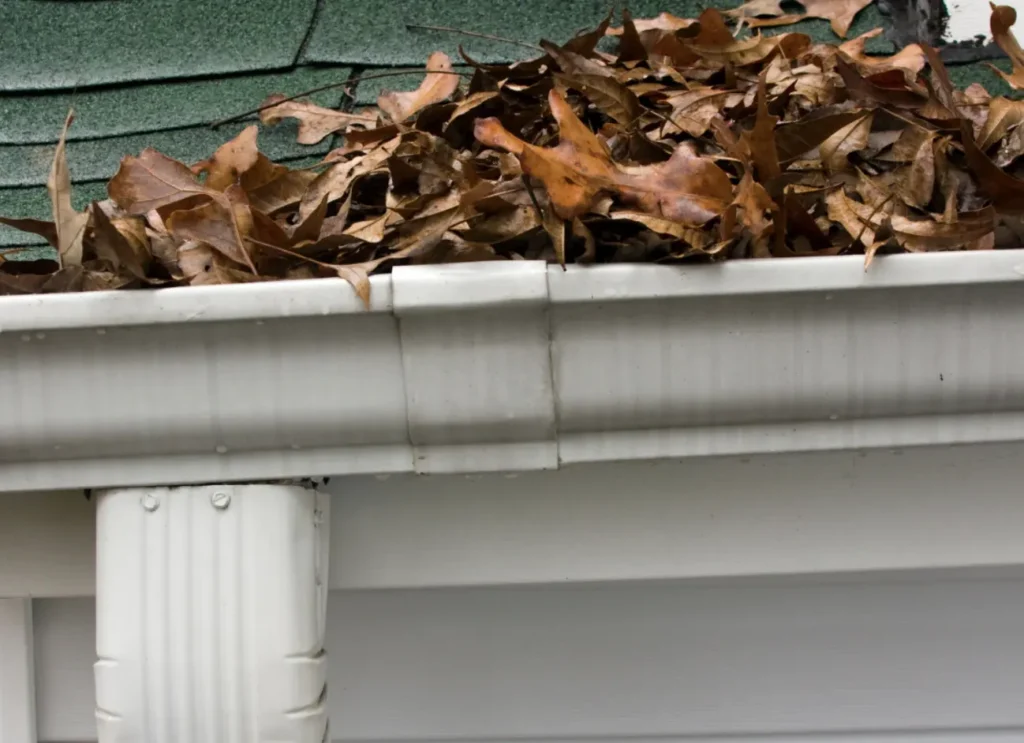
  • Openings around soffits or roof returns
  • Bent or damaged vents

9. Increased Pet Activity in Certain Areas

Pets often detect rodents long before humans do. If your dog or cat is unusually alert, sniffing walls, staring at vents, or pawing at certain areas, they may be picking up on rodent activity you can’t see or hear.

10. Live or Dead Rodents

If you see a rodent, even just one, assume there are more where that came from. Rodents reproduce quickly, especially in warm indoor spaces during the winter months. Catching a single mouse or rat usually means a nest is already established nearby.

Protect Your Home This Winter

It’s important to protect you home every winter as rodents can cause significant issues, including structural damage, contamination of food and surfaces, chewed wiring that leads to fire hazards, damage to insulation, and unpleasant odors throughout the home. The longer a rodent problem goes untreated, the more the infestation grows, especially during colder months when they seek warmth indoors. If you notice any warning signs it’s important to act quickly. A professional inspection is the best way to determine the extent of your rodent problem as well as steps for both removal and long-term prevention.

Our Southwest, FL Service Locations:

5 Reasons Why Rodents are an Issue in Florida During Winter

When is Rodent Season?

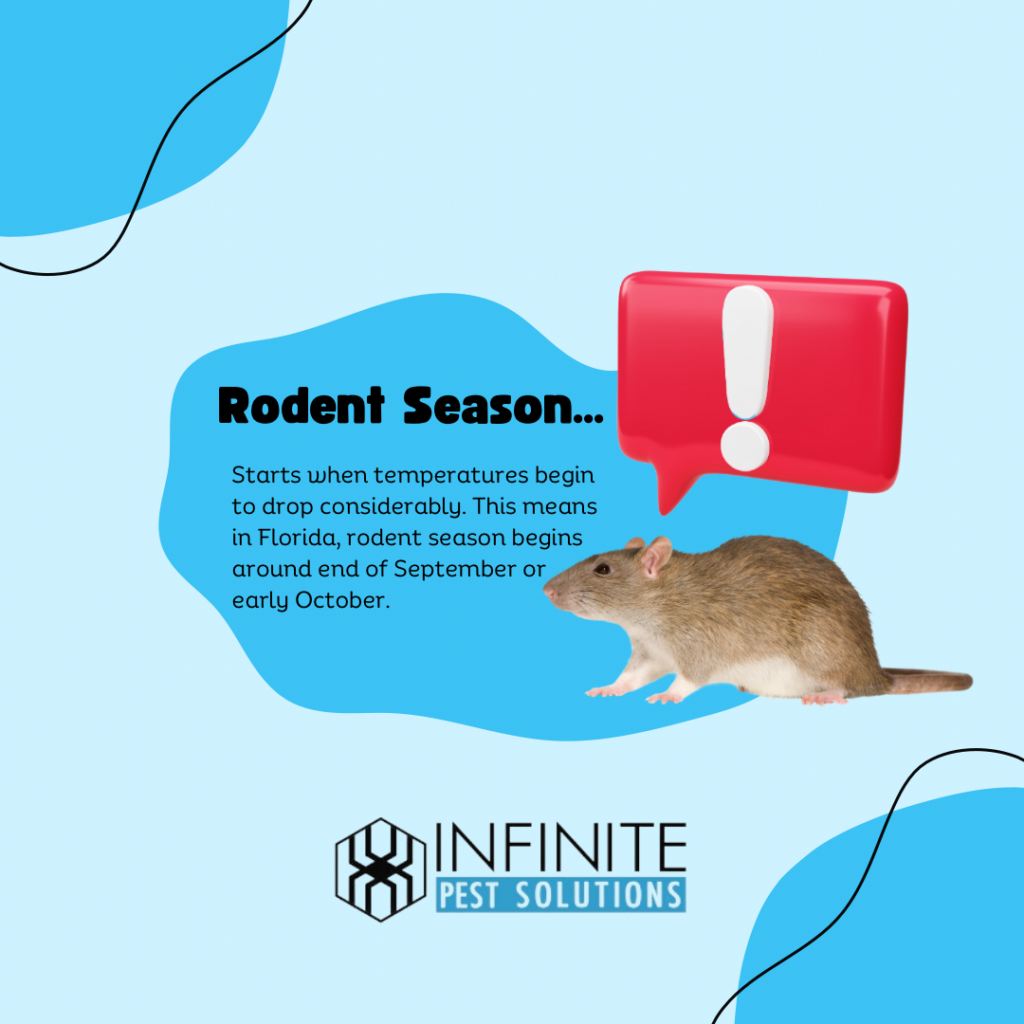
Rodent season typically starts whenever the temperatures in Florida start to drop, which can mean early October to November. The colder months are when an infestation can escalate quickly if the issue isn’t addressed early. Making sure that rodents don’t make their way in during this critical time is essential to save your home from expensive damages and health hazards.

rodent control

 1. Do Rodents Hibernate in the Winter?

As the temperatures start to drop, rodents start searching for somewhere to make a permanent residence. Rodents will find a warm place to nest for the winter without hesitation. These rats and mice are looking for a cozy spot like the attic, crawl spaces, roof eaves/soffits, garages, and even behind appliances. These areas are ideal nesting sites where they can reproduce and store food without being bothered.

2. What Sort of Damage do Rodents Cause?

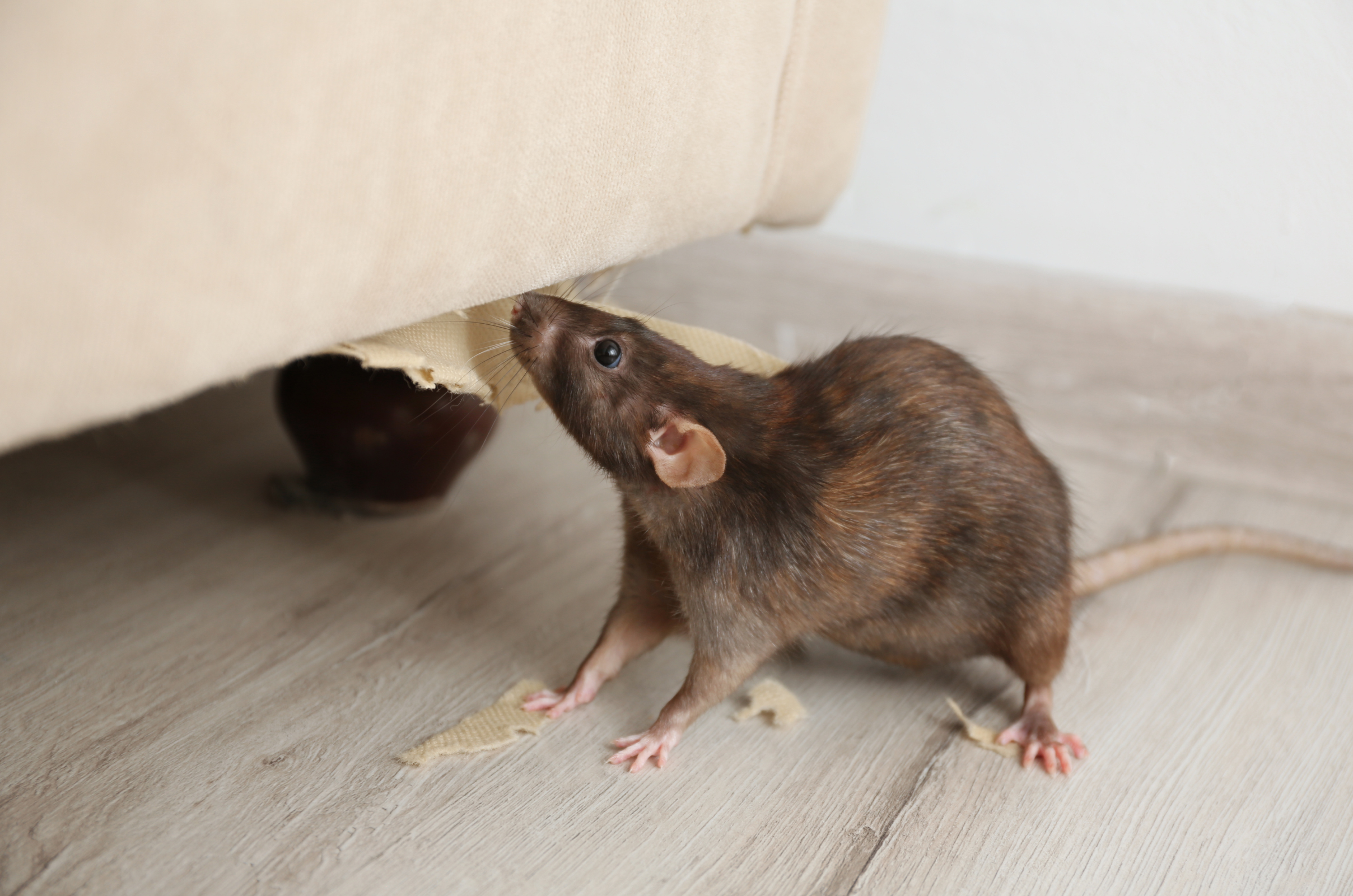
Rodents teeth never stop growing! To keep them filed down they are constantly gnawing, which means they will chew on almost anything in sight. This includes drywall, baseboards, furniture, PVC pipes and electrical wires to name a few. This is a huge danger as exposed wires can short-circuit, causing a fire.

3. What diseases can humans get from rodents?

Rodents are scavenger creatures that leave a trail of contaminants behind everywhere they go. Rodents are known to carry at least 10 different types of diseases that are harmful to humans including:

  • Spirochetal Jaundice
  • Rabies
  • Rat-bite Fever
  • Bubonic Plague
  • Leptospirosis
  • Tularemia
  • Salmonellosis
  • Murine Typhus
  • Ringworm
  • Bacterial food poisoning

They can spread these diseases through their urine, droppings, saliva or bites which are harmful to families and pets. For sensitive individuals and children, the rodents can trigger an allergic reaction and worsen asthma symptoms.

4. How Do I Know There is a Rodent in My Home?

Here are some of the surefire ways you can tell if you have a rodent in your home. 

  • If you are hearing scratching, squealing, or scurrying in the walls, attic, or crawl spaces.
  • Droppings – are small-dark pellets along baseboards, in cupboards, and behind appliances.
  • Gnaw marks on surfaces like wood, plastic, and wiring.
  • Grease marks that can appear along walls or baseboards, because rodents tend to travel the same route.

5. How Can I Prevent a Rodent Infestation?

As soon as you see signs of any rodent droppings or hear scratching at night, it is best to immediately schedule a rodent evaluation to get the scope on the magnitude of the problem. Performing exclusion work is important to seal off any entry points and prevent rodents from making their way back inside. Trimming any trees that are touching a home is great to do as rats use cracks in the walls or foundation to get in. Making sure that any potential food or water sources are removed, and that any pet food is properly sealed. In addition, rodent monitoring and trapping are great methods to eliminate any existing activity before it turns into a full infestation.

Don’t let rodents take over your home this winter. If you’ve noticed any signs of rodent activity, or want to make sure your home is protected before they move in, get a quote today. Our expert team will inspect, identify, and eliminate any rodent problems, quickly, and safely, keeping your home secure all season long.

Our Southwest, FL Service Locations:

Do I Need Rodent Control?

Whether you’ve noticed signs of an infestation or simply want to prevent one, Rodent Control is essential for maintaining a clean and healthy space. But how do you know if it’s time to call in the professionals? Let’s go over the signs that indicate a rodent problem, different types of services, and more.


Signs You Should Call For a Rodent Inspection

Rodents are experts at hiding, so infestations often go unnoticed until they become a bigger issue. Here are some telltale signs that you may need rodent control:

1. Droppings

Rodent droppings are one of the most obvious signs of an infestation. Finding them in your kitchen, pantry, attic, or along baseboards suggests that rodents are present. Mice produce more droppings than rats, and their droppings are smaller. If you find larger droppings, especially near baseboards or in secluded areas, you may be dealing with rats.

2. Gnaw Marks and Chewed Wires

Rodents have strong teeth that constantly grow, leading them to chew on almost anything—wood, plastic, electrical wiring, and even drywall. If you notice gnaw marks on furniture, wires, or food packaging, it’s time for an inspection.

3. Scratching Noises

Hearing scratching or scurrying noises in walls, ceilings, or attics at night is a strong indication of rodent activity. Mice and rats are nocturnal and tend to be most active when the house is quiet.

4. Nesting Materials

Rodents build nests using shredded paper, insulation, fabric, and other soft materials. Discovering hidden nests in attics, garages, or behind appliances is a clear sign of an infestation.

5. Grease Marks and Tracks

Rodents leave behind oily marks along walls and floors from their fur. You may also spot tiny footprints or tail drag marks in dusty areas.

6. Unusual Pet Behavior

If your pets start staring at walls, barking at empty spaces, or sniffing around baseboards more than usual, they may be detecting rodents. Pets have stronger senses and can alert you to activity you might not see.

If you’ve noticed any of these signs, call our licensed professionals right away!


What Type of Rodent Control Do I Need?

Rodent control isn’t just about setting traps. It involves a strategic approach to monitor, capture, and prevent rodents from entering your home.

Rodent Monitoring

We offer rodent monitoring which involves placing bait stations in key areas to detect activity. This is especially useful for early detection before a full-blown infestation occurs. We will keep your stations full of bait and make sure the rodents won’t be roaming around your home.

Rodent Trapping

After a thorough inspection, if we confirm activity, we will implement targeted trapping methods depending on the situation. Trapping is an effective method for eliminating active rodents inside your home.

Rodent Exclusion

Eliminating existing rodents is only half the battle. Exclusion focuses on sealing entry points to prevent future infestations. Common exclusion methods include:

• Sealing cracks and holes in walls, foundations, and around pipes

• Installing rodent-proof mesh over vents and chimneys

Rodent exclusion is crucial for long-term protection, ensuring that once the pests are gone, they stay gone.


Rodents can quickly turn from a small nuisance to a major problem if left unchecked. Whether you need monitoring, trapping, or exclusion services, we provide customized solutions to keep your home rodent-free.

There’s no need to stress when we are here to put the rodent problem to rest. Contact us today for a thorough inspection and expert rodent control in Southwest Florida and Orlando!

Types of Pests Found in Homes

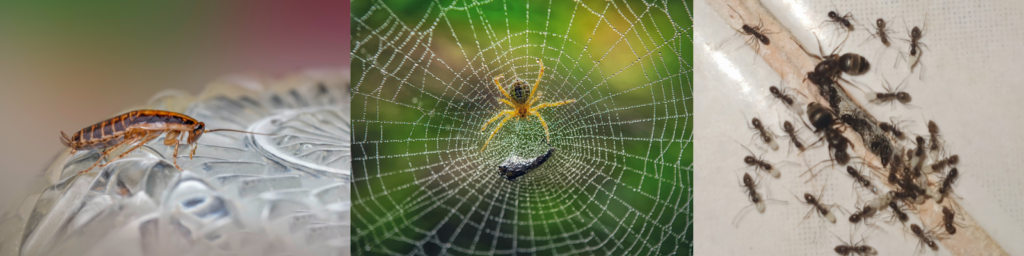
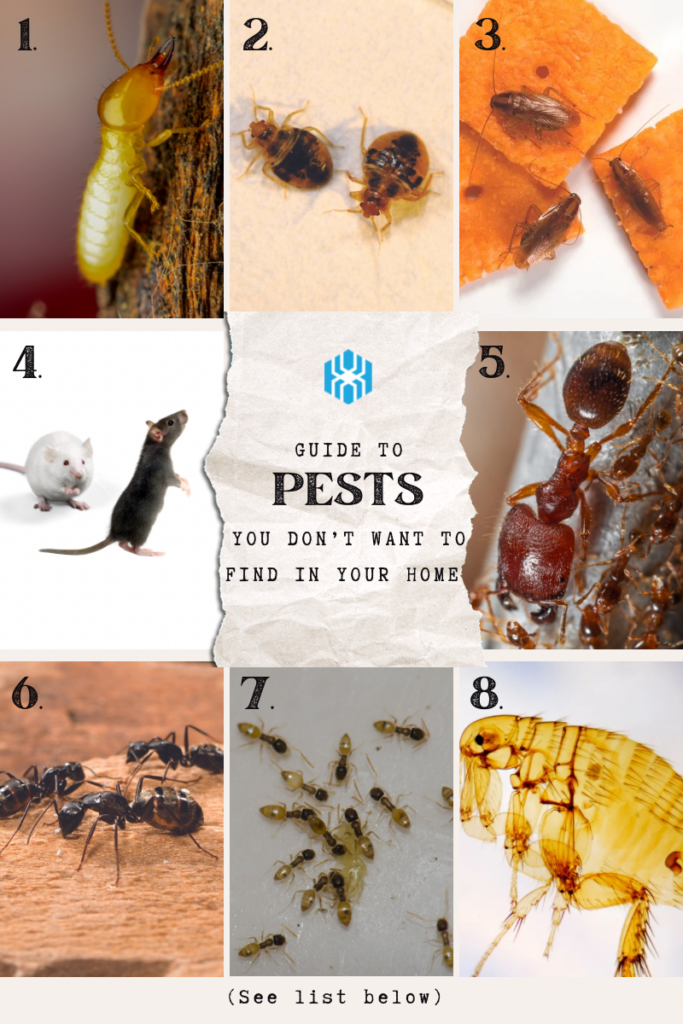
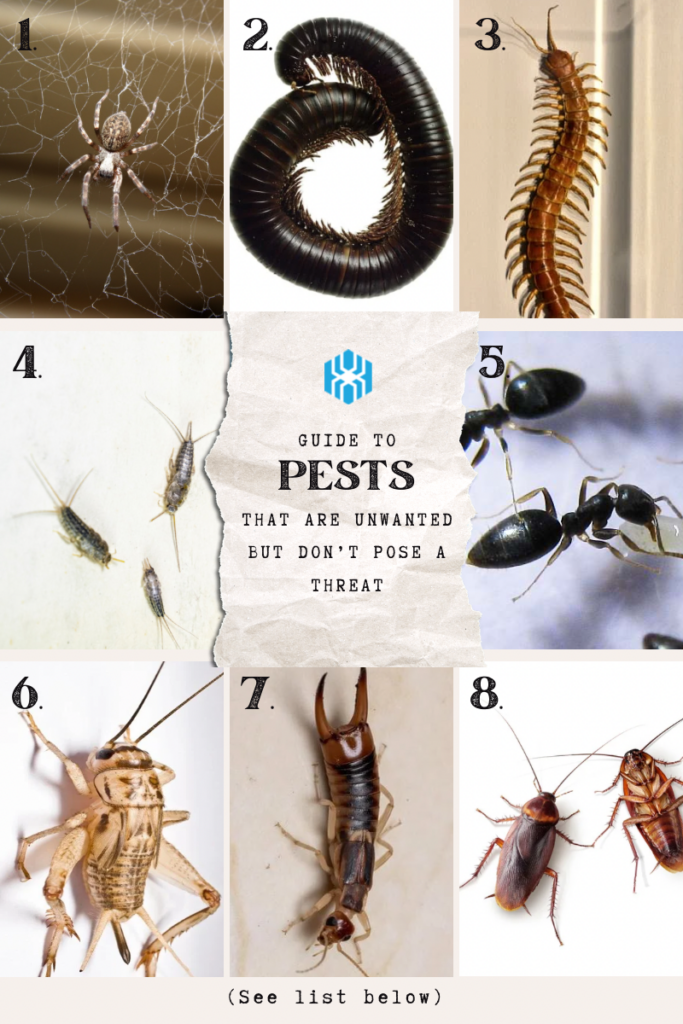
If you live in Florida, you are well aware of the year round pests that can make our outdoor living space feel like a war zone against bugs. But the last place you want to find a bug is inside your home. There are many different types of pests that can be found in a home, but are you able to identify them? The importance of identifying what type of pest could be in your home can help you eliminate the possibility of there being a larger issue at hand, an infestation. That is why we are here to help give you a quick guide to the unwanted guests you should have concerns about being in your home versus bugs that may have come inside by mistake.

The most important type of pests to know are the kinds that wreak havoc in or on your interior living space – from eating away at the structure to an uninvited move-in. Here we will identify pests that you won’t want to find in your home, but if you do, you will want to take further action with Infinite Pest Solutions.

  1. Termites
  2. Bed Bugs
  3. German Roaches
  4. RodentsMice and Rats
  5. Big Headed Ants
  6. Carpenter Ants
  7. Ghost Ants
  8. Fleas

On the other hand, there are a number of common household pests in Florida that do not pose such a threat on your living space. Although these pests do not cause a threat to your environment, they can still be a nuisance and are typically unwanted. There can be a number of reasons why these critters have made their way into your Florida home – from a door or window being left open one second too long to cracks and crevices that have gone unnoticed.

  1. House Spiders
  2. Millipedes
  3. Centipedes
  4. Silverfish
  5. White footed ants
  6. House crickets
  7. Earwigs
  8. Palmetto Roach

With these guides, you can determine if you’re in need of immediate solutions or can rest easy knowing a critter entered by mistake. If you still find yourself unsure, that is why we are here for you! An Infinite expert can be at your door within the same day or next for a thorough inspection and a customized pest control plan to get rid of the pests. What bugs you, bugs us!

Our Southwest, FL Service Locations:

Protect Your Home from Rodents this Winter

Tips on how to prevent a rodent home invasion

Winter in Southwest Florida may not bring snow and freezing temperatures, but it does come with its unique challenges, including the potential for rodent invasions. As temperatures drop, rodents seek shelter and food indoors, making it essential to take preventive measures with rodent control. Infinite Pest Solutions is here to provide tips on how to keep your Southwest Florida home rodent-free during the winter months.

1. Seal Entry Points:

While Florida’s winters are mild, rodents still look for warm havens. Infinite Pest Solutions will inspect your home for any openings and gaps in doors, windows, walls, and the foundation. If you happen to find any gaps, easily accessible, you can seal these entry points using weatherstripping, caulk, or steel wool to keep rodents out.

2. Maintain Cleanliness:

Rodents are attracted to food sources, so it’s crucial to keep your home clean. Regularly sweep and mop floors, clean up crumbs, and store food in airtight containers. Even in the moderate winter, pests can be active, so diligence is key.

3. Secure Your Trash:

Proper trash management is essential year-round. Use trash cans with secure lids and avoid leaving bags of trash outside overnight. Rodents are opportunistic feeders and will gladly help themselves to your garbage.

4. Trim Landscaping:

Keep trees, shrubs, and other landscaping elements away from your home. Overhanging branches and shrubs can provide rodents with easy access to your roof and attic.

5. Remove Attractants:

Bird feeders and compost bins are appealing to rodents. If you have them, place them at a distance from your home and use rodent-resistant containers for birdseed and compost.

6. Pest-Proofing:

At Infinite Pest Solutions, we will set up bait stations in areas where we see and/or suspect rodent activity, such as attics, around the perimeter of the home, and/or the garage. These measures can serve as an early warning system and help control potential infestations. 

7. Regular Inspections:

Frequent inspections are essential. Look for signs of rodent activity, including droppings, chewed items, or nests. Contact Infinite Pest Solutions to address any issues promptly to prevent a small problem from becoming a larger one.

Do I really need rodent control?

Yes. If you really want to never see a rodent in your home, you will need rodent control. This is a crucial preventative measure to take for your home as it allows you to stay safe from infestations.

By following these tips and taking proactive steps to prevent rodent invasions, you can enjoy a peaceful and rodent-free winter season. Remember, prevention is the key to keeping your Southwest Florida home rodent-free during the cooler months, ensuring a comfortable and trouble-free winter.

Our Southwest, FL Service Locations: