

Infinite Pest Solutions Named “Best of 2025 San Carlos Park”

Award Winner for Pest Control Services

FOR IMMEDIATE RELEASE

Fort Myers, FL — December 30th, 2025 — Infinite Pest Solutions is proud to announce that it has been officially recognized as the Best of 2025 San Carlos Park Award Winner in the Pest Control Service category. This prestigious recognition highlights the company’s ongoing commitment to exceptional service, customer satisfaction, and reliable pest control solutions for homeowners and businesses throughout the San Carlos Park community.

The Best of San Carlos Park Award is presented to businesses that consistently demonstrate excellence in their industry, based on customer satisfaction, service quality, and community reputation. Winning this award in 2025 places Infinite Pest Solutions among the most trusted and highly regarded pest control providers in the area.

“We are incredibly honored to receive the Best of 2025 San Carlos Park Award,” said Annie Quinn of Infinite Pest Solutions. “This recognition reflects the trust our customers place in us every day and the dedication of our team to delivering high-quality, effective, and pet-friendly pest control services. San Carlos Park is a community we’re proud to serve, and this award means everything to us.”

The Best of 2025 award further reinforces Infinite Pest Solutions’ position as a leading pest control provider in San Carlos Park and surrounding Southwest Florida communities. The company remains committed to continuing its high standards of service while expanding its impact within the local community.

About Infinite Pest Solutions

Founded in 2017, Infinite Pest Solutions is a Florida-based pest control company proudly serving homeowners and businesses throughout Southwest Florida and the Greater Orlando area. We specialize in comprehensive, pet and eco-friendly pest control services—including General Pest Management, Rodent Control, Termite Protection, Mosquito Reduction, German Roach Clean Outs, and Advanced Spider treatments for screened-in lanais and pool cages.

With over 2,000 five-star reviews, Infinite Pest Solutions is known for its commitment to quality, customized solutions, and exceptional customer care. Our team of trained professionals goes above and beyond to keep homes pest-free while prioritizing safety and peace of mind. What bugs you, bugs us! 

For more information about Infinite Pest Solutions or to schedule service, visit www.infinitepest.com or call 239-208-9918.

Our Southwest, FL Service Locations:

What Is the Main Cause of Bed Bugs?

Bed bugs don’t appear out of nowhere. In almost every case, bed bugs are introduced into a home, not created there. Understanding how they enter your home is the first step to stopping an infestation before it spreads.

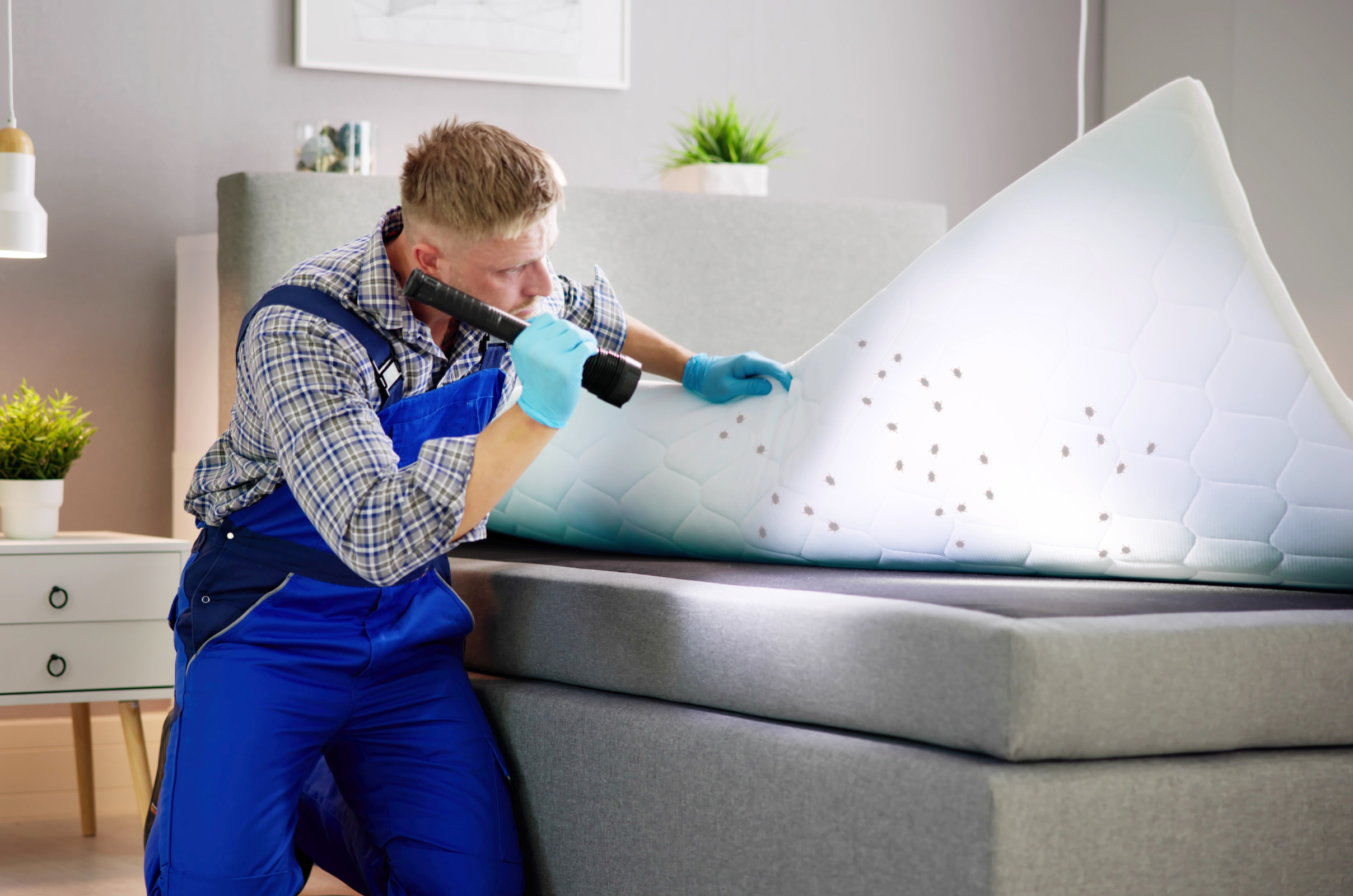
how do you check for bed bugs

What are Bed Bugs?

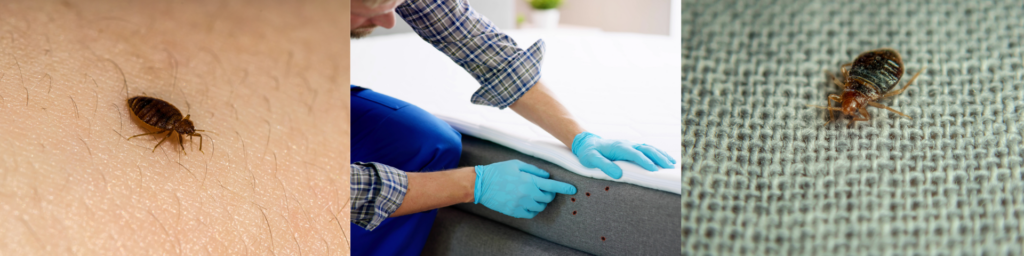
A bed bug is a small, flat, reddish-brown insect that feeds on human blood. They are nocturnal pests that will have you itching by morning.

Why Do Bed Bugs Spread So Easily?

One of the biggest reasons infestations worsen is delayed treatment. Many people assume bites are from mosquitoes, allergies, or spiders and wait weeks before taking action.

Bed bugs are small, flat, and excellent at hiding. They don’t need food crumbs or unsanitary conditions to survive, they only need access to people. Once inside a home, they hide in mattress seams, furniture joints, baseboards, and cracks, often going unnoticed until the population grows.

The Real Risk Aren’t the Bites, It’s the Infestation

While bed bug bites are uncomfortable and itchy, the bigger issue is how quickly bed bugs multiply and spread throughout a home. It is important that people know how to check for bed bugs, in order to see the magnitude of the infestation. The longer they go untreated, the more rooms they invade and the more extensive treatment becomes.

The Most Common Cause is Hitchhiking

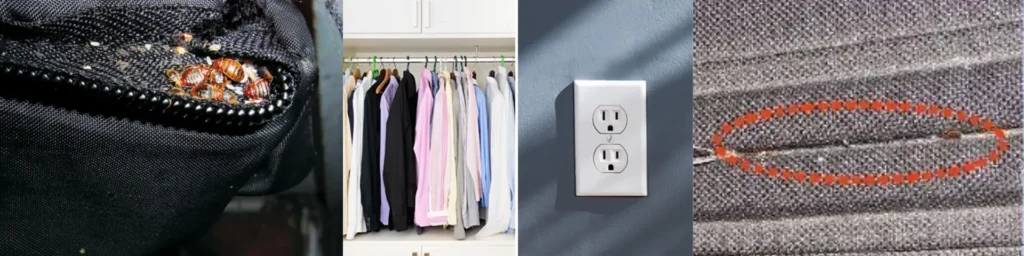
The number one cause of infestations is bed bugs being carried in from somewhere else. They are expert hitchhikers, meaning they’ll latch on to you from one location to the next. Hiding in luggage, clothing, purses, backpacks, furniture, and even electronics. Once they find a new place to hide, they settle in quickly.

Customers are often surprised to learn that bed bugs don’t come from poor hygiene or unclean living conditions, contrary to the common myth. They are just as likely to be found in a clean and well-maintained home as anywhere else.

Travel Is a Major Contributor

Travel is one of the most common ways bed bugs spread. Hotels, vacation rentals, cruise ships, airports, and public transportation all see high turnover of people and belongings. Even a short overnight stay can be enough for bed bugs to crawl into a suitcase and make their way back home.

Guests and Shared Spaces

Bed bugs can also be introduced by visitors in your home. Overnight guests, shared living spaces, and close contact in places like apartments, dorms, or multi-family housing increase the risk. Bed bugs move easily between units through walls, electrical outlets, and shared hallways, making early detection especially important.

Used Furniture and Belongings

Another common cause is secondhand furniture or items. Mattresses, couches, bed frames, and even nightstands can harbor bed bugs and their eggs. Without proper inspection, these items can introduce bed bugs directly into the home.

Why Professional Treatment Matters

Effective bed bug control requires more than surface treatments because DIY treatments don’t address the root cause. Bed bugs and their eggs are well hidden, and improper treatments can push them deeper into walls and furniture. Professional treatment focuses on identifying bed bugs as well as all harborage areas, eliminating active bugs, and interrupting the life cycle to prevent reinfestation, which is key to long-term control.

If you suspect bed bugs, acting quickly can prevent a small issue from turning into a major infestation. Contact us today for a thorough inspection and expert bed bug control in Southwest Florida and Orlando!

Our Southwest, FL Service Locations:

10 Signs You May Have Rodents in Your Home This Winter

When the temperatures drop and wintertime approaches, rodents start searching for warm and safe places to nest. Unfortunately, that makes your home a perfect hotspot for them to retreat to. Mice and rats can sneak through tiny openings and begin to cause damage before you even know they’re there.

Knowing if you even have an infestation is the first step in being rodent-free. If you’re wondering whether you might be dealing with rodents this winter, here are the top 10 warning signs homeowners should never ignore.

rodents in winter 2025

1. Droppings in Hidden Areas

Rodent droppings are one of the most obvious signs of activity. When they’re fresh, the droppings are often dark and moist, whereas older ones are usually dry, discolored and crumbly.

You are likely to find them:

  • In cabinets or pantries
  • Behind appliances
  • In the garage
  • In the attic

2. Scratching, Scurrying, or Noises in the Walls or Attic

Hearing movement at night is another huge red flag. Rodents are most active at night, so noises after dark are often a sign of nesting nearby.

Common sounds include:

  • Scratching
  • Light scurrying noises
  • Thumps or movement overhead in the attic

3. Gnaw Marks on Food Packaging or Stored Items

Rodents chew constantly to keep their teeth short. If you notice food disappearing or packages that look bitten up or boxes that look tampered with, it’s probably a good idea to investigate.

You may see:

  • Holes in food bags or boxes
  • Chewed pet food containers
  • Bite marks on cardboard, plastic, or wood

4. Urine Odor or Musky Smell

Rodent urine has a strong, unpleasant odor that gets worse as an infestation grows. If you smell something unusual and deeply unpleasant, but can’t pinpoint the source, rodents may be the reason. Homes with larger rodent populations often develop a noticeable musky smell.

Commonly strongest in:

  • Pantries
  • Closets
  • Attics
  • Garages

5. Nesting Materials

Nests are often hidden in attics, wall voids, closets, and storage areas. Rodents build nests using whatever soft materials they can find.

Such as:

  • Insulation
  • Shredded paper or cardboard
  • Fabric
  • Leaves, debris, or other natural materials

6. Grease Marks Along Baseboards or Walls

Rodents typically travel along the same paths, so if you spot dark marks along walls or around small openings, they may be frequently traveling that route.

As they squeeze through tight areas, the oils on their fur leave:

  • Dark smudge marks
  • Oily streaks
  • Grease trails

7. Chewed Wires or Damage to Insulation

Rodents chew on anything, especially electrical wiring. Chewed wires are a major fire hazard, making this one of the most serious signs to watch for.

Signs include:

  • Exposed wires
  • Bite marks on cables
  • Damaged insulation in the attic

8. Small Holes or Gaps Around the Home

Rodents can enter your home through the smallest openings. Even a hole the size of a quarter is big enough for mice to enter.

Look for:

  • Gaps under garage doors
  • Holes near the AC chase
  • Openings around soffits or roof returns
  • Bent or damaged vents

9. Increased Pet Activity in Certain Areas

Pets often detect rodents long before humans do. If your dog or cat is unusually alert, sniffing walls, staring at vents, or pawing at certain areas, they may be picking up on rodent activity you can’t see or hear.

10. Live or Dead Rodents

If you see a rodent, even just one, assume there are more where that came from. Rodents reproduce quickly, especially in warm indoor spaces during the winter months. Catching a single mouse or rat usually means a nest is already established nearby.

Protect Your Home This Winter

It’s important to protect you home every winter as rodents can cause significant issues, including structural damage, contamination of food and surfaces, chewed wiring that leads to fire hazards, damage to insulation, and unpleasant odors throughout the home. The longer a rodent problem goes untreated, the more the infestation grows, especially during colder months when they seek warmth indoors. If you notice any warning signs it’s important to act quickly. A professional inspection is the best way to determine the extent of your rodent problem as well as steps for both removal and long-term prevention.

Our Southwest, FL Service Locations:

Hornets vs Wasps

Understanding the Differences and How to Protect Your Home

Hornets and wasps are frequently confused—both are flying, stinging insects that can be a nuisance around homes, especially during Florida’s warm, humid seasons. However, telling them apart is more than just trivia—it’s essential for choosing the right prevention and protection strategy for your family and home.

 Are Hornets and Wasps the Same?

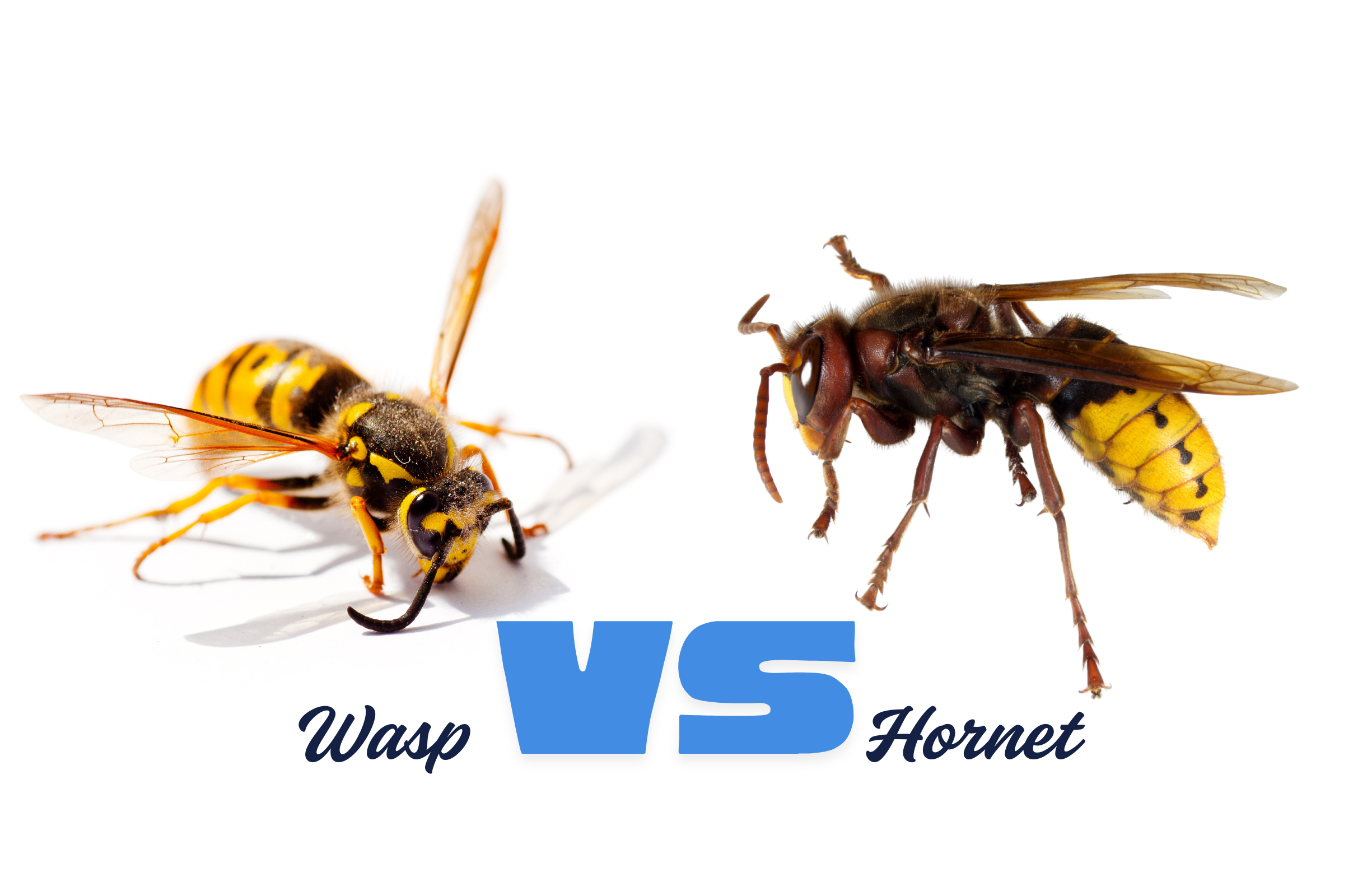
Not exactly. All hornets are wasps, but not all wasps are hornets. “Wasp” is a broad category that includes species like paper wasps, yellowjackets, and mud daubers. Hornets are a specific type of wasp, with the European hornet being the most recognized species in parts of the southeastern U.S., including Florida.

Identifying Wasps and Hornets

Wasps 

  • Slender, narrow “waist” between thorax and abdomen
  • Typically a black and yellow color
  • Have a narrow “waist” between the thorax and abdomen, which gives them an elongated shape.
  • Common in Florida: Paper wasps, mud daubers, and yellowjackets

Hornets

  • Larger than wasps, measuring 1–2 inch in length
  • Black and white or black and brown, sometimes with yellow (varies by species)
  • Have a more rounded abdomen

In Florida, you’re more likely to see paper wasps and yellowjackets than hornets, but hornets can still appear—especially the European hornet, which has been growing in presence in parts of the Southeast.

Behavior Differences

Wasps are highly defensive and will sting when their nest is approached—even if you’re not directly threatening them. In late summer, they’re especially aggressive due to dwindling food sources.

Hornets, on the other hand, are typically more reserved. However, if their nest is disturbed, they become extremely dangerous. They can release pheromones that trigger group attacks—meaning multiple stings in a matter of seconds.

Nesting & Colony Behavior

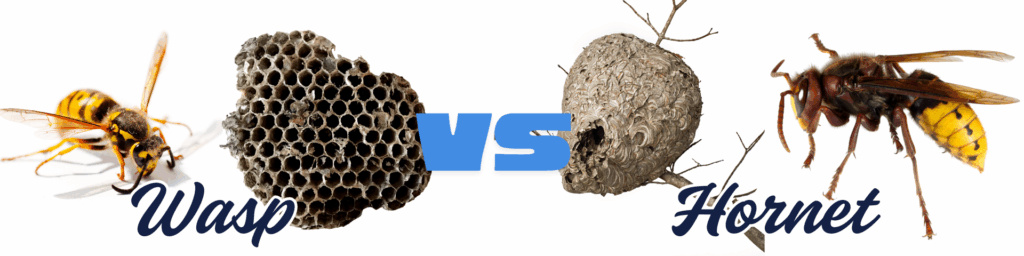
Wasps prefer to build open or underground nests near human structures, like eaves, soffits, garages, and bushes. Their colonies are smaller than hornet colonies but can be widespread. The presence of a visible nest or active wasps nearby is usually the first sign of an infestation. Wasps often build nests that are umbrella-shaped with visible hexagonal cells which are usually attached to eaves or branches. The nests are made out of a papery substance with a grayish layered appearance. Florida’s humidity encourages quick nest growth, and many homeowners notice sudden increases after heavy rain.

Hornets build large, enclosed nests that are often tucked away in trees, attics, porches, or under eaves. Their colonies can contain hundreds of hornets, but encounters with humans are less frequent because the nests are hidden. Observing hornets entering or leaving a nest is the most common indication of an infestation. Hornets often build spherical or oval-shaped nests that are gray or brown in color with a smooth, papery exterior.

What to Expect With Stinging

Wasp stings are sharp and cause immediate pain, redness, swelling, and itching. Although generally less intense than hornet stings, they can still be painful and trigger allergic reactions in sensitive individuals. Wasps can sting multiple times without dying.

Hornet stings are particularly painful because their venom is stronger, causing burning, swelling, redness, and heat around the sting site. The sting often leaves a noticeable welt and significant inflammation, and allergic reactions are possible. Like wasps, hornets can sting multiple times without dying.

What Are Mud Daubers?

Mud daubers are a commonly seen wasp in Florida. While they are far less aggressive than wasps or hornets and rarely sting, they create a different kind of issue. These wasps build mud tube nests on walls, doors, ceilings, and soffits. Once the mud nest hardens, it can stain in the paint on your home and leave permanent marks. If the nests are removed improperly, they can also cause paint chipping or discoloration. Even though mud daubers aren’t typically dangerous, homeowners should still have their nests professionally removed to protect their home’s exterior.

Professional Removal and Prevention

Removing wasp and hornet nests on your own, can be dangerous. Wasps are aggressive and territorial, and hornets have stronger venom and larger colonies, making DIY removal extremely risky. The safest and most effective way to protect your home is through professional pest control.

At Infinite Pest Solutions, our trained licensed technicians can safely locate nests, remove active colonies, and apply targeted treatments to prevent these insects from returning. Regular pest control not only eliminates existing nests but also creates a protective barrier around your home to reduce the risk of future infestations.

Our Southwest, FL Service Locations: