
How to Spot Termite Swarms and What to Do

Expert Advice from Infinite Pest Control | Serving Orlando & Southwest Florida

If you’ve ever spotted a cloud of winged insects suddenly emerging from your walls, floors, or yard — and felt your stomach drop — you’re not alone. Termite swarms are one of the most alarming things a Florida homeowner can witness. And yet, many people brush it off, assuming it’s just flying ants or a one-time event.

Here at Infinite Pest Solutions, we’ve been responding to termite swarm calls across Orlando and Southwest Florida since 2017. In that time, we’ve seen what happens when homeowners act fast — and what happens when they don’t. Spoiler: termites don’t take days off, and neither does the damage they cause.

In this post, we’ll walk you through everything you need to know: what swarming termites look like, when termites swarm in Florida, how long termite swarms last, what to do the moment you spot one, and why acting quickly is the single most important thing you can do to protect your home.
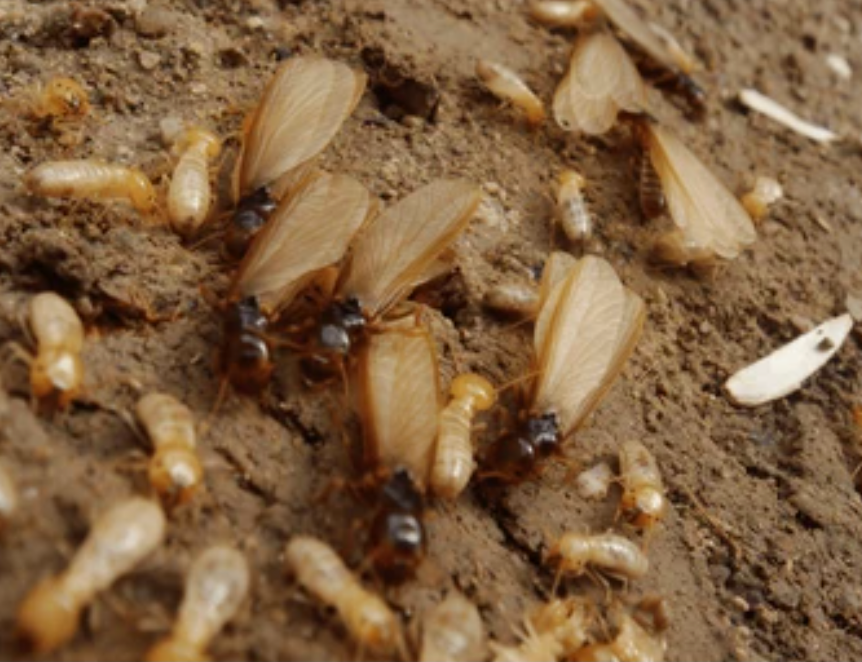
Do Termites Swarm? What Does a Swarm Actually Mean?

Yes, absolutely, and it’s one of the clearest warning signs that a colony is active on or near your property.

Termite swarmers are the reproductive members of a termite colony. When a colony matures, it produces winged termites that fly out in large numbers to mate and establish new colonies. The swarm itself is short-lived — but what it signals is serious: there is already an established colony nearby.

Many homeowners see a swarm and breathe a sigh of relief once the insects disappear. But the swarm is the symptom, not the problem. The colony behind it is.

What Do Swarming Termites Look Like?

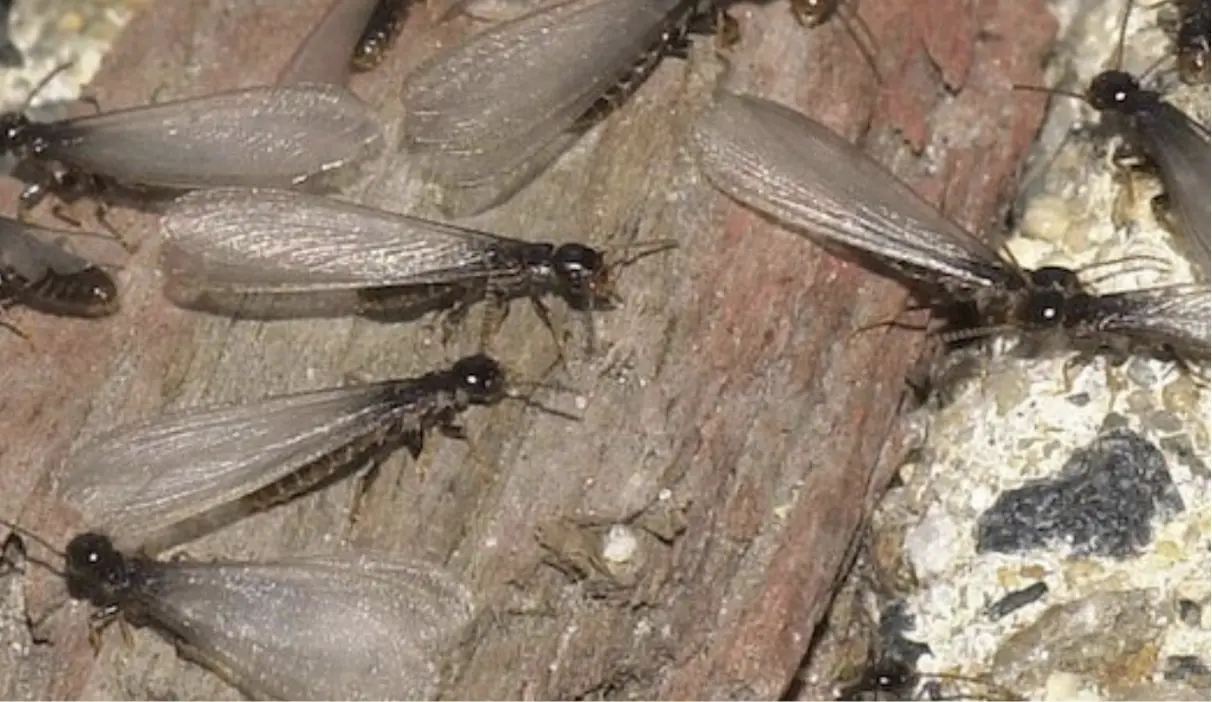
One of the most common questions we get — right after a panicked call — is: “Are these termites or flying ants?” It’s a fair question. Both swarm, both have wings, and in a moment of panic, they look almost identical.

Here’s the simplest way we explain it to customers: count the body sections.

  • Termite swarmers have 2 distinct body segments (head and abdomen — the waist is barely visible)
  • Ant swarmers have 3 distinct body segments, including a pinched, narrow waist
  • Termite wings are equal in length and extend well past the body
  • Ant wings are unequal — the front pair is longer than the rear pair
  • Termite antennae are straight; ant antennae are elbowed

When customers text us a photo (which we always encourage), we can usually make a positive ID within minutes and get an inspection on the calendar right away. If you’re ever unsure, snap a picture and send it to us — don’t spray anything in the meantime.

When Do Termites Swarm? (And When Do Termites Swarm in Florida?)

Timing varies by species — and in Florida, you need to know both.

Subterranean Termites

Subterranean termites are the most destructive species in the state, and they’re the ones we deal with most across Orlando and Southwest Florida. Based on what we see every year on the ground, subterranean swarmers typically emerge:

  • Late February through March — the early wave, often triggered by warm weather after a cool stretch
  • April through May — peak swarming season for subterranean species
  • Occasionally into early summer — depending on rainfall and temperature patterns

Swarms often happen after rain, on warm days, usually in the late morning or early afternoon. If you see a swarm inside your home, it almost always means the colony has breached the structure.

Drywood Termites

Drywood termites follow a different calendar entirely. In Florida, drywood swarmers are most active:

  • Starting in summer (June–July)
  • Continuing through fall (August–October)

Drywood termites don’t need soil contact — they live directly inside wood, which makes them particularly insidious. You might see their pellets (frass) before you ever see a swarm.

Florida Tip: We’re seeing a significant increase in termite activity across the state in recent years. If you live anywhere in Florida — especially in the Orlando metro or Southwest Florida — it’s not a matter of if termites find your home, but when.

How Long Do Termite Swarms Last?

This is one of the most searched questions we see — and the answer is both reassuring and sobering.

The actual swarm event itself is brief. Most termite swarms last anywhere from 20 minutes to a few hours. Individual swarmers that end up inside your home will die on their own within a matter of hours — they’re not equipped to survive without their colony.

So in terms of how long termite swarms last visually: not long. But here’s where people make a critical mistake — they assume that because the swarmers are gone, the problem is gone.

“Termites work 24 hours a day, 7 days a week. They do not sleep. Within a few hours to a couple days, new colonies can begin to establish. Waiting is never the right answer.” – Douglas Parker, Infinite Tech

We had a customer this year whose swarmer activity appeared in their mulch beds outside. We alerted them. They decided to wait. By the time they called us back, the swarmers had shed their wings and begun colonizing right there on the property. That’s how fast it can happen.

Real Cases We’ve Seen: What Termite Damage Actually Looks Like

Case 1: The Drywood Discovery — Our First No-Tent Treatment

Just last month, a customer called us about what looked like small pellets (frass) in their office and near a piece of furniture just outside the room. When we arrived, we found wings left over from a past swarm that had gone unnoticed.

The customer had already removed the furniture and taken out built-in shelving — and that’s when it got serious. Behind the shelves, termites had gotten into the wall itself.

We performed a no-tent treatment covering the attic, window and door frames, and spot-treated the wall where exit holes were present. They’re now on a monthly warranty plan — if any new spots show up anywhere in the home, we come back and treat at no additional charge.

The lesson here: had they caught the swarm when it happened, the damage might have been contained to that one piece of furniture. Ignoring wings on the floor costs more than an inspection.

Case 2: Active Subterranean Infestation — Lehigh Acres

A realtor called us to inspect a home her client was preparing to sell. What we found was one of the worst active subterranean termite jobs we’ve seen in a long time.

There were active mud tubes in multiple locations inside the home — including the attic. Subterranean termites build these mud tubes as highways between the soil and the wood they’re feeding on. When you see them, the colony isn’t new.

We installed a Sentricon system with above-ground bait stations inside and the standard exterior stations around the perimeter. At the first follow-up visit, our technician John confirmed termites were actively feeding on the bait — which means the process of eliminating the colony has already begun. We’ll continue to monitor.

Case 3: Subterranean Swarmers in the Yard — Proactive Protection

Several customers this year have called about seeing subterranean swarmers outside — in their yards, around their foundations, or near mulch beds. In a few of these cases, we went out personally, did a full interior and exterior inspection, and found no evidence of active damage inside the home.

But here’s the thing: we knew there were active colonies on the property. Swarmers don’t appear out of nowhere. So even without interior damage, we got those homeowners set up with Sentricon to create a protective barrier around their homes before the termites ever had a chance to get inside.

Prevention is always cheaper than treatment.

How to Get Rid of Swarming Termites: What to Do (and What NOT to Do)

What NOT to Do

When that swarm panic hits, most people want to grab a can of Raid and start spraying. We get it — it feels like doing something. But please, don’t.

  • Do NOT spray the swarmers with over-the-counter products. DIY termite products are not designed for termites and almost always make the situation worse — they can scatter the colony and make professional treatment more difficult and less effective.
  • Do NOT seal any holes or entry points yourself. You may trap termites inside or block access that a technician needs to properly treat.
  • Do NOT throw away the dead swarmers or shed wings. Save a few in a bag or take a photo — they help us make a positive identification and choose the right treatment approach.
  • Do NOT ignore wings on the floor. Shed wings are one of the most overlooked signs of termite activity. If you’re finding them in your home, something is going on — period.

What TO Do

  • Let the swarmers die on their own if they’re inside — they will, within hours. You can vacuum them up once they’re dead.
  • Save a few swarmers or take a clear photo and send it to a professional for identification.
  • Call a licensed pest control company immediately and schedule an inspection — the swarm tells you there’s a colony. The inspection tells you where it is and how bad it’s gotten.
  • Get protection in place regardless of whether damage is found. If swarmers are on your property, a colony is there too.

At Infinite Pest Control, we send a licensed technician to every inspection — not a salesperson. You get real answers from someone who actually knows what they’re looking at.

Why Acting Fast Matters More Than You Think

We can’t stress this enough: termites never stop working. They operate 24 hours a day, 7 days a week, without rest. A new termite pair that sheds its wings and begins colonizing today can cause measurable structural damage within 24 hours under the right conditions.

One of the hardest conversations we have is with homeowners who waited. They saw the swarm, assumed it was nothing, and called us weeks later with mud tubes running up their walls or damage inside their floors. At that point, treatment is more invasive and more expensive — and some of the damage may be permanent.

Florida’s warm, humid climate is essentially paradise for termites. We are one of the highest-risk states in the country for termite damage. If you live here, this isn’t a hypothetical risk — it’s a question of when, not if.

Spotted a Swarm? Here’s Your Next Step.

If you’ve seen swarmers — whether inside your home, on your porch, in your yard, or around your foundation — don’t wait. Don’t spray. Don’t assume it’ll go away.

Call Infinite Pest Control for a free inspection. We’ll send a real, licensed technician to your home — not a salesperson — to evaluate what you’re dealing with and give you honest answers about your options.

Whether it’s setting up a Sentricon system to protect your home before damage starts, or treating an active infestation that needs to be addressed now, we’ll build a plan that fits your situation.

📞 Serving Orlando and Southwest Florida | Free Inspections | Monthly Warranty Plans Available

Frequently Asked Questions: Termite Swarm FAQ

When do termites swarm?

Subterranean termites swarm late February through May (sometimes early summer). Drywood termites swarm summer through fall.

When do termites swarm in Florida specifically?

In Florida, subterranean swarms begin as early as late February. Drywood swarms peak from June through October. Florida’s warm climate means a longer overall swarm season than most states.

How long do termite swarms last?

The swarm event itself lasts 20 minutes to a few hours. Swarmers inside your home will die on their own within hours. But the colony that produced them doesn’t stop — ever.

How long do termites swarm (season)?

In Florida, between both species, you can see swarm activity from late February all the way through October. There is no true “off season” in our climate.

Do termites swarm inside the house?

Yes. If swarmers are emerging inside your home, it almost certainly means the colony has breached the structure. This requires immediate professional attention.

What do swarming termites look like vs flying ants?

Termites have 2 body sections, straight antennae, and equal-length wings. Ants have 3 body sections, elbowed antennae, and unequal wings. When in doubt, send a photo.

How to get rid of swarming termites?

Do not spray. Let them die naturally, save a few for ID, vacuum up the dead ones, and call a licensed pest control professional for an inspection and treatment plan.

Our Southwest, FL Service Locations:

How Often Should I Schedule Pest Control Services?

One of the most common questions we hear from homeowners is:

“How often should I schedule pest control services?”

When it comes to professional pest control services, the honest answer is that it depends on your tolerance for pests, the type of pest problem you’re experiencing, and the environment around your home. After servicing thousands of homes in Florida, we’ve found that pest control isn’t one-size-fits-all. Some homeowners are comfortable seeing the occasional bug, while others want their home to remain completely pest-free. Regardless, year-round pest control services

With Infinite Pest Solutions, we start by listening to what pests bother you most and how quickly you want the problem resolved. From there, we recommend a schedule that makes sense for your home and your expectations.


Quick Answer: How Often Should Pest Control Be Scheduled in Florida?

Most homes should schedule pest control every 2–3 months, but the right schedule depends on pest activity and homeowner tolerance.

  • Quarterly (every 3 months) – Best for preventative protection when there are no active infestations.
  • Bi-monthly (every 2 months) – Often the most effective schedule for Florida homes due to heat, rain, and year-round pest pressure. This is also the best option to tackle heavy activity.
  • Monthly service – Recommended for active infestations such as German cockroaches, mosquitoes (seasonal), or severe ant problems.
  • One-time treatments – Can reduce pests temporarily but often don’t prevent the problem from returning. For example, if you have an ant problem, this will take a couple treatments to ensure the problem goes away and stays that way.
  • Customized schedules – The best pest control plan depends on pest pressure, the environment around the home, and how quickly the homeowner wants results.

Florida’s Climate Makes Pest Control Different

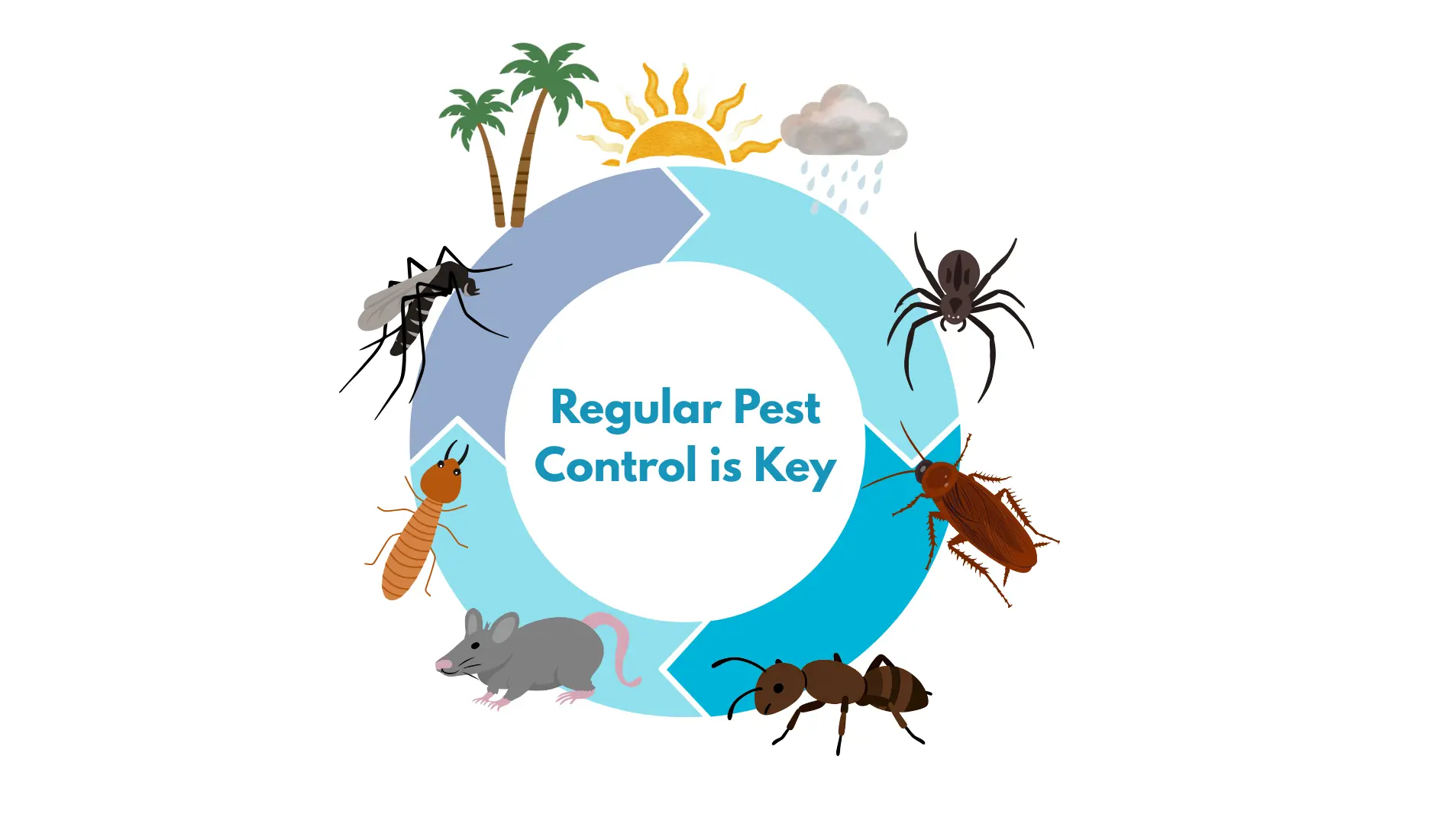
Florida’s climate plays a major role in how often pest control services are needed. Between the intense sun, high humidity, and heavy rainfall, pest pressure here is significantly higher than in many other parts of the country.

While many pest control products are designed to last up to 90 days based on EPA standards, the reality is that Florida weather doesn’t always allow products to remain fully effective for that entire period. Heat, UV exposure, and rain can all break down treatments faster than expected. When it comes to pests in the summer, activity is at an all time high.

Because of this, we’ve found through real-world experience that bi-monthly service (every two months) often provides the most consistent results for homeowners who want a pest-free experience.

Some companies recommend quarterly service and some only provide quarterly service. But we’ve noticed that homeowners on quarterly schedules often require more re-services simply because too much time passes between treatments.

The Pests That Drive Homeowners to Call Us in Florida

Most homeowners don’t call pest control because they saw one bug outside. They call because the problem is affecting their comfort at home.

Some of the most common pest concerns we see include:

  • Ants invading kitchens, especially when they find food sources
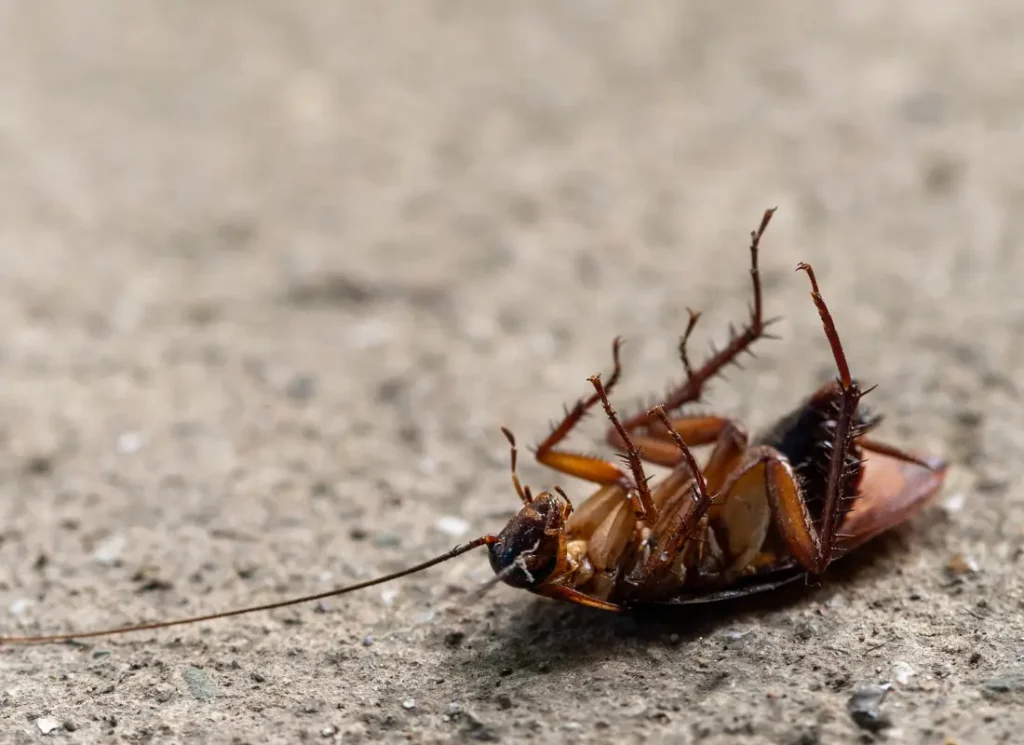
  • Palmetto roaches, which many people simply cannot tolerate due to their size
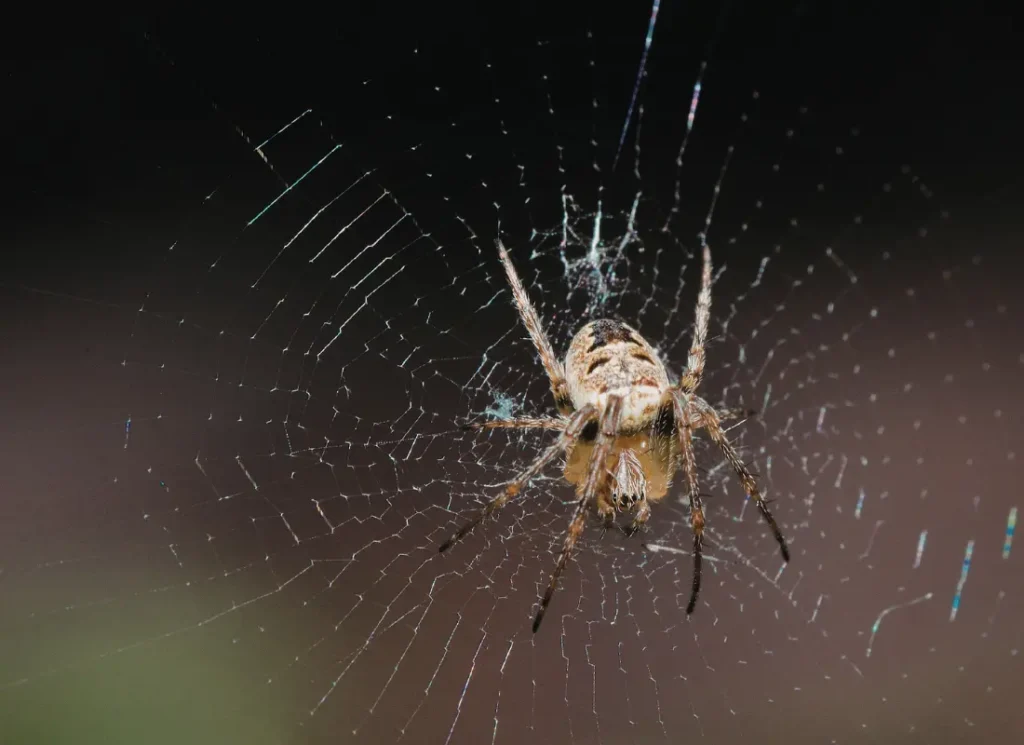
  • Spiders building webs around pool cages and lanais, making it hard to enjoy your outdoor oasis
  • Mosquitoes taking over backyards
  • Rodents trying to live inside the home such as attics
  • Termites slowly damaging the structure of a home
  • German cockroaches, which can infest a home very quickly if gone unnoticed for longer than a few weeks
  • Bed bugs, which cause itchy bites and make people extremely uncomfortable

In many cases, by the time a homeowner starts seeing these pests regularly, the issue has already been developing for some time.

Why One-Time Treatments Rarely Work for Long Term

A common misconception we hear is that pest problems can be solved with just one treatment.

Ant infestations are a perfect example of why this usually isn’t the case.

Many homeowners think they can eliminate ants with a single service or a bottle of over the counter spray. However, ant colonies are often much larger than people realize. When you see ants inside your home, it’s usually because a colony nearby has grown large enough to start sending workers inside to find food.

When colonies reach this size, it often takes multiple treatments to eliminate the existing problem and ongoing service to prevent new colonies from moving in. We frequently see homeowners try a one-time treatment, only to call us again a few months later when the ants return. This method becomes costly and can cost more money than an ongoing treatment plan.

What Happens When You Wait Too Long Between Services

Another thing we see often with one time services is homeowners waiting too long between pest control services. Because pest control products have a limited active lifespan, going too long between treatments can allow pest populations to rebuild. When that happens, we often have to start the process over again as if we’re treating a new home.

Instead of maintaining prevention, the service becomes focused on eliminating a re-established pest infestation. Regular pest plans help maintain protection so the critters never get comfortable enough to settle in.

Some Infestations Require More Frequent Service

Certain pests make pest control services more of a necessity than a preference.

Severe infestations involving pests such as:

often require more frequent treatments at the beginning in order to regain control of the situation.

Once the problem is resolved, homeowners sometimes transition to a less frequent preventative schedule. This is no issue at all and the reason why we pride ourselves on customized plans that work best for you.

The Right Pest Control Schedule for Your Home

From our experience working with homeowners across Florida, here’s how we typically recommend pest control schedules.

Quarterly Pest Control

Quarterly service works well for homeowners who:

  • Want basic preventative protection
  • Have a higher tolerance for occasional pests
  • Are not dealing with an active infestation

This option helps maintain protection but may require occasional follow-up services. Great news, our on going pest control offers FREE res-ervices if you find something you don’t like. 

Bi-Monthly Pest Control

Bi-monthly service is often the most effective schedule for Florida homes and for homeowners who:

  • Want to see results sooner 
  • Have a low tolerance for pests
  • Are dealing with an active infestation

Treatments every two months help maintain consistent protection, even when weather conditions reduce product longevity. Many homeowners who move from quarterly service to bi-monthly notice a much more pest-free experience.

Monthly Pest Control

Monthly service is typically recommended when dealing with extreme active infestations, especially pests like:

  • German cockroaches
  • Rodents
  • Severe ant infestations
  • Bed bugs

This frequency of pest control is for homeowners who:

  • Have no tolerance for pests at all
  • Want to have the home and pool cage serviced
  • Have an extremely active infestation

This schedule helps eliminate the problem quickly and prevent pests from spreading.

It Ultimately Comes Down to Your Pest Tolerance

When we meet with homeowners, one of the first things we ask is simple:

“What pests bother you the most?”

Some homeowners just want preventative protection so they rarely see pests. Others want immediate solutions because the problem has already become overwhelming.

Your pest control schedule should match both the severity of the issue and your personal tolerance for pests. 

Preventing Pests Is Always Easier Than Eliminating Them

One of the biggest lessons we’ve learned after years in the pest control industry is that prevention is far easier than elimination.

Once pests become comfortable in your home, it can take multiple treatments to fully resolve the issue. Regular pest control services create a barrier that helps stop pests before they have the chance to establish themselves.

Schedule a Free Pest Control Inspection

If you’re unsure how often your home should receive pest control services, the best place to start is with a free professional inspection. Every home has different conditions, and a trained technician can evaluate pest activity and recommend the best approach. We send out best in the field so we can start treating the problem right away – not later. 

At Infinite Pest Solutions, we work with homeowners to create customized pest control plans designed specifically for Florida’s climate and pest pressures.

If you’re ready to enjoy a more comfortable, pest-free home, our team is here to help.

Common Questions Homeowners Ask About Pest Control in Florida

How often should pest control be done in Florida?

In Florida, most homes benefit from pest control every two to three months due to year-round pest activity. Heat, humidity, and frequent rainfall allow pests like ants, roaches, and spiders to remain active all year. Many homeowners choose bi-monthly service to maintain consistent protection and prevent infestations from developing.

Is quarterly pest control enough?

Quarterly pest control can work for preventative protection if there are no active infestations and the homeowner has a higher tolerance for occasional pests. However, in Florida’s climate, some homeowners find that bi-monthly service provides better results because treatments stay more consistent between visits.

Do I really need pest control year-round in Florida?

Yes. If you want the pests gone and to stay away year-round best control is your best option. Unlike colder climates, Florida pests remain active through every season. Ants, roaches, spiders, and rodents can all enter homes throughout the year. Year-round pest control helps maintain a protective barrier around your home so pests do not establish colonies or infestations.

Why do pests come back after a one-time treatment?

Many pests live in large colonies or hidden nesting areas, which means one treatment is almost impossible to eliminate the entire population. For example, ant colonies can contain thousands of ants and multiple queens. Ongoing pest control services help eliminate existing activity and prevent new colonies from entering the home.

What pests require more frequent pest control?

When dealing with an infestation, these may include German cockroaches, rodents, severe ant infestations, moles, and more. In these situations, it’s best to have more frequent service until the problem is fully controlled.

Our Southwest, FL Service Locations:

Spring Cleaning Tips to Prevent Pest Infestations

When temperatures rise in the spring, pest activity kicks into high gear. In fact, nearly 70% of homeowners face pest issues during the spring and summer months.

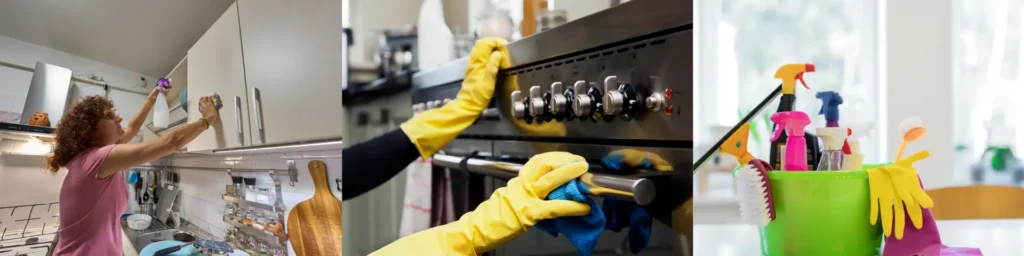
Because of this seasonal surge, your spring cleaning routine is more than just a chore—it is your best defense against ants, cockroaches, spiders, and rodents. By following these targeted tips, you can protect your home and avoid the headache of a costly infestation.


Why Spring is the “Danger Zone” for Pests

Spring brings warmer weather and higher humidity. These conditions are perfect for pests searching for three things: food, water, and shelter. Pests like termites and ants often sneak into homes through tiny cracks or cluttered corners. Therefore, catching these vulnerabilities early during your spring clean is vital.

Room-by-Room Guide to a Pest-Free Home

1. The Kitchen: Stop the Buffet

  • Empty the Pantry: Throw away expired spices and baking goods.
  • Seal it Up: Move dry goods into airtight plastic or glass containers.
  • Deep Clean: Pull your stove and fridge away from the wall to vacuum up hidden crumbs.
  • Wipe Down: Use warm, soapy water on counters and floors to remove sticky residues that attract ants.

The Bathroom: Eliminate Moisture

Pests like cockroaches and silverfish love damp environments. Since moisture is their best friend, your goal is to keep things dry:

  • Check for Leaks: Inspect under the sink and around the toilet for any dripping pipes.
  • Improve Airflow: Ensure your exhaust fans are working properly to reduce humidity.
  • Wash Liners: Clean your shower curtains and liners regularly to prevent mold and mildew buildup.

3. Attic: Declutter the Dark Corners

Spiders and rodents love dark, undisturbed areas. Consequently, the attic often becomes a “pest hotel.” Decluttering the undisturbed areas will help eliminate problems in the these places you barely go, by:

  • Swapping Out Your Boxes: Replace old cardboard boxes with sealed plastic bins. Pests can chew through cardboard or feed on the glue, but plastic keeps them out.
  • Seal the Gaps: Use caulk to plug any cracks in the foundation or walls.
  • Dry it Out: Use a dehumidifier if these areas feel damp or musty.

Don’t Forget the Outdoors!

Your home’s exterior is the first line of defense. If you make the outside of your house unattractive to pests, they are much less likely to head inside.

  • Inspect the Perimeter: Check for rotted wood, cracked mortar, or torn window screens. Repair these immediately to block entry points.
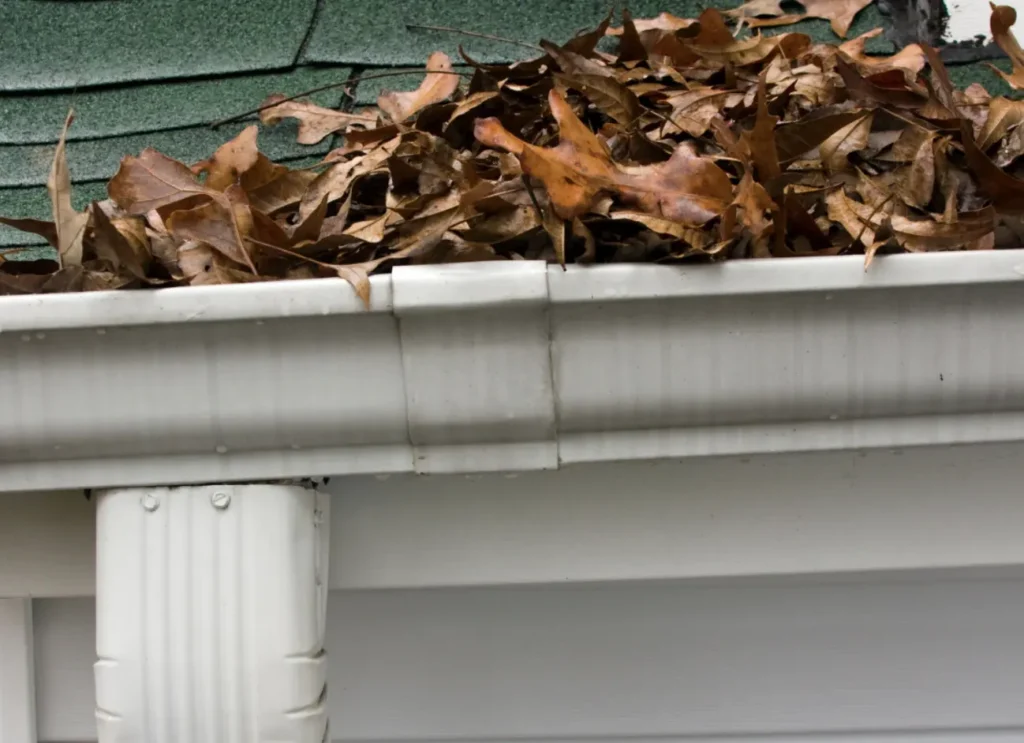
  • Clear the Gutters: Remove leaves and debris so water can flow freely. Standing water is a breeding ground for mosquitoes.
  • Landscape Smartly: Trim bushes and tree limbs so they don’t touch your house. Furthermore, keep mulch at least 15 inches away from your foundation to deter termites.
  • Manage Waste: Use trash bins with tight-fitting lids and store them away from the side of the house.

When Should You Call a Professional?

While a thorough cleaning goes a long way, some infestations require a pro. If you notice persistent sightings, droppings, or structural damage, it’s time to call in the experts. Regular inspections and preventions can identify early warning signs that the average homeowner might miss, saving you money and stress in the long run.

Make Sure Your Home Stays Protected

Integrating pest prevention into your spring cleaning is a smart, proactive move. By cleaning key areas, fixing moisture issues, and sealing entry points, you create an environment that is unwelcoming to invaders.

Ready to start the season with a pest-free home? Infinite Pest Solutions helps you safeguard your property so you can enjoy the spring weather without the “uninvited guests.” Reach out to us today for a professional free inspection or quote!

Our Southwest, FL Service Locations:

Do Silverfish in Your Home Mean You Have Water Damage?

Did you know that over 70% of homeowners who find silverfish indoors also have hidden moisture issues? These creepy-crawly nuisances are more than just a localized pest problem. In fact, their presence often acts as a “smoke alarm” for moisture issues within your walls or floors.

In this blog, we’ll explain the link between silverfish and water damage, what to look for, and how to dry out your home for good.

What Are Silverfish?

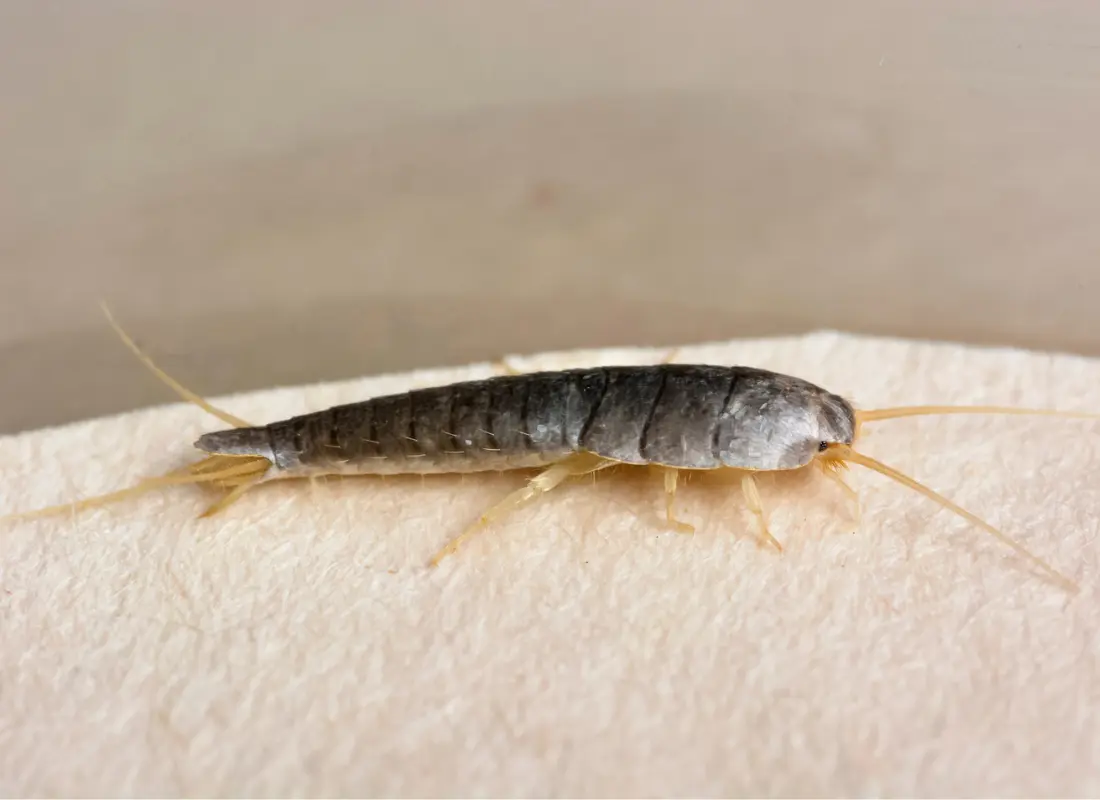
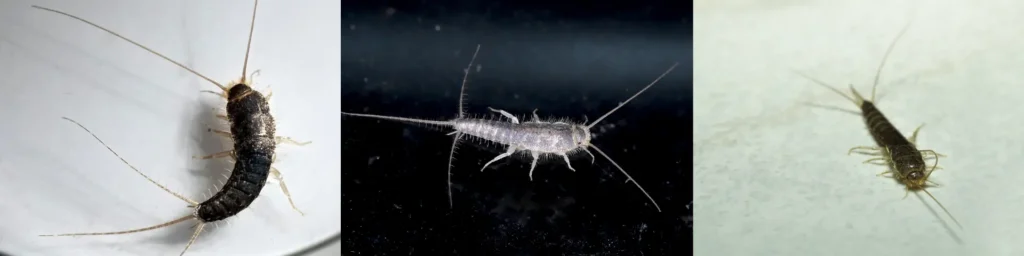
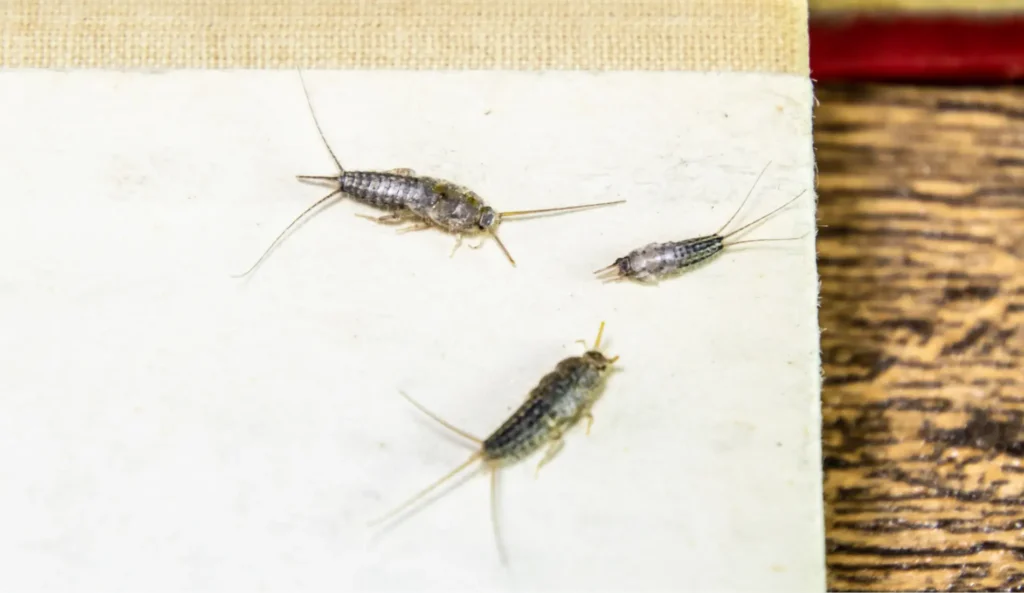
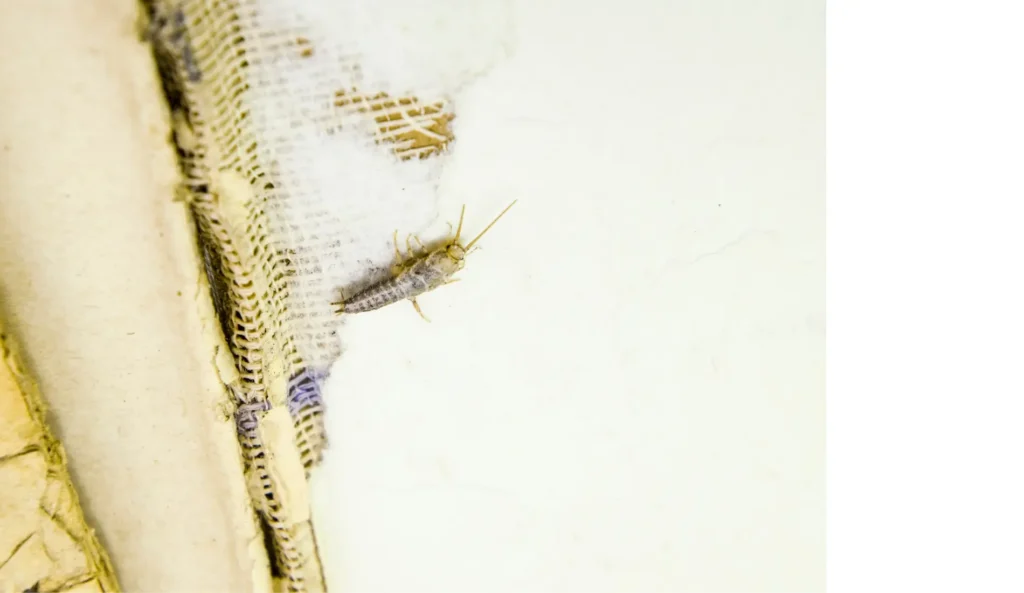
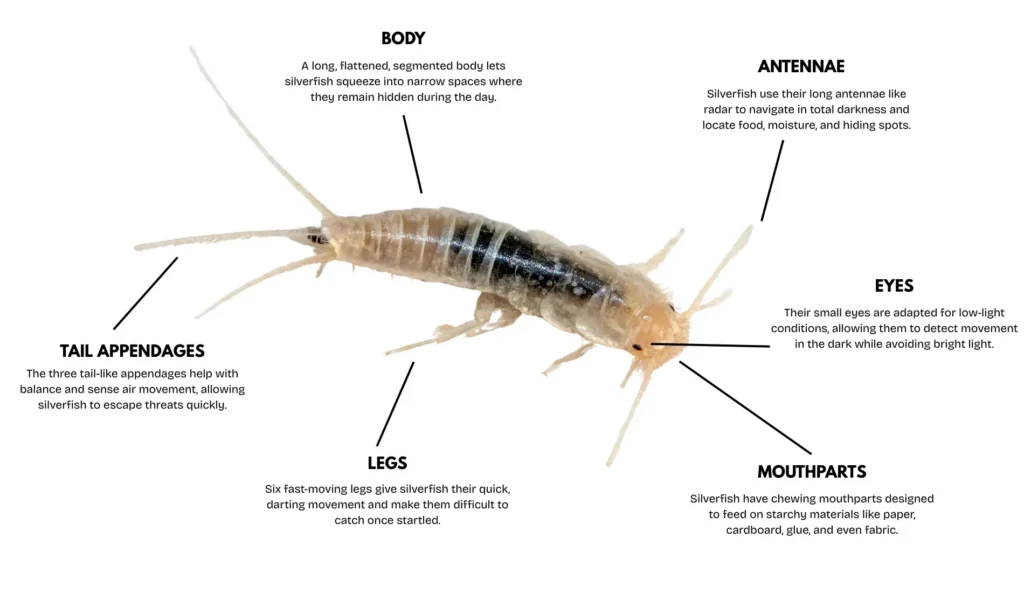
Silverfish are small, wingless insects named for their metallic color and fish-like swimming movements. They usually grow to about half an inch or an inch long. Because they are nocturnal, they stay hidden during the day and only come out at night to forage.

While these pests don’t bite or spread diseases, their presence is still a major red flag. They thrive in damp, humid environments like bathrooms, basements, and laundry rooms. Therefore, if you see them in a dry area like a bedroom or living room, it’s a sign that moisture is hiding nearby.

Why Silverfish Love Your Home’s Humidity

Silverfish are extremely sensitive to their environment. Specifically, they need high humidity levels—between 75% and 95%—to survive. Because their soft, scaly bodies lose water easily, they will die if the air is too dry.

Furthermore, silverfish eat starchy materials that break down quickly in humid air. This includes:

  • Wallpaper glue
  • Book bindings
  • Cardboard boxes
  • Clothing fibers

Consequently, a damp home doesn’t just give them a place to live; it provides an endless buffet.

Does Seeing Silverfish Mean You Have Water Damage?

Not necessarily, but it is a strong warning sign. While a single silverfish might just be a wanderer, a group of them usually indicates excess moisture.

If you spot silverfish, check these areas immediately for signs of a leak:

  • Under Sinks: Look for dripping pipes or damp cabinets.
  • Walls: Check for peeling paint, bubbling wallpaper, or water stains.
  • Basements: Sniff the air for a musty odor or look for condensation on pipes.
  • Attics: Ensure your roof isn’t leaking into the insulation.

If you find water damage, you must address it promptly. Otherwise, you risk structural rot and dangerous mold growth.

How to Evict Silverfish and Protect Your Property

Preventing silverfish is all about “drying them out.” If you take away their water source, they cannot survive. Follow these steps to safeguard your home:

  1. Fix the Leaks: Repair any dripping faucets or plumbing issues right away.
  2. Use a Dehumidifier: Keep your home’s humidity below 50% to make the environment “deadly” to silverfish.
  3. Boost Ventilation: Run exhaust fans in the bathroom and kitchen to clear out steam.
  4. Seal the Gaps: Use caulk to fill cracks in baseboards and holes around pipes where silverfish hide.
  5. Ditch the Cardboard: Store your holiday decorations and old books in sealed plastic bins rather than cardboard boxes.

When to Call the Pros

At Infinite Pest Solutions, we use environmentally friendly treatments that target silverfish at every life stage. We don’t just take care of the bugs you see; we help you identify the moisture sources that are attracting them in the first place. By controlling moisture levels and sealing entry points, you can protect your property from both pests and ensure your home stays pest-free.

Silverfish are famously good at hiding. Because they can live for up to eight years and reproduce quickly, a small problem can become a major infestation before you know it. If you are tired of seeing silverfish scurry across your floor, contact Infinite Pest Solutions today. We’ll help you find the source of the problem and get your home back to normal!

Our Southwest, FL Service Locations:

What Are the Hardest Pests to Get Rid of in Florida?

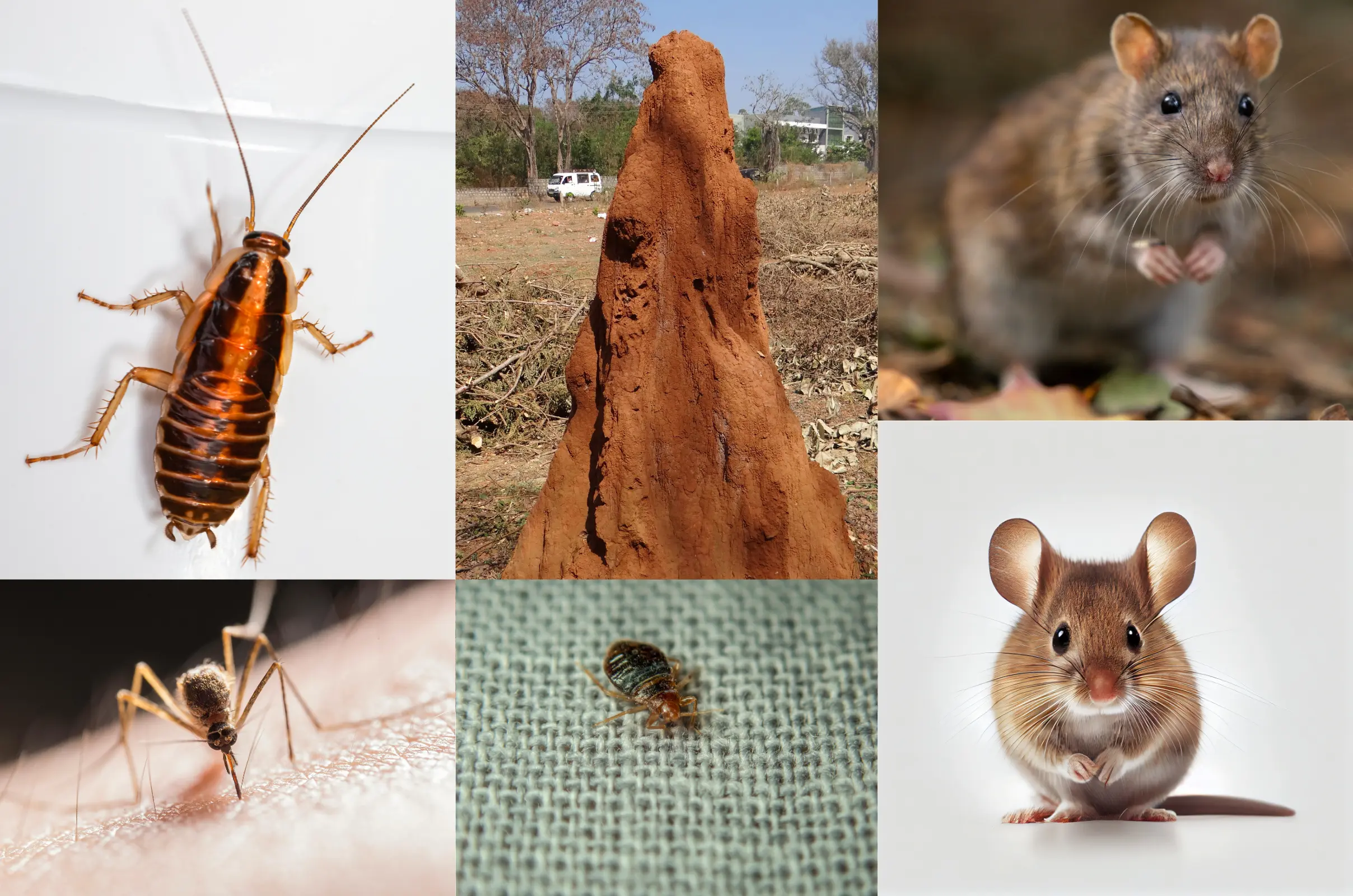
Some of the hardest pests to get rid of in Florida include termite, big headed ants, german cockroaches, mosquitoes, and rodents. Florida’s warm, humid climate makes it a hotspot for a wide variety of pests year round. In fact, the state ranks among the highest in the U.S. for pest infestations year-round, with some species proving difficult to control. Here we will explore some of the hardest pests to rid of and solutions to help keep your home safe.

Big-Headed Ants: Persistent Invaders

First on the list of hardest pests to get rid of are big headed ants. They are a common and vicious pest in Florida. So much so, the University of Florida continues their studies on these invasive ants. Big headed ants are such an issue, they have been nominated one of the 100 “World’s Worst” invaders and out rank red imported fire ants. 

Known for their large headed major workers and aggressive foraging, these ants build colonies that can be difficult to control. Their nests are often hidden underground or inside walls, making DIY treatments ineffective. From experience, big-headed ants are especially stubborn because they establish multiple satellite colonies, allowing them to quickly rebound if disturbed. To keep them at bay, it is best to have on-going pest control services 

For more insight, check out our guide on Big-Headed Ants.

Bed Bugs: Masters of Dormancy

Bed bugs are infamous for their ability to survive without feeding for extended periods, sometimes up to a year. This dormancy makes detection and ridding of them very hard. These nocturnal pests hide in mattress seams, furniture crevices, and wall voids. They emerge only to feed on human blood.

Our experience shows that bed bug infestations often require multiple treatment rounds and professional expertise to fully eliminate, as they can easily go unnoticed during early stages. Early detection and thorough inspections are key.

For more insight, check out our guide on Bed bugs.

Termites: The Relentless Wood Destroyers

Per Pestworld.org, termites cause close to $6.8 billion dollars in damage in the United States every year. Florida has the ideal climate for termites, which remain active 24/7 throughout the year. These wood-destroying insects silently chew through structural wood, causing significant damage before homeowners realize there’s a problem.

Termites’ underground colonies and ability to enter buildings through tiny cracks make eradication difficult. From firsthand experience, termite control requires vigilant monitoring and specialized treatments to protect your property effectively.

Learn more about our Termite Control services to safeguard your home.

Rodents: The Unwelcome Repeat Offenders

Rats and mice are not only a nuisance but also pose health risks by contaminating food and spreading disease. Without proper prevention, rodents will continuously return, exploiting any small gaps or cluttered areas to nest.

Our experience highlights that sealing entry points is vital, as even a pencil-sized hole can be an invitation. Coupled with ongoing monitoring and sanitation, professional rodent control can break the cycle.

Explore our Rodent Control services and learn about the differences between species in our post on Mice vs Rats.

German Roaches: Rapid Reproducers in Hidden Places

German cockroaches thrive in tight, dark spaces like wall voids and behind appliances, making them notoriously hard to eliminate. Their rapid reproduction means a small infestation can quickly explode if left unchecked.

Based on experience, these roaches require a multi-faceted approach including sanitation, baiting, and professional pesticide application to achieve lasting control.

Find out how to tackle these pests in our Cockroach Pest Control services and the guide on How to Get Rid of Roaches.

Mosquitoes: Persistent and Dangerous Pests

Mosquitoes are more than just a nuisance; they are vectors for diseases such as West Nile Virus and Zika. Florida’s rainy seasons create ideal breeding grounds with standing water, allowing mosquito populations to flourish.

Controlling mosquitoes requires eliminating standing water and professional treatments that target larvae and adult mosquitoes alike.

Learn about effective Mosquito Control options to protect your family.

Conclusion

Florida’s unique conditions fosters some of the most challenging pests to control. From the resilient bed bugs and relentless termites to the ever-returning rodents and fast reproducing roaches. Knowing these pests’ behaviors and weaknesses is critical. Pest management remains the most reliable solution for lasting protection.


If you’re struggling with any of these persistent pests, call us today or get a free quote. Our expert team provides complete pest solutions tailored to Florida’s toughest invaders.

Our Southwest, FL Service Locations: