

Did you know that over 70% of homeowners who find silverfish indoors also have hidden moisture issues? These creepy-crawly nuisances are more than just a localized pest problem. In fact, their presence often acts as a “smoke alarm” for moisture issues within your walls or floors.
In this blog, we’ll explain the link between silverfish and water damage, what to look for, and how to dry out your home for good.
What Are Silverfish?
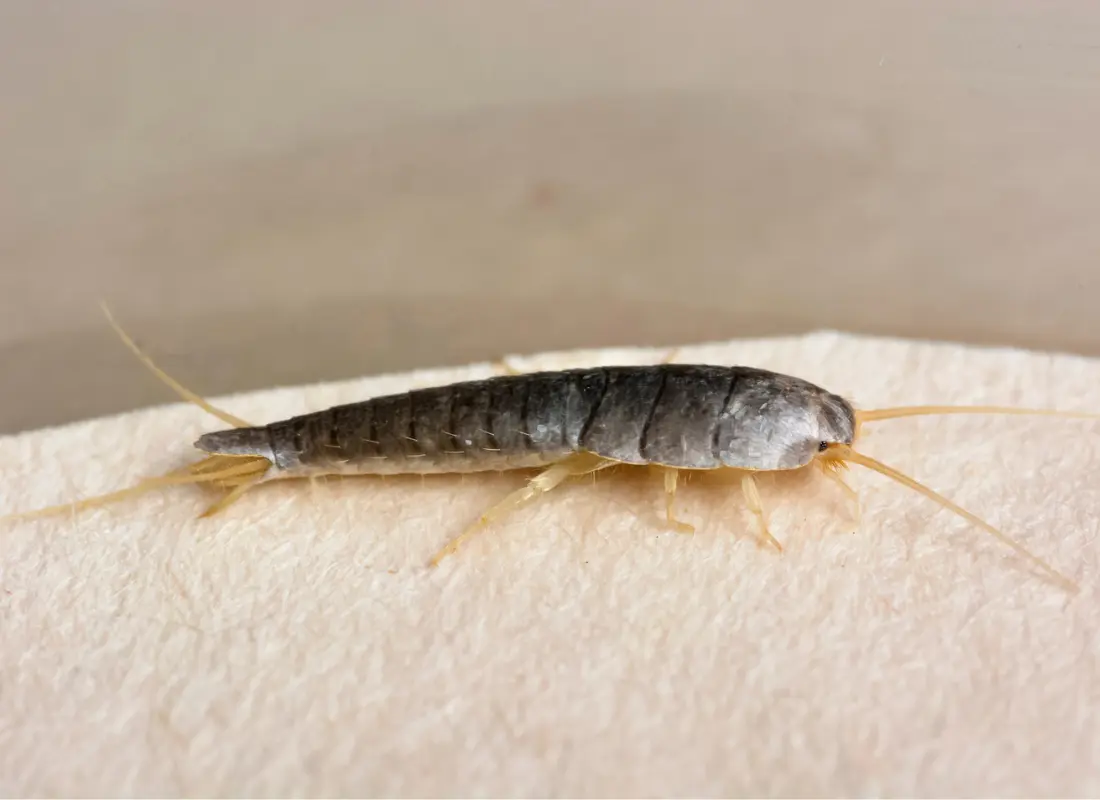
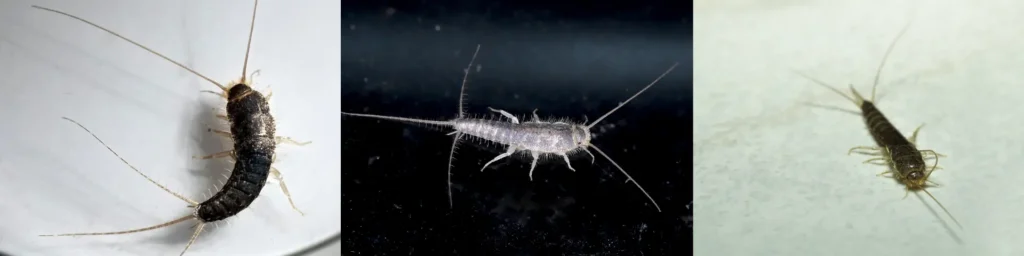
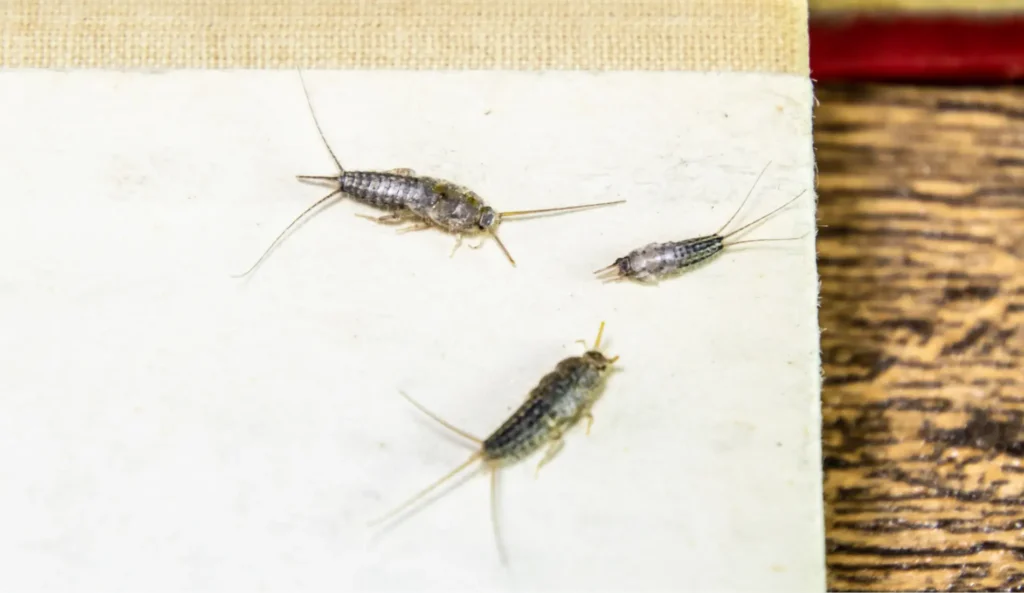
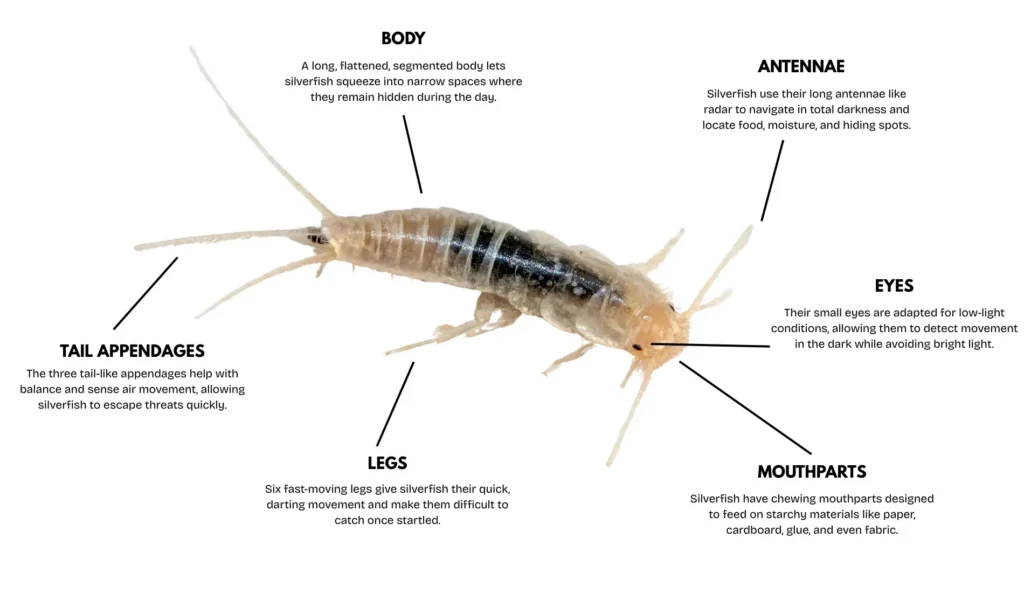
Silverfish are small, wingless insects named for their metallic color and fish-like swimming movements. They usually grow to about half an inch or an inch long. Because they are nocturnal, they stay hidden during the day and only come out at night to forage.
While these pests don’t bite or spread diseases, their presence is still a major red flag. They thrive in damp, humid environments like bathrooms, basements, and laundry rooms. Therefore, if you see them in a dry area like a bedroom or living room, it’s a sign that moisture is hiding nearby.
Why Silverfish Love Your Home’s Humidity
Silverfish are extremely sensitive to their environment. Specifically, they need high humidity levels—between 75% and 95%—to survive. Because their soft, scaly bodies lose water easily, they will die if the air is too dry.
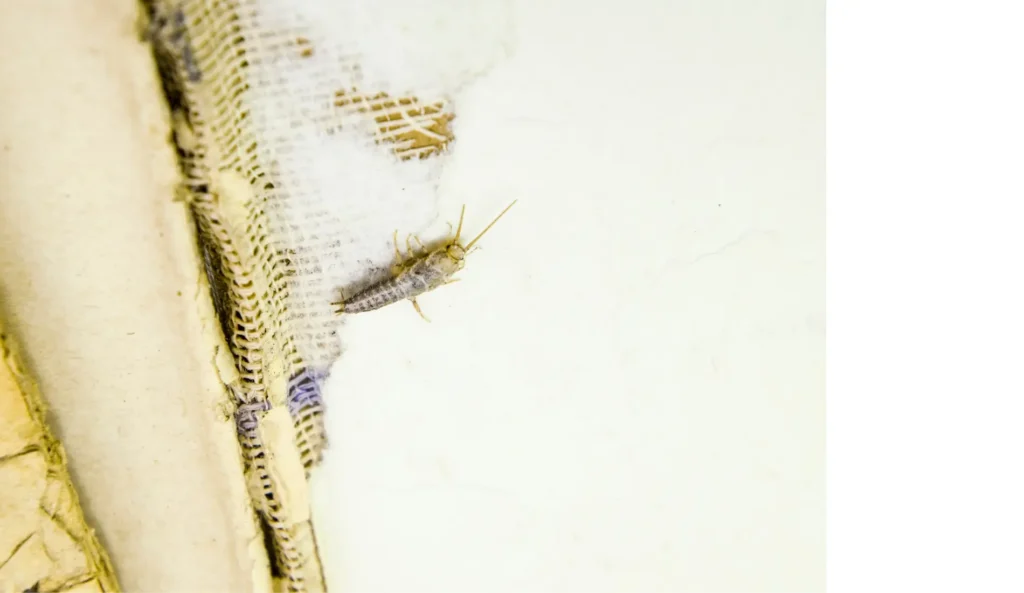
Furthermore, silverfish eat starchy materials that break down quickly in humid air. This includes:
- Wallpaper glue
- Book bindings
- Cardboard boxes
- Clothing fibers
Consequently, a damp home doesn’t just give them a place to live; it provides an endless buffet.
Does Seeing Silverfish Mean You Have Water Damage?
Not necessarily, but it is a strong warning sign. While a single silverfish might just be a wanderer, a group of them usually indicates excess moisture.
If you spot silverfish, check these areas immediately for signs of a leak:
- Under Sinks: Look for dripping pipes or damp cabinets.
- Walls: Check for peeling paint, bubbling wallpaper, or water stains.
- Basements: Sniff the air for a musty odor or look for condensation on pipes.
- Attics: Ensure your roof isn’t leaking into the insulation.
If you find water damage, you must address it promptly. Otherwise, you risk structural rot and dangerous mold growth.
How to Evict Silverfish and Protect Your Property
Preventing silverfish is all about “drying them out.” If you take away their water source, they cannot survive. Follow these steps to safeguard your home:
- Fix the Leaks: Repair any dripping faucets or plumbing issues right away.
- Use a Dehumidifier: Keep your home’s humidity below 50% to make the environment “deadly” to silverfish.
- Boost Ventilation: Run exhaust fans in the bathroom and kitchen to clear out steam.
- Seal the Gaps: Use caulk to fill cracks in baseboards and holes around pipes where silverfish hide.
- Ditch the Cardboard: Store your holiday decorations and old books in sealed plastic bins rather than cardboard boxes.
When to Call the Pros
At Infinite Pest Solutions, we use environmentally friendly treatments that target silverfish at every life stage. We don’t just take care of the bugs you see; we help you identify the moisture sources that are attracting them in the first place. By controlling moisture levels and sealing entry points, you can protect your property from both pests and ensure your home stays pest-free.
Silverfish are famously good at hiding. Because they can live for up to eight years and reproduce quickly, a small problem can become a major infestation before you know it. If you are tired of seeing silverfish scurry across your floor, contact Infinite Pest Solutions today. We’ll help you find the source of the problem and get your home back to normal!
Our Southwest, FL Service Locations:
- Fort Myers
- Cape Coral
- Naples
- Babcock Ranch
- Lehigh Acres
- Ave Maria
- Estero
- Bonita Springs
- Marco Island
- Sanibel Island
Our Orlando Service Locations:
- Orlando
- Clermont
- Apopka
- Windermere
- St. Cloud
- Winter Garden
- Lake Buena Vista
- Kissimmee
- Sanford
- Davenport
- Oakland
- Minneola
- Lake Nona
- Ocoee
- Longwood
- Lake Mary
- Oviedo
- Winter Park
- Altamonte Springs