
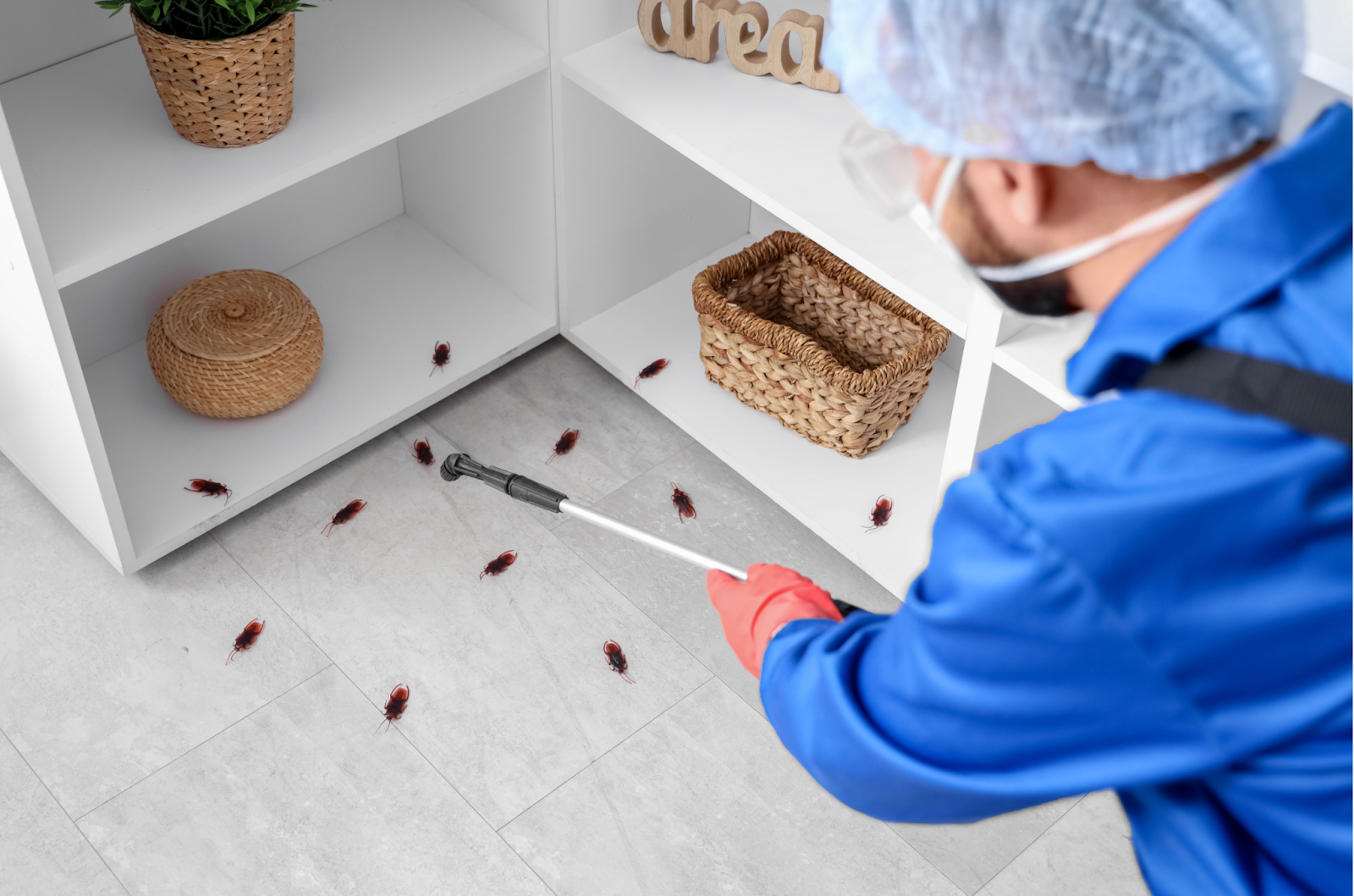
Pest Control 101: What to Expect, What’s Covered, How to Prepare

Did you know that nearly 1 in 5 homes in the United States experience some form of pest infestation annually? Pests not only damage property but also pose health risks to your family.  If you’ve never had professional pest control before, it’s normal to have questions. Homeowners often ask what pest control actually includes, what happens during the first visit, and whether they need to do anything ahead of time.

The good news is that pest control doesn’t have to be complicated. Understanding how it works can help you get better results and feel more confident about the process.

Here’s a breakdown of what you should know before your service.

How Do I Prepare My House for Pest Control?

In most cases, preparation is minimal. Pest control works best when technicians can easily access the areas pests are most active. For specific pests like German cockroaches, cleanliness is essential for successful elimination. Ensure that pantry areas are free of food debris, spills, and clutter, as this helps treatments work more effectively. You can learn more about what homeowners can do here.

While deep cleaning your entire home isn’t needed prior to a service, a quick tidy-up makes it easier for treatments to reach the right areas and helps ensure nothing blocks access to key entry points.

Before your appointment, it helps to:

  • Clear clutter away from baseboards to allow technicians full access for treatment
  • Secure pets and let the technician know if you have any concerns
  • Take note of where you’ve seen pest activity so you can point it out
  • Take photos of pests you have concerns about so a technician can better identify 
  • Ensure counters are clear of crumbs and debris in the event bait is needed

What Are Common Pest Control Services?

Typical pest control services address a range of common pests. Regular maintenance visits include inspections to catch early signs of infestation and preventive treatments to keep pests at bay year-round. Some of the most common services Infinite Pest Solutions include are:


What Does Normal Pest Control Cover?

General pest control typically covers the pests homeowners encounter most often. This usually includes:

  • Ghost ants 
  • Fire ants 
  • Big headed ants 
  • Carpenter ants 
  • White footed ants 
  • Odorous ants 
  • Argentine ants 
  • Palmetto Cockroaches 
  • Wasps/Hornets 
  • Centipedes 
  • Millipedes  
  • Silver fish 
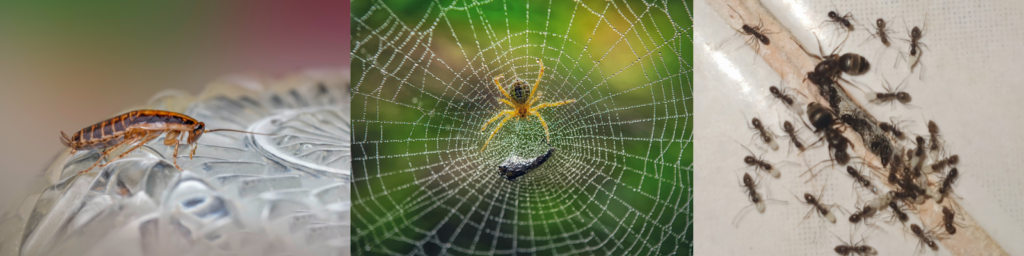
  • Spiders 
  • Earwigs 
  • Crickets  
  • Sow bugs 

These services focus on treating entry points, nesting areas, exterior foundation, and high-traffic pest zones around the home such as soffits. The goal is to rid of what exists around the home and keep a protective barrier around the exterior of the home to prevent any new pests.


What Does Pest Control Do on a First Visit?

The initial visit is one of the most important parts of pest control. This is when the technician will perform a detailed inspection of the interior and exterior to assess pest activity and identify entry points. Following this, the technician will present a tailored treatment plan addressing your home’s specific needs. 

The initial treatment involves barrier applications outside, an interior application, crack and crevice treatments, and removal of wasps/hornets nests or webs. Ongoing maintenance and follow-up visits help to ensure pest-free results especially in warm and humid climates where pests stay active year-round.


Why Ongoing Pest Control Matters

Many pests don’t disappear after a single treatment. Ant colonies, spider populations, and other infestations often rebuild especially if conditions remain favorable.

Routine pest control helps:

  • Keep pests from returning
  • Prevent new activity 
  • Maintain a protective barrier around your home
  • Eliminate the source of reproduction

Preparing for pest control doesn’t have to be stressful, and knowing what to expect makes the process smoother from the start. From understanding what’s covered to knowing what happens on the first visit, a little information goes a long way.

At Infinite Pest Solutions, we know that professional pest control is about more than just removing pests, it’s about protecting your home, preventing future issues, and giving you peace of mind. Get a free quote today!

Our Southwest, FL Service Locations:

Mosquitoes and Diseases They Carry

Every year, mosquitoes are responsible for transmitting diseases that affect millions worldwide. According to the World Health Organization, mosquito-borne illnesses cause over 700,000 deaths annually, making these tiny insects one of the deadliest animals on the planet. While often dismissed as mere nuisances, mosquitoes carry viruses and parasites that can lead to serious health problems. Understanding the risks and how to protect yourself is crucial, especially in places like Florida, where mosquito activity peaks in warmer months.

Common Mosquito Species and the Diseases They Transmit

Several mosquito species are notorious for spreading diseases:

  • Aedes aegypti and Aedes albopictus (Asian tiger mosquito): These daytime biters are vectors for dengue, Zika virus, chikungunya, and yellow fever. Their aggressive biting behavior increases infection risk.
  • Culex mosquitoes: Active mostly at night, they transmit West Nile virus and St. Louis encephalitis.
  • Anopheles mosquitoes: Known for spreading malaria in tropical regions.

Mosquitoes transmit diseases by injecting saliva containing viruses or parasites while feeding on human blood. These pathogens enter the bloodstream and can cause a range of illnesses, from mild fevers to life-threatening conditions.

How Mosquito-Borne Diseases Affect Humans

Symptoms vary depending on the disease but often include fever, rash, joint pain, and fatigue. For example:

  • Dengue fever can cause severe flu-like symptoms and, in some cases, hemorrhagic fever.
  • Zika virus is generally mild but poses serious risks to pregnant women, potentially causing birth defects.
  • West Nile virus infections are usually mild but can lead to neurological complications in older adults.

Children, the older adults, and people with weakened immune systems face higher risks of severe outcomes. Pet owners should also be cautious, as some mosquito-borne diseases can affect animals.

Why Mosquito Bites Itch: The Immune Response

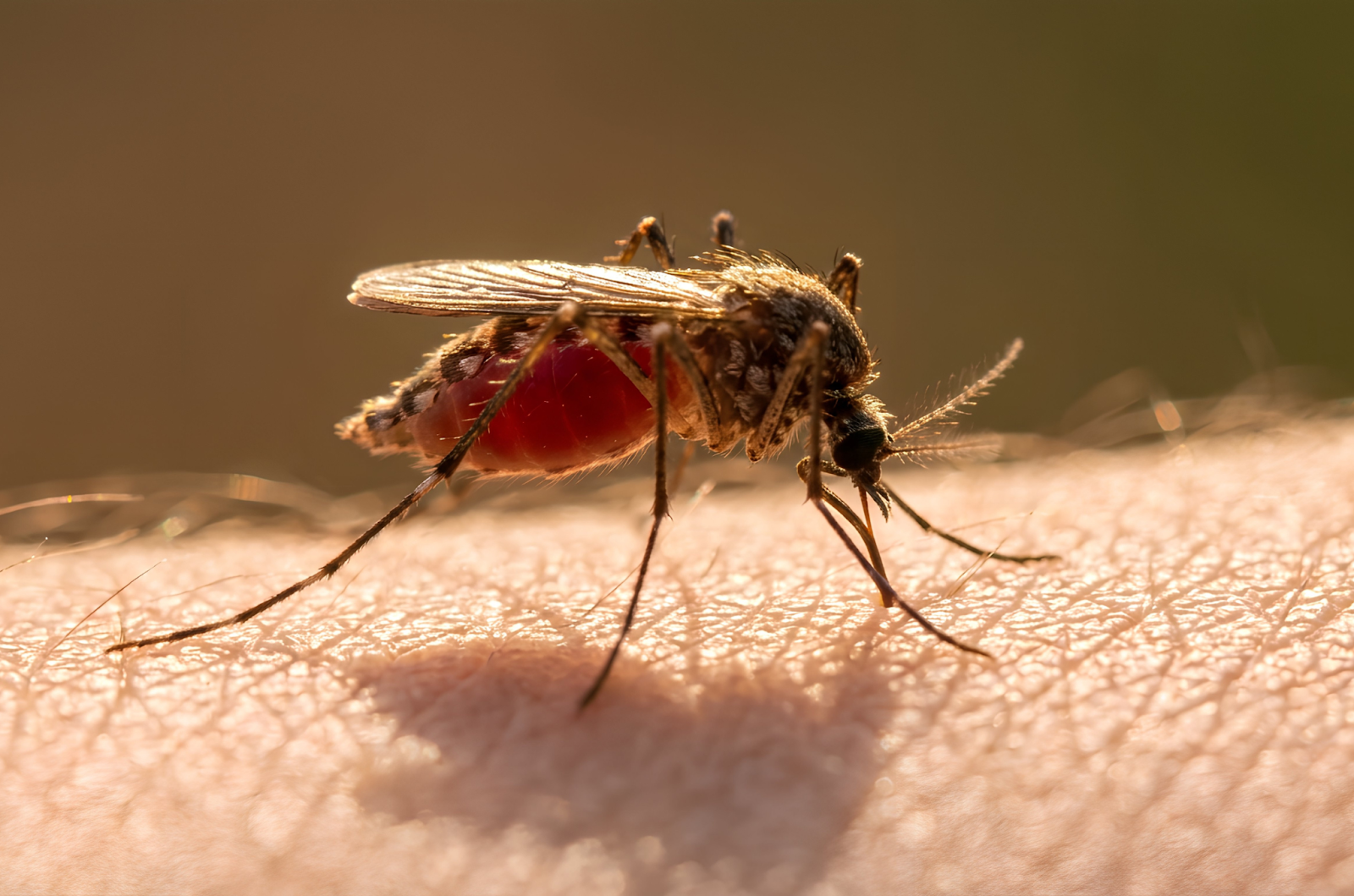
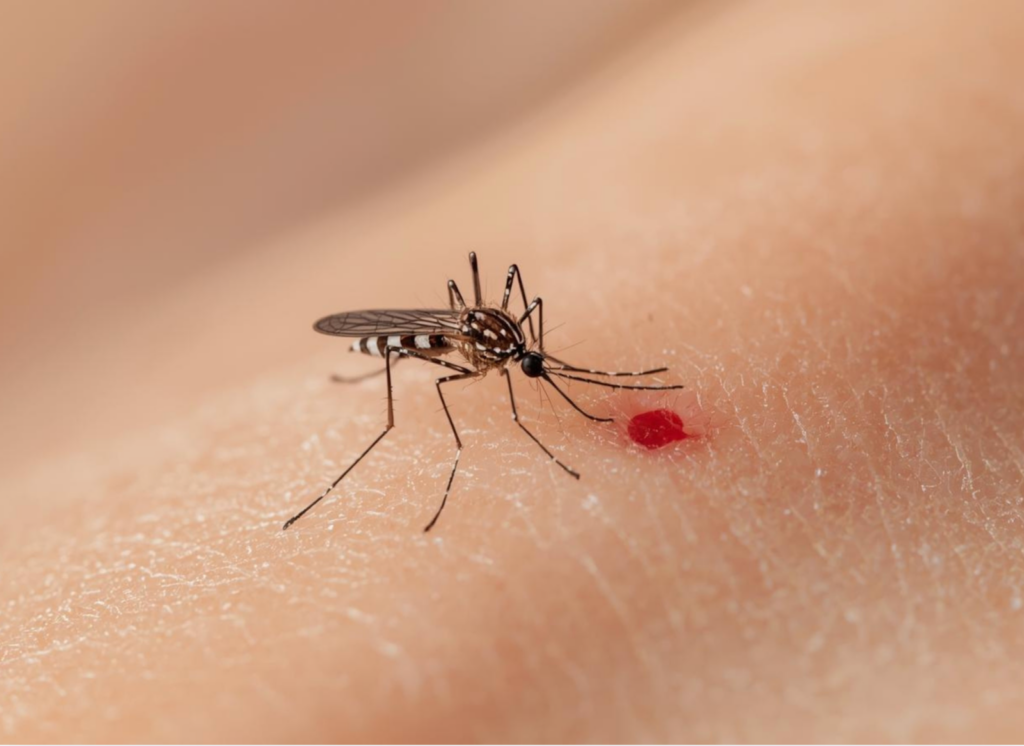
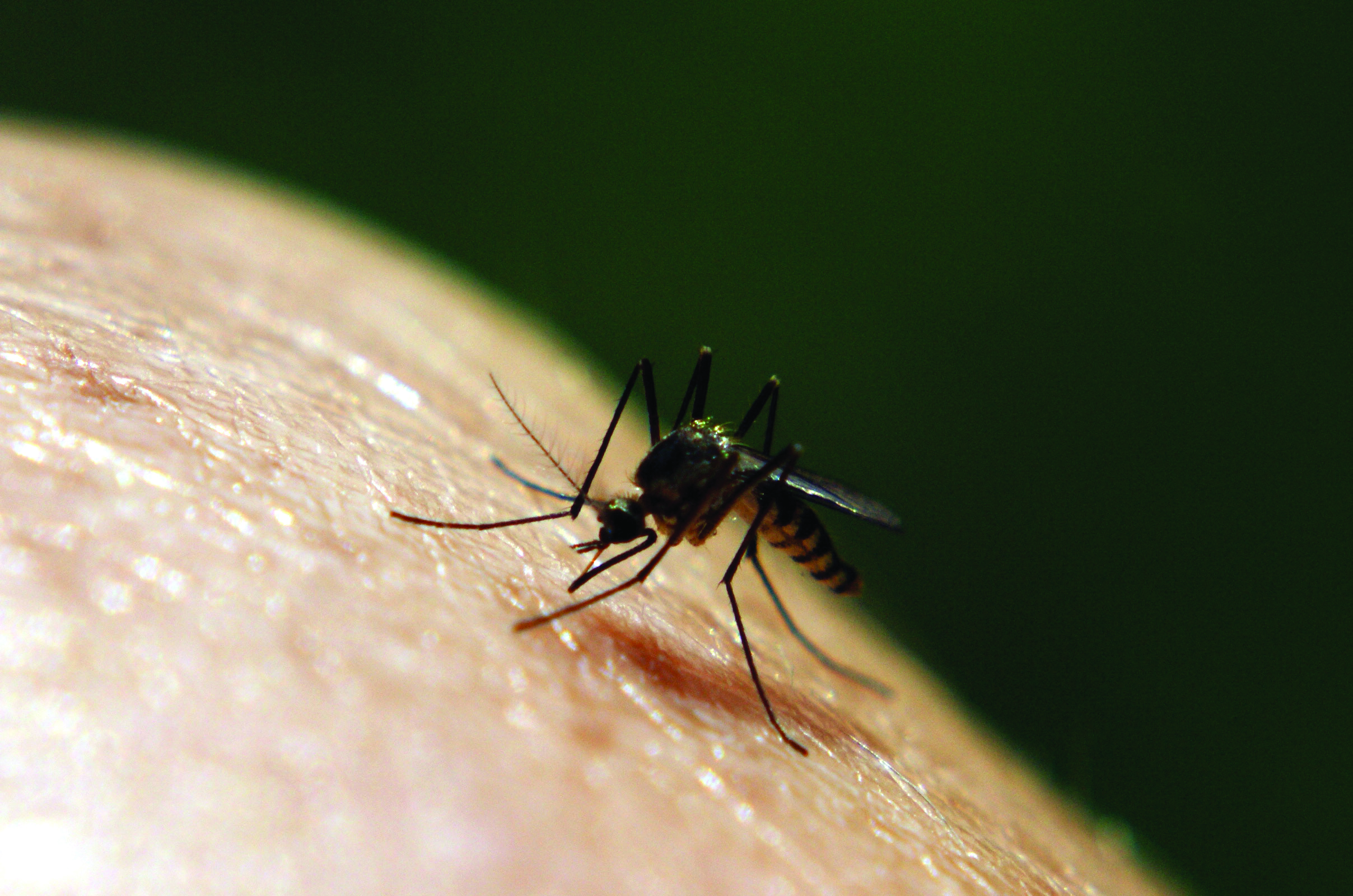
When a mosquito bites, it injects saliva that contains proteins preventing blood clotting. Your immune system reacts to these foreign proteins by releasing histamine, causing blood vessels to swell and triggering the familiar itching sensation. Sensitivity varies—some people experience intense itching and swelling, while others barely react.

Mosquito bite

Preventing Mosquito Bites and Disease Transmission

Preventing bites is the best defense against mosquito-borne diseases. Here are some effective strategies:

  • Keep mosquitoes away from your living spaces by following practical tips in our How to Keep Mosquitoes Away guide.
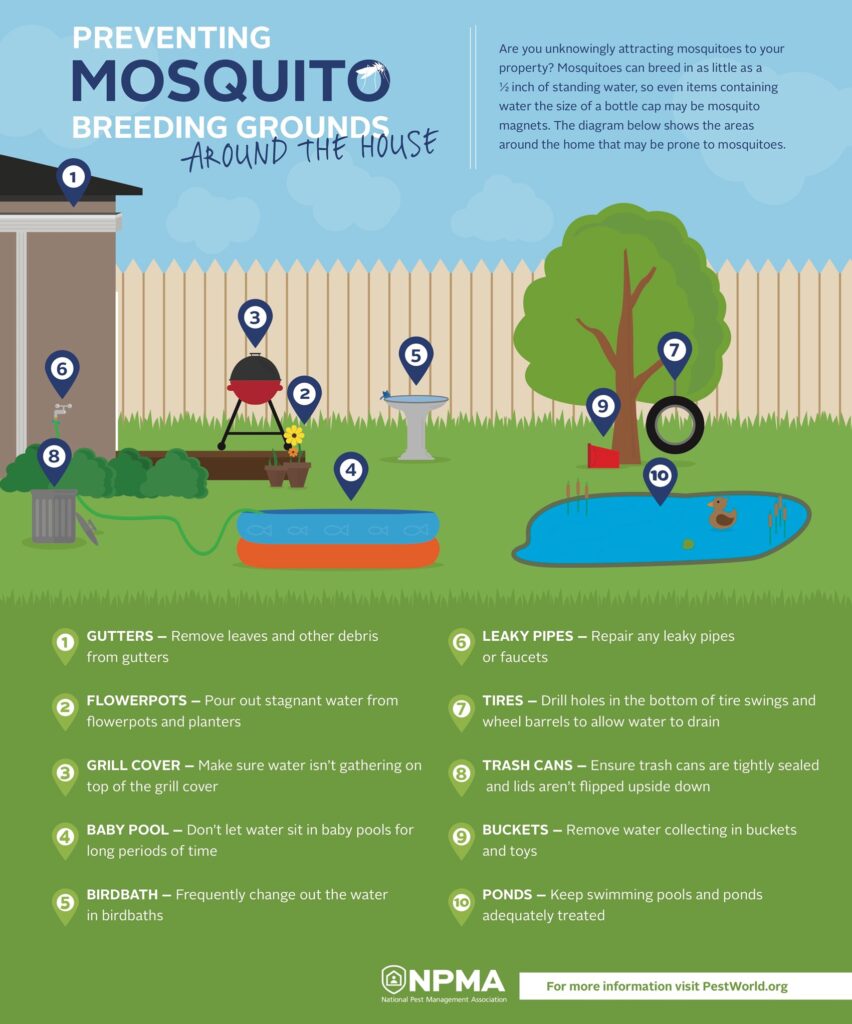
  • Eliminate standing water around your home where mosquitoes breed—this includes flowerpots, gutters, and pet water bowls.
  • Wear protective clothing like long sleeves and pants during peak mosquito hours.
  • Having a screened in area whether a lanai or extended lanai, especially around pools.

Professional Mosquito Control: A Smart Defense

Mosquito

While homeowner efforts are vital, professional mosquito control services provide an additional layer of protection. These services include property inspections, targeted barrier sprays, and scheduled treatments that disrupt mosquito breeding cycles and reduce populations effectively.

Our mosquito control service offers comprehensive solutions designed to protect your home and family year-round and break the reproduction cycle of mosquitoes. Combining professional treatment with your own preventive measures ensures a safer, more comfortable environment.

Why Florida Residents Should Be Extra Vigilant

Florida’s warm climate creates ideal conditions for mosquitoes to thrive, especially during summer when pest activity surges. Learn more about this seasonal increase and its impact in our article, Why Are Florida Pests More Active During Summer?

Local health authorities have reported cases of dengue and West Nile virus transmitted in Florida, underscoring the real threat these pests pose. Taking proactive mosquito control seriously can protect you and your loved ones from these diseases.

Conclusion

Mosquitoes are more than just annoying pests—they are vectors of serious diseases that can affect anyone. By understanding the risks and adopting a combination of personal prevention and professional mosquito control, you can reduce your chances of bites and disease transmission. Don’t let mosquitoes compromise your health or outdoor enjoyment. Take action today to create a safer home environment.


If you’re ready to protect your home from mosquitoes and the diseases they carry, contact us to learn more about our professional mosquito control services and get your free quote.


Our Southwest, FL Service Locations:

How To Keep Mosquitoes Away


How to Keep Mosquitoes Away: Proven Tips for a Bite-Free Home and Yard

Mosquitoes in Florida can turn your outdoor paradise into a nightmare—buzzing around your ears, biting your skin, and putting your health at risk. If you’re searching for the best ways to keep mosquitoes away, you’re not alone. Whether you’re dealing with a seasonal surge or just want peace of mind year-round, here’s a guide to help you reclaim your space.

Why Is Mosquito Control Important?

Mosquitoes aren’t just a nuisance—they’re dangerous. These tiny pests are known to carry diseases like West Nile virus, Zika virus, dengue fever, and malaria in some areas. Even if disease transmission is rare, their bites can cause allergic reactions, itching, and discomfort.

How to Keep Mosquitoes Away

1.  Eliminate Standing Water

Mosquitoes breed in stagnant water. Dump out:

  • Birdbaths
  • Buckets
  • Planter saucers
  • Kiddie pools
  • Clogged gutters

Pro Tip: Even a bottle cap’s worth of water can become a breeding ground.

2.  Keep Your Lawn Trimmed

Tall grass and overgrown shrubs provide cool, shady hiding spots for mosquitoes during the heat of the day. Mow regularly and trim hedges for mosquito prevention.

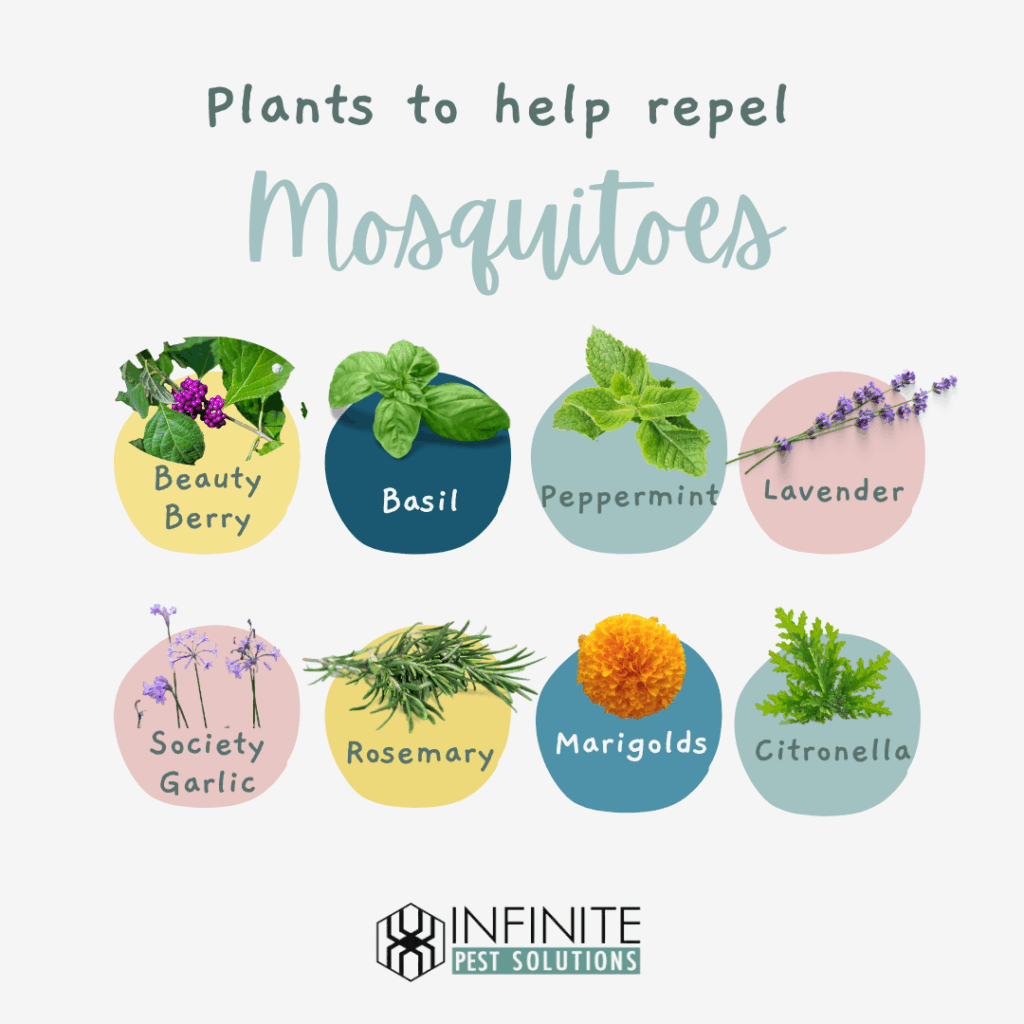
3.  Use Mosquito-Repellent Plants

Plant natural deterrents like:

  • Citronella
  • Lavender
  • Marigolds
  • Lemongrass
  • Basil While not foolproof, they can supplement your mosquito control strategy.

4.  Install Outdoor Fans

Mosquitoes are weak flyers. A simple oscillating fan on your porch or patio can reduce mosquito landings by up to 45%.

5.  Repair Screens and Seal Entry Points

Check for gaps around:

  • Windows
  • Doors
  • Lanai screens – even a small tear can let in dozens of mosquitoes in

6.  Schedule Professional Mosquito Control

Our licensed experts provide treatments around your home and yard that significantly reduce mosquito populations for weeks at a time.

7.  Treat Shaded and Damp Areas

Mosquitoes love moist, shady zones like under decks and around mulch beds. Ensure these areas stay dry and well-ventilated.

8.  Consider Seasonal Mosquito Service (April–November)

In areas like Florida, peak mosquito activity runs from spring through fall. A recurring mosquito treatment plan helps maintain long-term protection during the months when you need it most.


Keeping mosquitoes away doesn’t have to be a losing battle. With consistent prevention habits and the professional help of Infinite Pest Solutions, you can enjoy your yard without the bites.


Related Searches:


Ready to take back your yard? Contact Infinite Pest Solutions for a free quote on mosquito control services today.


Our Southwest, FL Service Locations: