
Did you know that nearly 1 in 5 homes in the United States experience some form of pest infestation annually? Pests not only damage property but also pose health risks to your family. If you’ve never had professional pest control before, it’s normal to have questions. Homeowners often ask what pest control actually includes, what happens during the first visit, and whether they need to do anything ahead of time.
The good news is that pest control doesn’t have to be complicated. Understanding how it works can help you get better results and feel more confident about the process.
Here’s a breakdown of what you should know before your service.
How Do I Prepare My House for Pest Control?
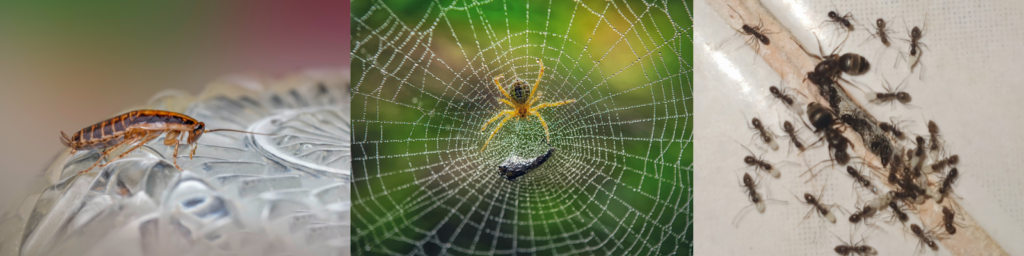
In most cases, preparation is minimal. Pest control works best when technicians can easily access the areas pests are most active. For specific pests like German cockroaches, cleanliness is essential for successful elimination. Ensure that pantry areas are free of food debris, spills, and clutter, as this helps treatments work more effectively. You can learn more about what homeowners can do here like german roaches.
While deep cleaning your entire home isn’t needed prior to a service, a quick tidy-up makes it easier for treatments to reach the right areas and helps ensure nothing blocks access to key entry points.
Before your appointment, it helps to:
- Clear clutter away from baseboards to allow technicians full access for treatment
- Secure pets and let the technician know if you have any concerns
- Take note of where you’ve seen pest activity so you can point it out
- Take photos of pests you have concerns about so a technician can better identify
- Ensure counters are clear of crumbs and debris in the event bait is needed
What Are Common Pest Control Services?
Typical pest control services address a range of common pests. Regular maintenance visits include inspections to catch early signs of infestation and preventive treatments to keep pests at bay year-round. Some of the most common services Infinite Pest Solutions include are:
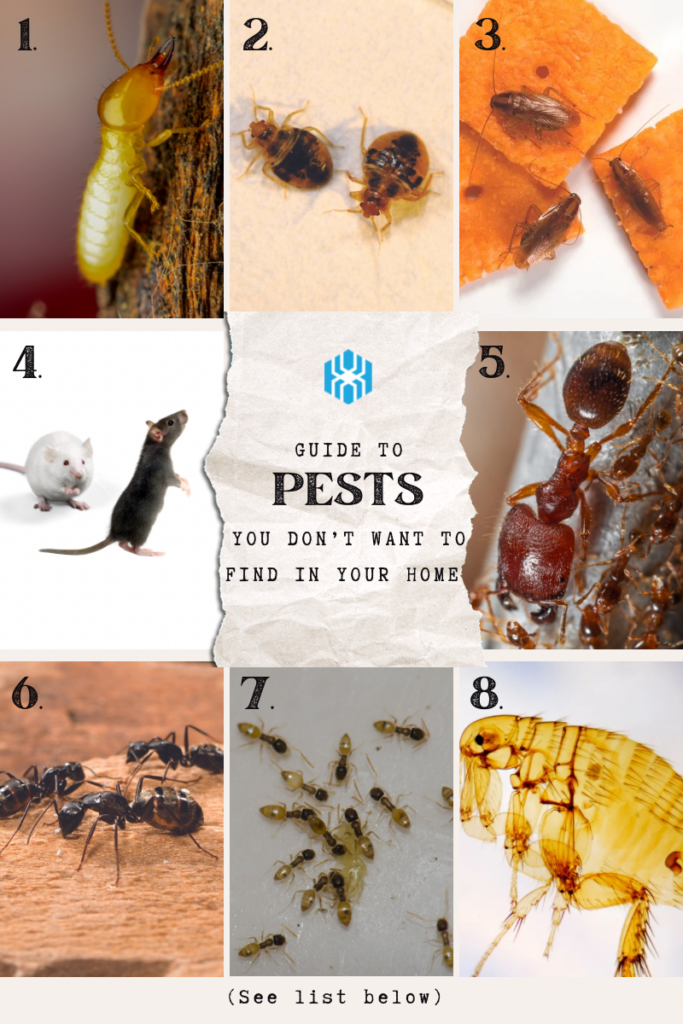
- General pest control for ants, spiders, palmetto roaches, wasps, and other common insects
- Spider control to reduce webs and spider activity in screened in pool cages
- Mosquito control for the lawn, foliage and/or shrubbery
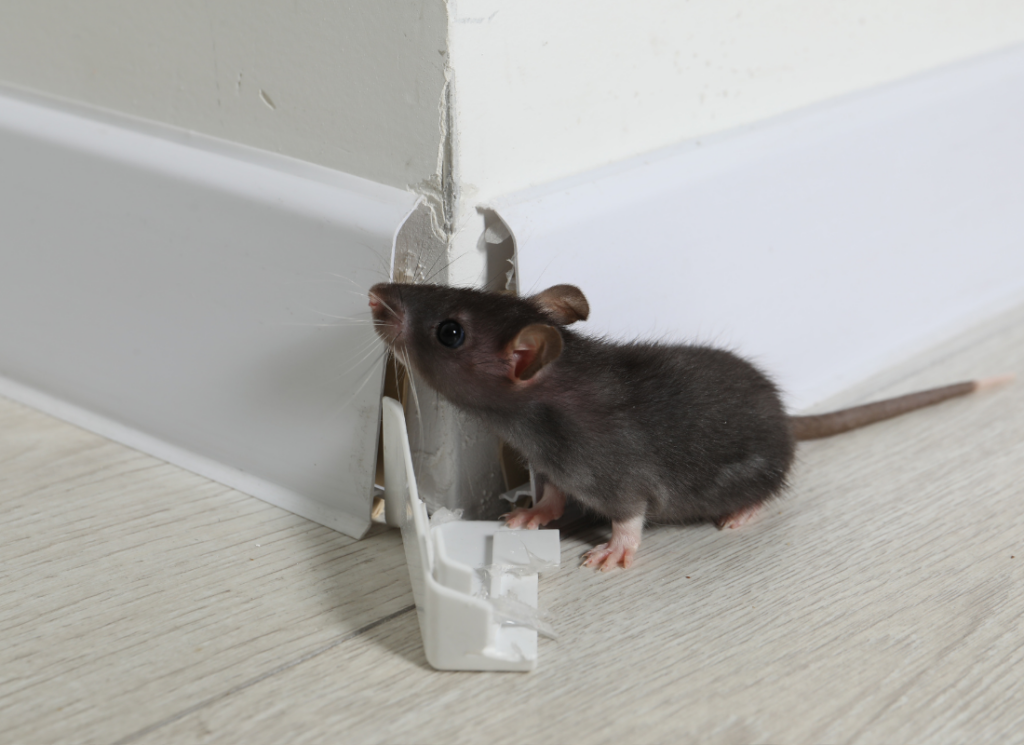
- Rodent control for mice, rats, squirrels, and moles
- Termite control for detection, treatment, and prevention
- Specialty services for pests that require more targeted approaches, such as German cockroaches, bed bugs, and fleas
What Does Normal Pest Control Cover?
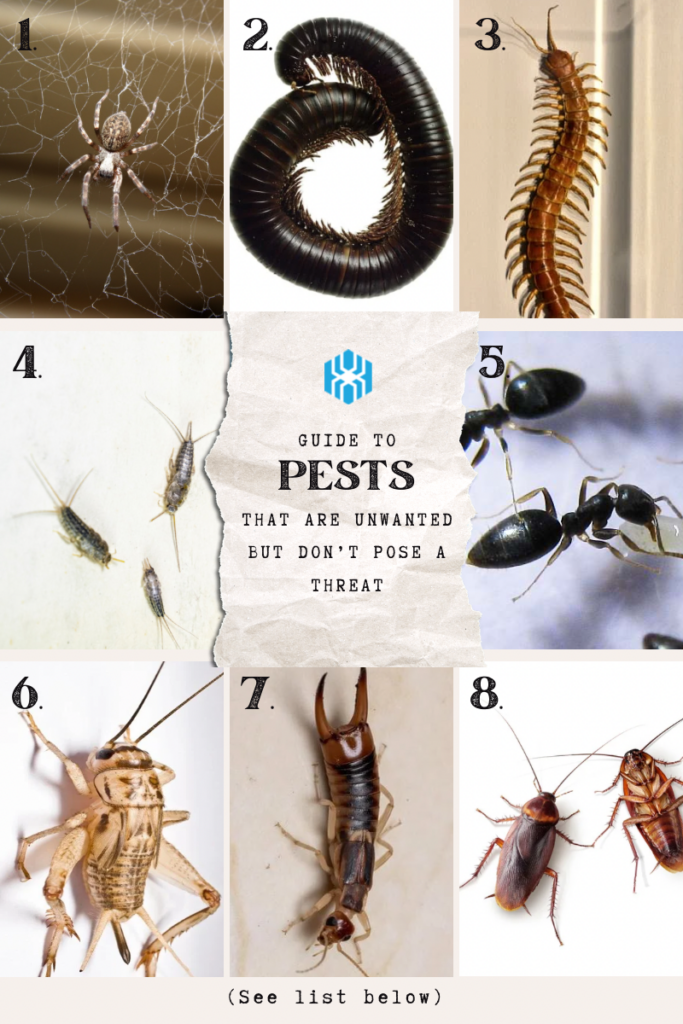
General pest control typically covers the pests homeowners encounter most often. This usually includes:
- Ghost ants
- Fire ants
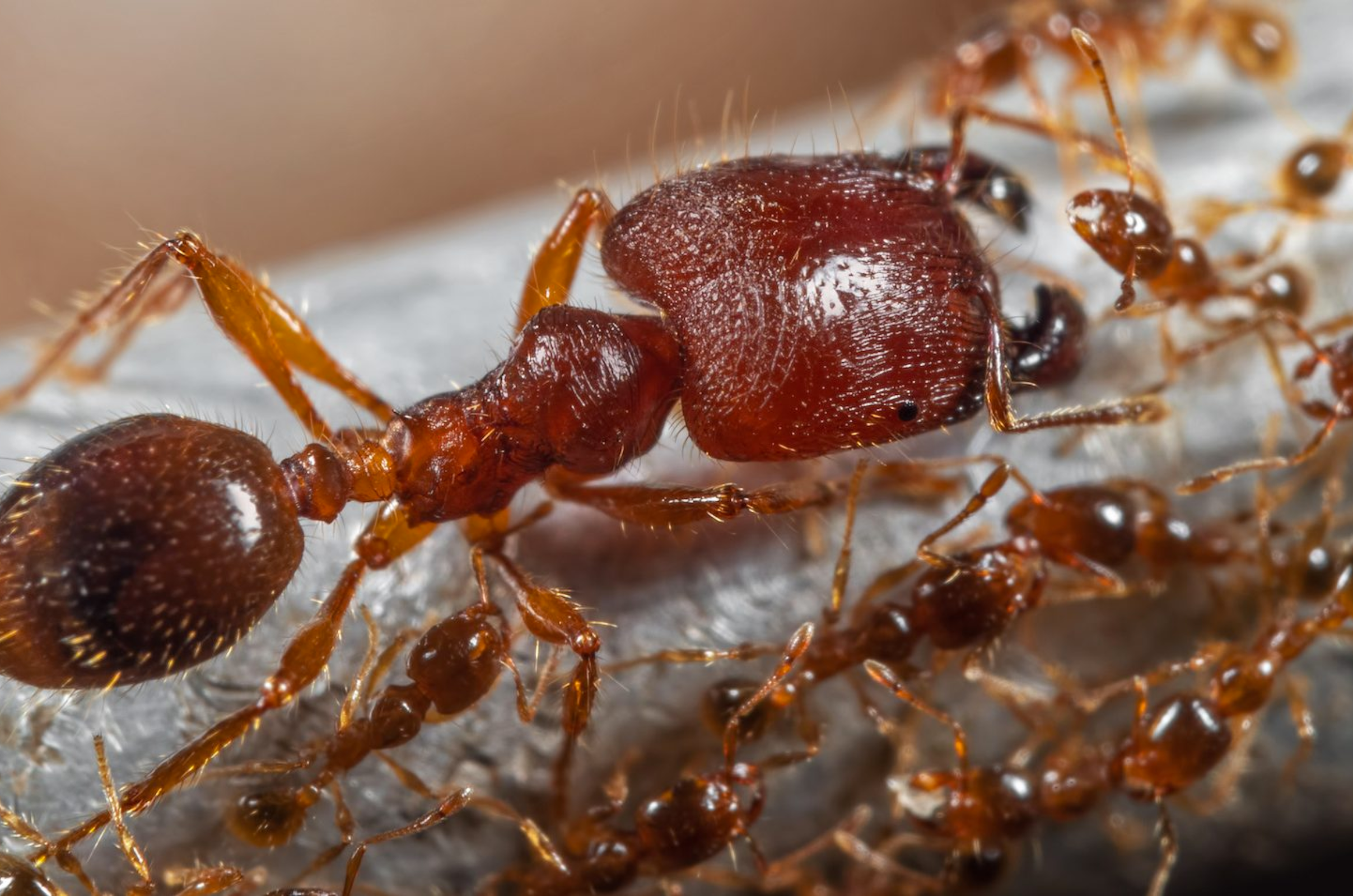
- Big headed ants
- Carpenter ants
- White footed ants
- Odorous ants
- Argentine ants
- Palmetto Cockroaches
- Wasps/Hornets
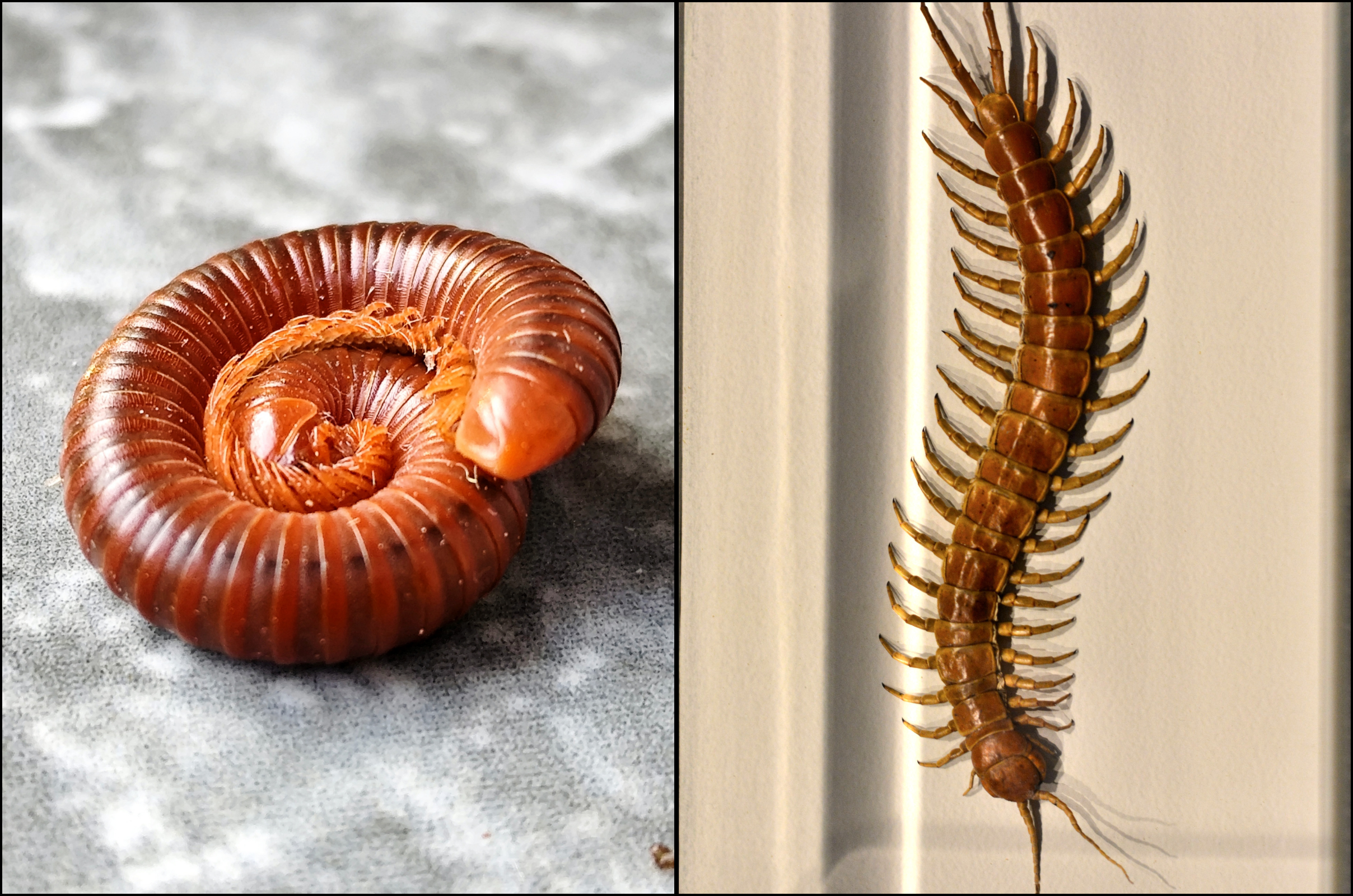
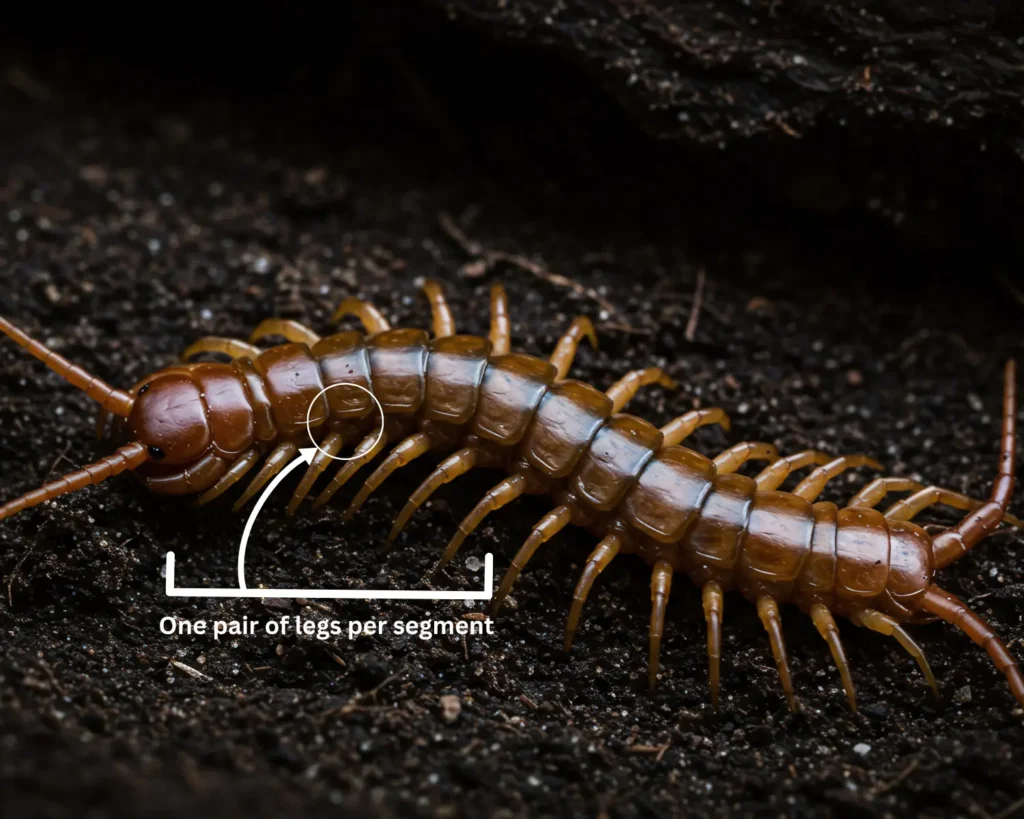
- Centipedes
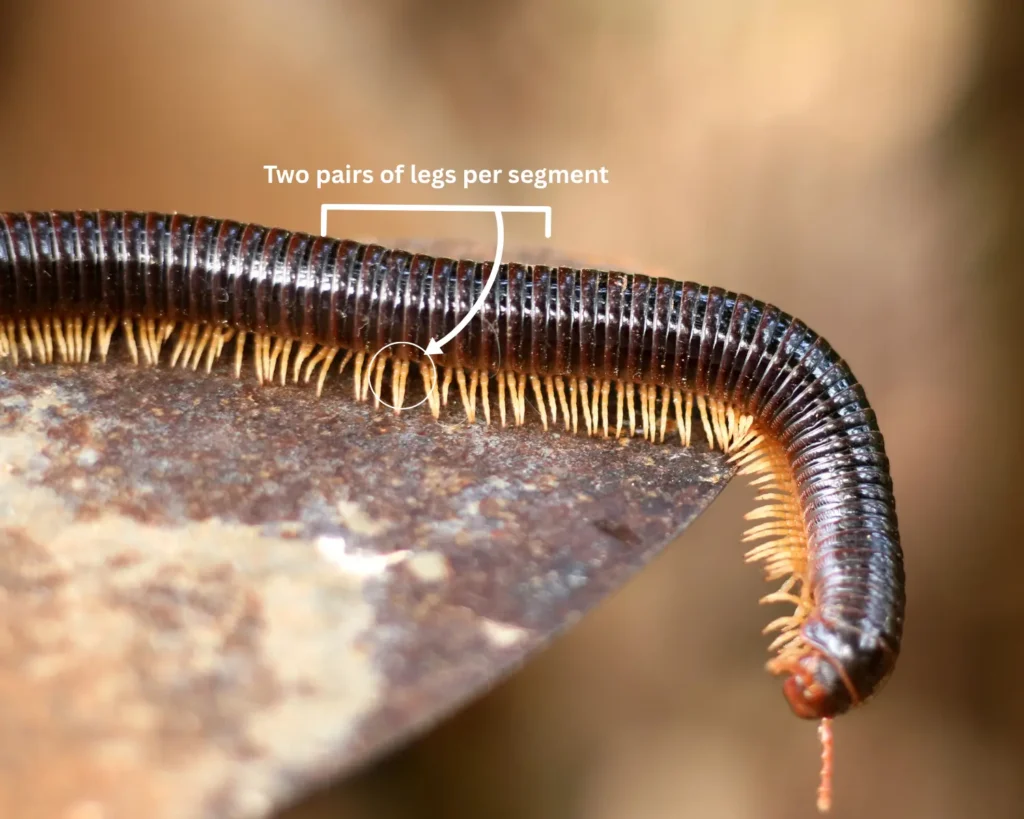
- Millipedes
- Silver fish
- Spiders
- Earwigs
- Crickets
- Sow bugs
These services focus on treating entry points, nesting areas, exterior foundation, and high-traffic pest zones around the home such as soffits. The goal is to rid of what exists around the home and keep a protective barrier around the exterior of the home to prevent any new pests.
What Does Pest Control Do on a First Visit?
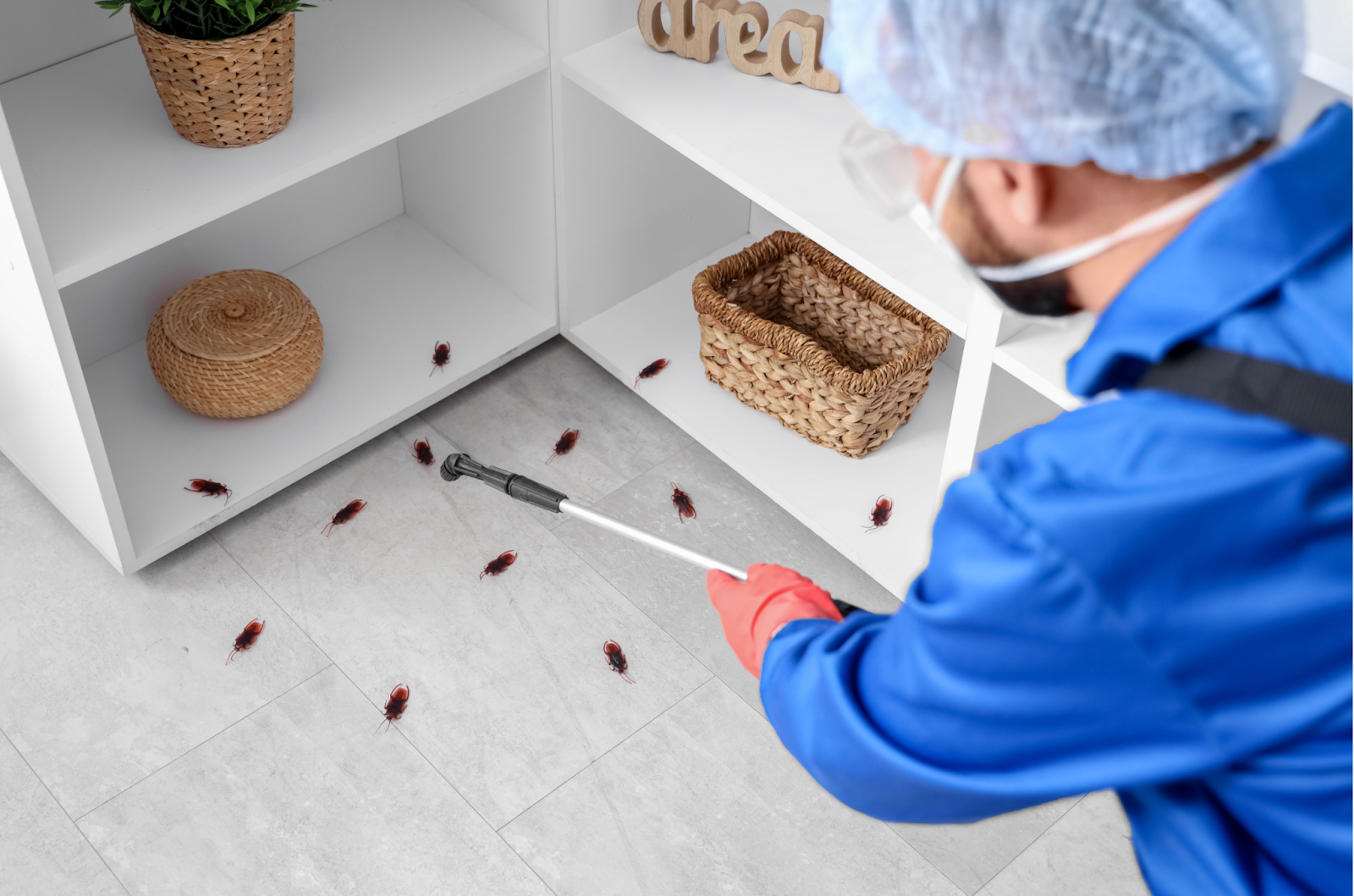
The initial visit is one of the most important parts of pest control. This is when the technician will perform a detailed inspection of the interior and exterior to assess pest activity and identify entry points. Following this, the technician will present a tailored treatment plan addressing your home’s specific needs.
The initial treatment involves barrier applications outside, an interior application, crack and crevice treatments, and removal of wasps/hornets nests or webs. Ongoing maintenance and follow-up visits help to ensure pest-free results especially in warm and humid climates where pests stay active year-round.
Why Ongoing Pest Control Matters
Many pests don’t disappear after a single treatment. Ant colonies, spider populations, and other infestations often rebuild especially if conditions remain favorable.
Routine pest control helps:
- Keep pests from returning
- Prevent new activity
- Maintain a protective barrier around your home
- Eliminate the source of reproduction
Preparing for pest control doesn’t have to be stressful, and knowing what to expect makes the process smoother from the start. From understanding what’s covered to knowing what happens on the first visit, a little information goes a long way.
At Infinite Pest Solutions, we know that professional pest control is about more than just removing pests, it’s about protecting your home, preventing future issues, and giving you peace of mind. Get a free quote today!
Our Orlando Service Locations:
- Orlando
- Clermont
- Apopka
- Windermere
- St. Cloud
- Winter Garden
- Lake Buena Vista
- Kissimmee
- Sanford
- Davenport
- Oakland
- Minneola
- Lake Nona
- Ocoee
- Longwood
- Lake Mary
- Oviedo
- Winter Park
- Altamonte Springs
Our Southwest, FL Service Locations:
- Fort Myers
- Cape Coral
- Naples
- Babcock Ranch
- Lehigh Acres
- Ave Maria
- Estero
- Bonita Springs
- Marco Island
- Sanibel Island