
Does the Brown Recluse Spider Bite?

Every year, people in the United States report thousands of spider bites. However, only a tiny fraction of these come from the brown recluse spider. While these bites are rare, their venom can cause serious tissue damage. In fact, Florida does not have any native populations of brown recluse spiders. Despite this, many residents worry about these venomous arachnids. This guide will help you understand the facts, identify spiders correctly, and take the right steps to protect your home.
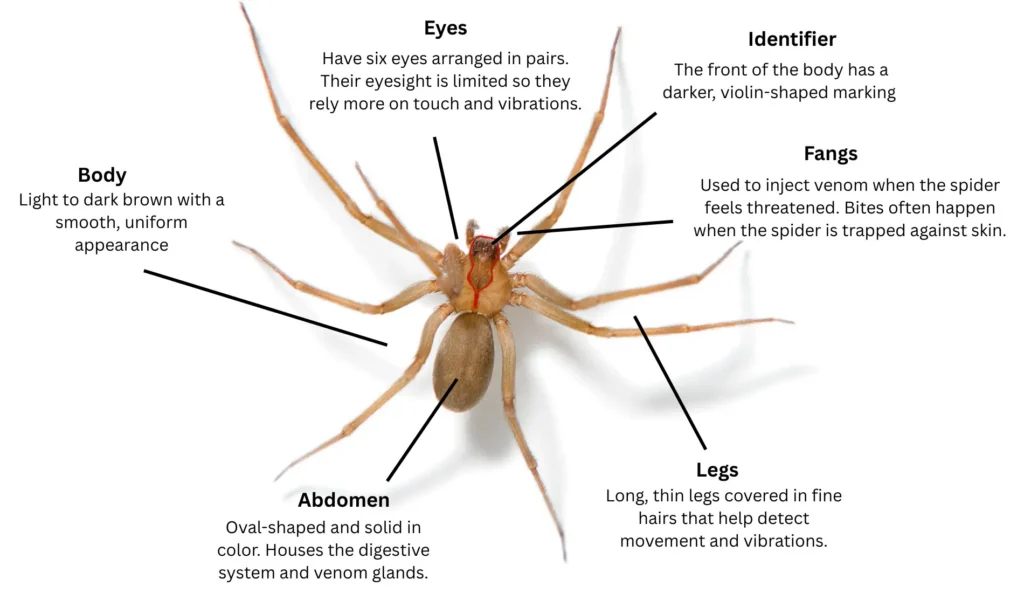
What is a Brown Recluse Spider?

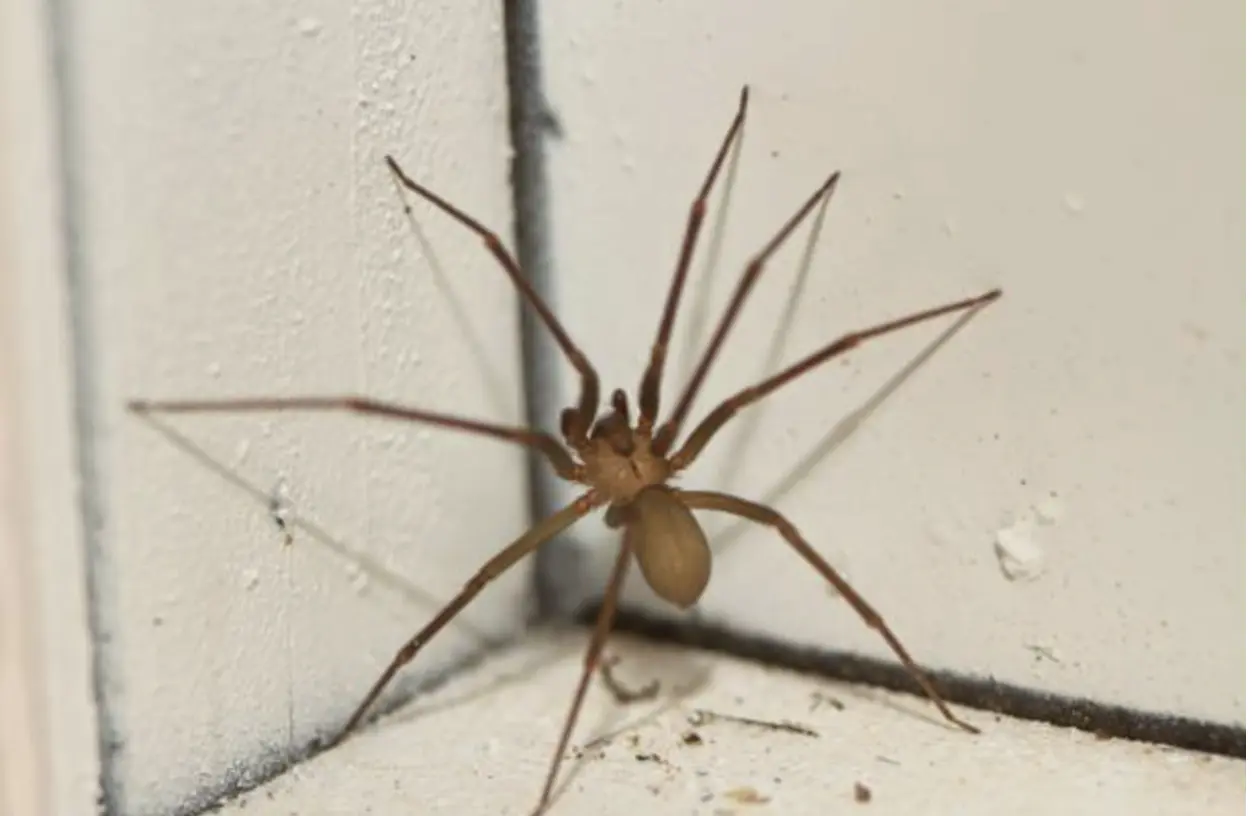
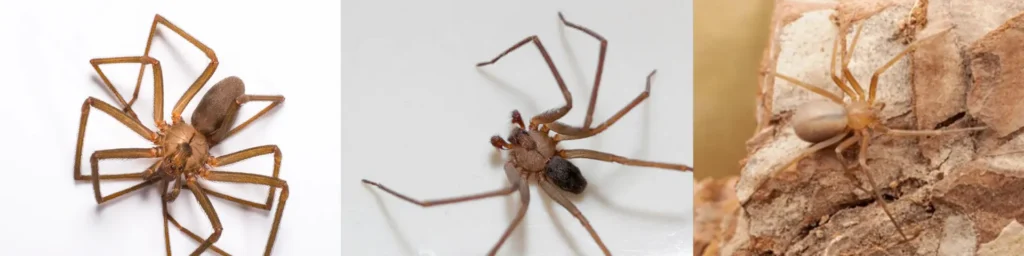
The brown recluse (Loxosceles reclusa) is a tan or brown arachnid. Most people know it for the violin-shaped marking on its back, with the “neck” of the violin pointing toward its rear. An adult recluse is roughly the size of a quarter, including its legs.

How to tell them apart from other spiders:

  • The Eyes: Most spiders have eight eyes, but the brown recluse has only six eyes arranged in three pairs.
  • The Legs: Their legs are smooth and do not have thick spines or stripes.
  • The Web: They don’t build traditional “pretty” webs to catch prey. Instead, they are nocturnal hunters that hide in dark, undisturbed places.

Does the Brown Recluse Spider Bite?
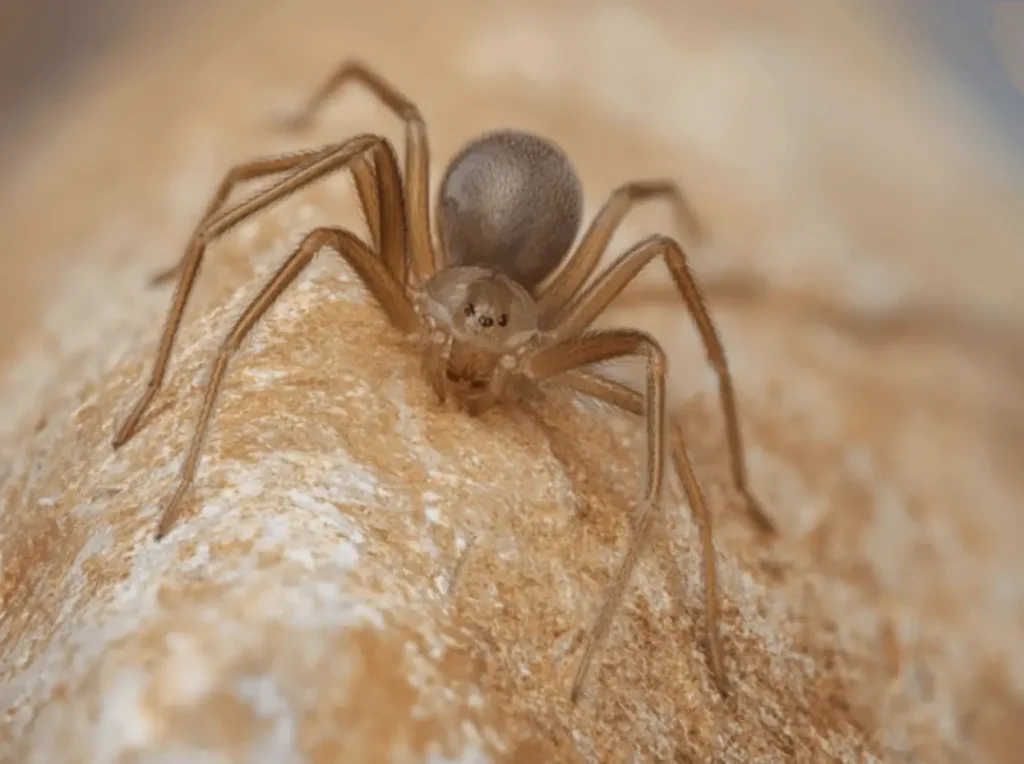
Yes, but they aren’t looking for a fight. Brown recluse spiders are shy and non-aggressive. In fact, they often only bite when someone accidentally traps them against their skin. When it comes to brown recluse bites in Florida, none have been reported to date.

Common bite scenarios include:

  • Reaching into a gardening glove that has been in the garage all winter.
  • Putting on a pair of shoes stored in a dark closet.
  • Rolling over on a spider that crawled into bedsheets.

Because they are “reclusive” by nature, these bites are almost always a desperate act of self-defense.


Signs and Symptoms of a Bite

When it comes to a brown recluse bite, many people don’t even feel the bite when it happens. The initial pinch is often painless or feels like a minor sting. Most bites heal within three weeks without major issues. Nevertheless, some wounds can take much longer to heal and may leave a scar.

Here are symptoms often progress over the next few hours or days:

  1. Early Signs: Redness, itching, and slight swelling.
  2. The Blister: A small white blister or ulcer often forms at the center of the bite.
  3. Necrosis: In severe cases, the tissue around the wound may darken and die (necrosis), creating a crater-like sore.
  4. Systemic Symptoms: You might experience “whole-body” symptoms like fever, chills, nausea, or fatigue.
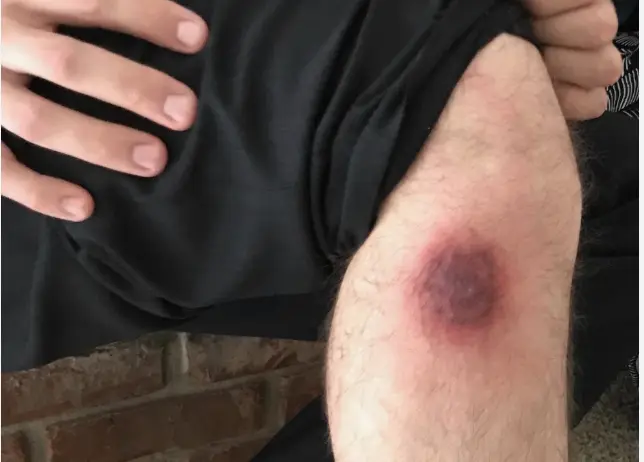
Brown Recluse Spider Bite

Treatment and First Aid

If you suspect a brown recluse has bitten you, don’t panic, but do act quickly. Follow these steps immediately:

  • Clean the area: Use mild soap and water.
  • Apply ice: Use a cold compress to reduce swelling and slow the venom’s spread.
  • Elevate: Keep the bite site higher than your heart if possible.
  • Monitor: Watch for spreading redness or a “bullseye” pattern.

When to see a doctor: Seek medical help immediately if you develop a fever, if the pain becomes intense, or if the skin around the bite starts to turn purple or black.


How to Prevent Spider Bites in Your Home

Prevention is mostly about “evicting” them from their hiding spots. To keep your home safe, try these tips:

  • The Shake Test: Always shake out shoes, gloves, and blankets before using them, especially if they’ve been in storage.
  • Declutter: Clear out old cardboard boxes and piles of clothes or the attic.
  • Seal Gaps: Use caulk to seal cracks around windows and door sweeps to keep spiders from entering.
  • Protective Gear: Wear long sleeves and gloves when moving woodpiles or cleaning out old storage sheds.
  • Regular Pest Control Services: Regular pest control is the best way to ensure these pests stay clear of your home.

The brown recluse spider is a venomous spider that likes to stay hidden, but their presence in a home can still pose a serious concern. Because they prefer dark, undisturbed areas, infestations often go unnoticed until there’s a bite or repeated sightings.

Infinite Pest Solutions offers targeted spider control treatments to protect your home and family. If you suspect brown recluse spiders or want peace of mind, our team is here to help you take control before it becomes a bigger issue.

Our Southwest, FL Service Locations:

Fire Ants: How to Identify & Manage These Aggressive Invaders

Fire ants are a rapidly spreading invasive species. Each year in the United States, these pests cause millions of painful stings. Furthermore, the Centers for Disease Control and Prevention (CDC) reports that fire ant stings send thousands of people to emergency rooms due to severe allergic reactions and infections.

Understanding fire ant behavior is the first step in protecting your home, family, and pets. Consequently, knowing how to spot them and how to fight back can save you a lot of pain.

What Are Fire Ants?

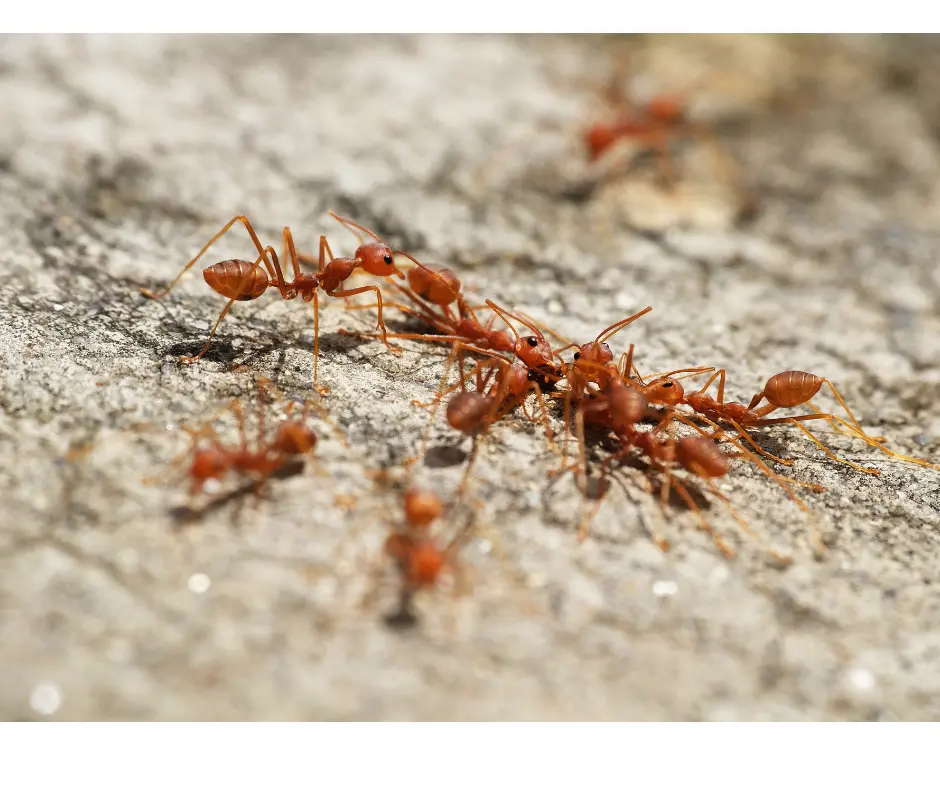
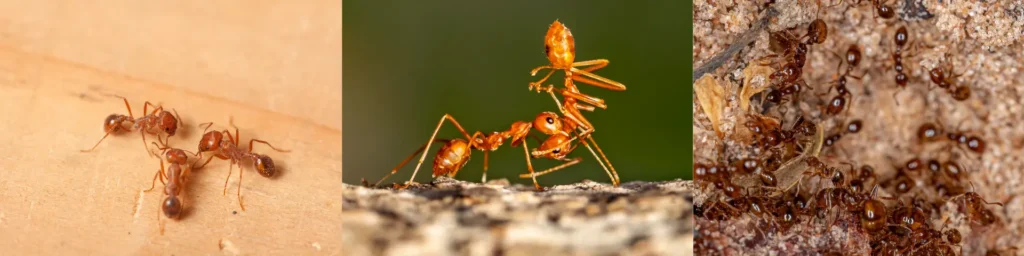
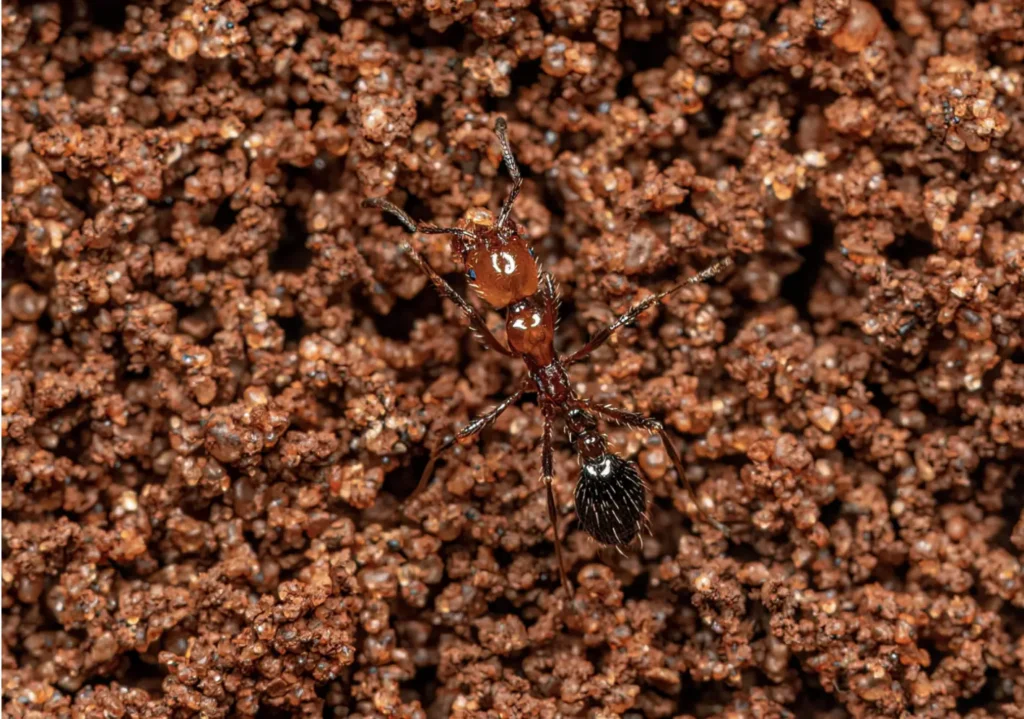
Fire ants are small, reddish-brown to black insects known for their aggressive nature. They get their name from the intense, burning sensation their stings leave behind. Typically, these ants measure about 1/8 inch long.

Big headed ants are commonly mistaken for fire ants. The biggest difference in these two species of ants is that big headed ants have major workers with much larger heads.

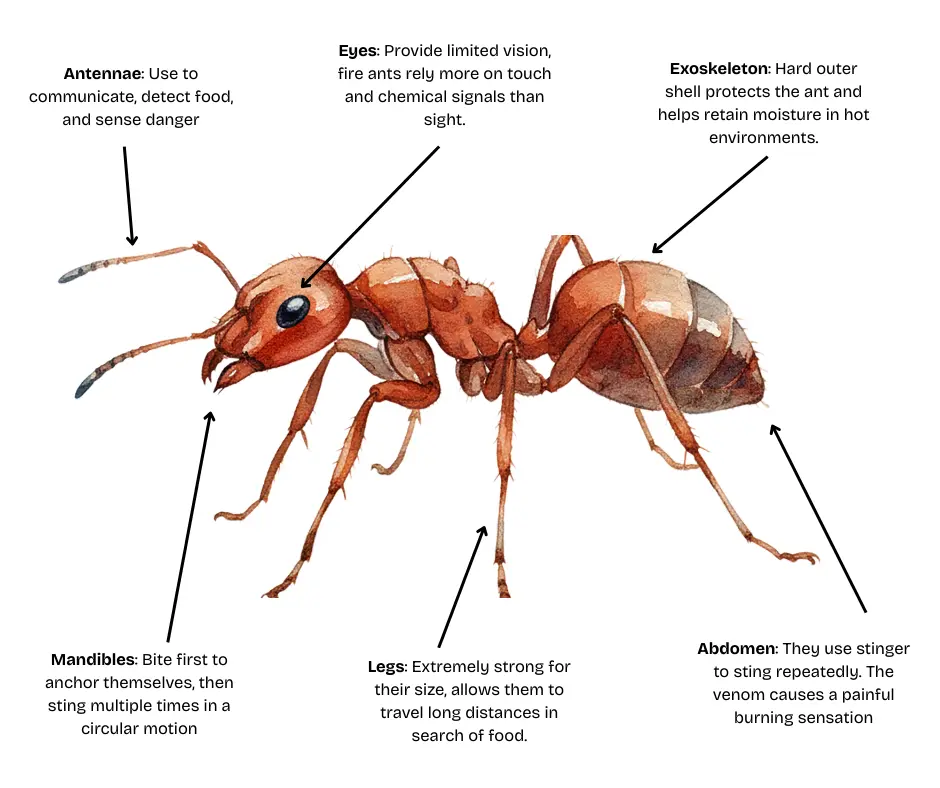
Unlike many other ant species that only bite, fire ants use a “grip and sting” tactic.  Additionally, they bite to anchor themselves to their target and then sting repeatedly with the venomous stinger at the tip of their abdomen. This process then injects venom that causes sharp pain and often results in itchy, pus-filled blisters.

Fire Ant Behavior and Habitat

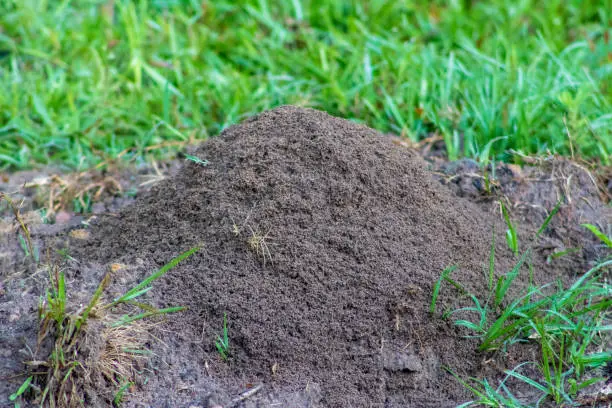
Fire ants build complex colonies run by one or more queens. You can usually identify their presence by their nests, which look like rounded, “fluffy” mounds of loose soil. These mounds can range from a few inches to several feet wide.

Where do they live?

  • Sunny spots: They prefer open areas like lawns, parks, and pastures.
  • Hidden areas: They may nest under pavement or inside electrical boxes.
  • Indoor intrusion: If food is sensed through cracks/crevices, they will intrude.
Fire Ant Mound

While they are from South America, fire ants arrived in the U.S. in the early 20th century. This explains the other name “red imported fire ants”. Since then, they have marched across the South and West, from Florida to California. They become most active during warm months and often surface after heavy rain to keep their larvae from drowning.

In one instance of our pest career, we were called out to a home by a customer whose newborn was being attacked by fire ants in their crib. Due to unsealed crevices by the child’s window and remaining on the child, fire ants found their way to the crib. Following this incident we were contacted to inspect and come up with a plan to prevent this again. As a result of the inspection and pest control plan, we were able to ensure this never happened again.

Risks: More Than Just a Sting

Fire ant stings are notoriously painful, but the risks go deeper than skin level. For sensitive individuals, a sting can trigger life-threatening allergic reactions. Additionally, pets—especially curious dogs—can suffer from rashes or serious complications if they stumble into a mound.

Because the stings itch intensely, many people scratch them, which leads to secondary bacterial infections like staph. Therefore, it is vital to keep an eye on any stings for signs of spreading redness or fever.

What Do Fire Ants Eat?

Fire ants are not picky eaters; they will consume almost anything. Outdoors, they act as predators, feeding on:

  • Fleas and ticks
  • Spiders
  • Cockroaches

However, if they find their way indoors, they shift their focus to your pantry. They seek out sweets, fats, and proteins, often invading kitchens in search of even the smallest crumbs.

How to Spot an Infestation

To find fire ants on your property, look for dome-shaped mounds with loose soil and no obvious center entrance hole. If you see individual ants inside near food sources, it likely means a colony is thriving just outside. Because fire ants can squeeze through tiny cracks, even a few ants indoors warrant an Infinite inspection.

Adult Fire Ant

Effective Fire Ant Control Methods

To truly eliminate a fire ant problem, you must kill the queen. If the queen survives, the colony will simply regenerate. While many “DIY” home remedies exist, they just cause the colony to move to a different part of your yard.

Professional pest control is the most reliable solution. Infinite uses a multi-step approach:

  • Prevention: Regular maintenance prevents new colonies from moving in from the neighbor’s yard or grow in yours.
  • Detailed Inspection: Our licensed technicians inspect the inside and outside of the home to come up with the best game plan.
  • Targeted Baits: We use treatments that worker ants carry back to the queen.
  • Growth Regulators: These stop the ants from reproducing.

Protect Your Home Today

Fire ants are aggressive, but you don’t have to surrender your yard to them. Recognizing the signs of an infestation is your first line of defense. At Infinite Pest Solutions we specialize in safeguarding your family and pets from these hazardous pests.

Don’t let fire ants take over your outdoor space. Reach out to us today so you can get back to enjoying your yard in peace!

Pest Control 101: What to Expect, What’s Covered, How to Prepare

Did you know that nearly 1 in 5 homes in the United States experience some form of pest infestation annually? Pests not only damage property but also pose health risks to your family.  If you’ve never had professional pest control before, it’s normal to have questions. Homeowners often ask what pest control actually includes, what happens during the first visit, and whether they need to do anything ahead of time.

The good news is that pest control doesn’t have to be complicated. Understanding how it works can help you get better results and feel more confident about the process.

Here’s a breakdown of what you should know before your service.


How Do I Prepare My House for Pest Control?

In most cases, preparation is minimal. Pest control works best when technicians can easily access the areas pests are most active. For specific pests like German cockroaches, cleanliness is essential for successful elimination. Ensure that pantry areas are free of food debris, spills, and clutter, as this helps treatments work more effectively. You can learn more about what homeowners can do here like german roaches.

While deep cleaning your entire home isn’t needed prior to a service, a quick tidy-up makes it easier for treatments to reach the right areas and helps ensure nothing blocks access to key entry points.

Before your appointment, it helps to:

  • Clear clutter away from baseboards to allow technicians full access for treatment
  • Secure pets and let the technician know if you have any concerns
  • Take note of where you’ve seen pest activity so you can point it out
  • Take photos of pests you have concerns about so a technician can better identify 
  • Ensure counters are clear of crumbs and debris in the event bait is needed

What Are Common Pest Control Services?

Typical pest control services address a range of common pests. Regular maintenance visits include inspections to catch early signs of infestation and preventive treatments to keep pests at bay year-round. Some of the most common services Infinite Pest Solutions include are:


What Does Normal Pest Control Cover?

General pest control typically covers the pests homeowners encounter most often. This usually includes:

  • Ghost ants 
  • Fire ants 
  • Big headed ants 
  • Carpenter ants 
  • White footed ants 
  • Odorous ants 
  • Argentine ants 
  • Palmetto Cockroaches 
  • Wasps/Hornets 
  • Centipedes 
  • Millipedes  
  • Silver fish 
  • Spiders 
  • Earwigs 
  • Crickets  
  • Sow bugs 

These services focus on treating entry points, nesting areas, exterior foundation, and high-traffic pest zones around the home such as soffits. The goal is to rid of what exists around the home and keep a protective barrier around the exterior of the home to prevent any new pests.


What Does Pest Control Do on a First Visit?

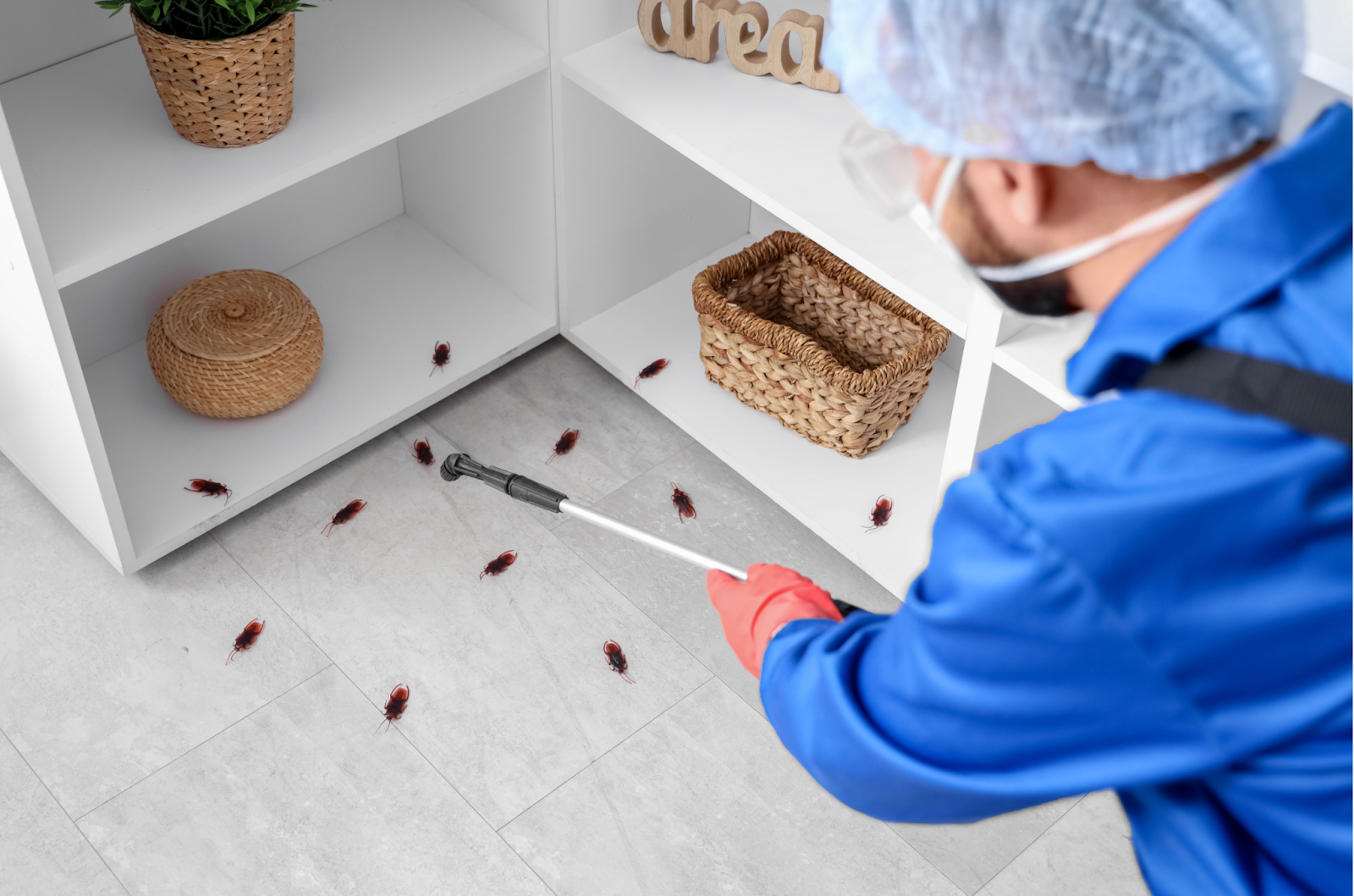
The initial visit is one of the most important parts of pest control. This is when the technician will perform a detailed inspection of the interior and exterior to assess pest activity and identify entry points. Following this, the technician will present a tailored treatment plan addressing your home’s specific needs. 

The initial treatment involves barrier applications outside, an interior application, crack and crevice treatments, and removal of wasps/hornets nests or webs. Ongoing maintenance and follow-up visits help to ensure pest-free results especially in warm and humid climates where pests stay active year-round.


Why Ongoing Pest Control Matters

Many pests don’t disappear after a single treatment. Ant colonies, spider populations, and other infestations often rebuild especially if conditions remain favorable.

Routine pest control helps:

  • Keep pests from returning
  • Prevent new activity 
  • Maintain a protective barrier around your home
  • Eliminate the source of reproduction

Preparing for pest control doesn’t have to be stressful, and knowing what to expect makes the process smoother from the start. From understanding what’s covered to knowing what happens on the first visit, a little information goes a long way.

At Infinite Pest Solutions, we know that professional pest control is about more than just removing pests, it’s about protecting your home, preventing future issues, and giving you peace of mind. Get a free quote today!

Our Southwest, FL Service Locations:

Mice vs Rats – Differences in Florida

Did you know, in the United States, about 21 million homes fall victim to rodents in the winter season? Knowing what a mouse and rat are is key. Knowing their winter habits helps you prevent costly property damage and health risks. Many homeowners overlook common entry points and early warning signs that make homes open to these unwelcome guests. We will compare mice vs. rats and explain their winter behavior. We also highlight hidden entry points that invite nesting rodents into your home.

What Do Mice and Rats Look Like?

Mice and rats differ greatly in size and appearance. Knowing these distinctions is crucial for effective pest control and prevention.

Size and Body Shape:

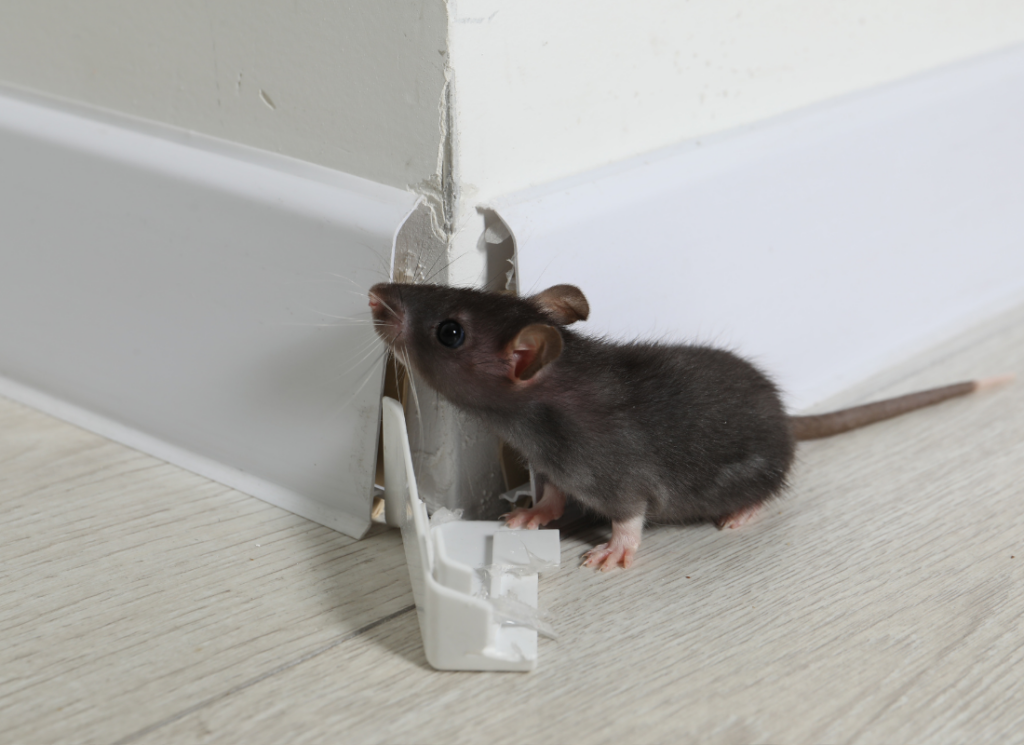
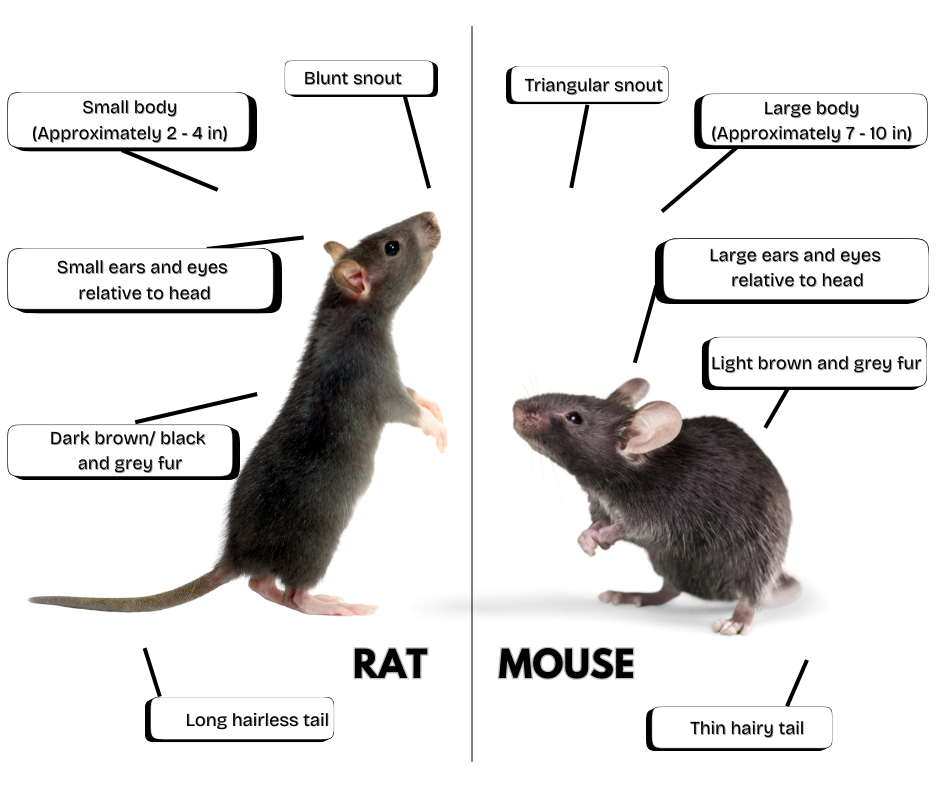
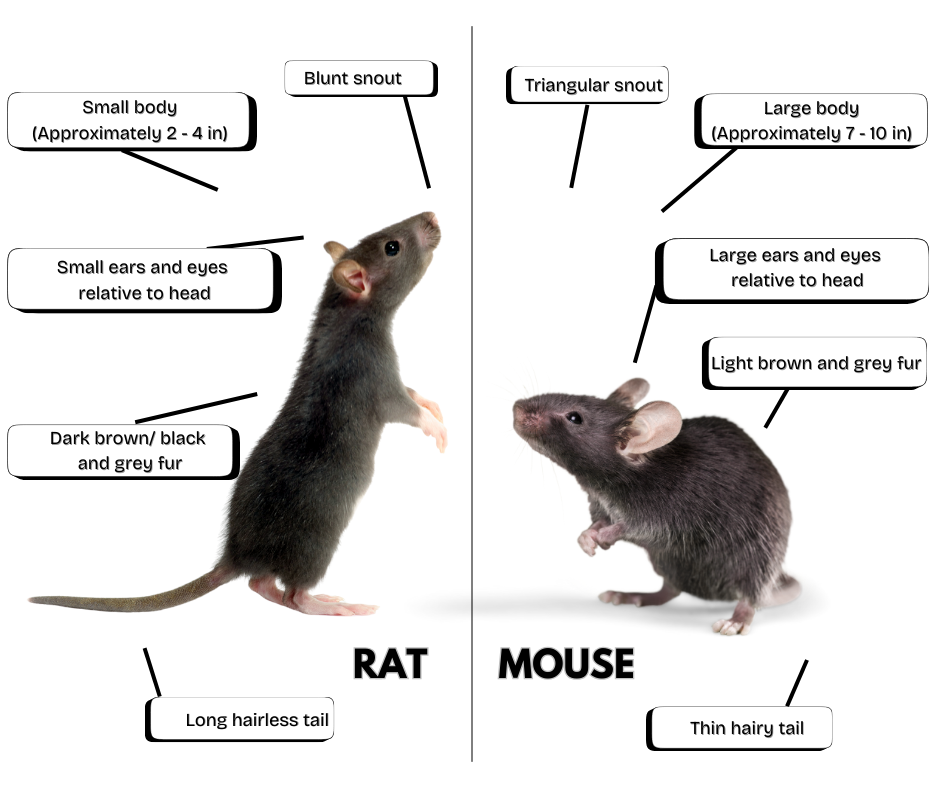
Mice are small, slender, and under four inches long. They feature triangular heads and large ears relative to their body size.

Rats are much larger, often exceeding eight inches in body length, with a rounded muzzle and thicker, muscular build.

Tail and Feet:

Mice have thin, lightly furred tails roughly equal in length to their bodies, aiding in balance and agility. Rats have thicker, hairless, scaly tails used to regulate warmth and stability.

Rat footprints are larger and wider than the delicate, needle-like prints left by mice.

Physical traits influence how each species enters your home. These things determine where you will find signs of nesting.

Behaviors and Habits

Know how mice and rats behave when it comes to feeding and nesting.

Feeding Patterns:

Mice are nibblers who eat small amounts of food frequently throughout the day, often sampling various sources. 

Rats teeth are constantly growing so gnawing is key to keep them from overgrowing. If rats teeth become overgrown, they are no longer able to eat. 

Activity:

Mice are curious explorers that dart quickly and look for new objects in their habitat.

Rats exhibit neophobia — fear of new things — making them more cautious and harder to trap.

Nesting:

Mice build hidden nests like shredded paper. You often find them inside walls, cabinets, or storage bins.

Rats require larger spaces and tend to nest in crawl spaces, attics, garages, or even underground burrows.

Breeding:

Rats breed quickly with having up to 8 newborns every 60 days. After 60 day they are ready to conceive again

Mice reproduce twice as fast every 30 days with about 10-12 new borns every month.

Signs of Rodent Activity to Watch for in Colder Months

Rodents seek warmth as temperatures drop, making late fall and winter prime times for nesting. Watch for these telltale signs:

Droppings:

Mouse droppings are small, rice-shaped pellets with pointed ends, scattered widely.

Rats leave large, clusters of waste near food sources, unlike the scattered pellets of mice.

Gnaw Marks and Structural Damage:

Look for small, dime-sized holes or chew marks for mice, and larger quarter-sized damage from rats. Rats can chew through wood, plastic, and even soft metals, creating serious structural risks.

Sounds and Smells:

Scratching or scurrying noises inside walls or ceilings at night can reveal rodent movement. A strong ammonia-like odor may also indicate urine build up.

Ignoring Entry Points:

Our field evaluations reveal a common trend: most homeowners overlook entry points that rodents exploit daily.

  • Open gaps around roof edges and vents
  • Tree branches or shrubs touching the roof, providing easy access
  • Unsealed cracks near doors, windows, plumbing, or electrical lines
  • Broken screens or damaged weather stripping

These entry points become even more critical in colder months when rodents are actively searching for shelter.

Health Risks Associated with Rodents

Rodents are not just a nuisance; they pose many health hazards. They carry bacteria and viruses such as salmonella, leptospirosis, and hantavirus, which can infect food and surfaces. Their droppings and urine can trigger allergies and breathing issues in children or sensitive individuals. Early detection and control are vital to protect your family’s health.

Common Mistakes and Overlooked Problems in Rodent Prevention

Many homeowners focus on obvious signs inside the house but overlook key prevention steps:

  • Ignoring roof and attic access points — rodents often enter from above
  • Allowing tree branches and vegetation to touch the home on the outside, creating bridges
  • Missing small gaps around utility pipes, vents, and doors
  • Failing to address clutter, which provides shelter and nesting materials
  • Not storing food properly or leaving pet food accessible overnight

These oversights can quickly turn a small rodent presence into a bigger issue.

Effective Prevention and Measures

Taking proactive steps can greatly reduce your risk:

Seal Entry Points:

Use steel wool, metal flashing, or concrete to close gaps larger than a quarter inch. Pay special attention to roof edges, vents, and where utility lines enter the home.

Maintain Vegetation:

Trim tree branches and shrubs away from the house to ride of easy access routes.

Keep Your Home Clean and Clutter-Free:

Store food in sealed containers, clean up crumbs promptly, and reduce clutter inside and outside your home.

Rodent Control with Infinite:

For thorough protection, rely on experts who can spot species, inspect for access points, and implement a tailored treatment plan. Learn more about our complete rodent services.

Conclusion

Mastering rodent behavior is the first line of defense. You must distinguish between mice and rats to secure your home before the winter. Many homeowners overlook critical issues like roof gaps and tree branches touching the home, which can easily invite rodents inside.

Protect your property by sealing entry points and keeping a clean home. Inspecting hidden areas prevents costly damage and keeps your family safe. If you suspect rodent activity or want a expert, don’t hesitate to reach out to Infinite for help.

Our Southwest, FL Service Locations:

Mosquitoes and Diseases They Carry

Every year, mosquitoes are responsible for transmitting diseases that affect millions worldwide. According to the World Health Organization, mosquito-borne illnesses cause over 700,000 deaths annually, making these tiny insects one of the deadliest animals on the planet. While often dismissed as mere nuisances, mosquitoes carry viruses and parasites that can lead to serious health problems. Understanding the risks and how to protect yourself is crucial, especially in places like Florida, where mosquito activity peaks in warmer months.

Common Mosquito Species and the Diseases They Transmit

Several mosquito species are notorious for spreading diseases:

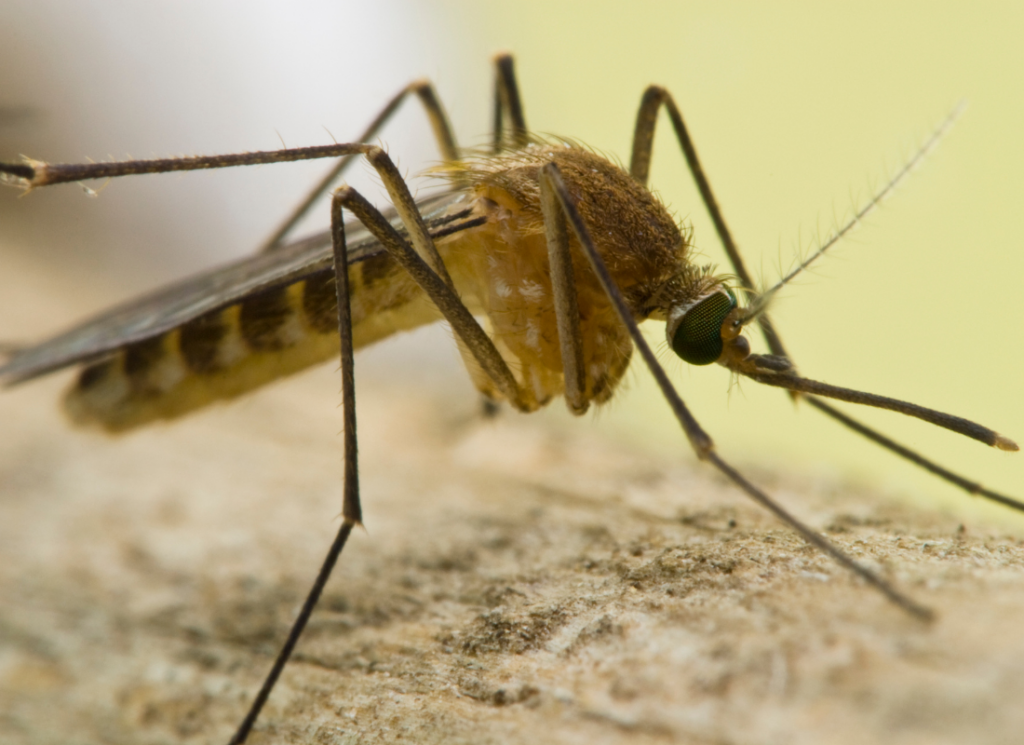
  • Aedes aegypti and Aedes albopictus (Asian tiger mosquito): These daytime biters are vectors for dengue, Zika virus, chikungunya, and yellow fever. Their aggressive biting behavior increases infection risk.
  • Culex mosquitoes: Active mostly at night, they transmit West Nile virus and St. Louis encephalitis.
  • Anopheles mosquitoes: Known for spreading malaria in tropical regions.

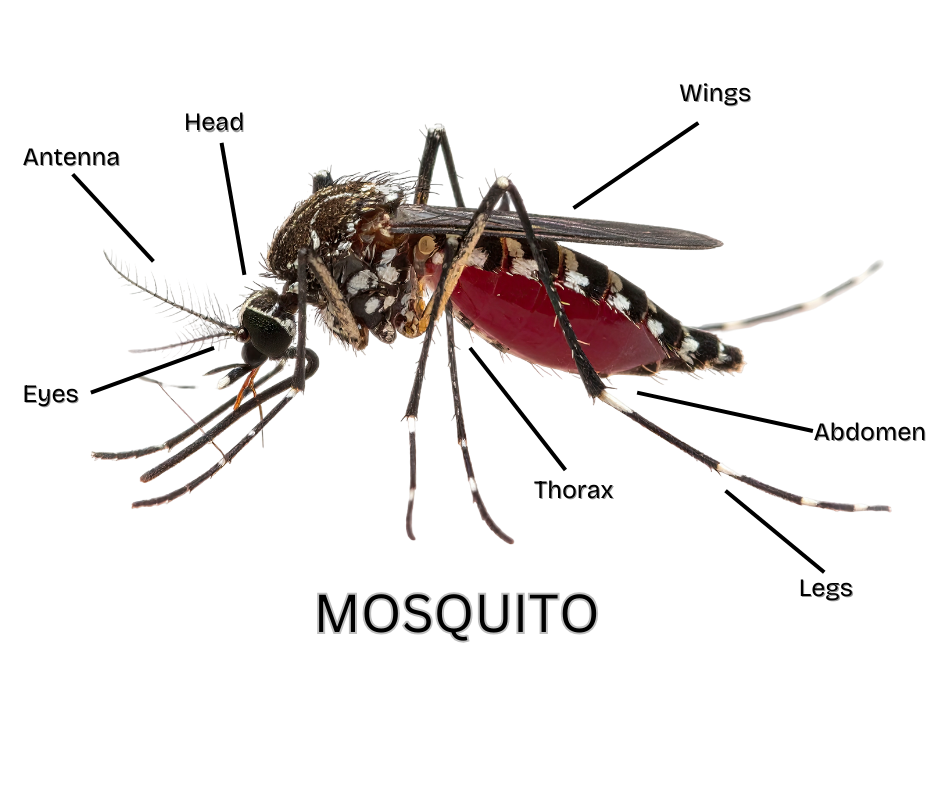
Mosquitoes transmit diseases by injecting saliva containing viruses or parasites while feeding on human blood. These pathogens enter the bloodstream and can cause a range of illnesses, from mild fevers to life-threatening conditions.

How Mosquito-Borne Diseases Affect Humans

Symptoms vary depending on the disease but often include fever, rash, joint pain, and fatigue. For example:

  • Dengue fever can cause severe flu-like symptoms and, in some cases, hemorrhagic fever.
  • Zika virus is generally mild but poses serious risks to pregnant women, potentially causing birth defects.
  • West Nile virus infections are usually mild but can lead to neurological complications in older adults.

Children, the older adults, and people with weakened immune systems face higher risks of severe outcomes. Pet owners should also be cautious, as some mosquito-borne diseases can affect animals.

Why Mosquito Bites Itch: The Immune Response

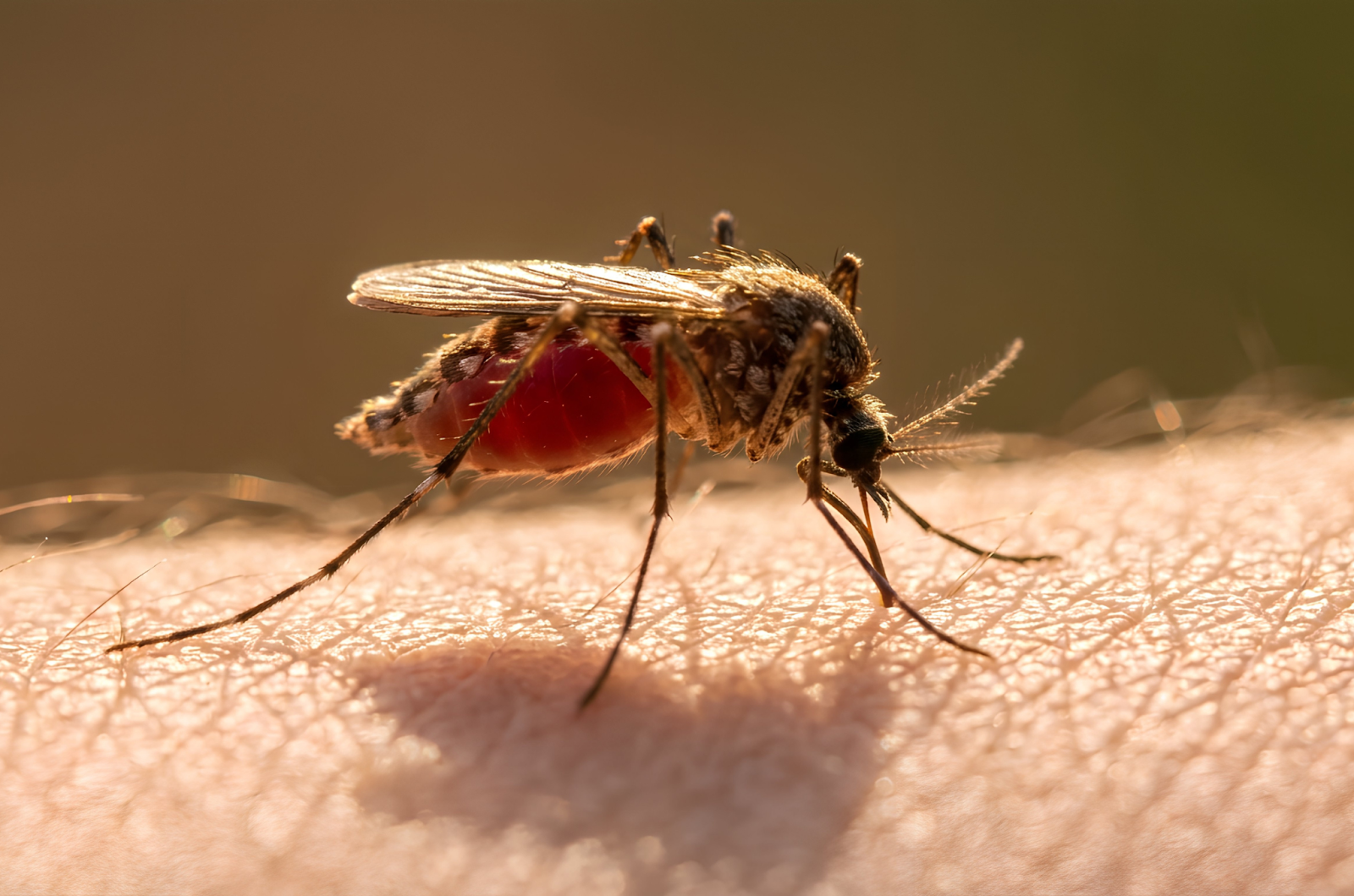
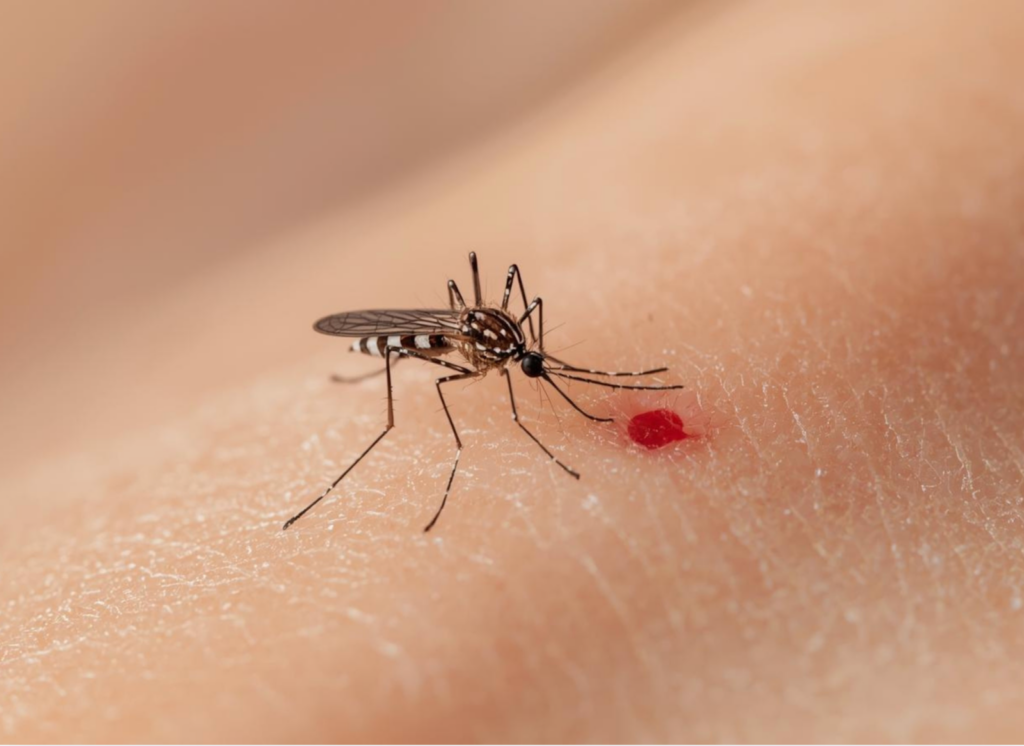
When a mosquito bites, it injects saliva that contains proteins preventing blood clotting. Your immune system reacts to these foreign proteins by releasing histamine, causing blood vessels to swell and triggering the familiar itching sensation. Sensitivity varies—some people experience intense itching and swelling, while others barely react.

Mosquito bite

Preventing Mosquito Bites and Disease Transmission

Preventing bites is the best defense against mosquito-borne diseases. Here are some effective strategies:

  • Keep mosquitoes away from your living spaces by following practical tips in our How to Keep Mosquitoes Away guide.
  • Eliminate standing water around your home where mosquitoes breed—this includes flowerpots, gutters, and pet water bowls.
  • Wear protective clothing like long sleeves and pants during peak mosquito hours.
  • Having a screened in area whether a lanai or extended lanai, especially around pools.

Professional Mosquito Control: A Smart Defense

Mosquito

While homeowner efforts are vital, professional mosquito control services provide an additional layer of protection. These services include property inspections, targeted barrier sprays, and scheduled treatments that disrupt mosquito breeding cycles and reduce populations effectively.

Our mosquito control service offers comprehensive solutions designed to protect your home and family year-round and break the reproduction cycle of mosquitoes. Combining professional treatment with your own preventive measures ensures a safer, more comfortable environment.

Why Florida Residents Should Be Extra Vigilant

Florida’s warm climate creates ideal conditions for mosquitoes to thrive, especially during summer when pest activity surges. Learn more about this seasonal increase and its impact in our article, Why Are Florida Pests More Active During Summer?

Local health authorities have reported cases of dengue and West Nile virus transmitted in Florida, underscoring the real threat these pests pose. Taking proactive mosquito control seriously can protect you and your loved ones from these diseases.

Conclusion

Mosquitoes are more than just annoying pests—they are vectors of serious diseases that can affect anyone. By understanding the risks and adopting a combination of personal prevention and professional mosquito control, you can reduce your chances of bites and disease transmission. Don’t let mosquitoes compromise your health or outdoor enjoyment. Take action today to create a safer home environment.


If you’re ready to protect your home from mosquitoes and the diseases they carry, contact us to learn more about our professional mosquito control services and get your free quote.


Our Southwest, FL Service Locations: