

Red ants are more than just an everyday nuisance. Depending on the species, they can damage landscaping, invade homes, cause painful stings, and even create health and safety concerns. In fact, red imported fire ants alone cause more than $6 billion in damage each year across the United States, according to the USDA.
Knowing which type of red ant you’re dealing with is key to choosing the right prevention and control strategy. Below are five common red ant species homeowners encounter and what it typically takes to manage them effectively.
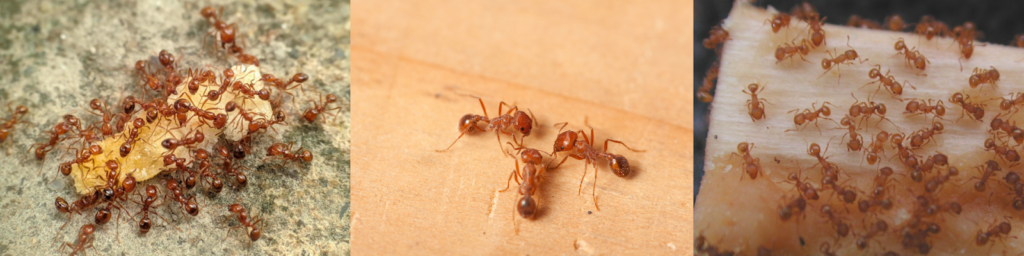

1. Red Imported Fire Ants
Fire ants are one of the most aggressive red ant species. They’re typically reddish-brown and range from about 1/8 to 1/4 inch long. Fire ants build large, dome-shaped mounds, sometimes up to 18 inches wide, and will swarm quickly if their nest is disturbed.
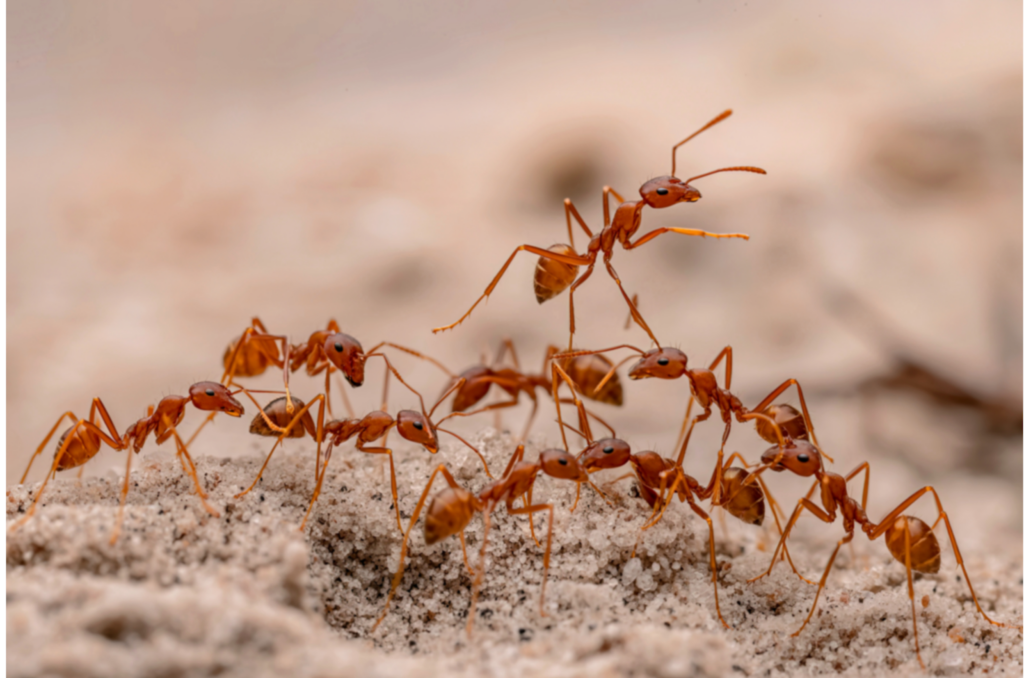
Why they’re a problem:
Fire ants deliver painful stings that can cause burning, itching, and, in some cases, severe allergic reactions. Their mounds also make yards unsafe for pets, children, and outdoor activities.
How to manage them:
Avoid disturbing mounds, as this can make the problem worse. Fire ants usually require professional, colony-level treatments that target the queen and underground nest to prevent reinfestation.

2. Carpenter Ants (Red Varieties)
Carpenter ants are larger ants, sometimes reaching up to 5/8 inch long. They may appear red, black, or a combination of both. While they don’t sting, carpenter ants can cause serious structural concerns.
Why they’re a problem:
These ants tunnel through wood to build their nests, often targeting moist or damaged areas of a home. Over time, this activity can weaken wood structures.
How to manage them:
Look for signs like sawdust-like debris or hollow-sounding wood. Reducing moisture, repairing damaged wood, and locating the main nest are critical. Severe infestations typically require professional treatment.
3. Tawny Crazy Ants
Tawny crazy ants are named for their erratic, fast movement. They’re about 1/8 inch long and have long legs and slightly hairy bodies. This species has become increasingly problematic in Gulf Coast states, especially Florida.

Why they’re a problem:
They’re attracted to electrical equipment and wiring and have been known to cause short circuits and equipment failures. They also form large colonies that are difficult to control.
How to manage them:
Sealing entry points and reducing moisture can help, but tawny crazy ants are highly resilient. Professional pest control is often necessary to manage infestations effectively.
4. Leaf-Cutter Ants
Leaf-cutter ants are some of the most recognizable red ants due to their habit of carrying pieces of leaves. These ants range in size from 1/8 to 5/8 inch and use the leaves to cultivate fungus underground.
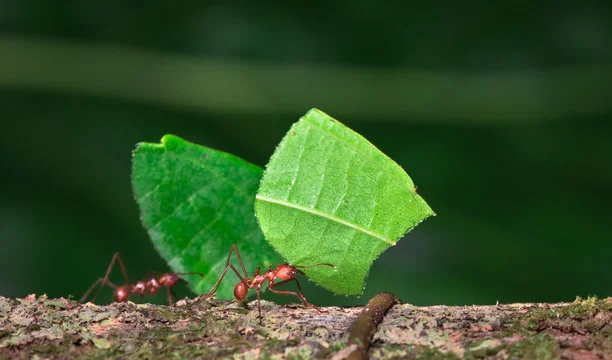
Why they’re a problem:
They can defoliate trees, shrubs, and ornamental plants very quickly, causing significant landscaping damage.
How to manage them:
Physical barriers and targeted treatments can help protect plants, but established colonies usually require professional intervention to prevent ongoing damage.
5. Big-Headed Ants
Big-headed ants, although can be a reddish color, and often mistaken as fire ants. They are named for the oversized heads of their major workers. They typically range from 1/8 to 1/4 inch long and nest in soil, often leaving behind small piles of displaced dirt.

Why they’re a problem:
These ants form large colonies with multiple queens and frequently invade homes in search of food and moisture. A single treatment rarely eliminates the entire colony.
How to manage them:
Sealing cracks, reducing moisture, and maintaining cleanliness can help, but persistent infestations usually require specialized pest control strategies.
Why Red Ants Keep Coming Back
Many red ant species form large or hidden colonies, which means killing visible ants doesn’t address the source of the problem. These colonies can spread over large areas, sometimes multiple blocks or neighborhoods. Without eliminating the nest and queen, ant activity often returns, sometimes worse than before.
Treatments bought from the store may offer short-term relief, but surviving nests nearby can repopulate areas, leading to reinfestation if not addressed thoroughly. Professional pest control focuses on identifying the species, targeting the colony, and preventing future infestations.
At Infinite Pest Solutions, we provide customized ant control plans designed to eliminate red ants and prevent them from coming back. Whether you’re dealing with fire ants, carpenter ants, or large multi-queen colonies, our technicians have the experience to help.

Our Orlando Service Locations:
- Orlando
- Clermont
- Apopka
- Windermere
- St. Cloud
- Winter Garden
- Lake Buena Vista
- Kissimmee
- Sanford
- Davenport
- Oakland
- Minneola
- Lake Nona
- Ocoee
- Longwood
- Lake Mary
- Oviedo
- Winter Park
- Altamonte Springs
Our Southwest, FL Service Locations:
- Fort Myers
- Cape Coral
- Naples
- Babcock Ranch
- Lehigh Acres
- Ave Maria
- Estero
- Bonita Springs
- Marco Island
- Sanibel Island