
What They Are, When They Swarm, and What You Should Actually Do
If you’ve lived in Florida long enough, you already know—there’s a time of year when it feels like love bugs are everywhere.
They’re covering your car, stuck to your pool cage, flying in pairs, and somehow always ending up right in your personal space.
At Infinite Pest Solutions, we get questions about love bugs every single year. And here’s the truth most companies won’t tell you:
They’re not dangerous—but they are incredibly annoying.
Let’s break down everything you need to know (and what to actually do about them).
Quick Answers About Love Bugs in Florida
- Love bugs are harmless flying insects that do not bite, sting, or transmit diseases.
- Florida’s largest love bug swarms usually occur from late April through May, with a smaller wave in the fall.
- Love bugs are attracted to light-colored surfaces, vehicle exhaust, asphalt, and moist vegetation.
- While treatment options exist, controlling love bugs is difficult because they are highly mobile flying insects with unpredictable landing patterns.
- One-time exterior treatments may help reduce activity temporarily, but no treatment can guarantee complete elimination during heavy swarm seasons.
What Are Love Bugs?
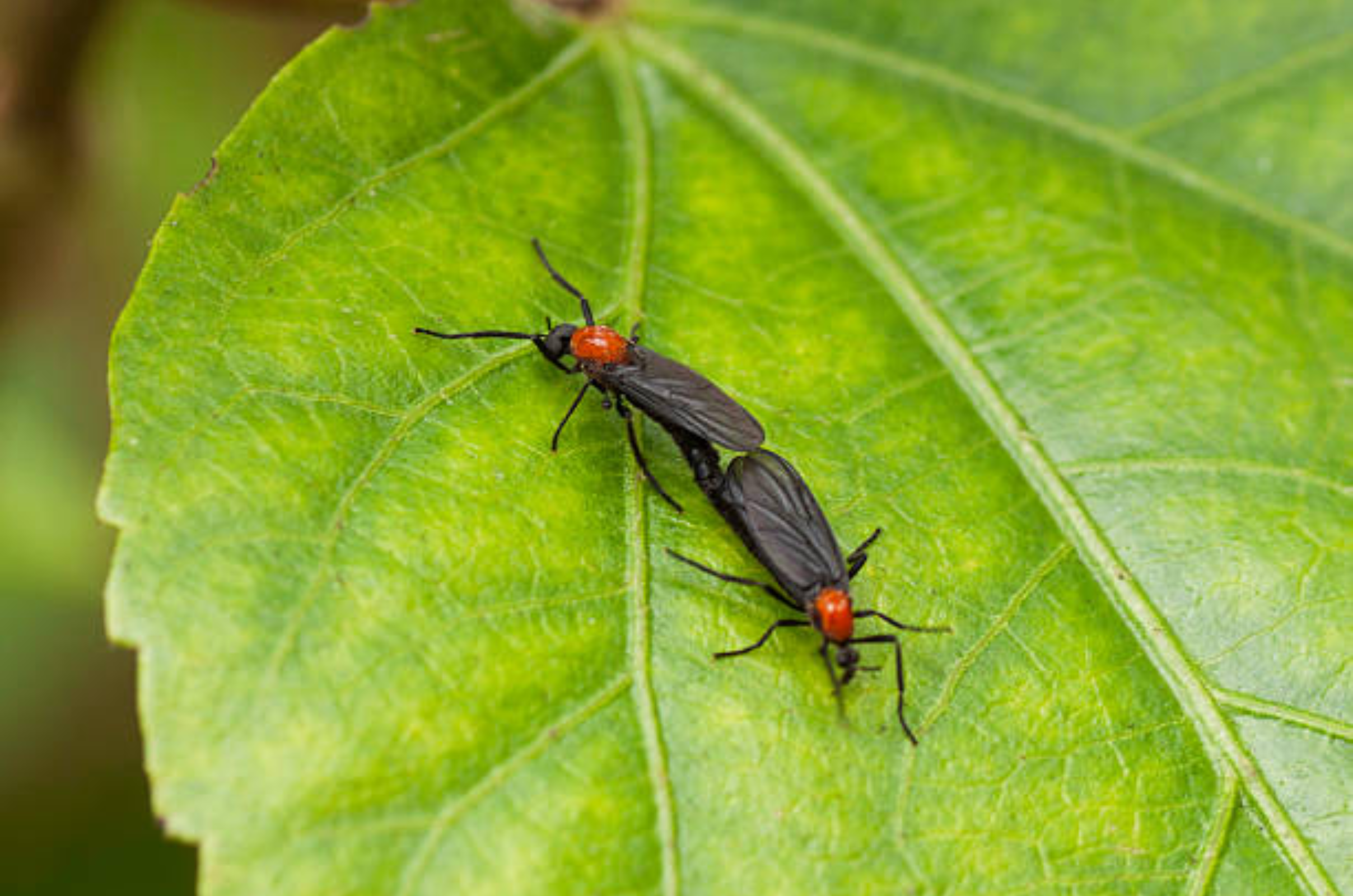
Love bugs are small black flies with a red/orange thorax that are most commonly seen flying in pairs.
That’s not random—it’s because they’re actively mating, which is how they got their name.
From our experience in the field, they’re not a pest in the traditional sense like ants, roaches, or termites. They don’t invade homes or build nests inside your structure.
They’re purely a seasonal nuisance pest.
When Is Love Bug Season in Florida?
Florida typically experiences two love bug seasons each year:
Primary Swarm Season
- Late April through May
- Largest swarms of the year
Secondary Swarm Season
- Smaller wave during the fall
In our experience, the spring swarms are by far the heaviest and generate the most homeowner complaints.
Where Did Love Bugs Come From?
There’s a long-standing myth that love bugs were created in a lab—but that’s not true.
Love bugs are naturally occurring insects that thrive in warm, humid environments like Florida.
They reproduce quickly and are especially drawn to:
- Light-colored surfaces (especially white)
- UV-reflected exhaust from cars and machinery
- Asphalt and roadways
- Moist, decaying vegetation
This is why you’ll see them:
- Swarming highways
- Covering parked cars
- Gathering on pool cages and exterior walls
Why Are Love Bugs Stuck Together?
This is probably the #1 thing people ask.
Love bugs stay attached because they are actively mating, and they can remain connected for 2–3 days at a time.
During that time:
- The male and female fly together
- The female will lay eggs shortly after
- Their reproduction cycle moves fast
That’s why populations explode so quickly during peak season.
Do Love Bugs Bite?
No—love bugs do NOT bite.
They:
- Don’t sting
- Don’t transmit diseases
- Don’t harm humans or pets
They’re harmless—but overwhelming.
What Do Love Bugs Eat?
Love bugs feed on:
- Nectar
- Organic, decaying plant material
They actually play a role in breaking down vegetation, which is beneficial to the environment.
Do Love Bugs Eat Mosquitoes?
No—love bugs do not eat mosquitoes.
They are not predators and won’t help reduce mosquito populations.
How to Get Rid of Love Bugs Around Your Home
While you may not be able to completely eliminate love bugs during peak season, there are several things homeowners can do to reduce the nuisance. At Infinite Pest Solutions, we can perform one-time exterior treatments to help reduce love bug activity around areas where they commonly gather. However, because love bugs are constantly moving and it is nearly impossible to predict exactly where large swarms will land, no treatment can guarantee complete elimination during peak swarm season. Environmental factors like weather conditions, nearby vegetation, migration patterns, and the intensity of the swarm all play a role in treatment effectiveness. While treatments may help temporarily reduce activity, homeowners should still expect to see some level of love bug presence during Florida’s busiest swarm periods.
Wash Vehicles Quickly
Love bugs can damage automotive paint if left on too long due to their acidic body composition after decomposition.
Park in a Garage When Possible
Keeping vehicles protected during heavy swarms can help reduce buildup.
Keep Outdoor Areas Clean
Reducing moist, decaying vegetation may help limit breeding areas nearby.
Understand What Attracts Them
Love bugs are often attracted to:
- White surfaces
- Bright outdoor areas
- Warm pavement
- Vehicle exhaust
While love bugs are difficult to control due to their highly mobile flying behavior, treatment options are available in certain situations.
Should You Worry About Love Bugs?
In our professional opinion:
No—love bugs are not something homeowners should panic about.
They are:
- Harmless
- Temporary
- Seasonal
But they absolutely can become frustrating during heavy swarm periods, especially for Florida homeowners who spend a lot of time outdoors.
Sometimes the best approach is:
- Managing expectations
- Reducing attractants
- Protecting vehicles and outdoor spaces
- Allowing the seasonal cycle to pass
And honestly?
Sometimes a swatter still comes in handy.
Conclusion
Love bugs are one of Florida’s most recognizable seasonal nuisance pests.
While they may look overwhelming during swarm season, the good news is they are harmless and temporary.
Understanding:
- When they appear
- What attracts them
- What treatment options realistically exist
can help homeowners better prepare for Florida’s busiest love bug months.
If you’re dealing with overwhelming outdoor insect activity and want professional guidance, Infinite Pest Solutions can help evaluate your situation and discuss realistic treatment options for your property.
Our Orlando Service Locations:
- Orlando
- Clermont
- Apopka
- Windermere
- St. Cloud
- Winter Garden
- Lake Buena Vista
- Kissimmee
- Sanford
- Davenport
- Oakland
- Minneola
- Lake Nona
- Ocoee
- Longwood
- Lake Mary
- Oviedo
- Winter Park
- Altamonte Springs
Our Southwest, FL Service Locations:
- Fort Myers
- Cape Coral
- Naples
- Babcock Ranch
- Lehigh Acres
- Ave Maria
- Estero
- Bonita Springs
- Marco Island
- Sanibel Island