If you’ve dealt with ants before, you’ve probably grabbed a can of spray from the store and hoped for the best. When the ants kept coming back, you may have wondered what a professional service actually does differently — and whether it’s worth it. Here’s an honest, detailed breakdown of what a true professional ant control service looks like from start to finish.
It Starts with an Inspection — Not a Spray Can
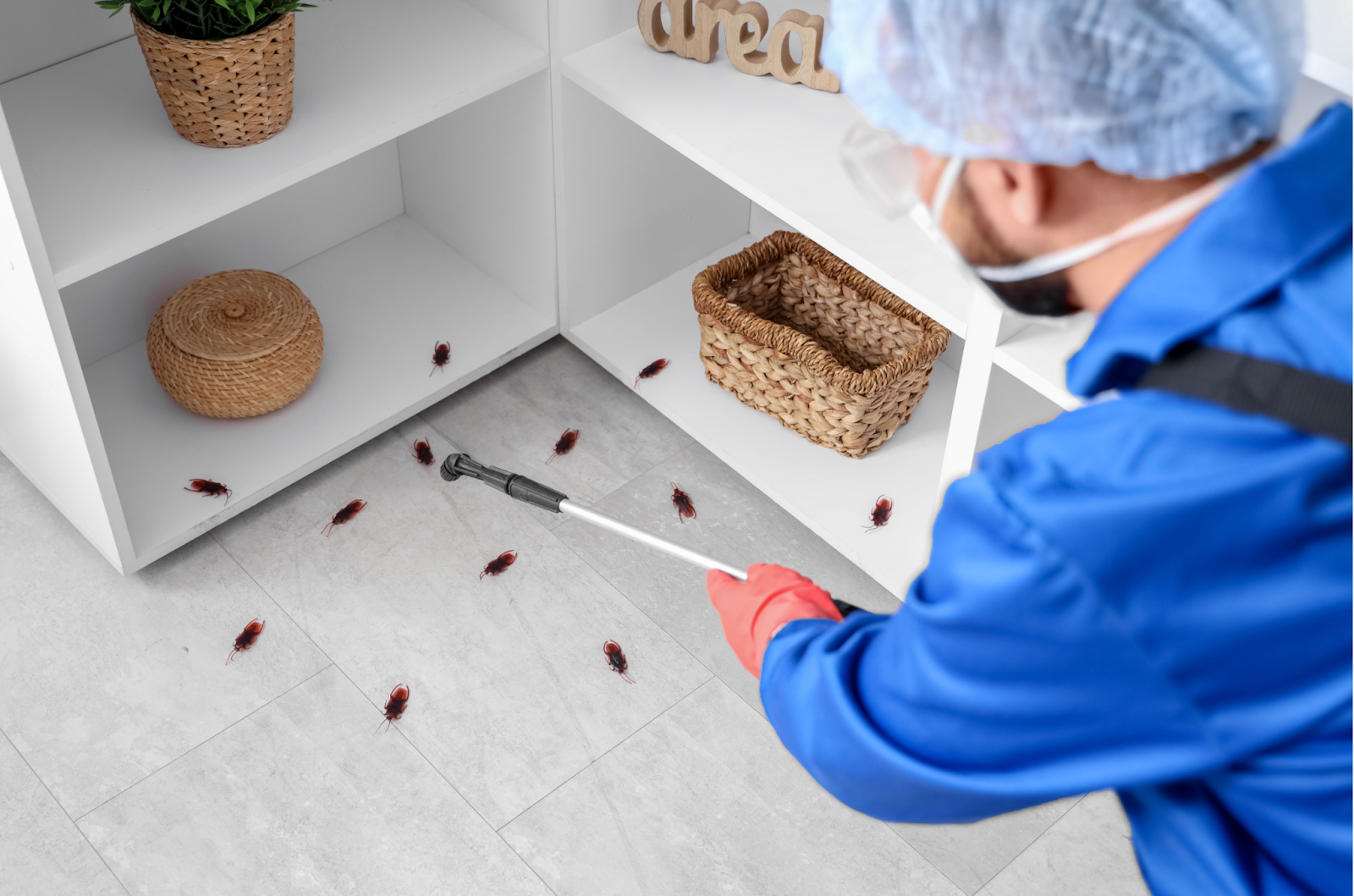
The single most important step in any professional ant control service happens before a single product is applied: the inspection. This is where an experienced technician identifies exactly what type of ant you’re dealing with, where they’re entering the home, and where they’re likely nesting.
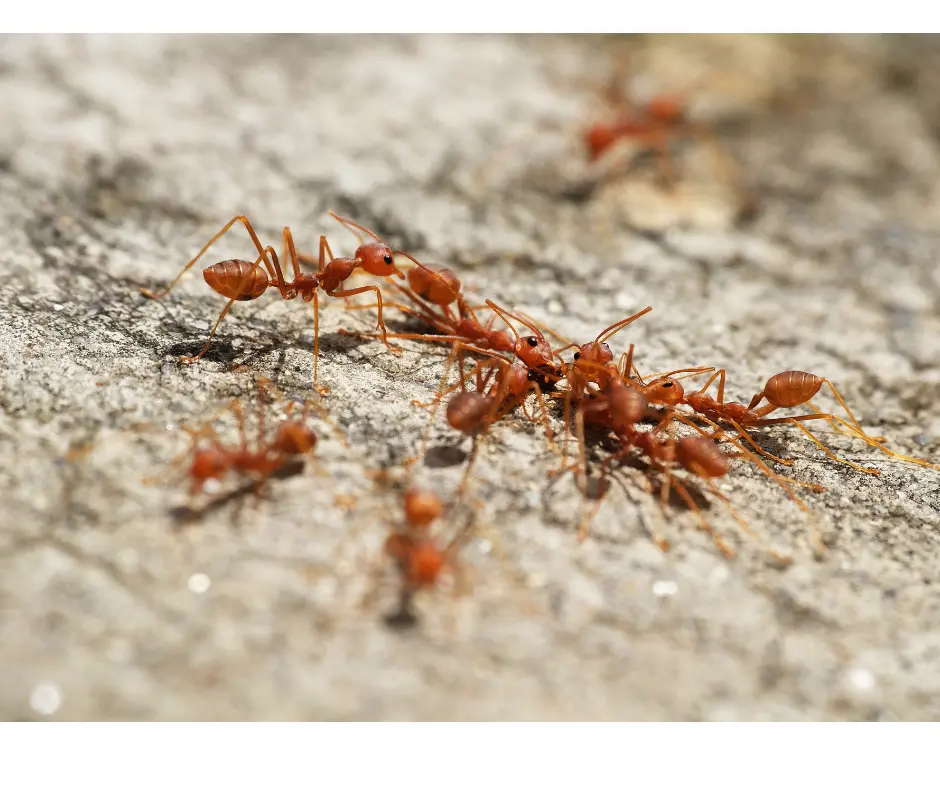
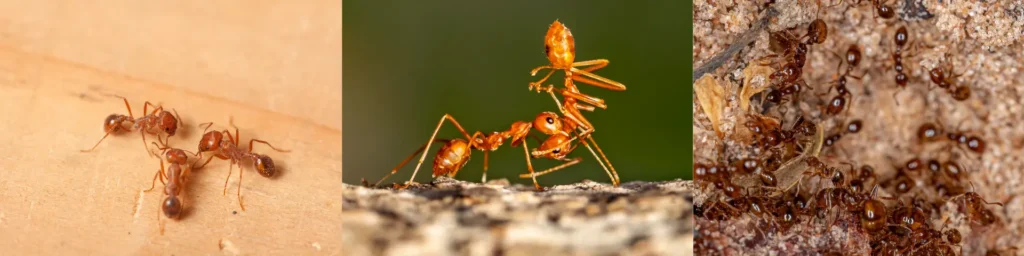
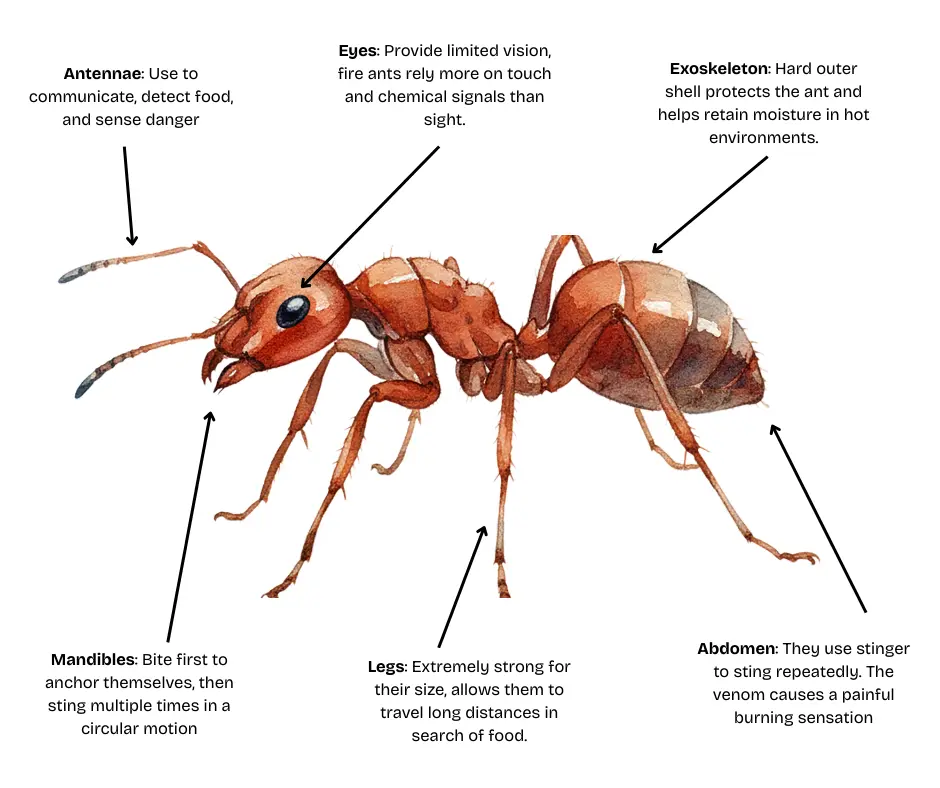
This matters more than most homeowners realize. Different ant species require entirely different treatment approaches. Treating for fire ants the same way you’d treat big headed ants, for example, won’t just be ineffective — it can actually make the problem harder to resolve. A proper inspection allows us to build a solution that’s tailored to your specific situation rather than applying a one-size-fits-all treatment.
Real Case Study
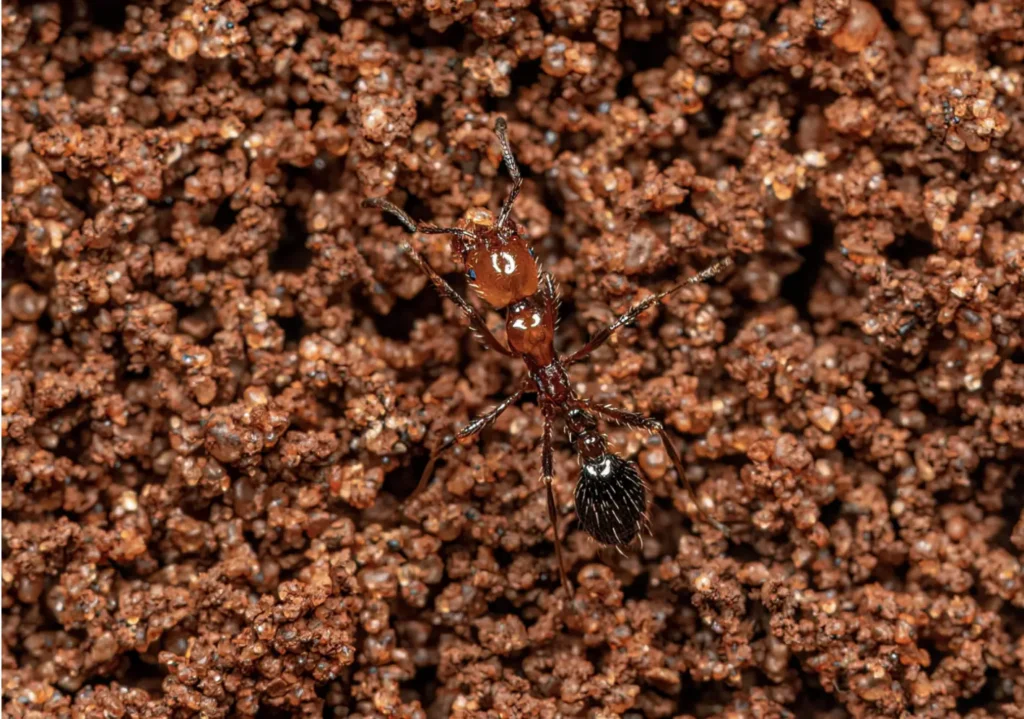
A homeowner called us concerned about piles of dirt appearing along their interior baseboards in the living room. At first glance, it may seem like a minor nuisance — but those dirt piles were a significant indicator of something larger happening outside.
Our inspection of the exterior revealed multiple big headed ant colonies. When these type of ants begin pushing through baseboards and into the living space, it typically signals an extensive infestation — not just a few scouts wandering in. We started treatment immediately, treating both the interior and heavily on the exterior where the colonies were active.
Given the severity, we also scheduled a 30-day follow-up to retreat if necessary. The homeowner enrolled in an every-other-month recurring service plan, which brought the infestation fully under control — and now keeps it that way, with free re-services included in the plan.
Why Your Store-bought Spray isn’t Solving the Problem
This is one of the most common conversations we have with new customers. They’ve sprayed, they’ve seen dead ants, and then a week later the ants are back. The frustration is completely understandable — but the reason it keeps happening comes down to how over-the-counter products actually work.
Most consumer ant sprays are repellents. They’ll kill the ants that come into direct contact with the product — the ones you can see. What they cannot do is reach the colony. And the colony is the entire problem.
Ant colonies are highly organized. Worker ants — the ones foraging through your kitchen or trailing along your baseboards — are not the source. They’re doing a job: collecting resources to support the colony and, most importantly, to protect the queen. The queen’s sole purpose is reproduction, and the entire colony structure exists to keep her safe and active. As long as the queen is untouched, the colony continues. No amount of surface-level spraying changes that.
Professional-grade treatments are designed to reach the colony itself. They work in ways that consumer products simply aren’t formulated to do — targeting the root of the infestation, not just what’s visible on the surface.
What a Professional Service Visit Actually Looks Like
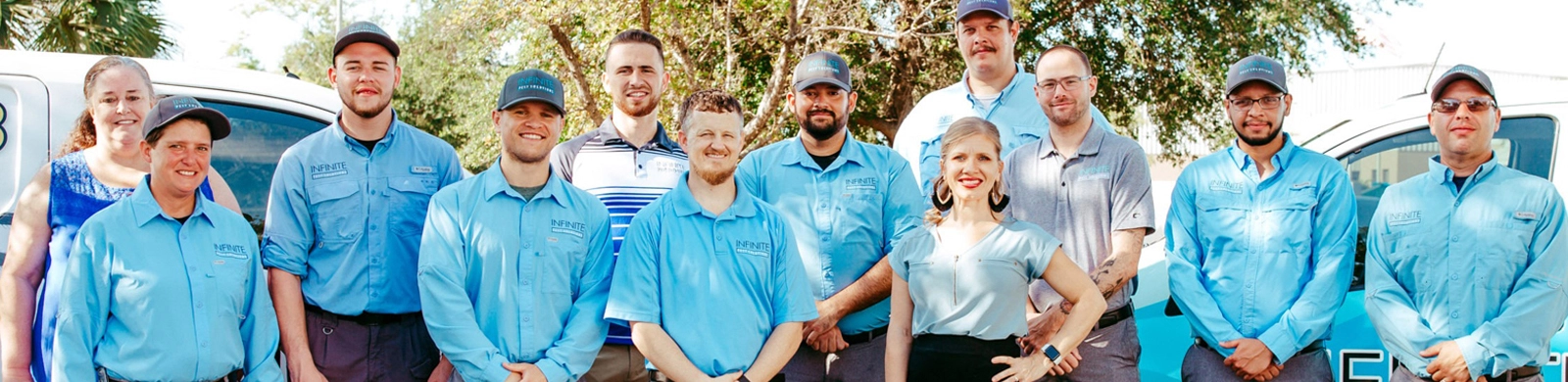
At Infinite Pest Solutions, every service follows what we call our 5-star service. Here’s what that looks like in practice:
- Before we even arrive, we will text you 20-30 minutes prior so you know we are on the way. For those with ongoing services, we also always text a few days before to alert of the scheduled service date.
- We connect with you when we arrive and before we leave. Pest control isn’t just a transaction — we want you to feel heard, informed, and comfortable at every step.
- We inspect before we treat. Every home is different. We don’t just apply the same solution at every property because every home has its own unique conditions and pressures.
- We build custom solutions on-site. Based on what we find, we determine the right products, the right application points, and the right approach for your home specifically. Your garage is a part of our standard services every time.
- We treat the exterior heavily. Our primary objective is keeping pests out of your home. The exterior is where the battle is won. Interior treatment is available and recommended on the initial visit, but it’s never forced — it’s your choice.
- We then deweb all entryways, soffits, eaves, and windows. These are areas that are easy to overlook but are common entry and harborage points.
- We walk you through everything at the end. Before we leave, we let you know exactly what was treated, what we found, and any recommendations for your property. We also send a full written report directly to your email — covering what we did, what we found, the products used, and any recommendations.
One-time Treatment vs. a Recurring: What Works Long-term
One of the most costly misconceptions in pest control is the idea that a single treatment permanently solves an ant problem. It may suppress the activity you’re seeing — for a while. But without ongoing maintenance, colonies rebuild, new colonies move in, and the cycle starts over.
Customers who rely on one-time treatments often end up spending more over time. Each one time service call is a new service charge, with no guarantee, no free re-services, and no continuity of care. An ongoing pest plan, by contrast, gives you scheduled protection, satisfaction guarantees, and the peace of mind that if something comes back between visits, we come back too — at no additional cost.
Consistent, recurring service is what actually keeps infestations from re-establishing. It’s not just about reacting to problems — it’s about preventing them from returning in the first place.
What Sets a Professional Company Apart
Beyond the treatment itself, the details of how a company communicates and operates matter more than most people expect. At Infinite Pest Solutions, we text customers when their service is scheduled and again 20 to 30 minutes before we arrive. It sounds like a small thing, but it’s the kind of seamless, respectful communication that we like to prioritize.
Combined with written service reports, customized treatments, and a genuine commitment to solving the root problem rather than masking it — that’s the standard you should expect from any professional ant control service.
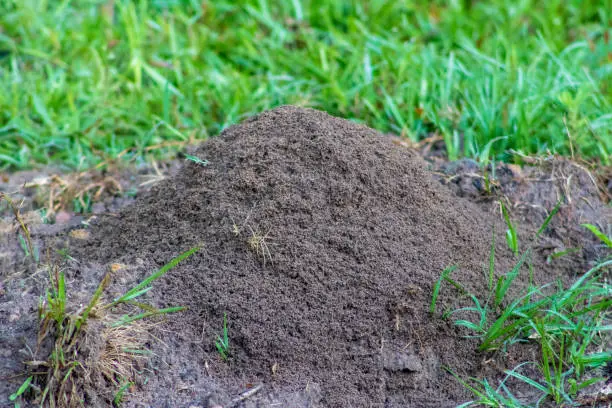
If you’re seeing signs of an ant problem — dirt piles by baseboards, trails along walls, mounds in the yard, or activity in the kitchen — don’t wait for it to grow. The earlier we inspect and identify what’s happening, the easier and more cost-effective the solution. Reach out to Infinite Pest Solutions to schedule your inspection and get a treatment plan built around your home.
Our Orlando Service Locations:
- Orlando
- Clermont
- Apopka
- Windermere
- St. Cloud
- Winter Garden
- Lake Buena Vista
- Kissimmee
- Sanford
- Davenport
- Oakland
- Minneola
- Lake Nona
- Ocoee
- Longwood
- Lake Mary
- Oviedo
- Winter Park
- Altamonte Springs
Our Southwest, FL Service Locations:
- Fort Myers
- Cape Coral
- Naples
- Babcock Ranch
- Lehigh Acres
- Ave Maria
- Estero
- Bonita Springs
- Marco Island
- Sanibel Island