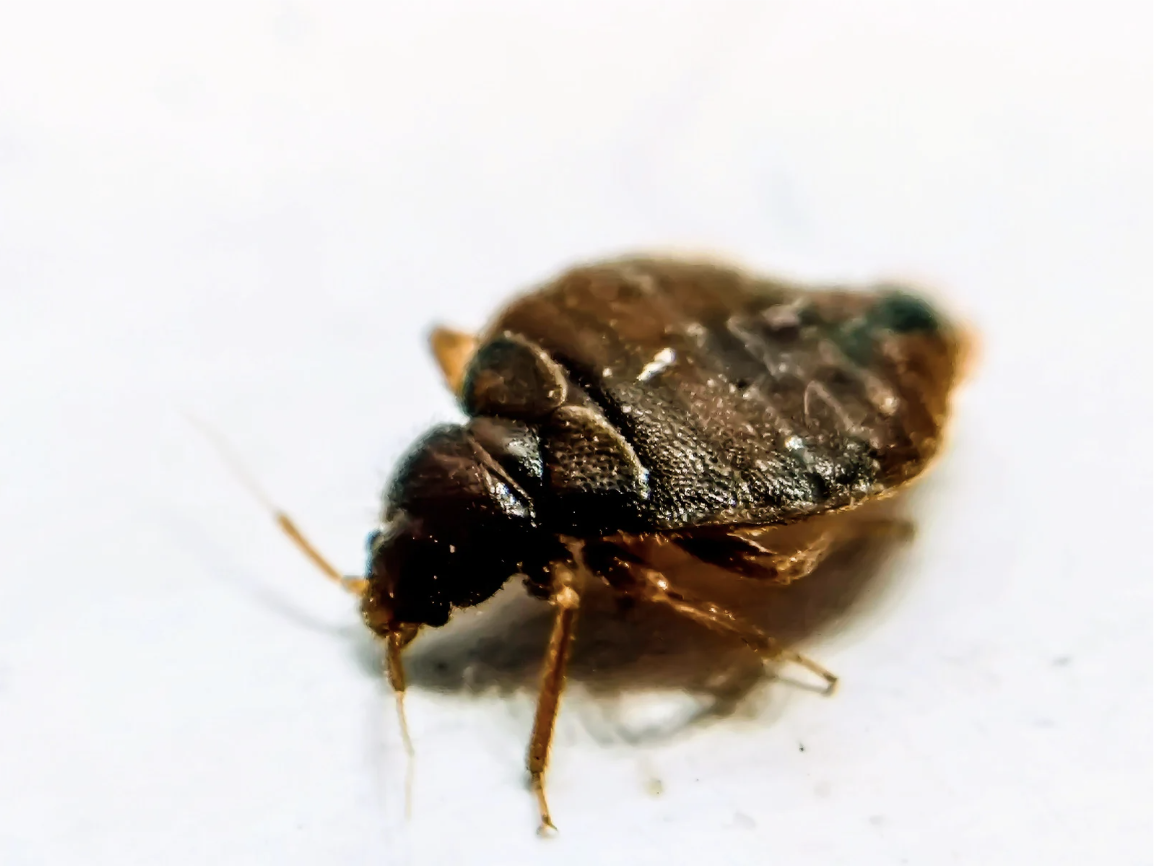
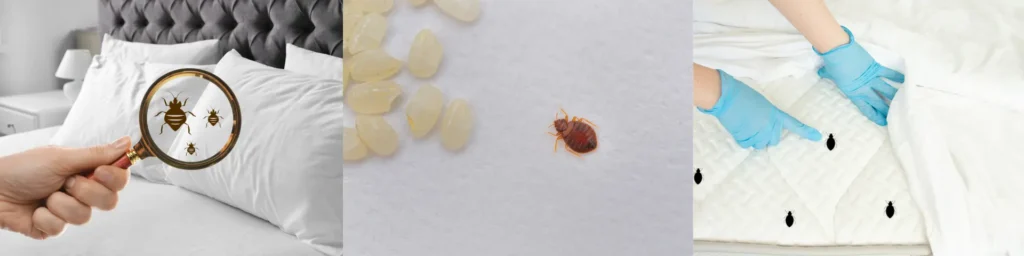
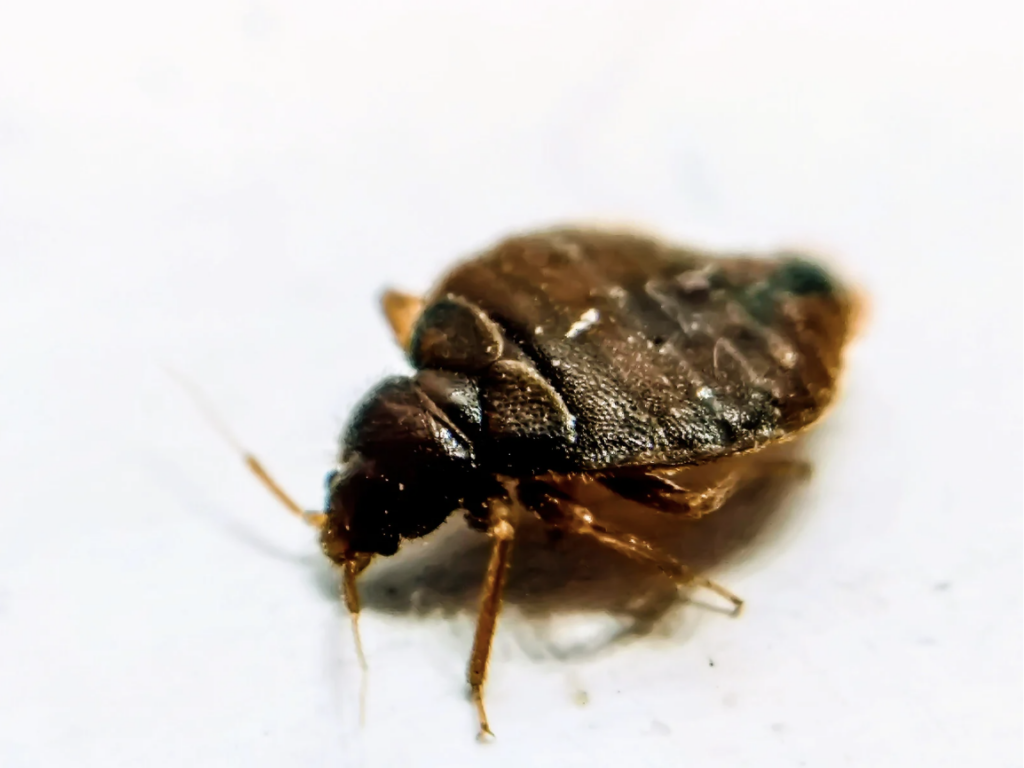
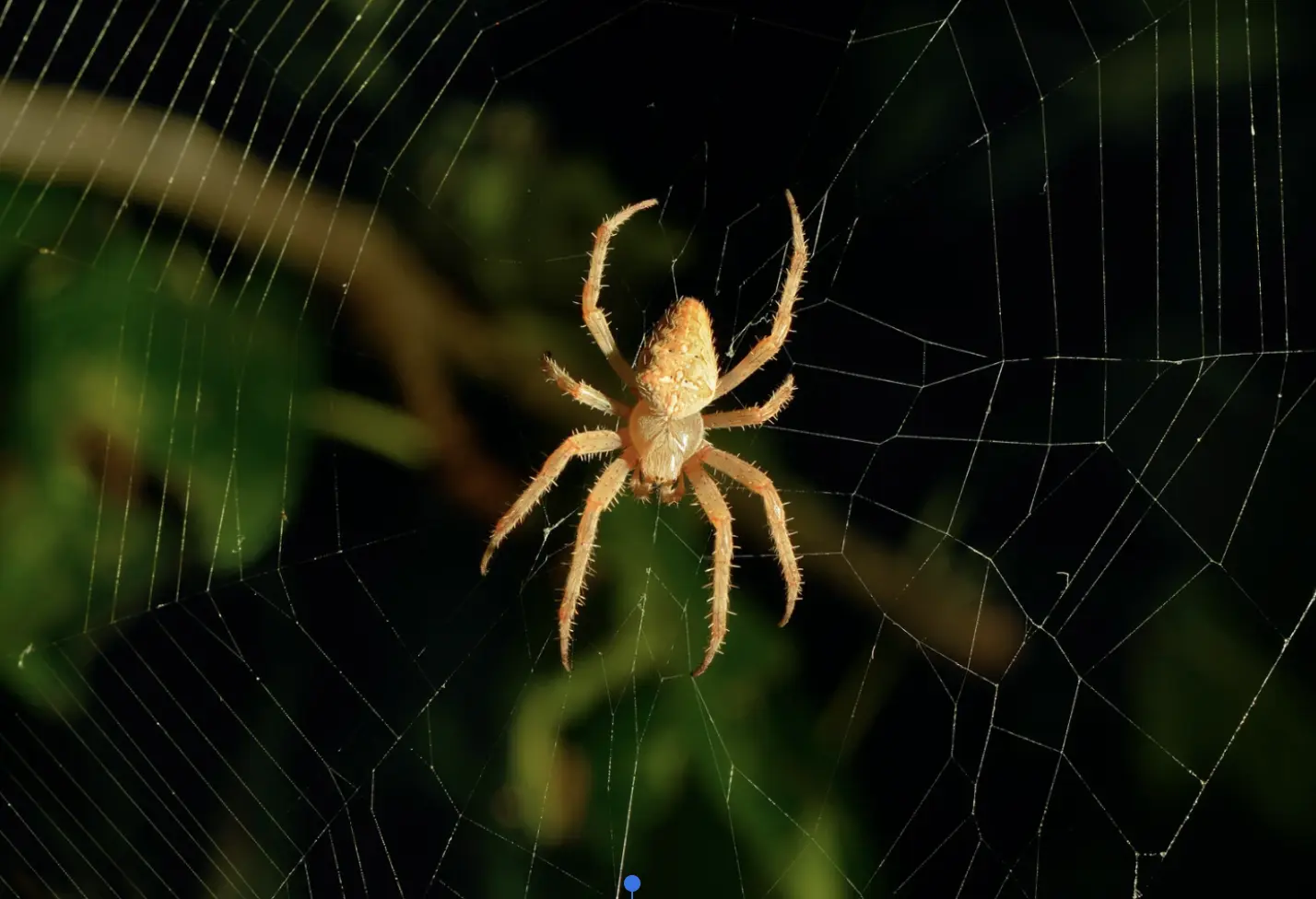
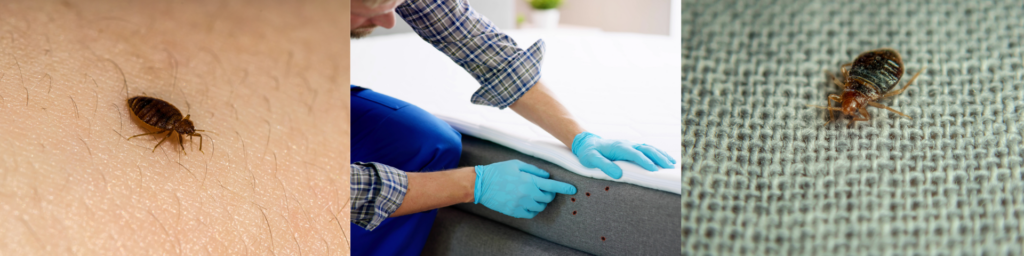
Yes, you can see bed bugs with the naked eye, but that doesn’t always make them easy to detect. One of the first questions people ask when they suspect an issue is whether bed bugs are actually visible—or if they’re too small to notice. Understanding what bed bugs look like and where they hide can help you identify a problem early and take action quickly.
Signs of Bed Bugs Beyond Seeing Them
Many infestations are discovered not by seeing a live bed bug, but by noticing other warning signs.
Small, rust-colored stains on bedding or mattresses
Tiny white eggs or shed skins
A musty or sweet odor in heavily infested areas
Unexplained bites, often in clusters or lines
Why Bed Bugs Are Often Missed?
Despite being visible, bed bugs are frequently overlooked due to their size, hiding behavior, and ability to blend into furniture and bedding. Early infestations may involve only a few bugs, making them especially difficult to spot without experience.
In Florida, frequent travel, hotels, apartments, and shared spaces increase the risk of bed bugs being introduced into homes without immediate detection.
Professional Bed Bug Inspections with Infinite Pest Solutions
We understand how overwhelming bed bug concerns can be. Our professional inspections are designed to identify bed bugs at all life stages, even when they’re difficult to see.
Our bed bug services focus on:
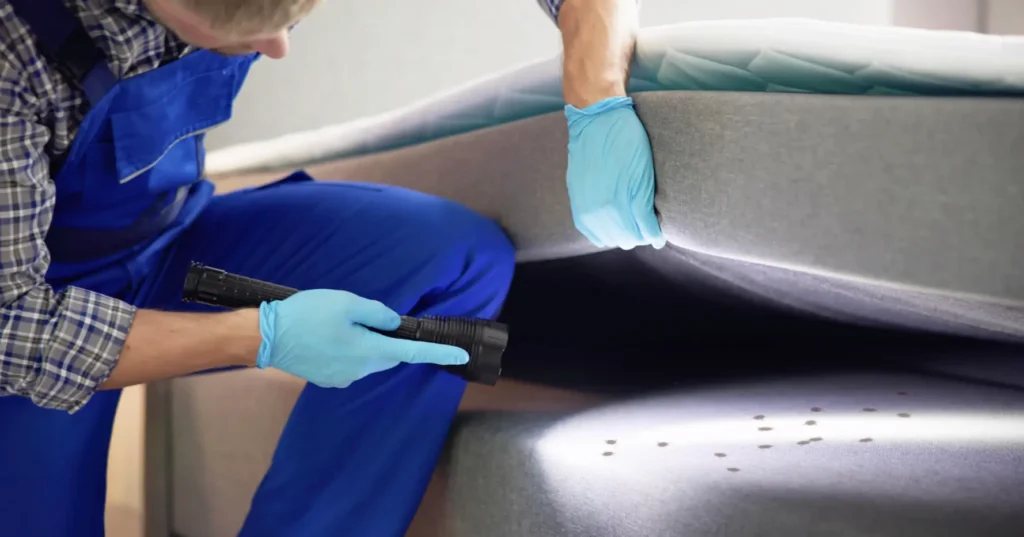
Thorough inspections of common hiding areas
Accurate identification of bed bug activity
Targeted treatment plans designed for effective elimination
Clear guidance on preparation and prevention
If you suspect bed bugs or want peace of mind, Infinite Pest Solutions is here to help. Early detection and professional treatment are key to stopping bed bugs before they spread.
The Most Common Questions Asked About Spider Control
The cost of spider control can vary depending on several factors. Some include the level of spider activity around your home and your tolerance. At Infinite Pest Solutions, pricing is based on the frequency of treatment and the specific conditions of your property.
How Long Does Advanced Spider Service Last?
The longevity of spider control treatments can vary based on environmental conditions, weather, and the level of spider activity. Rain, humidity, and high pest pressure can affect how long treatments remain effective. Ongoing services are best to get rid of spiders for good.
Can I Wash My House After Spider Control?
It is best to wait at least 24 to 48 hours before washing or power washing treated areas after any pest service. This waiting period allows the treatment to properly bond to surfaces and remain effective. In Florida, rainstorms can frequently rinse exterior areas.
What’s The Difference Between Pest Control, Spider Control and Advanced Spider Service?
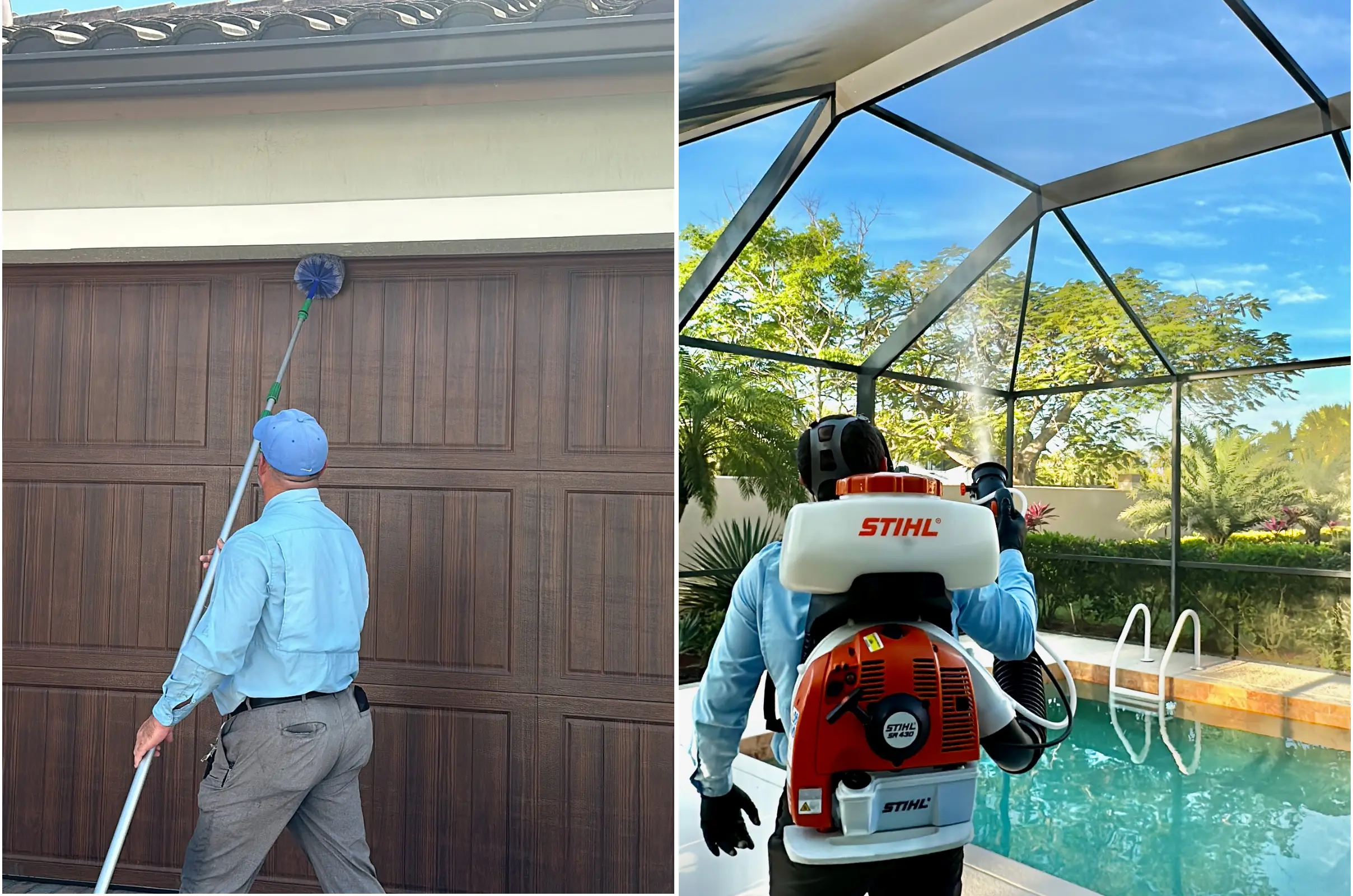
Advanced Spider Service is our specialty service that sets us apart from others. We treat the lanai top to bottom. This targets spiders, webs, egg sacs, and common hiding spots in the screened in area. We guarantee spider free by the third visit for a reason!
Pest control also helps with spiders for the inside and outside perimeter of your home. However this general service does not include entire lanai treatments.
Does Spider Control Affect The Pool at All?
No, treatments do not affect pools when applied properly by our licensed professionals. It is key for us to avoid direct application to pool water. Always allow treatments to dry as directed and normal pool use can continue without disruption.
Can I Use The Pool Afterwards?
Absolutely. You can use the pool after spider control treatment. We target areas around the home and ensure we do not place any product directly into pool water. Once the treated surfaces have fully dried, which typically takes 30-60 minutes, normal use of your pool and surrounding areas can resume.
Is Spider Control Safe If I Have Kids and Pets?
Yes, all of our spider control is safe for homes with children and pets. Safety is our top priority. Children and pets can safely return to treated areas once surfaces have fully dried. We always provide clear instructions and answer any questions to ensure your home remains both pet and kid-friendly.
A Cleaner, More Comfortable Home
Spider control isn’t just about removing spiders, it’s about maintaining a home that feels clean, comfortable, and protected. In Florida’s pest infested climate, proactive spider control can make a noticeable difference in reducing eggs and webs, limiting insect activity, and keeping spiders from settling in and around your home.
Spider control is a professional pest management service designed to reduce and prevent spider activity in and around your home. In Florida, spiders thrive year-round due to the warm climate, humidity, and abundance of insects they feed on. While most spiders are not aggressive, their presence can still be unsettling, especially when webs start appearing in corners, entryways, lanais, ceilings, and outdoor living areas.
Our spider control options vary depending on your tolerance. Do you hate the spiders in the pool cage? Are you sick of wiping down webs every other day on the lanai? Our Advanced Spider Service is for you! Want to keep the spiders out of the home and out of the doorways/soffits around the home? Our General Pest Control is just what you need!
Do I Really Need Spider Control?
Many homeowners wonder if spider control is truly necessary. While a single spider may not be cause for concern or heavy web buildup – recurring spider activity can indicate a larger issue in warm, humid environments where pests are active year-round such as Florida.
You may benefit from spider control if:
You regularly see spiders indoors or around entry points
Webs reappear shortly after being removed
Spiders are common around doors, windows, soffits, or outdoor seating areas
You are dealing with venomous spiders such as brown or black widows
You want added peace of mind for children, pets, or guests
Because spiders feed on other insects, their presence often signals underlying pest activity. Spider control helps break this cycle by addressing both spiders and their food sources.
Is Spider Control Safe for Pets?
Yes. As standard precaution, pets should be kept away from treated areas until products have fully dried.
Conclusion
Our Advanced Spider Control Services are designed specifically for Florida homes. We focus on more than just spraying – we target spider harborage areas, remove webs and egg sacs, and apply long-lasting treatments that keep you spider free.
Just because you don’t see bugs right away doesn’t mean they aren’t there. Bugs can be great at staying out of sight, which is why many homeowners don’t realize there’s an issue until it becomes more noticeable. That’s why it is crucial to know where to look and what signs to watch out for so that you catch a problem in the early stages.
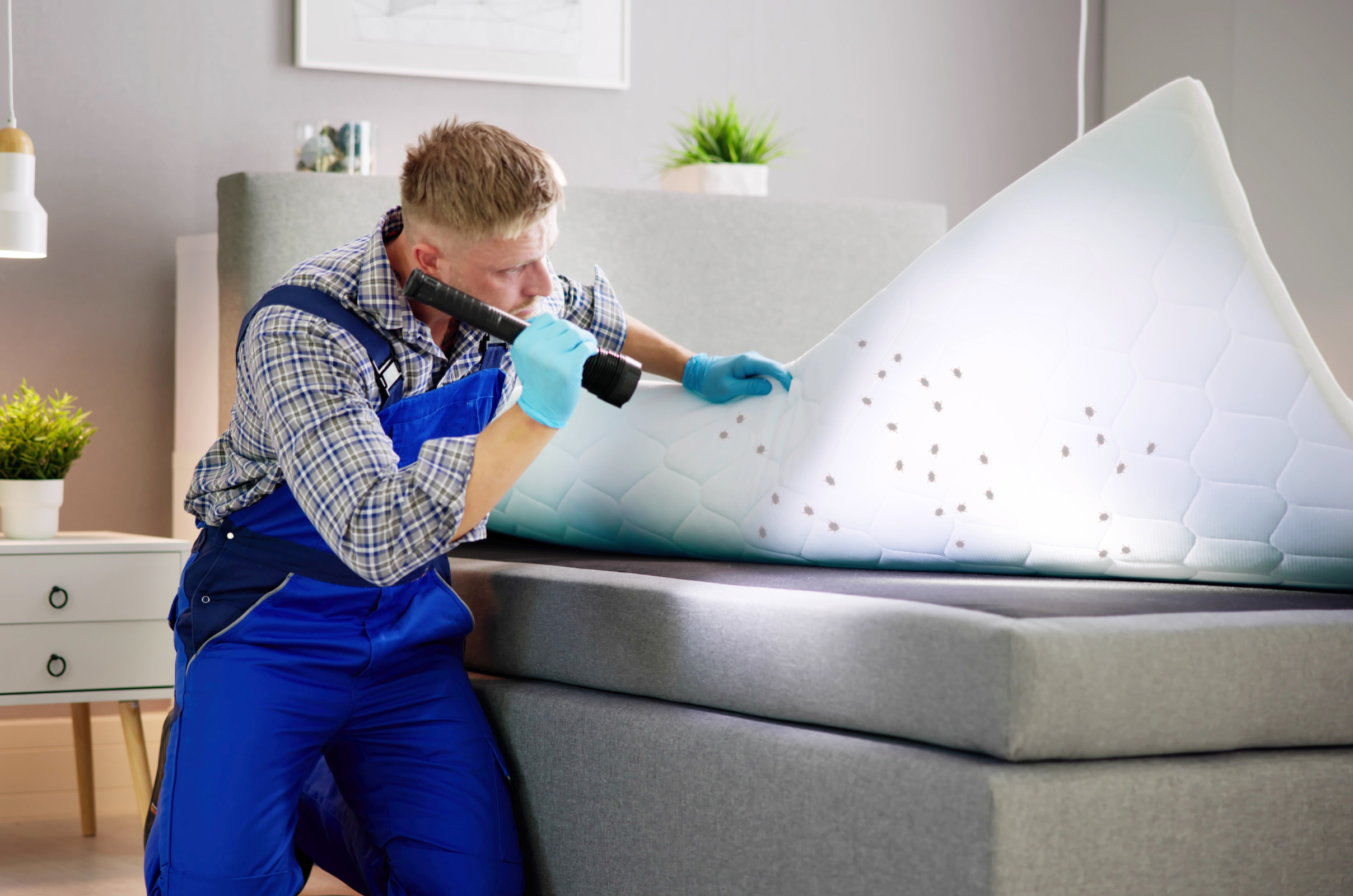
Bed bugs are typically found in bedrooms on the mattress, behind wall hangings, lamp shades, and other crevices.
Common Places Bugs Like to Hide
Pests often look for quiet areas where they can stay undisturbed, warm, and close to a food source. Some of the most common hiding spots include:
• Under sinks and behind plumbing • Inside cabinets and pantries • Along baseboards and behind furniture • In garages, attics, and laundry rooms
Signs You May Have Hidden Bugs
If you notice an increase in bug activity at night, especially in kitchens or bathrooms where food and moisture are present. Even if pests aren’t visible, they often leave behind signs of activity happening out of sight like:
• Droppings or shed skins • Damage to food packaging or paper products • Greasy marks along walls or baseboards • Unusual or musty odors
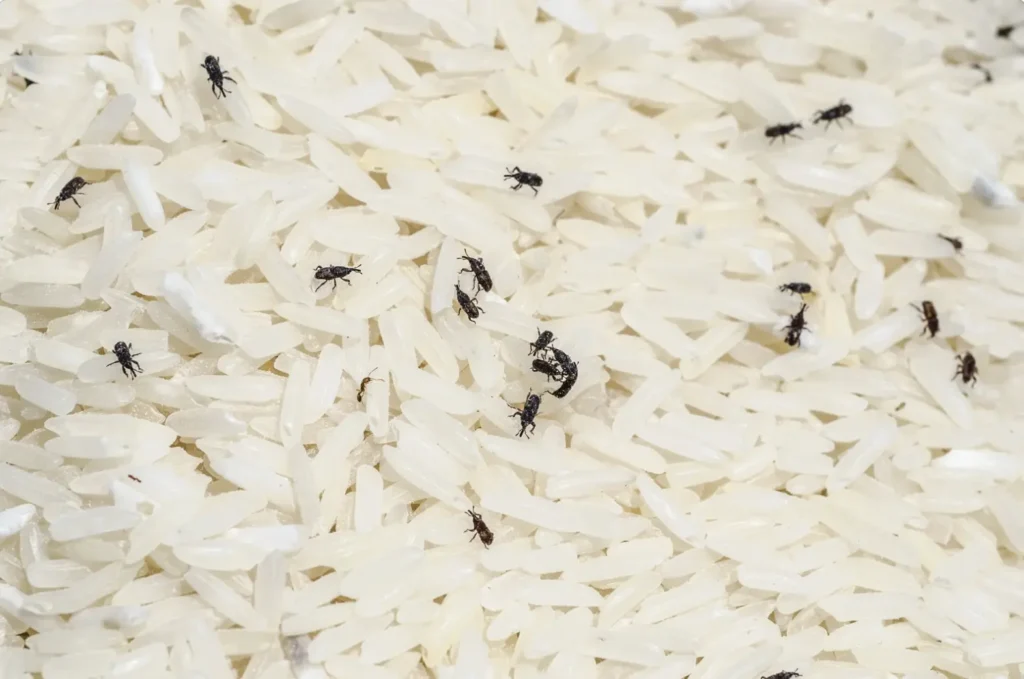
Pantry pests are very tiny and some can look almost translucent. Be sure to keep a close eye on your flour, sugar, rice, and other pantry items.
Always Check the Outside Perimeter
The condition of the exterior of your home can often lead to an indoor pest problem. Making sure that these areas are well maintained helps to reduce the chance of pests making their way inside. Be sure to check for:
• Gaps around doors and windows • Standing water near the home • Overgrown plants touching the structure
When It’s Time to Call a Professional
If you continue noticing signs of pests or aren’t sure where they’re coming from, that is the time to call a professional. Our skilled technicians can easily identify hidden activity and help to protect your home long term. What bugs you, bugs us!
Finding pests in your home can be unpleasant, but it’s also very common. Learning to understand how pests behave, what attracts them, and how quickly they can become a problem is key to protecting your home. Below we’re answering some of the most common pest control questions as well as clearing up common misconceptions.
What Is the Hardest Pest to Get Rid Of?
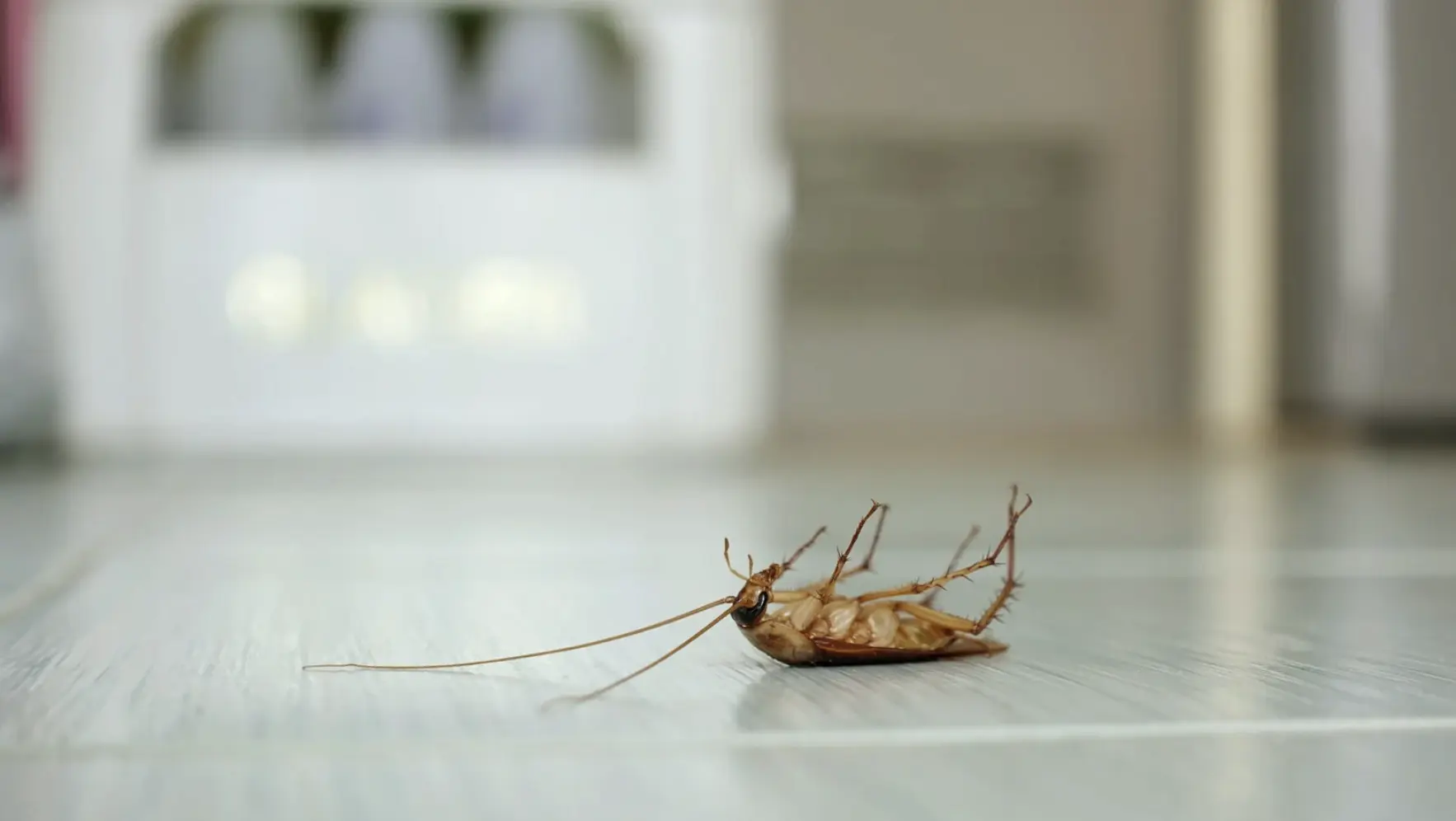
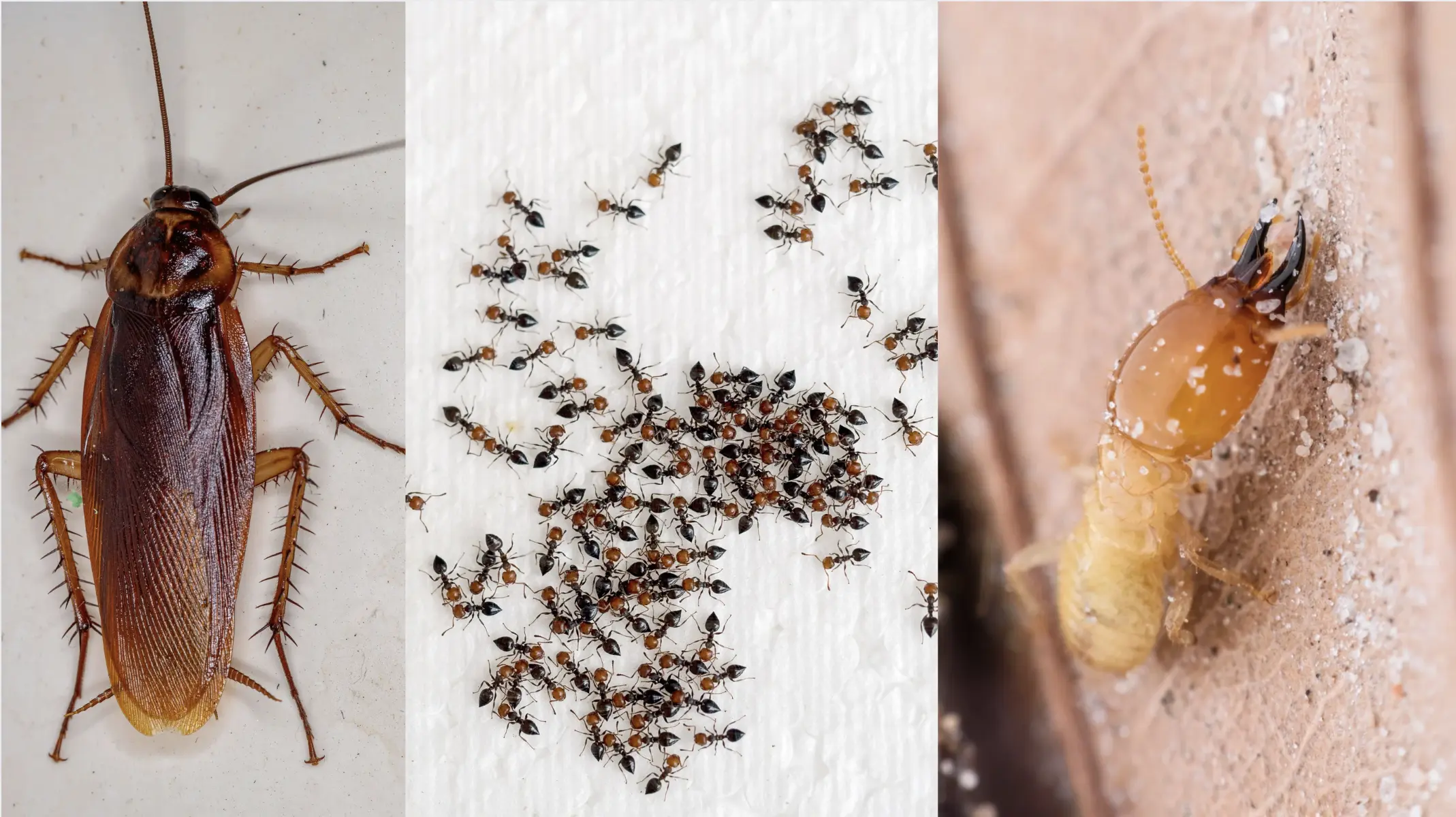
Some pests are more challenging to get rid of than others, but cockroaches, termites, bed bugs, and rodents are often at the top of the list. These pests reproduce quickly, hide well, and can survive in hard-to-reach areas. Proper treatment and prevention is essential to limit an infestation.
What Is the Most Common House Pest?
Some of the most common household pests that you can expect to see in your home are ants, cockroaches, spiders, and rodents. In Florida, ants and roaches tend to be especially common due to warm temperatures and humidity that allow them to thrive all year. Homes with pool cages are especially attractive to spiders, and spider control is essential for keeping them from coming back.
Why Should You Never Squish a Roach?
Squishing a cockroach can actually make things worse. Some roaches carry egg cases or bacteria that can spread when crushed. This can contaminate surfaces and, in some cases, contribute to further infestation rather than solving the problem.
Why Am I Getting Roaches If My House Is Clean?
Having a clean home helps to reduce pest activity, but it’s not a complete deterrent. Roaches are attracted to moisture, warmth, and shelter just as much as food. Leaky pipes, cluttered storage areas, or entry points around doors and windows can attract them to your home even if it is spotless.
Why Do I Have Ants If My House Is Clean?
Ants are persistent and highly organized creatures. They often enter homes searching for water or following scent trails laid by other ants. Tiny small crumbs, pet food, or moisture sources can be enough to attract them into your home regardless of how clean it is.
Why Am I Getting Bugs in the Winter?
Bugs don’t disappear in colder months, they look for shelter. As the temperature drops, many pests move indoors to escape the cold, making the winter a common time for increased indoor pest activity.
Why Are Bugs Worse at Night?
Many pests are nocturnal, which means that they are more active at night when it’s quieter and darker. This is why homeowners typically notice cockroaches, spiders, and other insects after dark as they emerge searching for food.
Why Do Bugs Come Inside When It Rains?
Heavy rain can flood pest nesting areas and force bugs to seek dry shelter. Homes provide warmth and protection, making them an easy refuge during wet weather. As a result, pest activity indoors often increases after periods of heavy rain.
How Fast Can a Pest Infestation Spread?
Infestations can grow faster than most people realize. Some pests reproduce every few weeks, meaning a small issue can turn into a major problem in a short amount of time if left untreated.
Can Pests Cause Health Problems?
Yes, absolutely. Many pests carry bacteria, allergens, and pathogens that can affect indoor air quality and health. Cockroaches, rodents like rats and mice, and some insects can trigger allergies, asthma symptoms, and contamination of food and surfaces.
How Do Pests Get Into a House in the First Place?
Pests usually enter through small cracks, gaps around doors and windows, vents, plumbing lines, and even through items brought inside. Once they find food, water, or shelter, they’ll settle in and won’t leave on their own.
How Much Is Pest Control Service Per Month?
Pest control service costs can vary depending on factors such as the type of pest, the level of activity, the size of the home, and the frequency of how many treatments are needed.
How Much Do Pest Services Cost?
The cost of pest services depends on several variables, including whether treatment is preventative or to treat an infestation, the specific pests involved, and the treatment approach used. The best value comes from thorough, long-term protection—not a quick spray.
Pests are a common issue for homeowners, but understanding why pests enter your home is important, but stopping them often requires more than DIY solutions. Professional pest control helps identify entry points, target active infestations, and prevent future issues before they escalate. Routine pest control services provide peace of mind and help keep your home protected, comfortable, and pest-free year-round.
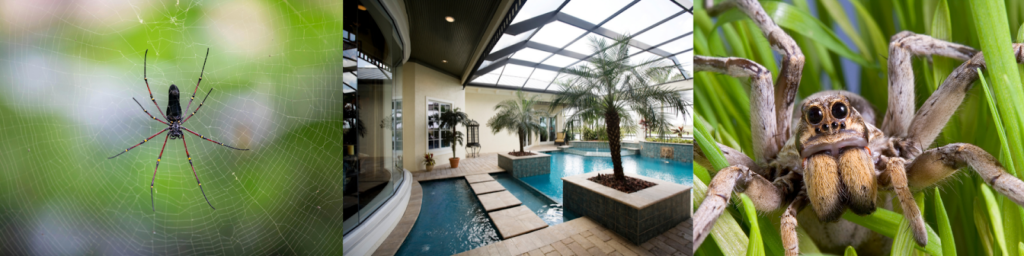
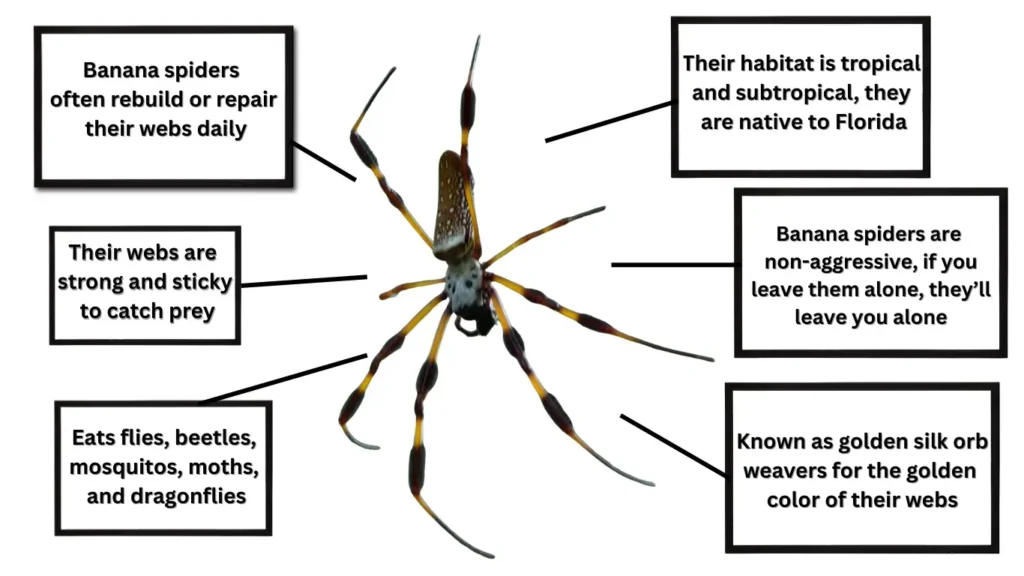
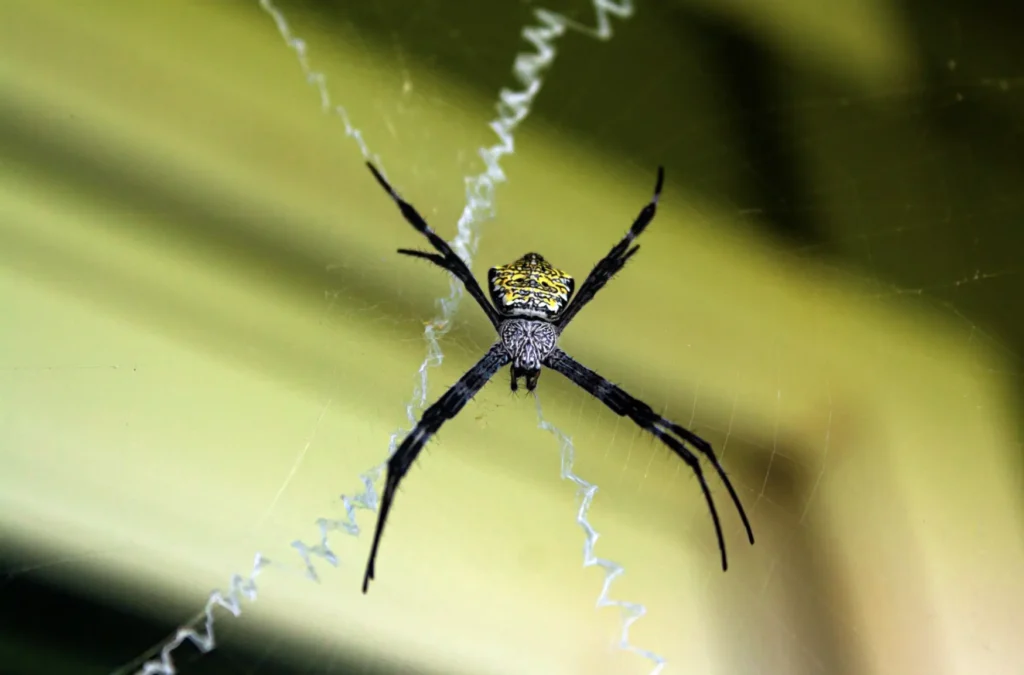
Banana spiders are one of the most talked-about spiders in the Southeast — mostly because of their size, bright coloring, and impressive webs. While they often look intimidating, not all “banana spiders” are the same, and most pose little threat to people.
Understanding what a banana spider is, where it lives, and how it behaves can help you feel more confident if you spot one around your property.
What Is a Banana Spider?
“Banana spider” isn’t a scientific term. It’s a nickname used to describe several different spider species that share similar traits, such as large bodies, long legs, and the tendency to appear in gardens, wooded areas, and around homes.
The name comes from early sightings of spiders hiding in banana shipments, though many species referred to as banana spiders are native to the U.S.
What Does a Banana Spider Look Like?
Banana spiders are typically:
Large, with long, thin legs
Yellow, orange, brown, or black in color
Known for spinning large, strong webs that can stretch several feet wide
Some species also have distinctive markings or bright coloration that makes them easy to spot outdoors.
Where Do Banana Spiders Live?
Most banana spiders prefer warm, humid environments, which is why they’re common in Florida and other southern states.
They are often found:
In gardens and shrubs
Near porches, fences, and outdoor lighting
Along wooded edges or tree lines
In tall grass or landscaping
Indoors sightings are rare, but they may wander closer to homes when prey is plentiful.
What Do Banana Spiders Eat?
Banana spiders are beneficial predators. Their diet includes:
Mosquitoes
Flies
Moths
Other flying insects
Their large webs help naturally reduce insect populations around your home.
Common Types of Spiders Called “Banana Spiders”
Several different species fall under the banana spider nickname. Here are the most common:
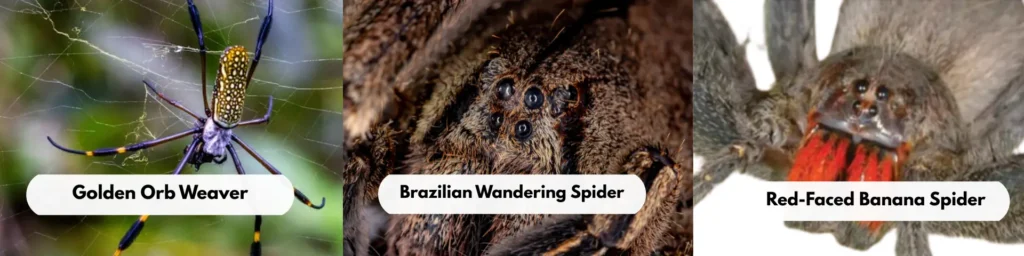
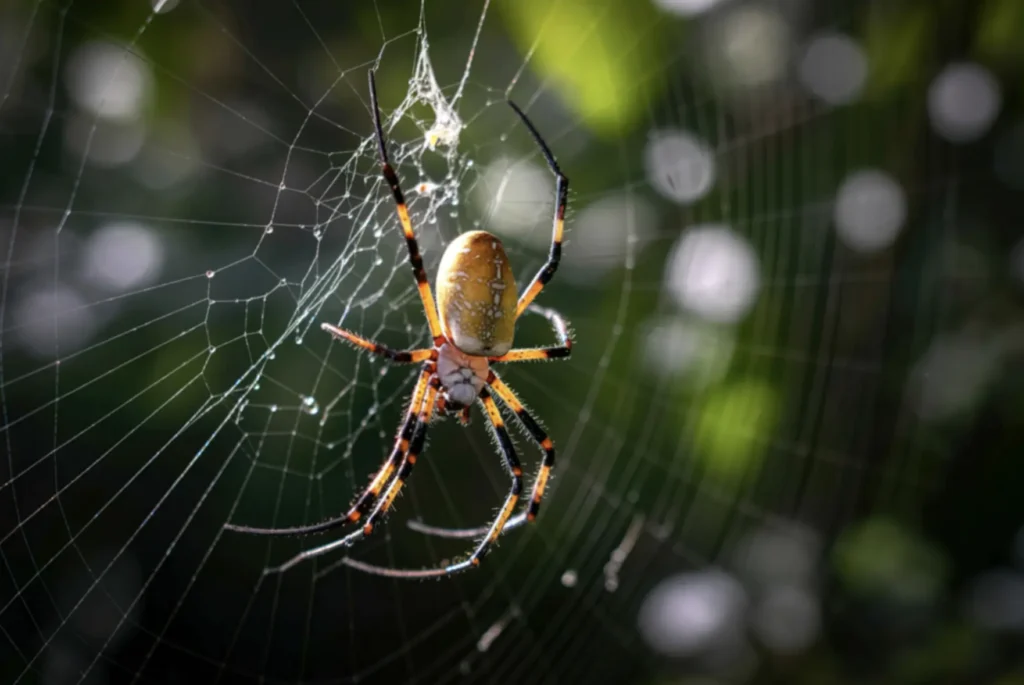
Golden Silk Orb-Weaver
Famous for its golden-colored web
Common in the southeastern U.S.
Large but generally non-aggressive
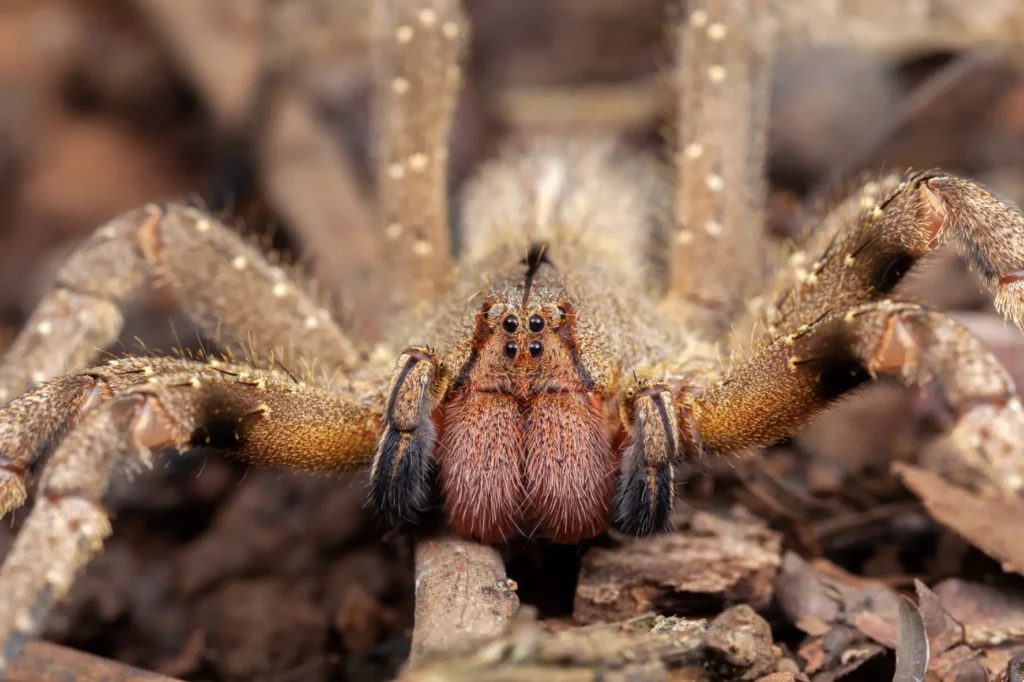
Brazilian Wandering Spider
Highly venomous
Native to Central and South America
Rare in the U.S. but often mentioned due to its reputation
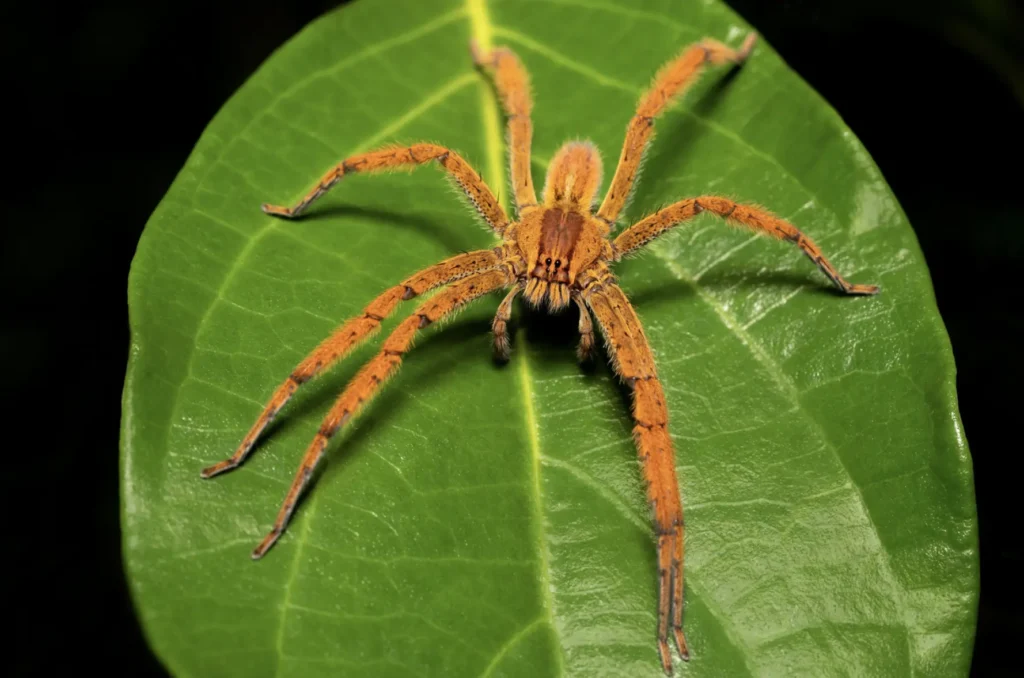
Red-Faced Banana Spider (Cupiennius)
Large and fast-moving
Typically found in tropical regions
Often mistaken for more dangerous species
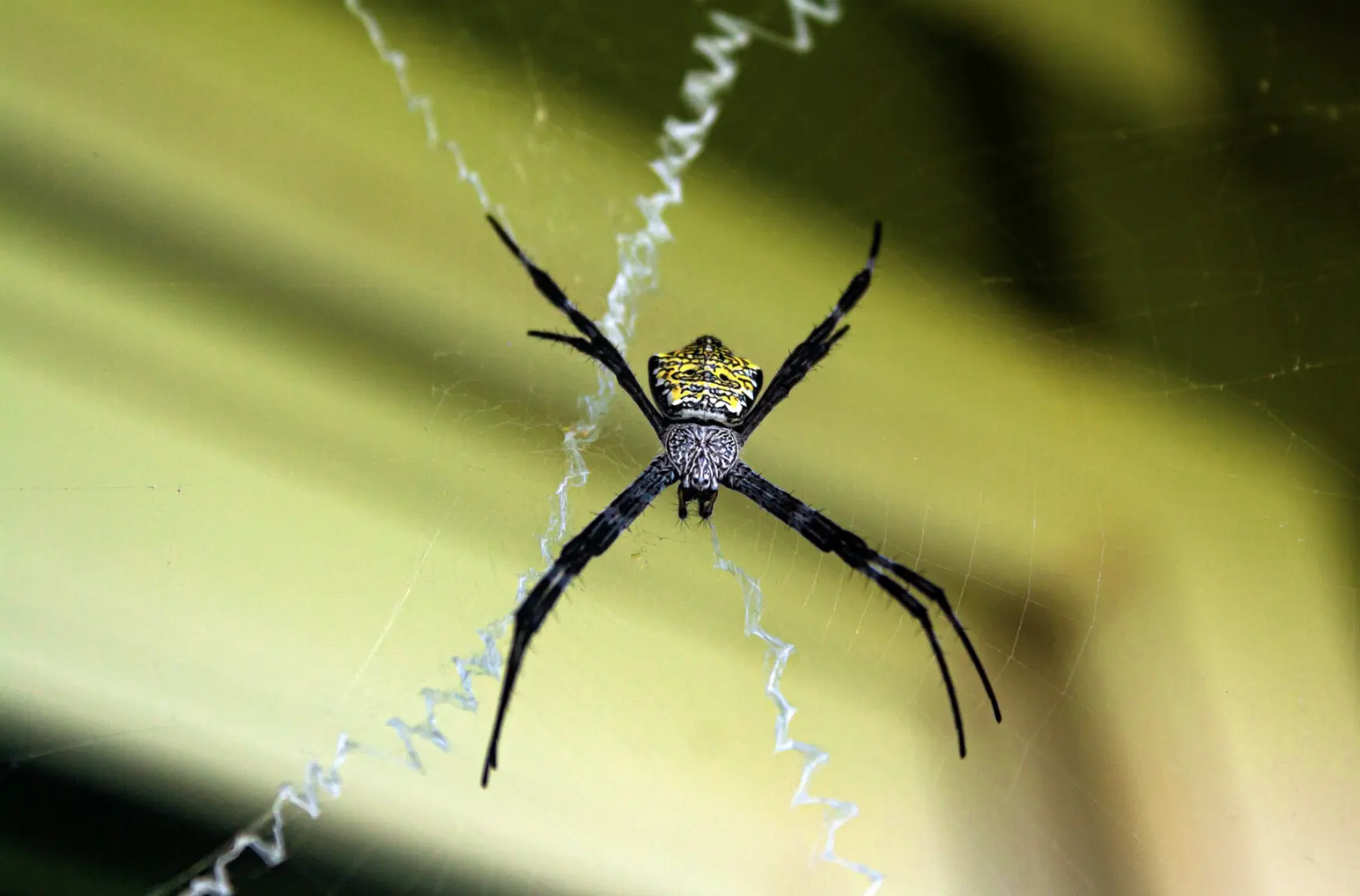
Hawaiian Garden Spider
Brightly colored orb-weaver
Known for decorative web patterns
Non-aggressive toward humans
Banana Spider Facts
Their webs are among the strongest spider webs in the world
Most banana spiders are shy and avoid human contact
The majority of species are not dangerous to humans
Are Banana Spiders Dangerous?
In most cases, no. While banana spiders can bite if threatened, bites are uncommon and usually mild.
Is a Banana Spider Bite Venomous?
Yes, like most spiders, banana spiders have venom — but for most species, it’s not medically significant to humans.
Signs and Symptoms of a Banana Spider Bite
General symptoms may include:
Mild pain or redness
Swelling around the bite area
Itching or irritation
Golden Silk Orb-Weaver Bite
Usually mild
Comparable to a bee sting
Hawaiian Garden Spider Bite
Rare
Minimal symptoms
Brazilian Wandering Spider Bite
Medical emergency
Severe pain and systemic symptoms (Extremely unlikely in the U.S.)
Treatment for a Banana Spider Bite
If bitten:
Wash the area with soap and water
Apply a cold compress
Use over-the-counter pain relief if needed
Seek medical care if symptoms worsen or if the spider is suspected to be dangerous
Why Banana Spiders Are Important
Despite their appearance, banana spiders are beneficial:
They reduce insect populations
They are part of a balanced ecosystem
They help control pests naturally
However, large webs around entrances or high-traffic areas can become a nuisance.
What to Do If You See a Banana Spider
Avoid direct contact
Do not disturb the web if possible
Keep outdoor lighting reduced to limit insect attraction
Trim vegetation near the home
If spiders are appearing frequently or creating safety concerns, professional help may be needed.
When to Call a Pest Control Professional at Infinite
When you’re ready, we are here for you! While banana spiders don’t usually require treatment on their own, recurring spider activity may indicate a larger pest issue attracting them.
At Infinite Pest Solutions, we can:
Identify the spider species
Provide eco and pet friendly treatment
Reduce insect food sources
Help prevent webs around entryways and living areas
Final Thoughts
Banana spiders may look intimidating, but most are harmless and even helpful to ridding of other insects. Knowing the difference between species — and understanding when spider activity becomes a problem — can help homeowners protect their space without unnecessary worry.
If spider activity around your home feels out of control, spider control is for you!
Bed bugs don’t appear out of nowhere. In almost every case, bed bugs are introduced into a home, not created there. Understanding how they enter your home is the first step to stopping an infestation before it spreads.
What are Bed Bugs?
A bed bug is a small, flat, reddish-brown insect that feeds on human blood. They are nocturnal pests that will have you itching by morning.
Why Do Bed Bugs Spread So Easily?
One of the biggest reasons infestations worsen is delayed treatment. Many people assume bites are from mosquitoes, allergies, or spiders and wait weeks before taking action.
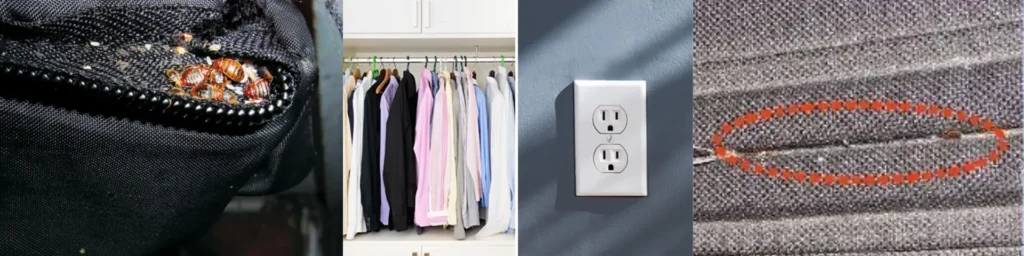
Bed bugs are small, flat, and excellent at hiding. They don’t need food crumbs or unsanitary conditions to survive, they only need access to people. Once inside a home, they hide in mattress seams, furniture joints, baseboards, and cracks, often going unnoticed until the population grows.
The Real Risk Aren’t the Bites, It’s the Infestation
While bed bug bites are uncomfortable and itchy, the bigger issue is how quickly bed bugs multiply and spread throughout a home. It is important that people know how to check for bed bugs, in order to see the magnitude of the infestation. The longer they go untreated, the more rooms they invade and the more extensive treatment becomes.
The Most Common Cause is Hitchhiking
The number one cause of infestations is bed bugs being carried in from somewhere else. They are expert hitchhikers, meaning they’ll latch on to you from one location to the next. Hiding in luggage, clothing, purses, backpacks, furniture, and even electronics. Once they find a new place to hide, they settle in quickly.
Customers are often surprised to learn that bed bugs don’t come from poor hygiene or unclean living conditions, contrary to the common myth. They are just as likely to be found in a clean and well-maintained home as anywhere else.
Travel Is a Major Contributor
Travel is one of the most common ways bed bugs spread. Hotels, vacation rentals, cruise ships, airports, and public transportation all see high turnover of people and belongings. Even a short overnight stay can be enough for bed bugs to crawl into a suitcase and make their way back home.
Guests and Shared Spaces
Bed bugs can also be introduced by visitors in your home. Overnight guests, shared living spaces, and close contact in places like apartments, dorms, or multi-family housing increase the risk. Bed bugs move easily between units through walls, electrical outlets, and shared hallways, making early detection especially important.
Used Furniture and Belongings
Another common cause is secondhand furniture or items. Mattresses, couches, bed frames, and even nightstands can harbor bed bugs and their eggs. Without proper inspection, these items can introduce bed bugs directly into the home.
Why Professional Treatment Matters
Effective bed bug control requires more than surface treatments because DIY treatments don’t address the root cause. Bed bugs and their eggs are well hidden, and improper treatments can push them deeper into walls and furniture. Professional treatment focuses on identifying bed bugs as well as all harborage areas, eliminating active bugs, and interrupting the life cycle to prevent reinfestation, which is key to long-term control.
If you suspect bed bugs, acting quickly can prevent a small issue from turning into a major infestation. Contact us today for a thorough inspection and expert bed bug control in Southwest Florida and Orlando!
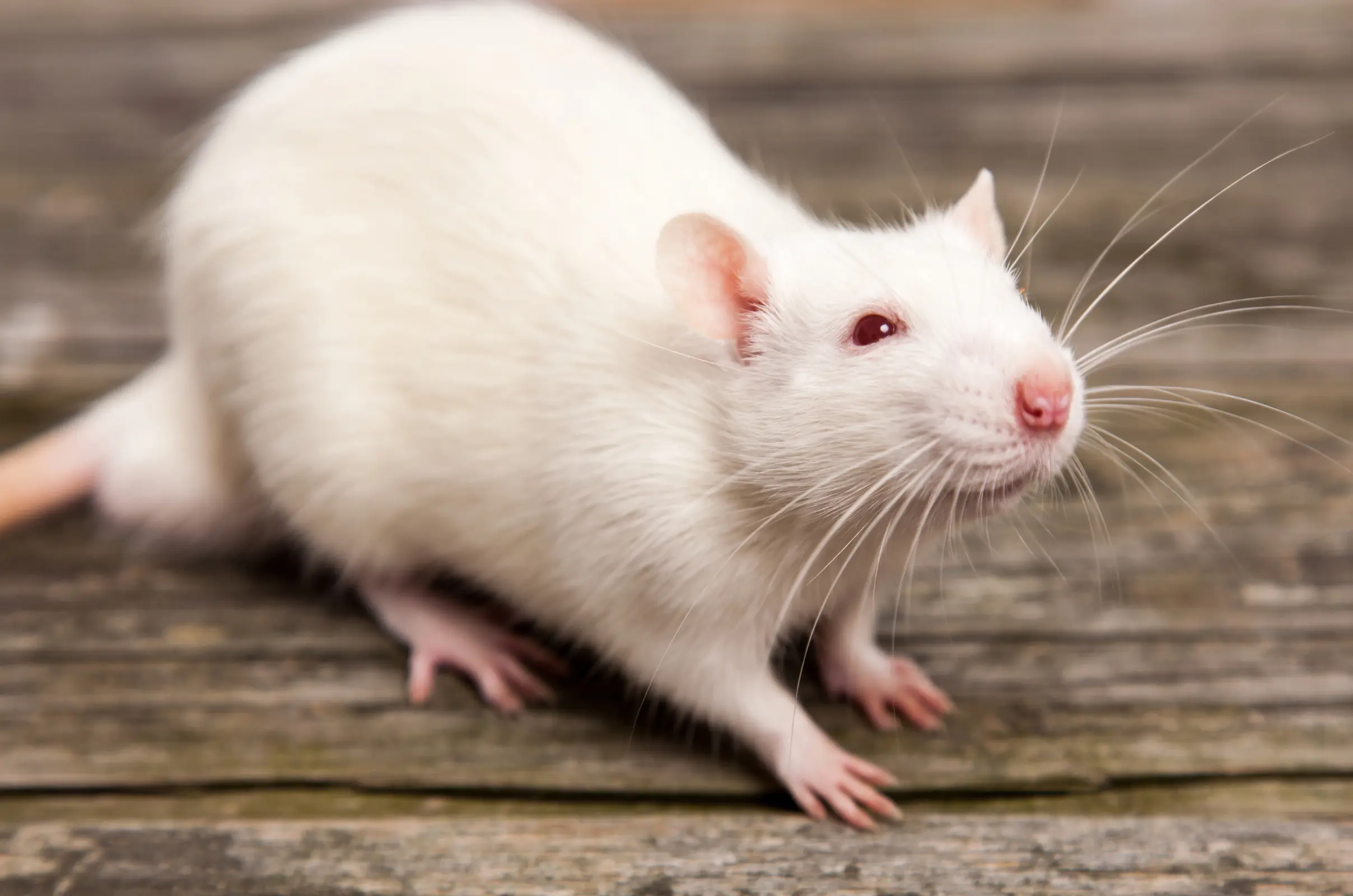
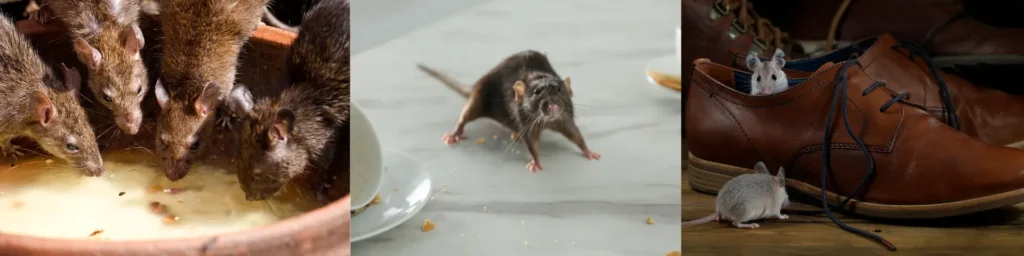
When the temperatures drop and wintertime approaches, rodents start searching for warm and safe places to nest. Unfortunately, that makes your home a perfect hotspot for them to retreat to. Mice and rats can sneak through tiny openings and begin to cause damage before you even know they’re there.
Knowing if you even have an infestation is the first step in being rodent-free. If you’re wondering whether you might be dealing with rodents this winter, here are the top 10 warning signs homeowners should never ignore.
1. Droppings in Hidden Areas
Rodent droppings are one of the most obvious signs of activity. When they’re fresh, the droppings are often dark and moist, whereas older ones are usually dry, discolored and crumbly.
You are likely to find them:
In cabinets or pantries
Behind appliances
In the garage
In the attic
2. Scratching, Scurrying, or Noises in the Walls or Attic
Hearing movement at night is another huge red flag. Rodents are most active at night, so noises after dark are often a sign of nesting nearby.
Common sounds include:
Scratching
Light scurrying noises
Thumps or movement overhead in the attic
3. Gnaw Marks on Food Packaging or Stored Items
Rodents chew constantly to keep their teeth short. If you notice food disappearing or packages that look bitten up or boxes that look tampered with, it’s probably a good idea to investigate.
You may see:
Holes in food bags or boxes
Chewed pet food containers
Bite marks on cardboard, plastic, or wood
4. Urine Odor or Musky Smell
Rodent urine has a strong, unpleasant odor that gets worse as an infestation grows. If you smell something unusual and deeply unpleasant, but can’t pinpoint the source, rodents may be the reason. Homes with larger rodent populations often develop a noticeable musky smell.
Commonly strongest in:
Pantries
Closets
Attics
Garages
5. Nesting Materials
Nests are often hidden in attics, wall voids, closets, and storage areas. Rodents build nests using whatever soft materials they can find.
Such as:
Insulation
Shredded paper or cardboard
Fabric
Leaves, debris, or other natural materials
6. Grease Marks Along Baseboards or Walls
Rodents typically travel along the same paths, so if you spot dark marks along walls or around small openings, they may be frequently traveling that route.
As they squeeze through tight areas, the oils on their fur leave:
Dark smudge marks
Oily streaks
Grease trails
7. Chewed Wires or Damage to Insulation
Rodents chew on anything, especially electrical wiring. Chewed wires are a major fire hazard, making this one of the most serious signs to watch for.
Signs include:
Exposed wires
Bite marks on cables
Damaged insulation in the attic
8. Small Holes or Gaps Around the Home
Rodents can enter your home through the smallest openings. Even a hole the size of a quarter is big enough for mice to enter.
Look for:
Gaps under garage doors
Holes near the AC chase
Openings around soffits or roof returns
Bent or damaged vents
9. Increased Pet Activity in Certain Areas
Pets often detect rodents long before humans do. If your dog or cat is unusually alert, sniffing walls, staring at vents, or pawing at certain areas, they may be picking up on rodent activity you can’t see or hear.
10. Live or Dead Rodents
If you see a rodent, even just one, assume there are more where that came from. Rodents reproduce quickly, especially in warm indoor spaces during the winter months. Catching a single mouse or rat usually means a nest is already established nearby.
Protect Your Home This Winter
It’s important to protect you home every winter as rodents can cause significant issues, including structural damage, contamination of food and surfaces, chewed wiring that leads to fire hazards, damage to insulation, and unpleasant odors throughout the home. The longer a rodent problem goes untreated, the more the infestation grows, especially during colder months when they seek warmth indoors. If you notice any warning signs it’s important to act quickly. A professional inspection is the best way to determine the extent of your rodent problem as well as steps for both removal and long-term prevention.
Understanding the Differences and How to Protect Your Home
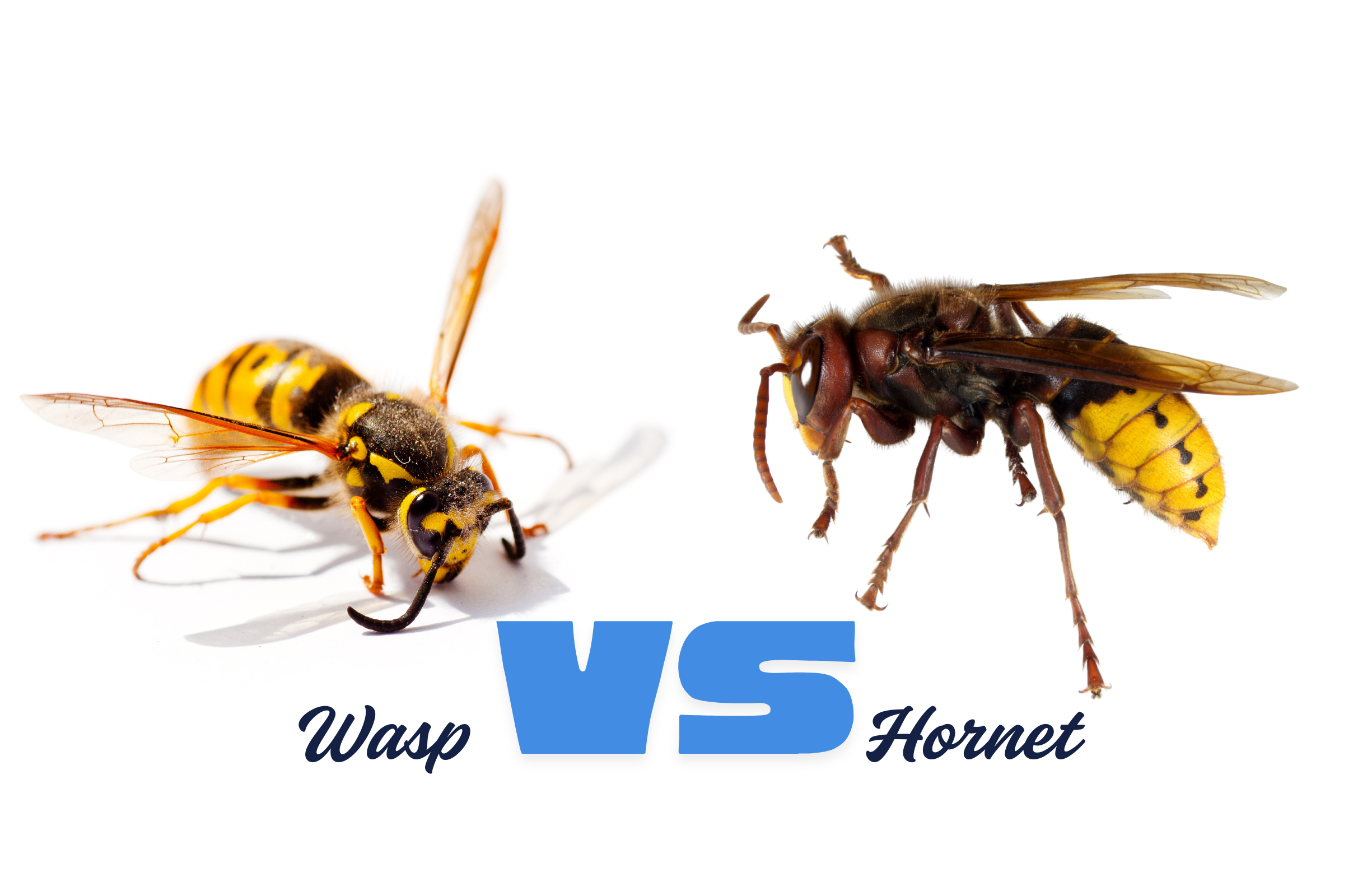
Hornets and wasps are frequently confused—both are flying, stinging insects that can be a nuisance around homes, especially during Florida’s warm, humid seasons. However, telling them apart is more than just trivia—it’s essential for choosing the right prevention and protection strategy for your family and home.
Are Hornets and Wasps the Same?
Not exactly. All hornets are wasps, but not all wasps are hornets. “Wasp” is a broad category that includes species like paper wasps, yellowjackets, and mud daubers. Hornets are a specific type of wasp, with the European hornet being the most recognized species in parts of the southeastern U.S., including Florida.
Black and white or black and brown, sometimes with yellow (varies by species)
Have a more rounded abdomen
In Florida, you’re more likely to see paper wasps and yellowjackets than hornets, but hornets can still appear—especially the European hornet, which has been growing in presence in parts of the Southeast.
Behavior Differences
Wasps are highly defensive and will sting when their nest is approached—even if you’re not directly threatening them. In late summer, they’re especially aggressive due to dwindling food sources.
Hornets, on the other hand, are typically more reserved. However, if their nest is disturbed, they become extremely dangerous. They can release pheromones that trigger group attacks—meaning multiple stings in a matter of seconds.
Nesting & Colony Behavior
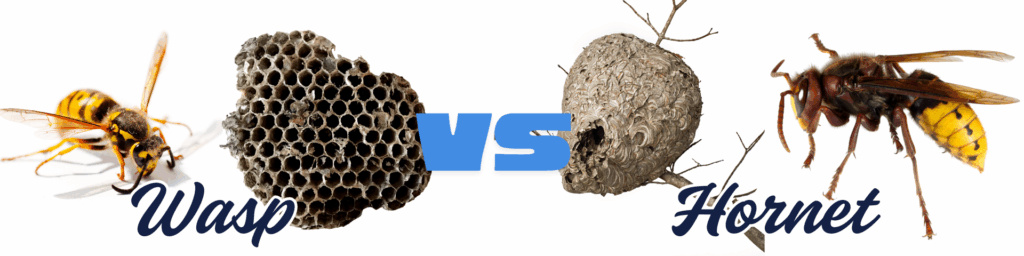
Wasps prefer to build open or underground nests near human structures, like eaves, soffits, garages, and bushes. Their colonies are smaller than hornet colonies but can be widespread. The presence of a visible nest or active wasps nearby is usually the first sign of an infestation. Wasps often build nests that are umbrella-shaped with visible hexagonal cells which are usually attached to eaves or branches. The nests are made out of a papery substance with a grayish layered appearance. Florida’s humidity encourages quick nest growth, and many homeowners notice sudden increases after heavy rain.
Hornets build large, enclosed nests that are often tucked away in trees, attics, porches, or under eaves. Their colonies can contain hundreds of hornets, but encounters with humans are less frequent because the nests are hidden. Observing hornets entering or leaving a nest is the most common indication of an infestation. Hornets often build spherical or oval-shaped nests that are gray or brown in color with a smooth, papery exterior.
What to Expect With Stinging
Wasp stings are sharp and cause immediate pain, redness, swelling, and itching. Although generally less intense than hornet stings, they can still be painful and trigger allergic reactions in sensitive individuals. Wasps can sting multiple times without dying.
Hornet stings are particularly painful because their venom is stronger, causing burning, swelling, redness, and heat around the sting site. The sting often leaves a noticeable welt and significant inflammation, and allergic reactions are possible. Like wasps, hornets can sting multiple times without dying.
What Are Mud Daubers?
Mud daubers are a commonly seen wasp in Florida. While they are far less aggressive than wasps or hornets and rarely sting, they create a different kind of issue. These wasps build mud tube nests on walls, doors, ceilings, and soffits. Once the mud nest hardens, it can stain in the paint on your home and leave permanent marks. If the nests are removed improperly, they can also cause paint chipping or discoloration. Even though mud daubers aren’t typically dangerous, homeowners should still have their nests professionally removed to protect their home’s exterior.
Professional Removal and Prevention
Removing wasp and hornet nests on your own, can be dangerous. Wasps are aggressive and territorial, and hornets have stronger venom and larger colonies, making DIY removal extremely risky. The safest and most effective way to protect your home is through professional pest control.
At Infinite Pest Solutions, our trained licensed technicians can safely locate nests, remove active colonies, and apply targeted treatments to prevent these insects from returning. Regular pest control not only eliminates existing nests but also creates a protective barrier around your home to reduce the risk of future infestations.
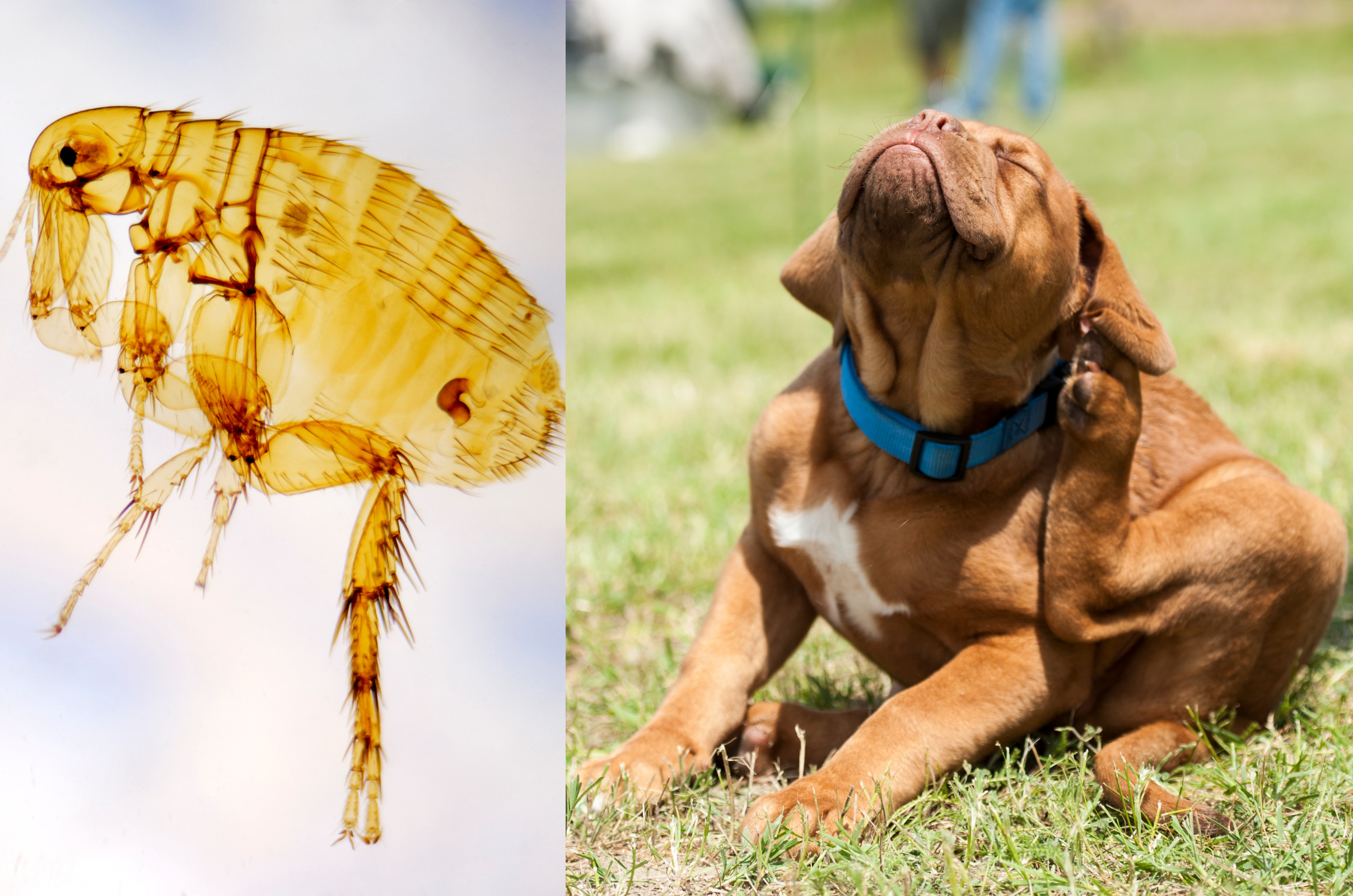
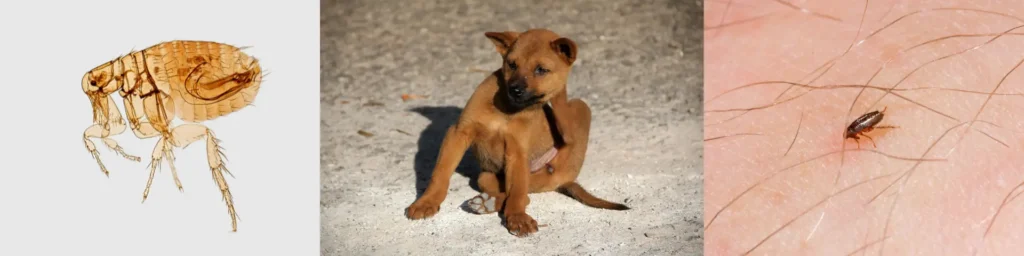
Fleas are tiny parasites that feed on the blood of warm-blooded animals. While many assume that fleas are only a problem that the family pet has to deal with, they can also bite humans and can transmit serious diseases, like the bubonic plague. You may have heard of all sorts of home remedies to get rid of fleas, such as applying salt or shampooing affected areas, but how effective are they really? In this blog we are putting myths to rest one fact at a time, based on some of the most common questions asked about flea control.
Question #1: “Does Table Salt on Carpets Kill Fleas?”
While salt may remove the moisture from some flea eggs or larvae on the surface level, it’s not an effective solution for an infestation. It’s not an effective method because it doesn’t kill adult fleas, which are usually the ones that bite. It also won’t reach deep into the carpet fibers or kill any of the fleas that are hiding in furniture, pet bedding, or baseboards.
Question #2: “Does Heat Kill Fleas?”
Yes, heat is effective at killing fleas and their eggs when you wash affected bedding, clothing, and pet items in hot water. However, heat alone often cannot reach all of the hidden areas where fleas like to live, such as deep in carpets, cracks in the floor, and other hard to reach areas.
Question #3: “Can Fleas Travel From House to House?”
Yes! Fleas, including their eggs and larvae, are known to hitch rides on pets, people, clothing, or furniture to move from house to house. The most common way they spread is when your dog or cat interacts with another infested pet and brings fleas home. Even stray or wild animals around your home can carry fleas that migrate indoors.
Question #4: “Can You Suffocate Fleas in a Plastic Bag?”
It is recommended to seal any affected bedding in a plastic bag to limit flea activity. However, it is important to know that this should not be your only method of control. A full treatment is still necessary, especially for the pet, as well as around any rugs, pet beds, and outdoor pet areas to fully eliminate fleas and prevent re-infestation.
Question #5: “Does Carpet Cleaning Get Rid of Fleas?”
Carpet cleaning and regular vacuuming are especially important after a flea treatment. The vibrations help to disturb the flea eggs and pupae, which causes them to hatch so that they can be eliminated more effectively. Be sure to vacuum thoroughly, including along baseboards, under furniture, and in any corners to maximize the effectiveness of your treatment.
Question #6: “Are Fleas Common in Florida?”
Fleas thrive in states with a warm and humid climate, which makes Florida one of the states most affected by these pests. Because of the year-round weather, homeowners need to stay vigilant and take precautions against fleas throughout the entire year.
Question #7: “Can Fleas Live on Hardwood Floors?”
Absolutely. Fleas can live on hardwood floors, primarily in cracks, under baseboards, on the edge of furniture, or in rugs. While hardwood floors might be less ideal in comparison to carpeting, it does not mean your home is safe from fleas.
Question #8: How Far Can a Flea Travel?”
While fleas do not fly, they are excellent jumpers. A flea can jump up to 8 inches high and 13 inches wide, which is over 100 times its body length! This allows them to easily move between pets, bedding, and furniture in search of their next meal. They don’t typically jump too far away from their nesting area, as they don’t usually travel long distances without a host.
Question #9: Will Raid Ant & Roach Killer Kill Fleas?
It is certainly not recommended. Raid Ant & Roach Spray contains insecticides that can kill fleas on contact, but these over the counter sprays are not designed for flea control. It will not eliminate an infestation. These products do not leave behind any residual protection, meaning that any newly hatched fleas will survive and reproduce. Raid products also aren’t safe to use near pets or their bedding so it is a major safety hazard.
Question #10: Can Mice Carry Fleas?
Yes! Mice, rats, and other rodents are common hosts for fleas. Fleas that live on rodents can quickly move into homes and start feeding on pets or people even once the rodent host is gone. A thorough treatment plan will address both the rodents and any fleas they may have brought along, preventing a larger infestation from taking place.
Don’t let fleas take over your home or put your family and pets at risk. There are some home remedies that may temporarily help, but the most effective way to eliminate fleas and prevent future infestations is with professional treatment. At Infinite Pest Solutions, our expert team provides thorough, safe, and reliable flea control solutions that target all stages of the flea life cycle. Give us a call today!