Looking for recipes to bring to this years Thanksgiving? Need something quick and easy so you can contribute this year? At Infinite Pest Solutions, we believe great food brings people together just as much as a pest-free home does. That’s why we’re excited to bring back our annual Family Favorites Thanksgiving Contest, a fun, food-filled celebration of the dishes our team members love most during the holidays!
Members of our team chose their favorite Thanksgiving side dish or dessert and made it at home to share with you. These aren’t just any recipes, they’re the dishes our families look forward to every year. And now we’re sharing them with you.
Starting on November 21, we’ll be posting some recipes every day on our social media until November 26th. You’ll get a peek into our team’s favorite traditions, and hopefully discover a new recipe you’ll want to add to your own Thanksgiving table.
Once all recipes have been revealed, you get to help crown the winning dish for a CASH prize! We will post put a post out on Thanksgiving Day so you can vote on Facebook and Instagram
Voting opens November 27 Voting ends November 30
We’ll reveal the winning recipe on December 1. We’re excited to see which dish becomes the community favorite.
At Infinite Pest Solutions, our team is like a family, and the holidays are all about bringing people together. Sharing our favorite recipes is a fun way to celebrate the season and connect with the customers who support us all year long.
We hope you enjoy following along, trying out the recipes, and voting for the ones you love. Thank you for being part of our community, and Happy Thanksgiving from all of us at Infinite Pest Solutions.
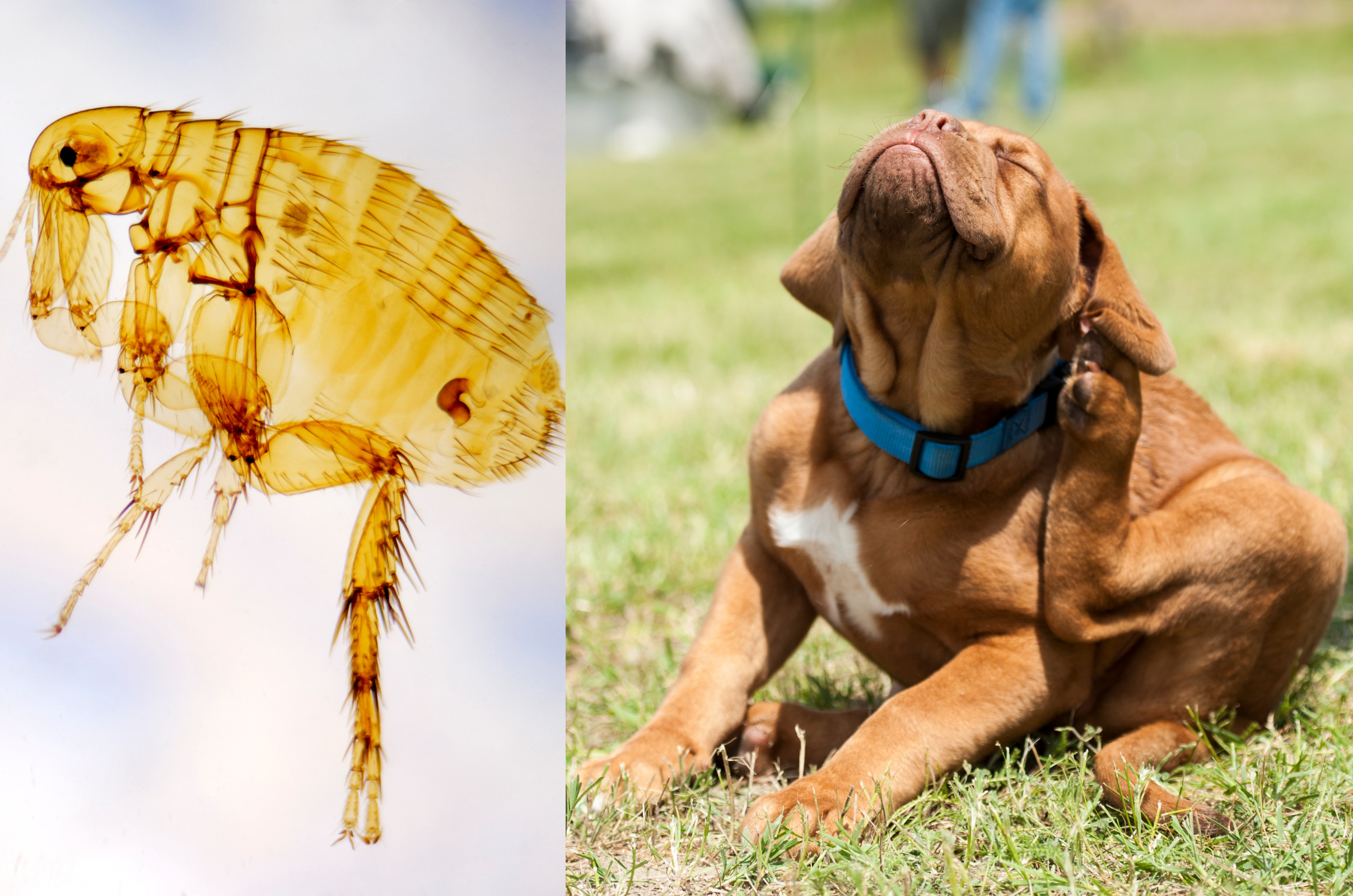
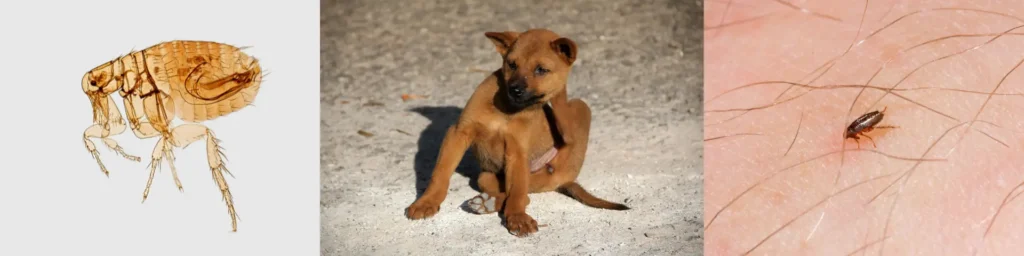
Fleas are tiny parasites that feed on the blood of warm-blooded animals. While many assume that fleas are only a problem that the family pet has to deal with, they can also bite humans and can transmit serious diseases, like the bubonic plague. You may have heard of all sorts of home remedies to get rid of fleas, such as applying salt or shampooing affected areas, but how effective are they really? In this blog we are putting myths to rest one fact at a time, based on some of the most common questions asked about flea control.
Question #1: “Does Table Salt on Carpets Kill Fleas?”
While salt may remove the moisture from some flea eggs or larvae on the surface level, it’s not an effective solution for an infestation. It’s not an effective method because it doesn’t kill adult fleas, which are usually the ones that bite. It also won’t reach deep into the carpet fibers or kill any of the fleas that are hiding in furniture, pet bedding, or baseboards.
Question #2: “Does Heat Kill Fleas?”
Yes, heat is effective at killing fleas and their eggs when you wash affected bedding, clothing, and pet items in hot water. However, heat alone often cannot reach all of the hidden areas where fleas like to live, such as deep in carpets, cracks in the floor, and other hard to reach areas.
Question #3: “Can Fleas Travel From House to House?”
Yes! Fleas, including their eggs and larvae, are known to hitch rides on pets, people, clothing, or furniture to move from house to house. The most common way they spread is when your dog or cat interacts with another infested pet and brings fleas home. Even stray or wild animals around your home can carry fleas that migrate indoors.
Question #4: “Can You Suffocate Fleas in a Plastic Bag?”
It is recommended to seal any affected bedding in a plastic bag to limit flea activity. However, it is important to know that this should not be your only method of control. A full treatment is still necessary, especially for the pet, as well as around any rugs, pet beds, and outdoor pet areas to fully eliminate fleas and prevent re-infestation.
Question #5: “Does Carpet Cleaning Get Rid of Fleas?”
Carpet cleaning and regular vacuuming are especially important after a flea treatment. The vibrations help to disturb the flea eggs and pupae, which causes them to hatch so that they can be eliminated more effectively. Be sure to vacuum thoroughly, including along baseboards, under furniture, and in any corners to maximize the effectiveness of your treatment.
Question #6: “Are Fleas Common in Florida?”
Fleas thrive in states with a warm and humid climate, which makes Florida one of the states most affected by these pests. Because of the year-round weather, homeowners need to stay vigilant and take precautions against fleas throughout the entire year.
Question #7: “Can Fleas Live on Hardwood Floors?”
Absolutely. Fleas can live on hardwood floors, primarily in cracks, under baseboards, on the edge of furniture, or in rugs. While hardwood floors might be less ideal in comparison to carpeting, it does not mean your home is safe from fleas.
Question #8: How Far Can a Flea Travel?”
While fleas do not fly, they are excellent jumpers. A flea can jump up to 8 inches high and 13 inches wide, which is over 100 times its body length! This allows them to easily move between pets, bedding, and furniture in search of their next meal. They don’t typically jump too far away from their nesting area, as they don’t usually travel long distances without a host.
Question #9: Will Raid Ant & Roach Killer Kill Fleas?
It is certainly not recommended. Raid Ant & Roach Spray contains insecticides that can kill fleas on contact, but these over the counter sprays are not designed for flea control. It will not eliminate an infestation. These products do not leave behind any residual protection, meaning that any newly hatched fleas will survive and reproduce. Raid products also aren’t safe to use near pets or their bedding so it is a major safety hazard.
Question #10: Can Mice Carry Fleas?
Yes! Mice, rats, and other rodents are common hosts for fleas. Fleas that live on rodents can quickly move into homes and start feeding on pets or people even once the rodent host is gone. A thorough treatment plan will address both the rodents and any fleas they may have brought along, preventing a larger infestation from taking place.
Don’t let fleas take over your home or put your family and pets at risk. There are some home remedies that may temporarily help, but the most effective way to eliminate fleas and prevent future infestations is with professional treatment. At Infinite Pest Solutions, our expert team provides thorough, safe, and reliable flea control solutions that target all stages of the flea life cycle. Give us a call today!
Rodent season typically starts whenever the temperatures in Florida start to drop, which can mean early October to November. The colder months are when an infestation can escalate quickly if the issue isn’t addressed early. Making sure that rodents don’t make their way in during this critical time is essential to save your home from expensive damages and health hazards.
1. Do Rodents Hibernate in the Winter?
As the temperatures start to drop, rodents start searching for somewhere to make a permanent residence. Rodents will find a warm place to nest for the winter without hesitation. These rats and mice are looking for a cozy spot like the attic, crawl spaces, roof eaves/soffits, garages, and even behind appliances. These areas are ideal nesting sites where they can reproduce and store food without being bothered.
2. What Sort of Damage do Rodents Cause?
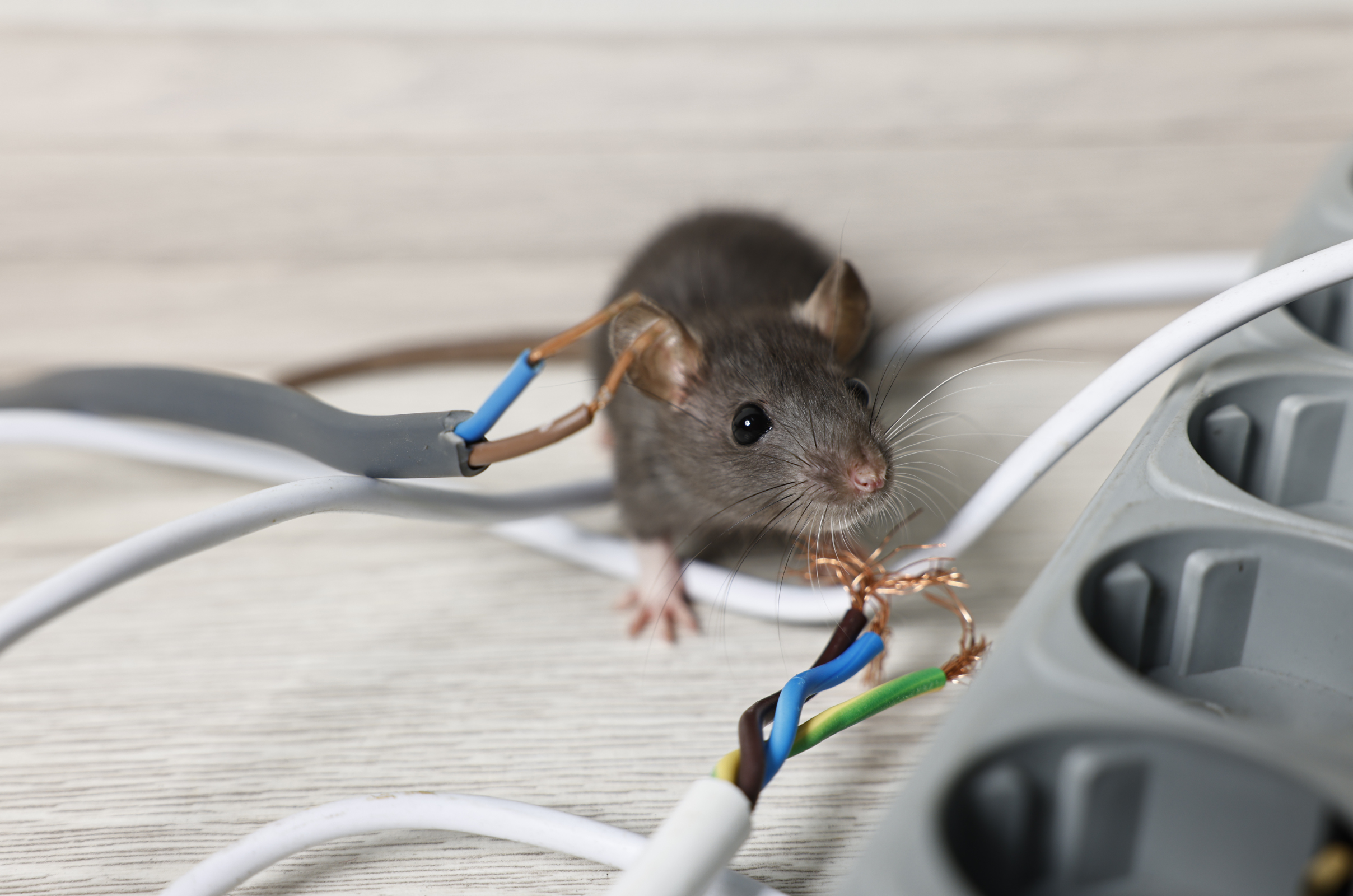
Rodents teeth never stop growing! To keep them filed down they are constantly gnawing, which means they will chew on almost anything in sight. This includes drywall, baseboards, furniture, PVC pipes and electrical wires to name a few. This is a huge danger as exposed wires can short-circuit, causing a fire.
3. What diseases can humans get from rodents?
Rodents are scavenger creatures that leave a trail of contaminants behind everywhere they go. Rodents are known to carry at least 10 different types of diseases that are harmful to humans including:
Spirochetal Jaundice
Rabies
Rat-bite Fever
Bubonic Plague
Leptospirosis
Tularemia
Salmonellosis
Murine Typhus
Ringworm
Bacterial food poisoning
They can spread these diseases through their urine, droppings, saliva or bites which are harmful to families and pets. For sensitive individuals and children, the rodents can trigger an allergic reaction and worsen asthma symptoms.
If you are hearing scratching, squealing, or scurrying in the walls, attic, or crawl spaces.
Droppings – are small-dark pellets along baseboards, in cupboards, and behind appliances.
Gnaw marks on surfaces like wood, plastic, and wiring.
Grease marks that can appear along walls or baseboards, because rodents tend to travel the same route.
5. How Can I Prevent a Rodent Infestation?
As soon as you see signs of any rodent droppings or hear scratching at night, it is best to immediately schedule a rodent evaluation to get the scope on the magnitude of the problem. Performing exclusion work is important to seal off any entry points and prevent rodents from making their way back inside. Trimming any trees that are touching a home is great to do as rats use cracks in the walls or foundation to get in. Making sure that any potential food or water sources are removed, and that any pet food is properly sealed. In addition, rodent monitoring and trapping are great methods to eliminate any existing activity before it turns into a full infestation.
Don’t let rodents take over your home this winter. If you’ve noticed any signs of rodent activity, or want to make sure your home is protected before they move in, get a quote today. Our expert team will inspect, identify, and eliminate any rodent problems, quickly, and safely, keeping your home secure all season long.