
Pest Control 101: What to Expect, What’s Covered, How to Prepare

Did you know that nearly 1 in 5 homes in the United States experience some form of pest infestation annually? Pests not only damage property but also pose health risks to your family.  If you’ve never had professional pest control before, it’s normal to have questions. Homeowners often ask what pest control actually includes, what happens during the first visit, and whether they need to do anything ahead of time.

The good news is that pest control doesn’t have to be complicated. Understanding how it works can help you get better results and feel more confident about the process.

Here’s a breakdown of what you should know before your service.

How Do I Prepare My House for Pest Control?

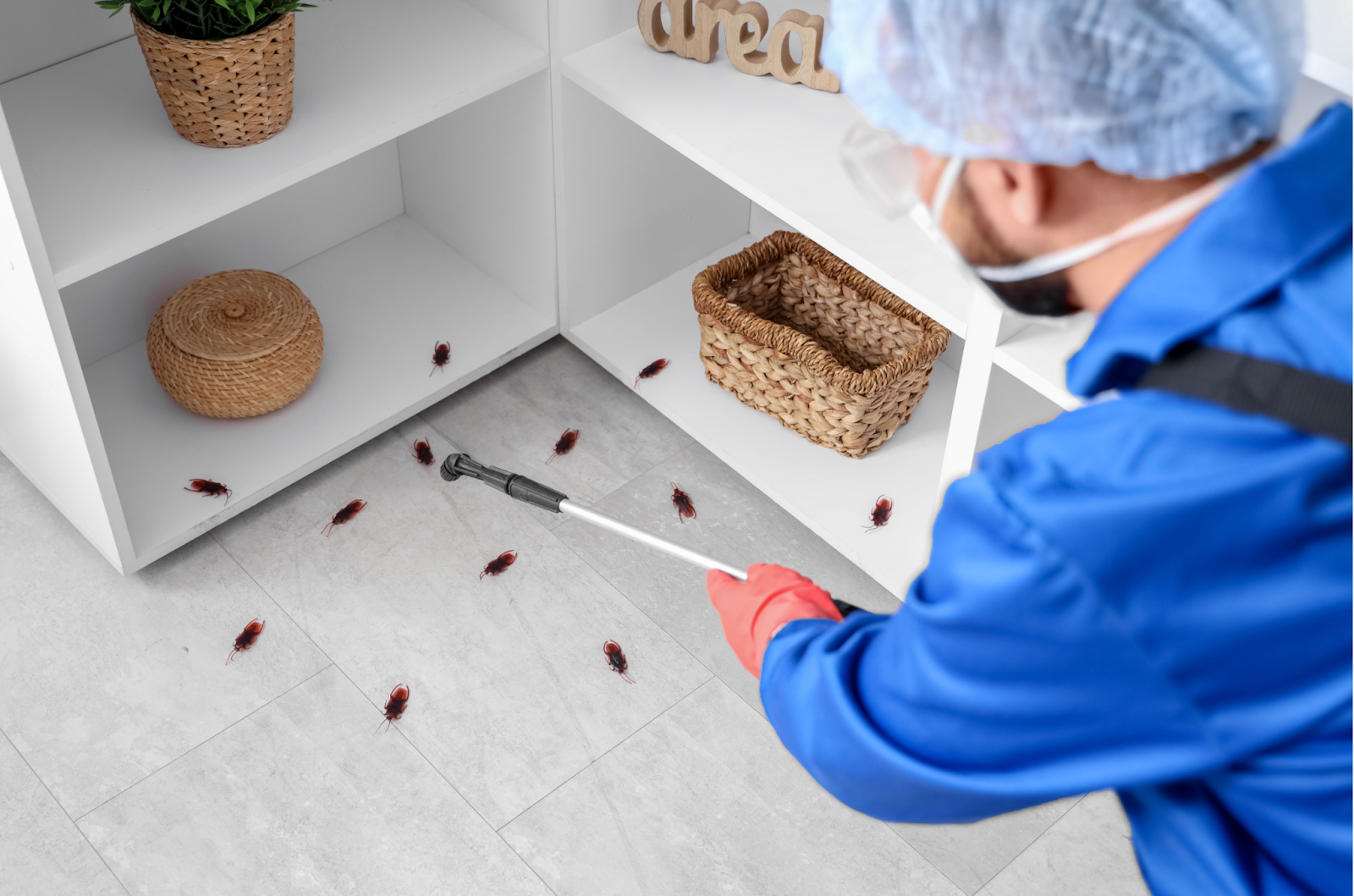
In most cases, preparation is minimal. Pest control works best when technicians can easily access the areas pests are most active. For specific pests like German cockroaches, cleanliness is essential for successful elimination. Ensure that pantry areas are free of food debris, spills, and clutter, as this helps treatments work more effectively. You can learn more about what homeowners can do here.

While deep cleaning your entire home isn’t needed prior to a service, a quick tidy-up makes it easier for treatments to reach the right areas and helps ensure nothing blocks access to key entry points.

Before your appointment, it helps to:

  • Clear clutter away from baseboards to allow technicians full access for treatment
  • Secure pets and let the technician know if you have any concerns
  • Take note of where you’ve seen pest activity so you can point it out
  • Take photos of pests you have concerns about so a technician can better identify 
  • Ensure counters are clear of crumbs and debris in the event bait is needed

What Are Common Pest Control Services?

Typical pest control services address a range of common pests. Regular maintenance visits include inspections to catch early signs of infestation and preventive treatments to keep pests at bay year-round. Some of the most common services Infinite Pest Solutions include are:


What Does Normal Pest Control Cover?

General pest control typically covers the pests homeowners encounter most often. This usually includes:

  • Ghost ants 
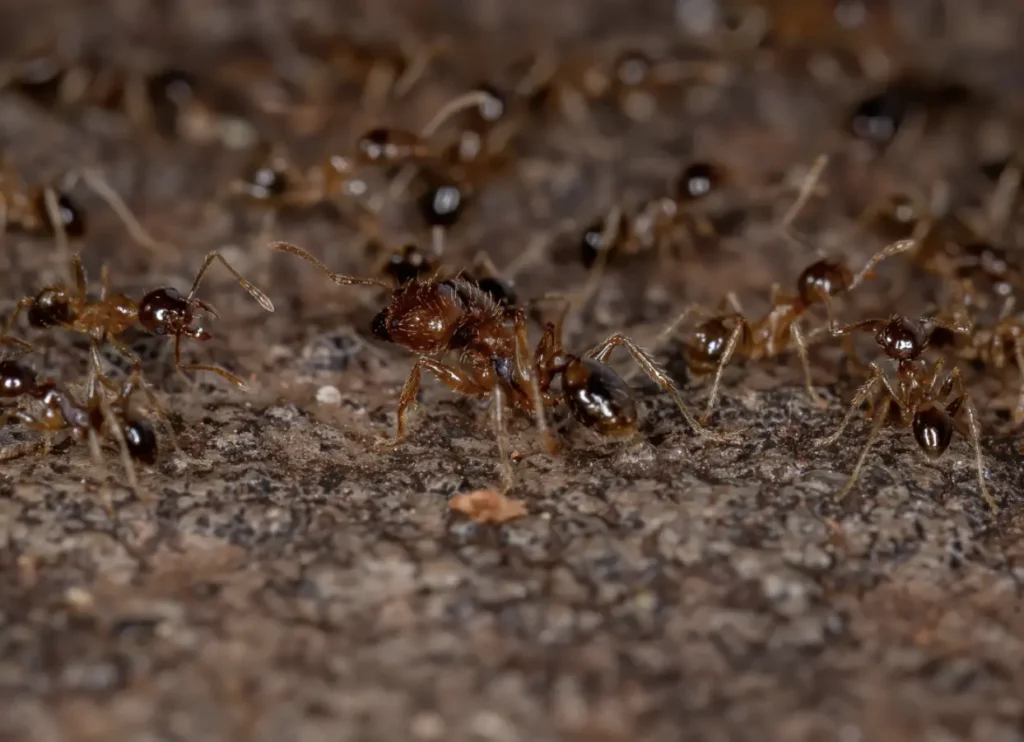
  • Fire ants 
  • Big headed ants 
  • Carpenter ants 
  • White footed ants 
  • Odorous ants 
  • Argentine ants 
  • Palmetto Cockroaches 
  • Wasps/Hornets 
  • Centipedes 
  • Millipedes  
  • Silver fish 
  • Spiders 
  • Earwigs 
  • Crickets  
  • Sow bugs 

These services focus on treating entry points, nesting areas, exterior foundation, and high-traffic pest zones around the home such as soffits. The goal is to rid of what exists around the home and keep a protective barrier around the exterior of the home to prevent any new pests.


What Does Pest Control Do on a First Visit?

The initial visit is one of the most important parts of pest control. This is when the technician will perform a detailed inspection of the interior and exterior to assess pest activity and identify entry points. Following this, the technician will present a tailored treatment plan addressing your home’s specific needs. 

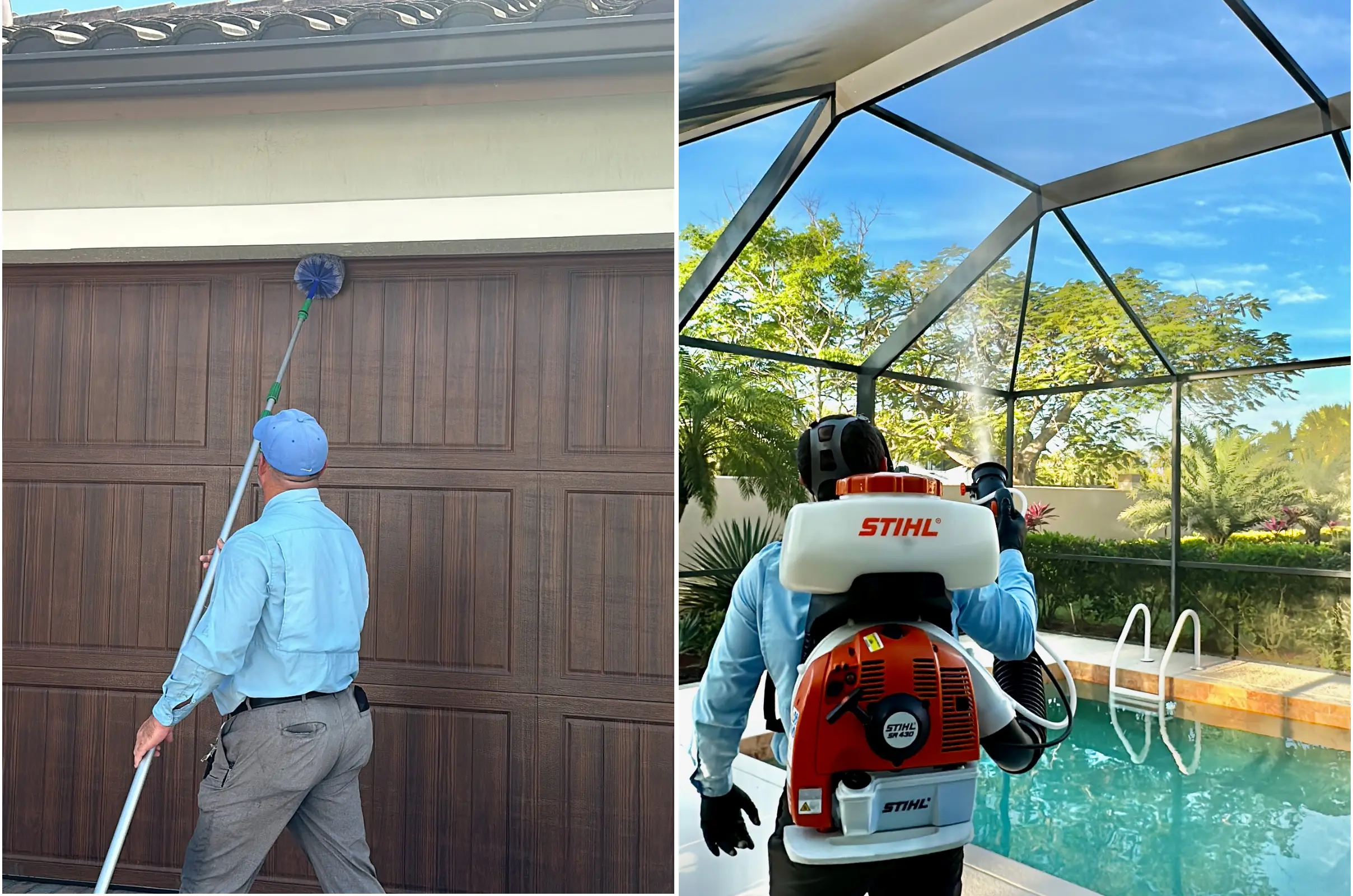
The initial treatment involves barrier applications outside, an interior application, crack and crevice treatments, and removal of wasps/hornets nests or webs. Ongoing maintenance and follow-up visits help to ensure pest-free results especially in warm and humid climates where pests stay active year-round.


Why Ongoing Pest Control Matters

Many pests don’t disappear after a single treatment. Ant colonies, spider populations, and other infestations often rebuild especially if conditions remain favorable.

Routine pest control helps:

  • Keep pests from returning
  • Prevent new activity 
  • Maintain a protective barrier around your home
  • Eliminate the source of reproduction

Preparing for pest control doesn’t have to be stressful, and knowing what to expect makes the process smoother from the start. From understanding what’s covered to knowing what happens on the first visit, a little information goes a long way.

At Infinite Pest Solutions, we know that professional pest control is about more than just removing pests, it’s about protecting your home, preventing future issues, and giving you peace of mind. Get a free quote today!

Our Southwest, FL Service Locations:

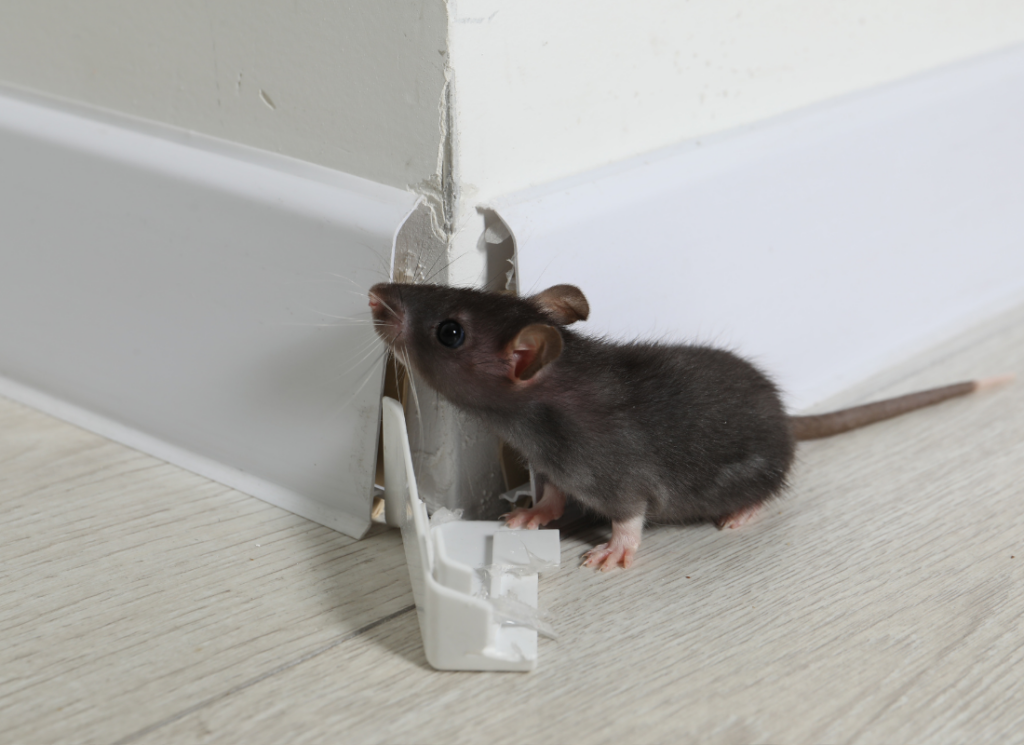
Mice vs Rats – Differences in Florida

Did you know, in the United States, about 21 million homes fall victim to rodents in the winter season? Knowing what a mouse and rat are is key. Knowing their winter habits helps you prevent costly property damage and health risks. Many homeowners overlook common entry points and early warning signs that make homes open to these unwelcome guests. We will compare mice vs. rats and explain their winter behavior. We also highlight hidden entry points that invite nesting rodents into your home.

What Do Mice and Rats Look Like?

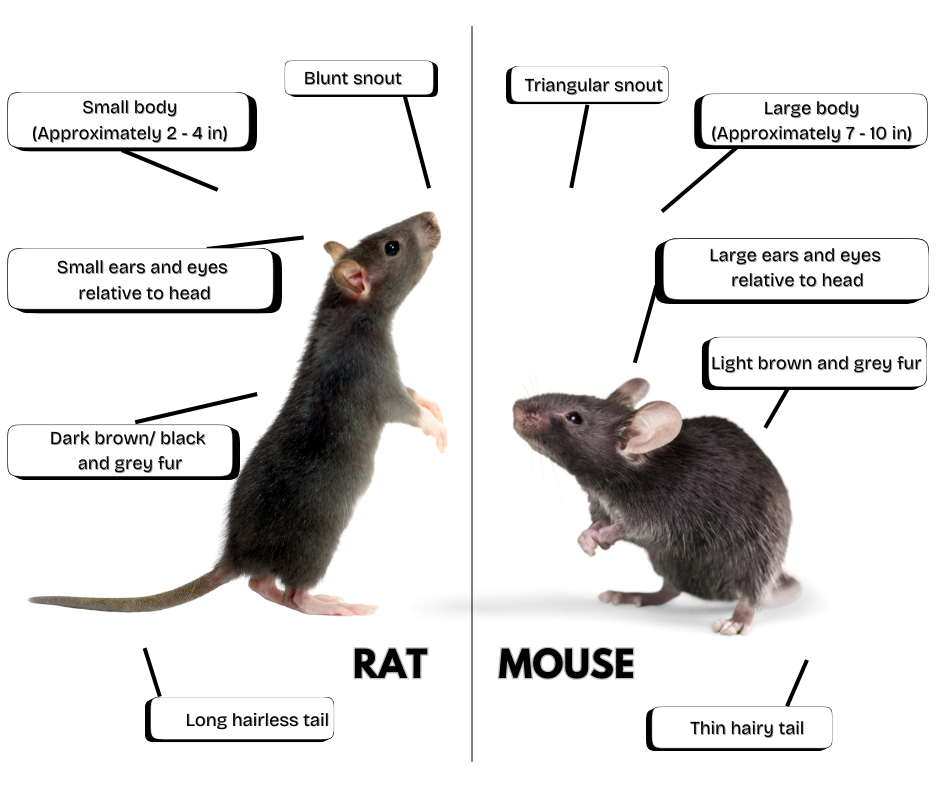
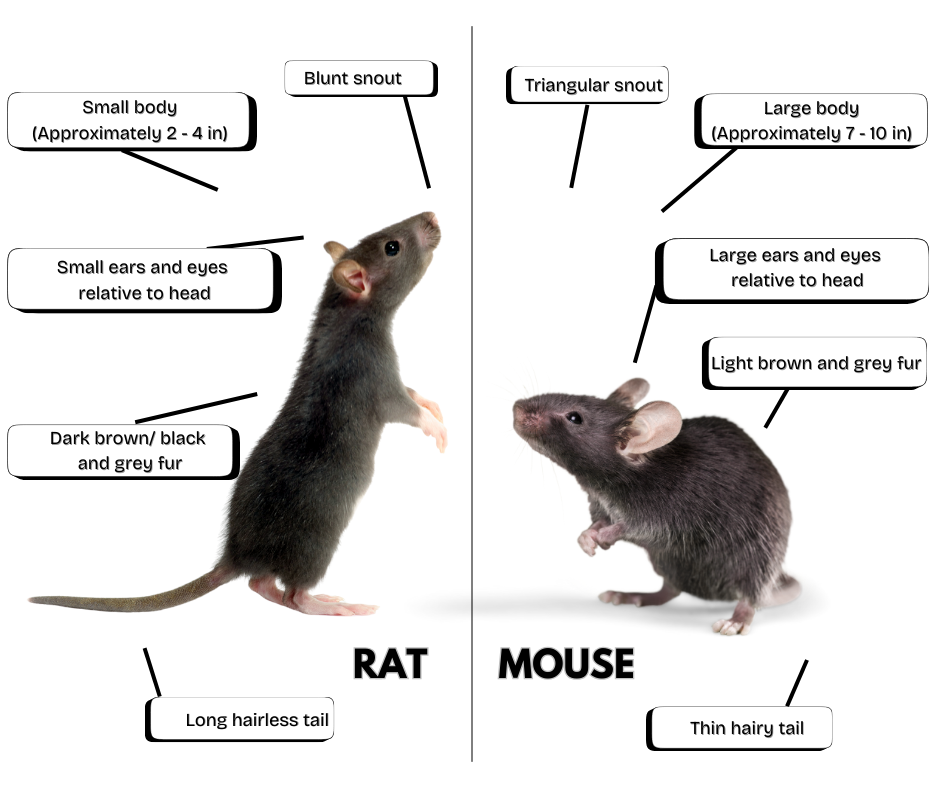
Mice and rats differ greatly in size and appearance. Knowing these distinctions is crucial for effective pest control and prevention.

Size and Body Shape:

Mice are small, slender, and under four inches long. They feature triangular heads and large ears relative to their body size.

Rats are much larger, often exceeding eight inches in body length, with a rounded muzzle and thicker, muscular build.

Tail and Feet:

Mice have thin, lightly furred tails roughly equal in length to their bodies, aiding in balance and agility. Rats have thicker, hairless, scaly tails used to regulate warmth and stability.

Rat footprints are larger and wider than the delicate, needle-like prints left by mice.

Physical traits influence how each species enters your home. These things determine where you will find signs of nesting.

Behaviors and Habits

Know how mice and rats behave when it comes to feeding and nesting.

Feeding Patterns:

Mice are nibblers who eat small amounts of food frequently throughout the day, often sampling various sources. 

Rats teeth are constantly growing so gnawing is key to keep them from overgrowing. If rats teeth become overgrown, they are no longer able to eat. 

Activity:

Mice are curious explorers that dart quickly and look for new objects in their habitat.

Rats exhibit neophobia — fear of new things — making them more cautious and harder to trap.

Nesting:

Mice build hidden nests like shredded paper. You often find them inside walls, cabinets, or storage bins.

Rats require larger spaces and tend to nest in crawl spaces, attics, garages, or even underground burrows.

Breeding:

Rats breed quickly with having up to 8 newborns every 60 days. After 60 day they are ready to conceive again

Mice reproduce twice as fast every 30 days with about 10-12 new borns every month.

Signs of Rodent Activity to Watch for in Colder Months

Rodents seek warmth as temperatures drop, making late fall and winter prime times for nesting. Watch for these telltale signs:

Droppings:

Mouse droppings are small, rice-shaped pellets with pointed ends, scattered widely.

Rats leave large, clusters of waste near food sources, unlike the scattered pellets of mice.

Gnaw Marks and Structural Damage:

Look for small, dime-sized holes or chew marks for mice, and larger quarter-sized damage from rats. Rats can chew through wood, plastic, and even soft metals, creating serious structural risks.

Sounds and Smells:

Scratching or scurrying noises inside walls or ceilings at night can reveal rodent movement. A strong ammonia-like odor may also indicate urine build up.

Ignoring Entry Points:

Our field evaluations reveal a common trend: most homeowners overlook entry points that rodents exploit daily.

  • Open gaps around roof edges and vents
  • Tree branches or shrubs touching the roof, providing easy access
  • Unsealed cracks near doors, windows, plumbing, or electrical lines
  • Broken screens or damaged weather stripping

These entry points become even more critical in colder months when rodents are actively searching for shelter.

Health Risks Associated with Rodents

Rodents are not just a nuisance; they pose many health hazards. They carry bacteria and viruses such as salmonella, leptospirosis, and hantavirus, which can infect food and surfaces. Their droppings and urine can trigger allergies and breathing issues in children or sensitive individuals. Early detection and control are vital to protect your family’s health.

Common Mistakes and Overlooked Problems in Rodent Prevention

Many homeowners focus on obvious signs inside the house but overlook key prevention steps:

  • Ignoring roof and attic access points — rodents often enter from above
  • Allowing tree branches and vegetation to touch the home on the outside, creating bridges
  • Missing small gaps around utility pipes, vents, and doors
  • Failing to address clutter, which provides shelter and nesting materials
  • Not storing food properly or leaving pet food accessible overnight

These oversights can quickly turn a small rodent presence into a bigger issue.

Effective Prevention and Measures

Taking proactive steps can greatly reduce your risk:

Seal Entry Points:

Use steel wool, metal flashing, or concrete to close gaps larger than a quarter inch. Pay special attention to roof edges, vents, and where utility lines enter the home.

Maintain Vegetation:

Trim tree branches and shrubs away from the house to ride of easy access routes.

Keep Your Home Clean and Clutter-Free:

Store food in sealed containers, clean up crumbs promptly, and reduce clutter inside and outside your home.

Rodent Control with Infinite:

For thorough protection, rely on experts who can spot species, inspect for access points, and implement a tailored treatment plan. Learn more about our complete rodent services.

Conclusion

Mastering rodent behavior is the first line of defense. You must distinguish between mice and rats to secure your home before the winter. Many homeowners overlook critical issues like roof gaps and tree branches touching the home, which can easily invite rodents inside.

Protect your property by sealing entry points and keeping a clean home. Inspecting hidden areas prevents costly damage and keeps your family safe. If you suspect rodent activity or want a expert, don’t hesitate to reach out to Infinite for help.

Our Southwest, FL Service Locations:

5 Common Types of Red Ants and How to Manage Them

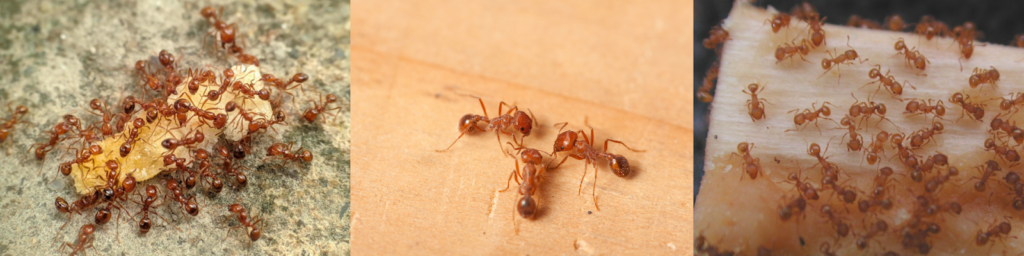
Red ants are more than just an everyday nuisance. Depending on the species, they can damage landscaping, invade homes, cause painful stings, and even create health and safety concerns. In fact, red imported fire ants alone cause more than $6 billion in damage each year across the United States, according to the USDA.

Knowing which type of red ant you’re dealing with is key to choosing the right prevention and control strategy. Below are five common red ant species homeowners encounter and what it typically takes to manage them effectively.


1. Red Imported Fire Ants

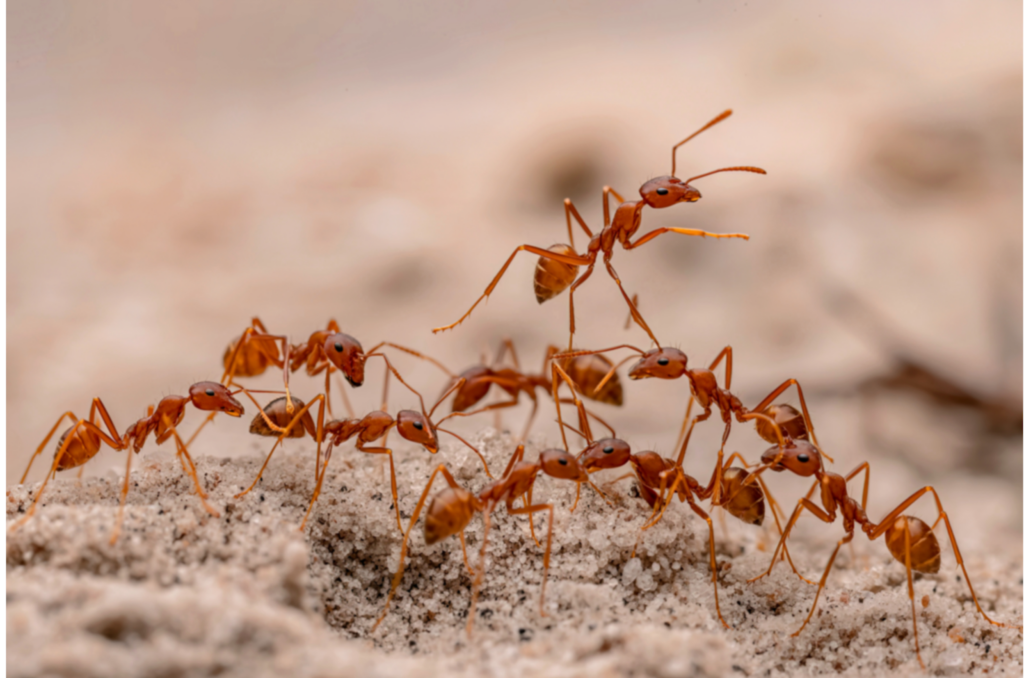
Fire ants are one of the most aggressive red ant species. They’re typically reddish-brown and range from about 1/8 to 1/4 inch long. Fire ants build large, dome-shaped mounds, sometimes up to 18 inches wide, and will swarm quickly if their nest is disturbed.

Why they’re a problem:
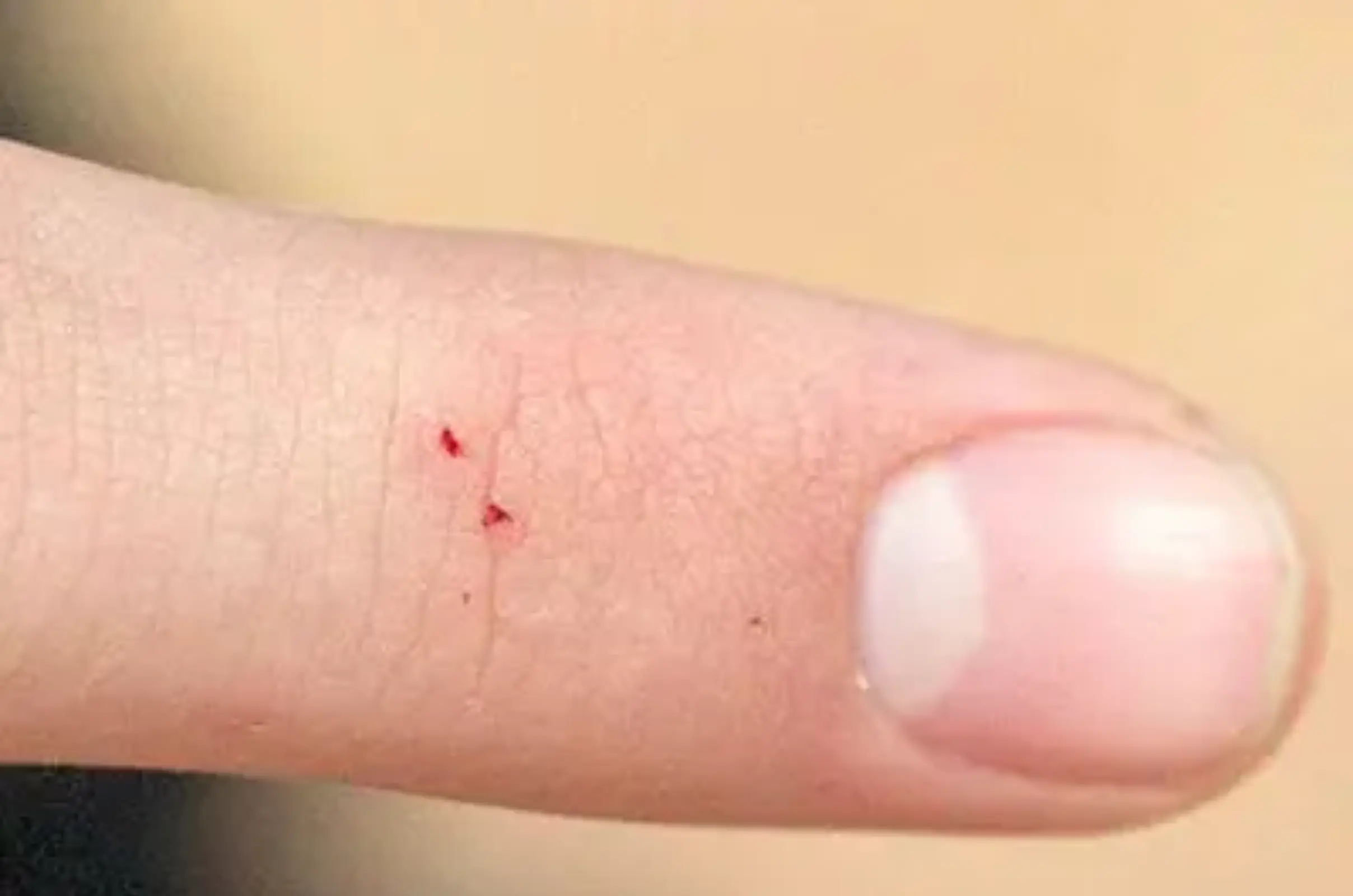
Fire ants deliver painful stings that can cause burning, itching, and, in some cases, severe allergic reactions. Their mounds also make yards unsafe for pets, children, and outdoor activities.

How to manage them:
Avoid disturbing mounds, as this can make the problem worse. Fire ants usually require professional, colony-level treatments that target the queen and underground nest to prevent reinfestation.


2. Carpenter Ants (Red Varieties)

Carpenter ants are larger ants, sometimes reaching up to 5/8 inch long. They may appear red, black, or a combination of both. While they don’t sting, carpenter ants can cause serious structural concerns.

Why they’re a problem:
These ants tunnel through wood to build their nests, often targeting moist or damaged areas of a home. Over time, this activity can weaken wood structures.

How to manage them:
Look for signs like sawdust-like debris or hollow-sounding wood. Reducing moisture, repairing damaged wood, and locating the main nest are critical. Severe infestations typically require professional treatment.


3. Tawny Crazy Ants

Tawny crazy ants are named for their erratic, fast movement. They’re about 1/8 inch long and have long legs and slightly hairy bodies. This species has become increasingly problematic in Gulf Coast states, especially Florida.

Tawny Ants

Why they’re a problem:
They’re attracted to electrical equipment and wiring and have been known to cause short circuits and equipment failures. They also form large colonies that are difficult to control.

How to manage them:
Sealing entry points and reducing moisture can help, but tawny crazy ants are highly resilient. Professional pest control is often necessary to manage infestations effectively.


4. Leaf-Cutter Ants

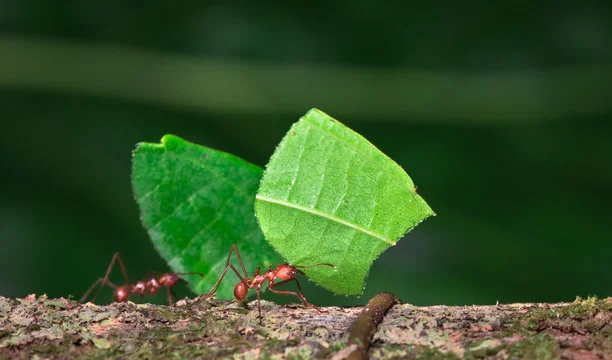
Leaf-cutter ants are some of the most recognizable red ants due to their habit of carrying pieces of leaves. These ants range in size from 1/8 to 5/8 inch and use the leaves to cultivate fungus underground.

Leaf Cutter Ants

Why they’re a problem:
They can defoliate trees, shrubs, and ornamental plants very quickly, causing significant landscaping damage.

How to manage them:
Physical barriers and targeted treatments can help protect plants, but established colonies usually require professional intervention to prevent ongoing damage.


5. Big-Headed Ants

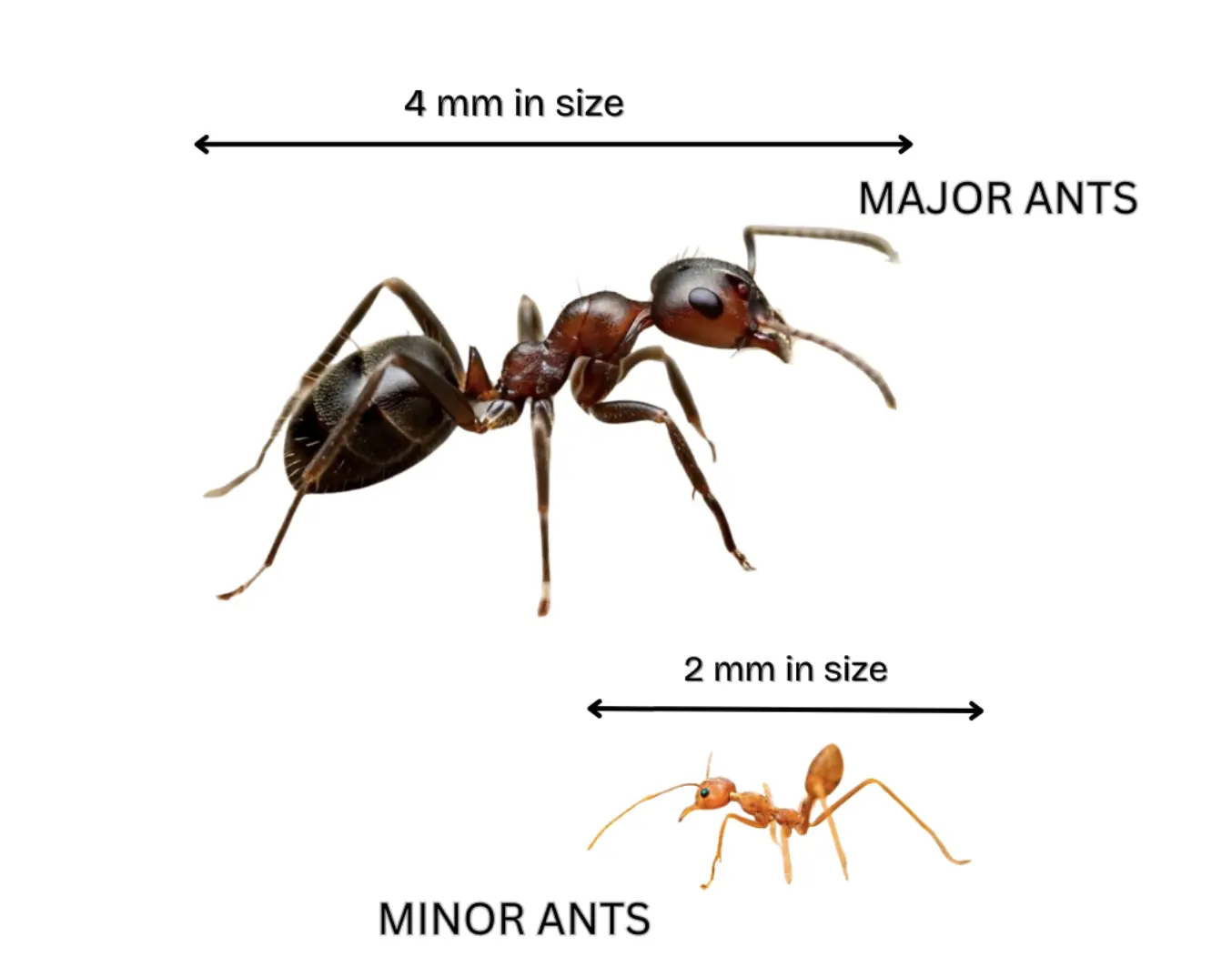
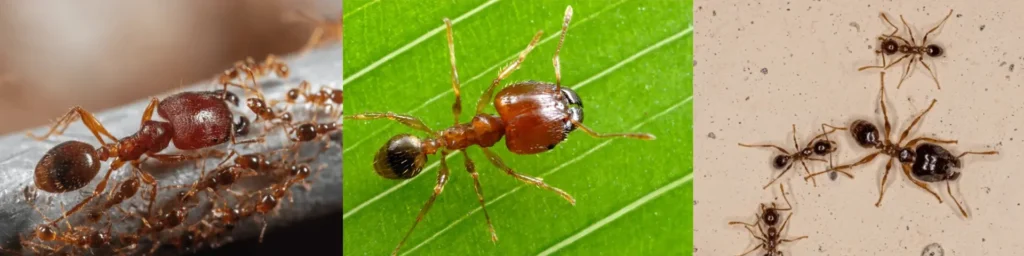
Big-headed ants, although can be a reddish color, and often mistaken as fire ants. They are named for the oversized heads of their major workers. They typically range from 1/8 to 1/4 inch long and nest in soil, often leaving behind small piles of displaced dirt.

Big Headed Ants

Why they’re a problem:
These ants form large colonies with multiple queens and frequently invade homes in search of food and moisture. A single treatment rarely eliminates the entire colony.

How to manage them:
Sealing cracks, reducing moisture, and maintaining cleanliness can help, but persistent infestations usually require specialized pest control strategies.


Why Red Ants Keep Coming Back

Many red ant species form large or hidden colonies, which means killing visible ants doesn’t address the source of the problem. These colonies can spread over large areas, sometimes multiple blocks or neighborhoods. Without eliminating the nest and queen, ant activity often returns, sometimes worse than before.

Treatments bought from the store may offer short-term relief, but surviving nests nearby can repopulate areas, leading to reinfestation if not addressed thoroughly. Professional pest control focuses on identifying the species, targeting the colony, and preventing future infestations.

At Infinite Pest Solutions, we provide customized ant control plans designed to eliminate red ants and prevent them from coming back. Whether you’re dealing with fire ants, carpenter ants, or large multi-queen colonies, our technicians have the experience to help.

Our Southwest, FL Service Locations:

Identifying Big Headed Ants A Homeowner’s Guide

Big headed ants are the culprit to those odd looking any colonies. If you see a colony of small ants with a few of them that are larger in size and have a big head, you’re dealing with big headed ants.

Did you know that invasive species like ants cause billions of dollars in property damage worldwide every year? According to the Invasive Species Specialist Group, big headed ants (Pheidole megacephala) rank among the top 100 worst invasive species globally, wreaking havoc on ecosystems and homes alike. If you suspect you have these destructive pests, it’s important to understand why getting rid of these ants can be so challenging, and why only one treatment will not solve your big headed ant problem.

Big headed ants

What Are Big Headed Ants?

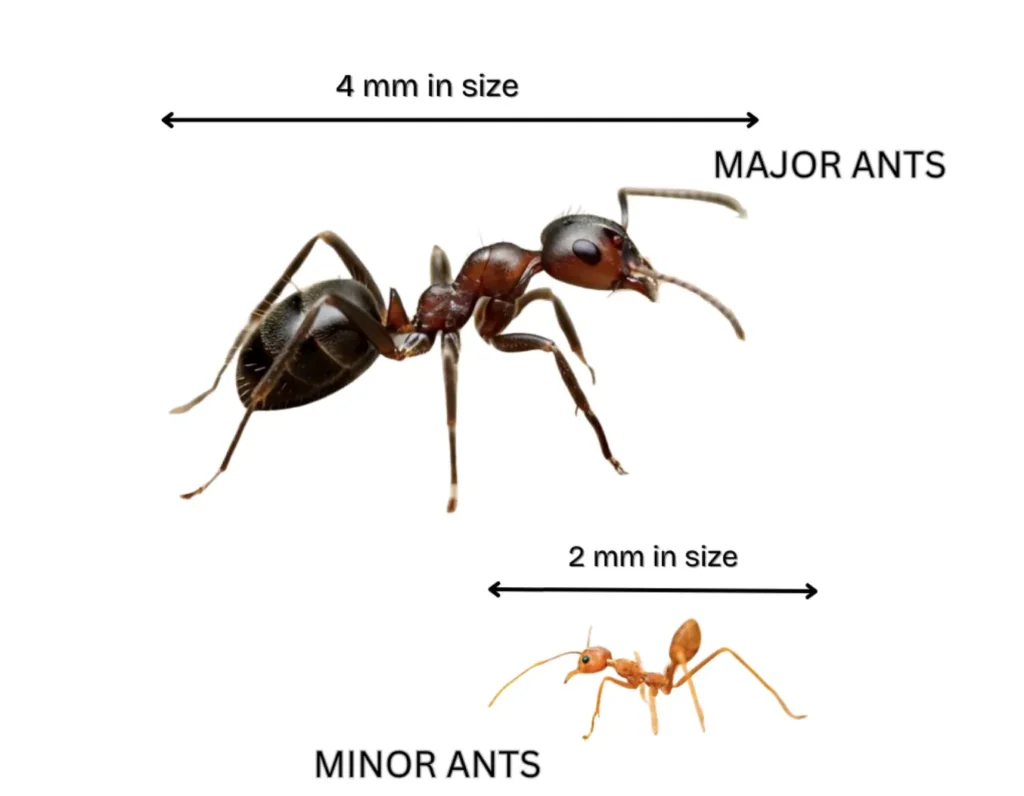
Big headed ants are small but formidable insects, measuring between 2 and 4 millimeters in length. They get their name from the soldier ants’ disproportionately large heads, which can be nearly half the size of their bodies. Their coloration ranges from red-brown to black, and they have distinct physical traits including two spines on their waists and long, sparse hairs covering their bodies.

What sets big headed ants apart from other ant species is their complex social structure. Unlike many ants that defend a single nest, big headed ants form “super colonies” — networks of interconnected nests that cooperate for food gathering, defense, and reproduction. Each colony can have multiple queens, allowing rapid growth and spread over large areas.

How Large Can Their Colonies Get?

Big headed ant colonies can be massive. With multiple queens laying eggs simultaneously and nests linked underground or through surface tunnels, these super colonies can span yards or even acres. This expansive network makes eradication difficult, as killing ants in one nest often leaves others untouched, allowing the infestation to rebound quickly.

Where Are Big Headed Ants Found In and Around Homes?

These ants prefer warm, moist environments and often build their nests in soil—underneath shrubs, garden mulch, or stones. Unfortunately, they can also invade homes, especially through cracks and crevices near foundations or baseboards.

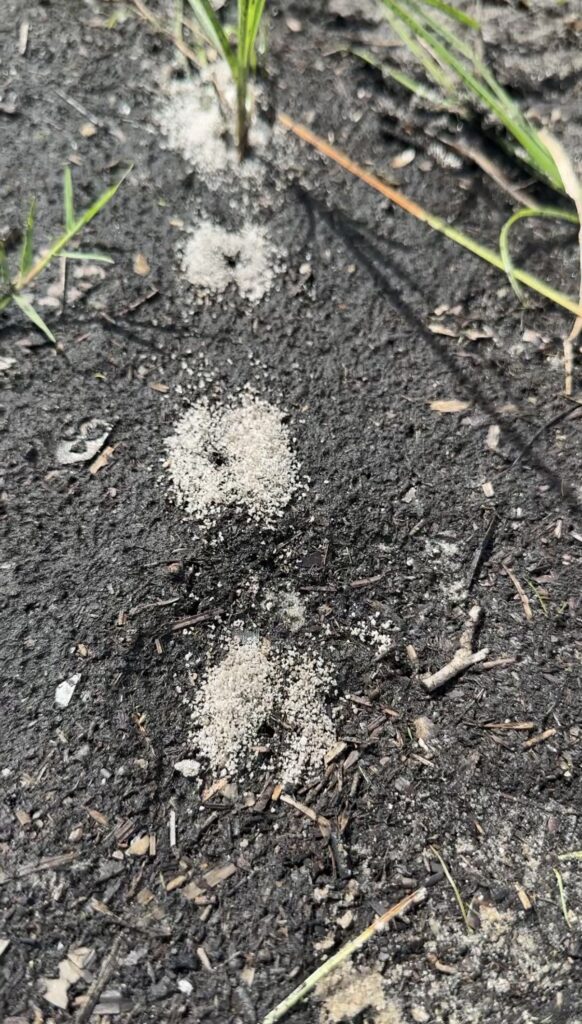
During a recent inspection at a customer’s home, small piles of sand and dirt were visible along the baseboards of an interior wall. Upon closer examination outside, multiple ant colonies were discovered near the foundation. It turned out to be a big headed ant infestation, with the ants infiltrating the home through those baseboard gaps. Such signs are common indicators of their presence.

Why Are Big Headed Ants So Destructive?

Big headed ants cause damage in multiple ways:

  • Property Damage: Their large nests displace soil, which can weaken plant roots and even damage structures like foundations and irrigation systems.
  • Ecological Impact: By aggressively competing with and displacing native ant species, they disrupt local ecosystems and biodiversity.
  • Agricultural Threats: These ants tend sap-sucking insects like aphids, which harm crops, and can damage electrical equipment by nesting inside devices.

Though their bite is not considered dangerous to humans, their sheer numbers and persistence make them a serious pest problem.

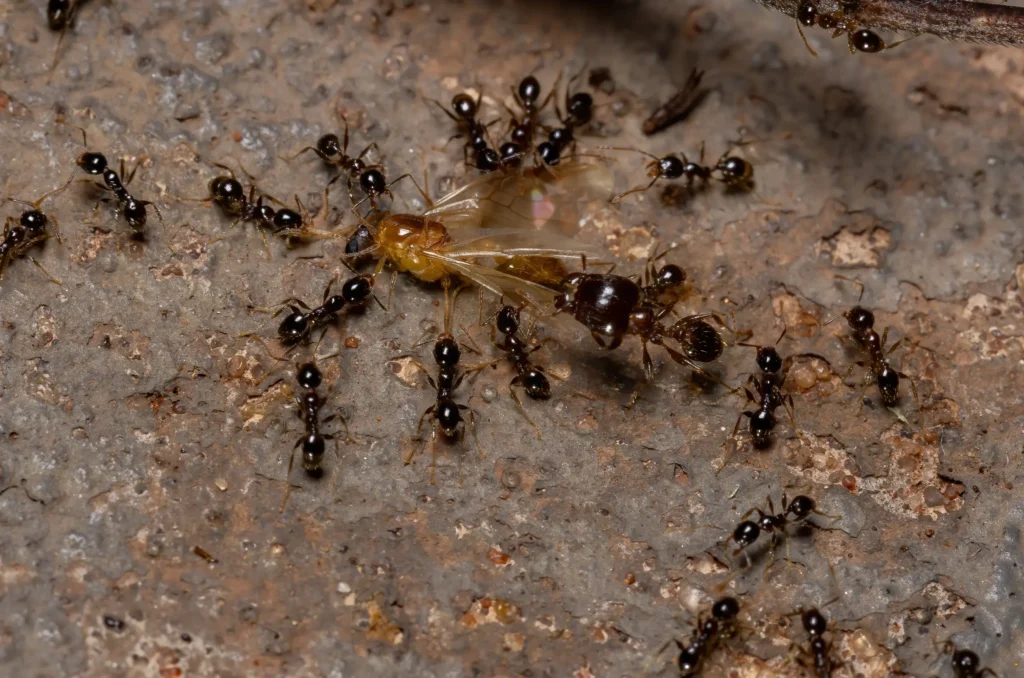
Big headed ants feasting on a flying insect

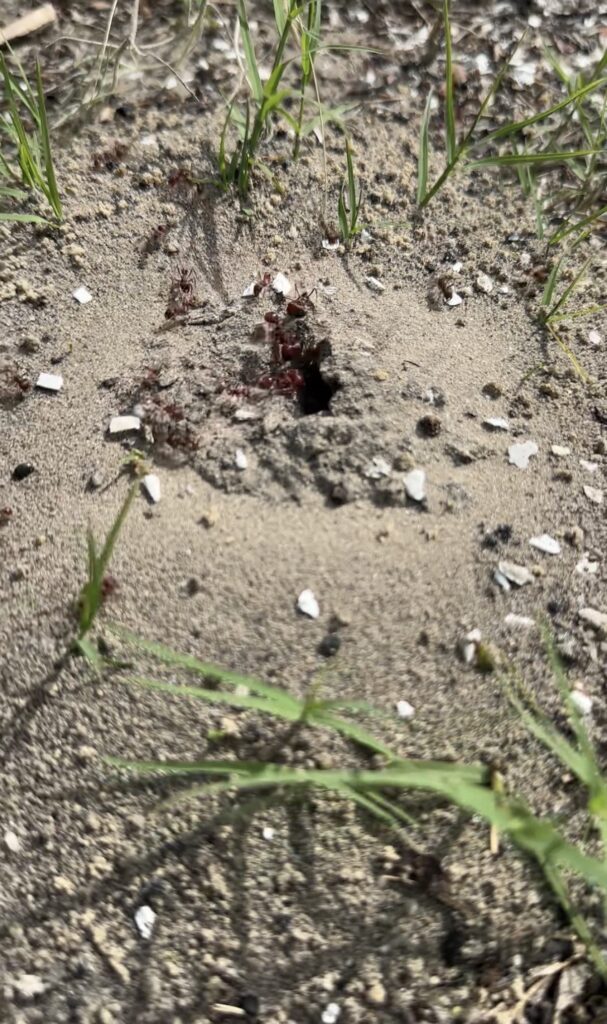
Signs of a Big Headed Ant InfestationBig headed ants colonies

Be on the lookout for the following warning signs:

  • Small mounds or piles of displaced soil near foundations, gardens, or even inside homes near baseboards.
  • Visible ant trails along walls, floors, or outdoor surfaces.
  • Discovery of multiple nests or entry points around the property.

If you notice these signs, early action is critical to prevent the colony from expanding further.

Why One Treatment Isn’t Enough

Because of big headed ants complex colony structure and rapid reproduction, they are notoriously difficult to eliminate with a single treatment. Some insecticides are ineffective against them such as over the counter products, and disturbing nests without proper control measures can cause the ants to scatter and rebuild elsewhere.

Effective management requires an integrated pest control approach that includes:

  • Professional assessment to locate all colonies and entry points.
  • Multiple treatment sessions using targeted baits and insecticides.
  • Ongoing monitoring to ensure the colony does not reestablish.
  • Preventive measures like keeping food sealed and reducing moisture.

Effective Control & Prevention Strategies

Hiring a professional pest control service is often the best way to tackle big headed ants effectively. Certified operators have the knowledge and tools to:

Big headed ants major and minor ants
  • Identify all the nests, including hidden outdoor colonies.
  • Apply EPA approved baits and solutions safely and correctly.
  • Provide advice on cleaning and home maintenance to reduce attractants.

At Infinite Pest Solutions, we specialize in comprehensive pest management plans designed to eliminate big headed ants and keep your home ant-free. Our experts follow industry best practices and tailor treatments to your specific situation.

For more tips on preventing pests in your home, check out our articles on Most Common Pest Control Questions and Types of Pests Found in Homes.

Conclusion

Big headed ants are a destructive invasive species capable of causing significant ecological and property damage. Their super, multi-queen colonies and adaptive behavior make them tough opponents for homeowners trying to eliminate them with a single treatment.

If you suspect a big headed ant infestation, act quickly and enlist Infinite Pest Solutions. Early intervention combined with a strategic treatment plan is the most effective way to protect your home and property from these persistent pests.

Our Southwest, FL Service Locations:

Black Widow Spiders in Florida: Identification, Risks, and Prevention

Key Takeways
  • Black widows vs brown widows
  • How to prevent black widows from making their way into your home
  • The habits and risks of black widows
  • Are black widow spiders aggressive?
Black Widow Spiders

Did you know a venomous black widow’s bite is 15 times stronger than a rattlesnake’s? Florida residents should understand these infamous spiders. Knowledge helps you stay safe and calm during an encounter.

Black widows have a fearsome reputation. However, there is more to these red-marked spiders than just the danger they pose. This guide covers everything Floridians need to know. We discuss black widow appearance, habits, risks, and prevention tips for your home.

We will discuss where black widows live and how to identify them. You’ll also learn when to call professionals to protect your family.


What Does a Black Widow Spider Look Like?

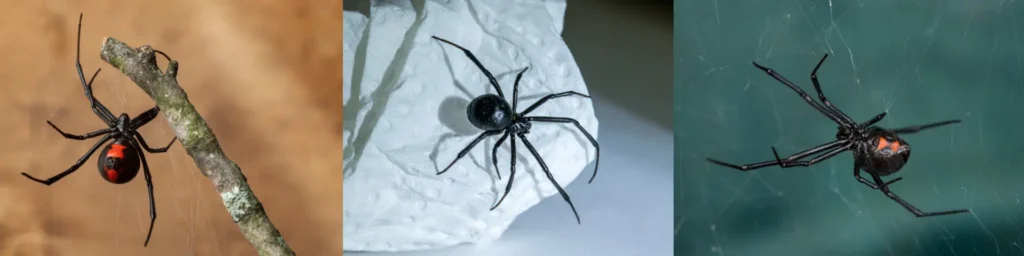
Black widows prefer dark, hidden spaces. Consequently, many homeowners only notice them once webs appear in storage areas. Black widow spiders are pretty easy to spot once you know what to look for:

Key Identification Features:

  • Shiny, jet-black, rounded abdomen
  • Bright red or orange hourglass marking underneath
  • Female size: approx. 1.5 inches including legs
  • Irregular, sticky webs in dark, undisturbed areas

Black Widow vs. Brown Widow: How to Tell the Difference

While both species are venomous, brown widows (Latrodectus geometricus) are less aggressive and have weaker venom. Here’s how to distinguish them:

FeatureBlack WidowBrown Widow
ColorJet blackLight to dark brown or tan
Hourglass MarkingBright redOrange or yellow
Egg SacSmooth, roundSpiky or spiny surface
BehaviorMore reclusiveFound closer to human activity

Accurate identification helps in assessing risk and deciding when to call a professional.


Where Can You Find Black Widow Spiders in Florida?

Because they prefer dark, hidden spaces, many homeowners remain unaware of an infestation. As a result, you may not notice them until you begin cleaning out storage areas or garages. These spiders prefer warmer climates making Florida the perfect place to live. You will commonly find them in:

  • Garages and storage rooms
  • Pool cages and screen enclosures
  • Sheds and outdoor storage areas
  • Attics and behind outdoor furniture
  • Soffits, eaves, inside fan lights

How Dangerous Is a Black Widow Bite?

Black widow venom contains a neurotoxin called latrotoxin, which can interfere with nerve and muscle communication. Their venom is potent, though bites are rarely fatal with modern medical care. However, they still cause significant pain.

Symptoms of a Black Widow Bite May Include:

  • Immediate sharp pain at the bite site, sometimes spreading to nearby muscles
  • Muscle cramping and stiffness lasting several hours
  • Sweating, chills, restlessness, nausea, and increased heart rate
  • Severe cases might involve breathing difficulty or paralysis, requiring urgent care

A Personal Story: Infinite Pest Owner’s Experience

One of the owner’s of Infinite personally suffered a black widow bite that caused excruciating pain and anxiety. The venom partially paralyzed his diaphragm, making breathing difficult and requiring immediate medical intervention. This experience highlights that while most bites are manageable, some can lead to serious complications.

Prompt medical treatment is crucial. If bitten, first clean the area with soap then water. Secondly, apply ice. Finally, remain calm and seek emergency medical care immediately. Antivenom and supportive therapies greatly reduce recovery time.


Why Black Widow Spider Control Matters

Black widow spider control matters because having these venomous spiders around your home isn’t worth the risk. They often hide near living spaces. Without treatment, webs and egg sacs multiply quickly throughout garages and patios, increasing the risk of accidental bites.

Infinite Pest Solutions provides targeted spider control for Florida homes. For instance, we remove egg sacs and treat high-risk areas like pool cages and garages. Furthermore, we use long-lasting, professional-grade products.


Are Black Widows Aggressive?

Despite their fearsome reputation, black widows are shy and defensive rather than aggressive. They avoid humans and only bite when trapped or provoked—for example, if someone accidentally disturbs their web.

When threatened, black widows may drop from their webs, curl up, or retreat rather than attack. Bites usually occur during activities like moving firewood, cleaning sheds, or handling outdoor furniture.


How to Prevent Black Widows Around Your Home

Prevention is the most effective way to avoid black widow encounters. Here are expert tips:

  1. Keep Outdoor Areas Clean and Clutter-Free: Remove woodpiles, debris, and unused items that attract insects and provide hiding spots. Store firewood away from your home and elevate it off the ground.
  2. Seal Entry Points: Inspect your home for cracks, gaps, and openings around windows, doors, vents, and utility lines. Use caulk or weather stripping to block access.
  3. Schedule Regular Pest Control: Professional treatments reduce insect populations and black widow habitats. Infinite Pest’s spider control services offer targeted, family-safe solutions tailored to Florida’s climate.
  4. Practice Safe Yard Maintenance: Wear gloves and long sleeves when handling stored items or cleaning outdoor spaces. Shake out shoes and tools before use.
  5. Manage Outdoor Lighting: Use yellow or sodium vapor bulbs that attract fewer insects, reducing the spider’s food source.
  6. Avoid Disturbing Webs: Use long-handled tools or contact Infinite to remove webs safely.
  7. Educate Your Family: Teach children and household members to recognize black widows and avoid unknown spiders.

What to Do If You Find a Black Widow

If you spot a black widow, don’t attempt to handle or kill it yourself. Instead:

  • Mark the area and keep people and pets away
  • Contact Infinite Pest Solutions for safe removal
  • Avoid spraying random chemicals that may worsen the infestation

Our licensed technicians safely identify and remove black widow infestations. We use eco-friendly methods to protect both your family and the environment.


When to Call a Professional Pest Control Service

If you notice multiple black widows, egg sacs, or suspect nesting sites, professional intervention is essential. Early treatment prevents infestations from growing and reduces bite risks.

Experts inspect high-risk areas like garages, sheds, and foundations, and apply environmentally responsible treatments. Regular monitoring ensures year-round protection.

Infinite’s customized plans offer peace of mind, keeping your Florida home spider-free even during peak seasons.


Final Thoughts

The black widow is one of Florida’s most misunderstood spiders. While venomous and deserving respect, it is not an aggressive predator but a shy creature playing a crucial ecological role.

Understanding black widows’ appearance, behavior, and risks empowers you to coexist safely. Don’t take chances with suspected black widow activity. Contact the local experts at Infinite Pest Solutions today.

Protect your home and family with expert spider control tailored to Florida’s unique environment. Visit Infinite spider control page today to learn more about our safe, effective solutions.

Our Southwest, FL Service Locations:

Why Do Outdoor Lights Attract Pests?

Key Takeways
  • Different light sources attract different pests
  • Certain pests are more attracted to light
  • Artificial light attracts nocturnal insects
  • Leaving your lights on causes more bug build up around the home
  • Certain lighting can help reduce pest activity

Did you know most nocturnal insects are drawn to artificial light sources, especially those with
 positive phototaxis (meaning they move towards light)? This natural behavior can turn your inviting outdoor lighting into a hotspot for pests at night, creating discomfort and potential issues around your home. Understanding why outdoor lights attract pests — and how to reduce their presence — is key to maintaining a pleasant outdoor environment.

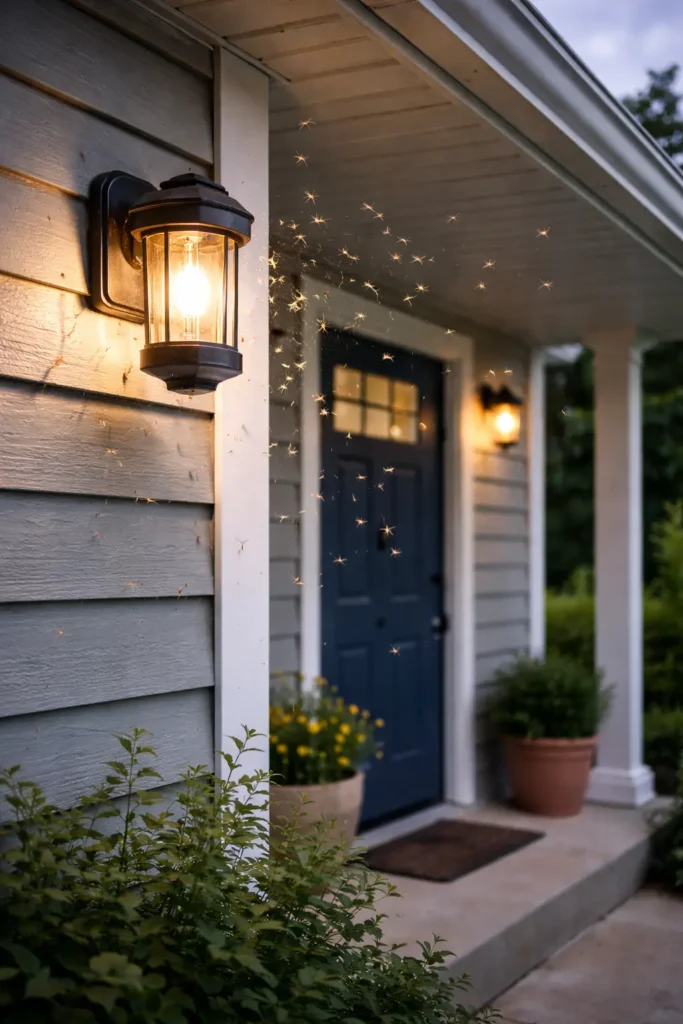
If you’ve noticed buzzing moths, swarms of gnats, spider webs near entryways, or insects gathering around your doors and windows at night, your outdoor lighting might be the hidden cause. Understanding why this happens—and how to fix it—can help you enjoy your outdoor spaces pest-free.


Why Are Pests Attracted to Outdoor Lights?

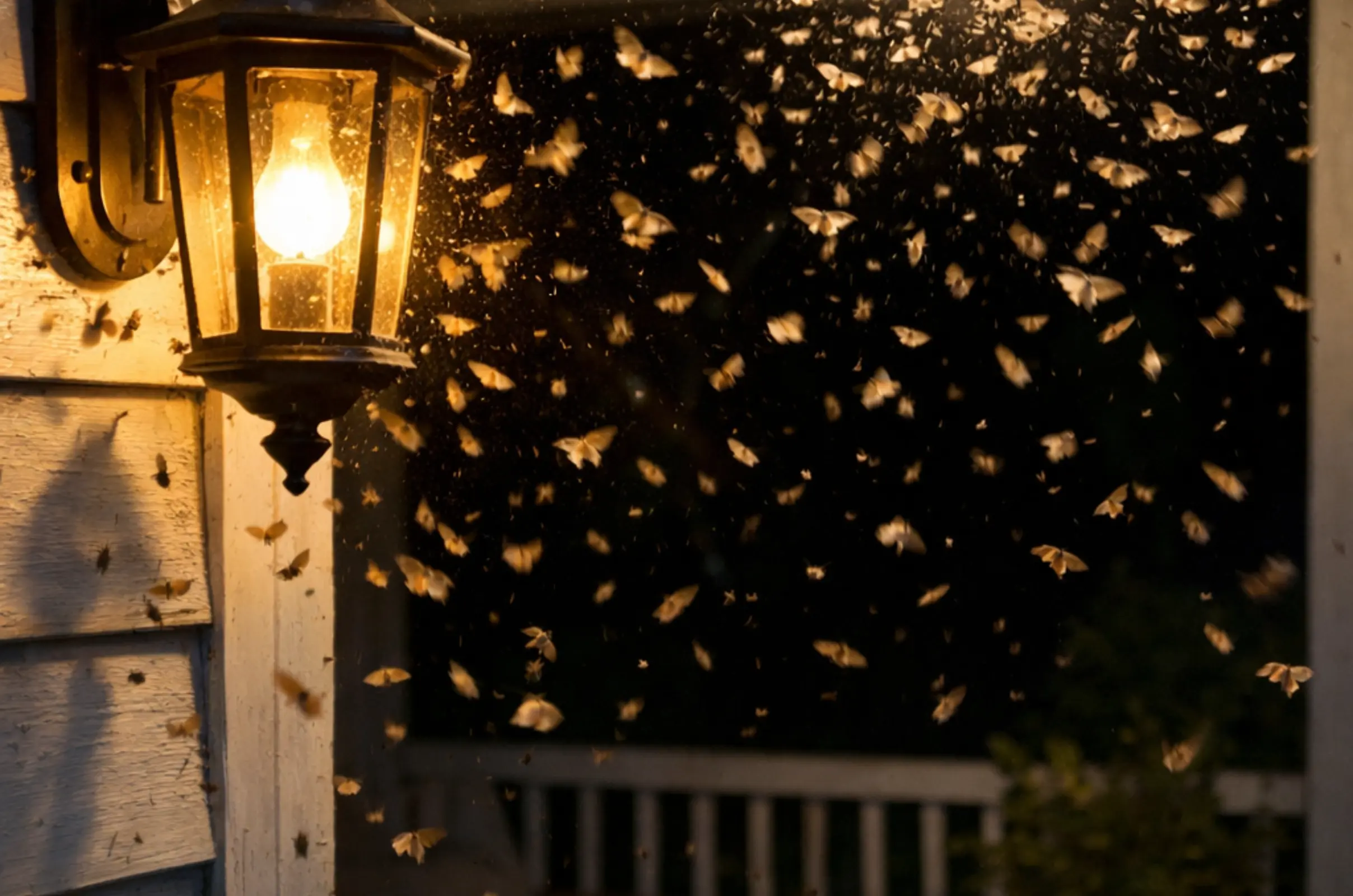
Most flying insects rely on natural light cues, like the moon and stars, to navigate at night. Artificial outdoor lighting disrupts these natural navigation systems, confusing insects and causing them to spiral around light sources. This behavior creates concentrated pockets of insect activity near your home.

Beyond just light, the heat emitted by some bulbs also attracts warmth-seeking pests. Reflective surfaces like glossy paint, windows, or bright exterior finishes amplify this effect by scattering light further, widening the zone where insects detect and are drawn toward your home.

Common pests attracted to outdoor lights include:

  • Moths
  • Gnats and midges
  • Beetles
  • Flying ants
  • Mosquitoes

Once these insects gather, they attract secondary pests such as spiders, wasps, lizards, and even rodents, creating a chain reaction that increases overall pest activity.


How Specific Lighting Choices Influence Pest Attraction

Not all lights are created equal when it comes to pest attraction:

  • Cool white or blue-toned bulbs tend to attract more insects than warm yellow or amber lighting.
  • High-heat bulbs (incandescent or halogen) draw pests seeking warmth.
  • Recessed or soffit lighting traps heat and provides shelter, making these fixtures hotspots for insects. Their placement along rooflines funnels airflow, pushing insects directly into these lit, protected areas.
  • Light colors and home exterior finishes also matter—light-colored, glossy, or reflective surfaces increase light scatter, attracting insects from farther away. Conversely, darker colors absorb heat, attracting warmth-loving pests.
leaving lights on at night causes build up on the exterior of your home

Environmental Factors That Boost Insect Activity

Homes near water sources like lakes, canals, ponds, or wetlands experience significantly higher insect activity. These moisture-rich environments provide ideal breeding grounds for mosquitoes, flies, gnats, and midges. Seasonal hatch cycles can result in massive swarms, especially around outdoor lighting at dusk.

Warm, humid air traps scent molecules, carrying insects directly onto residential properties. Water reflections intensify light’s glow, increasing its attractiveness to pests emerging from nearby breeding sites.


Practical Lighting Solutions to Reduce Pest Problems

Fortunately, you can take several effective steps to minimize insect attraction:

  1. Switch to Warm, Pest-Resistant Bulbs
    Use yellow, amber, or warm-colored LED bulbs that emit wavelengths less attractive to insects. These bulbs also generate less heat.
  2. Install Motion-Activated or Dimmable Lights
    Reduce the time lights are on to limit attraction signals. Motion sensors activate lighting only when needed, and dimmable fixtures lower brightness during low-traffic periods.
  3. Use Downward-Facing or Shielded Fixtures
    Shielded lights direct illumination where you want it—downward and away from open spaces—minimizing glow that attracts insects from a distance.
  4. Reposition Lights Away From Doors and Windows
    Place lighting farther from entry points to keep pests from congregating near your home’s access areas.
  5. Keep Fixtures Clean and Sealed
    Regularly wipe away dust and dead insects, and seal gaps around mounting points to prevent pests from nesting in protected spots.

Complementary Home Maintenance to Control Pests

Lighting adjustments alone aren’t always enough, especially in humid climates like Florida’s. Maintain your property to reduce pest habitats:

  • Eliminate standing water in gutters, flowerpots, buckets, and irrigation systems to stop mosquito breeding.
  • Trim overgrown shrubs and grass to reduce cool, shaded shelter areas for insects.
  • Clean debris and leaf piles where pests hide and reproduce.
  • Repair window screens, door seals, and soffit vents to block pest entry points.

Understanding the Role of Midges and Other Nuisance Pests

Midges, common around water, don’t bite or transmit disease but can form dense swarms that interfere with outdoor enjoyment. Large midge populations attract predators like spiders and lizards, which can lead to secondary pest problems such as webs and droppings near your home.

Early prevention—through lighting choices, maintenance, and pest control—helps minimize these nuisance swarms and their impact.


Why Professional Pest Control Makes a Difference

For persistent or large-scale pest challenges, professional pest management is invaluable.

Our Experts:

  • Identify hidden pest entry points and breeding sites.
  • Develop tailored perimeter treatments that reduce insect populations year-round.
  • Provide seasonal strategies for homes near water or with heavy outdoor lighting.
  • Offer advice on lighting, landscaping, and maintenance to complement treatments.

Combining professional services with homeowner efforts creates a comprehensive defense that keeps your home more comfortable and pest-free.


Final Thoughts: Balancing Outdoor Lighting and Pest Prevention

Outdoor lighting is essential for safety and aesthetics, but it can unintentionally invite pests. By choosing the right bulbs, powering lights strategically, maintaining your property, and partnering with our pest control professionals, you can enjoy well-lit, beautiful outdoor spaces without the swarm of insects and build up.

If pest activity around your home is overwhelming, the team at Infinite Pest Solutions is ready to help. Contact us today for a customized pest control plan designed to protect your home and enhance your outdoor living experience.

Our Southwest, FL Service Locations:

Termites With Wings: What They Mean for Your Home

Key Takeways
  • Termites with wings are considered swarmers
  • If you see wings detached, take immediate action
  • Swarming termites means they are looking to start a new colony
  • Observe the bodies of termite or ant to determine what it is
  • Call Infinite if you see any of this activity – even if you suspect an infestation, you’re better off safe than sorry
  • Winged termites don’t damage the structure, but they are the reason a new colony starts.

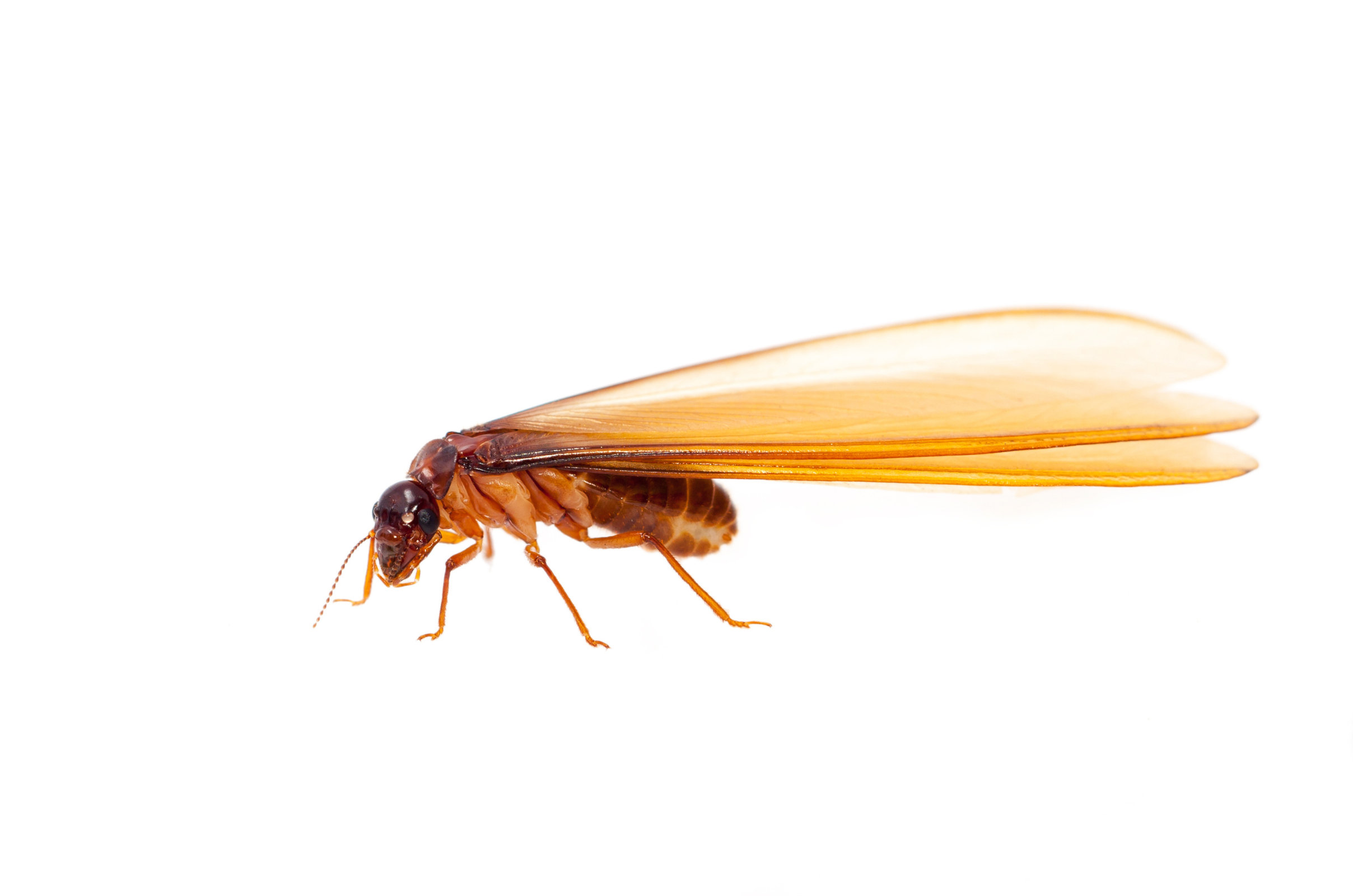
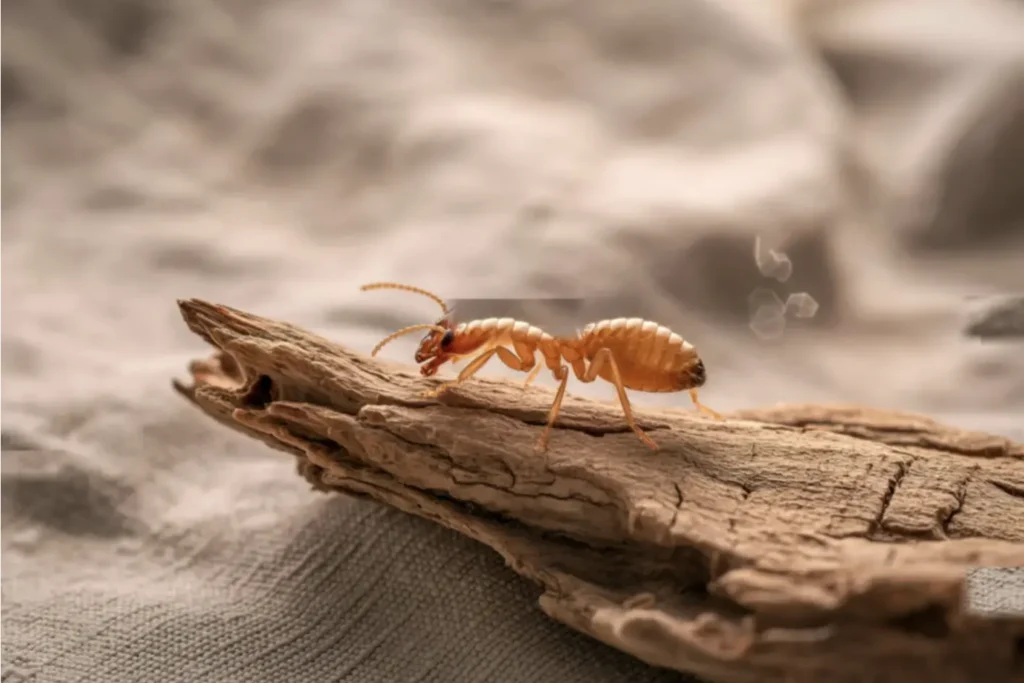
Winged termites are known as swarmers and are a sign of termite looking to start a new colony. If you see wings on the ground, this is an indication that they may have found the perfect location to begin growing the new colony. Understanding what these termites are, why they appear, and what steps to take can help protect your home from serious damage.


What Are Winged Termites?

Winged termites are reproductive members of a termite colony. Their primary purpose is to leave an existing colony, establish a new one, and mate. Once they land, they shed their wings and begin endless work to build the colonies population.

When is Termite Swarming Season in Florida?

In Florida, termite swarming season begins anytime between March, April, and May and will continue through that heavy heated months. You will typically find a decrease in swarming activity around September but they can certainly extend further into the earlier fall months.

Termite Swarmer

Why Are Termites Swarming?

Swarming is a natural part of the termite life cycle. When a colony matures, it releases winged termites to reproduce and expand. While swarming termites themselves do not cause damage, their presence usually means there is a colony close by—either on your property or in a neighboring area.

If you see winged termites indoors, address this issue immediately.

Does a Termite Swarm Mean an Infestation?

Not necessarily. However, it does mean that termites are actively searching the area for a place to land and attempt to start a colony. This does not mean a colony has already been established, but it does indicate that termites are present nearby and showing interest in the area.


How Do You Tell the Difference Between a Termite Swarm and an Ant Swarm?

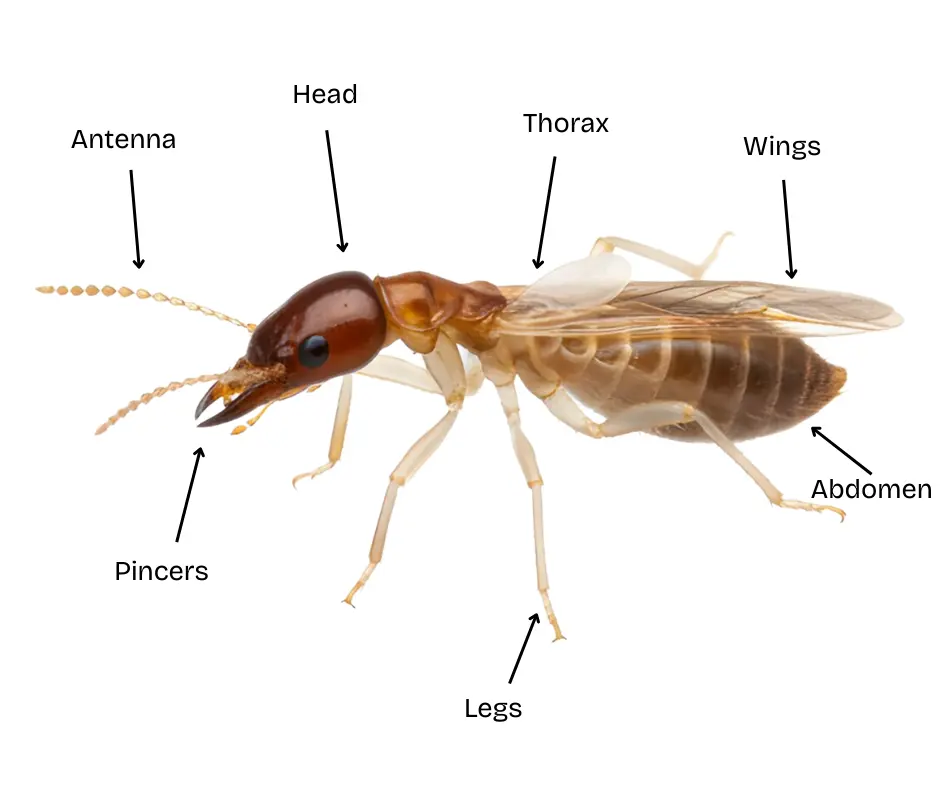
Winged termites are often mistaken for flying ants. Here are a few key differences:

  • Wings: Termites have two pairs of wings that are equal in size, while ants have wings of different lengths.
  • Body shape: Termites have a two part sectioned body, whereas, an ant has a three part sectioned body.
  • Antennae: Termites have straight antennae, while ants have bent or elbowed antennae.

Are Winged Termites Dangerous?

Winged termites themselves do not bite or sting, but they are a serious warning sign. Once they shed their wings and establish a colony, termites can cause extensive structural damage to your home. They will feed on wood and other cellulose-based materials 24/7.


What Should You Do If You See Termites With Wings?

If you notice winged termites or discarded wings around windowsills, doors, or light sources, call us right away. For assistance in proper identification, keep a couple of the wings you find and store in a plastic bag so our technicians can take a close look. Avoid disturbing the insects or using store-bought sprays, as these can scatter the colony and make the problem harder to treat.


Termite Control with Infinite Pest Solutions

At Infinite Pest Solutions, we understand how concerning it can be to see termites with wings in or around your home. Our termite services are designed to identify active colonies, assess the problem, and provide effective treatment options tailored for your home.

Infinite’s approach:

  • Accurate termite identification
  • Thorough inspections of your home and property
  • Targeted treatments to eliminate termite activity
  • Long-term prevention and protection plans
Our Southwest, FL Service Locations:

Can You See Bed Bugs With the Naked Eye?

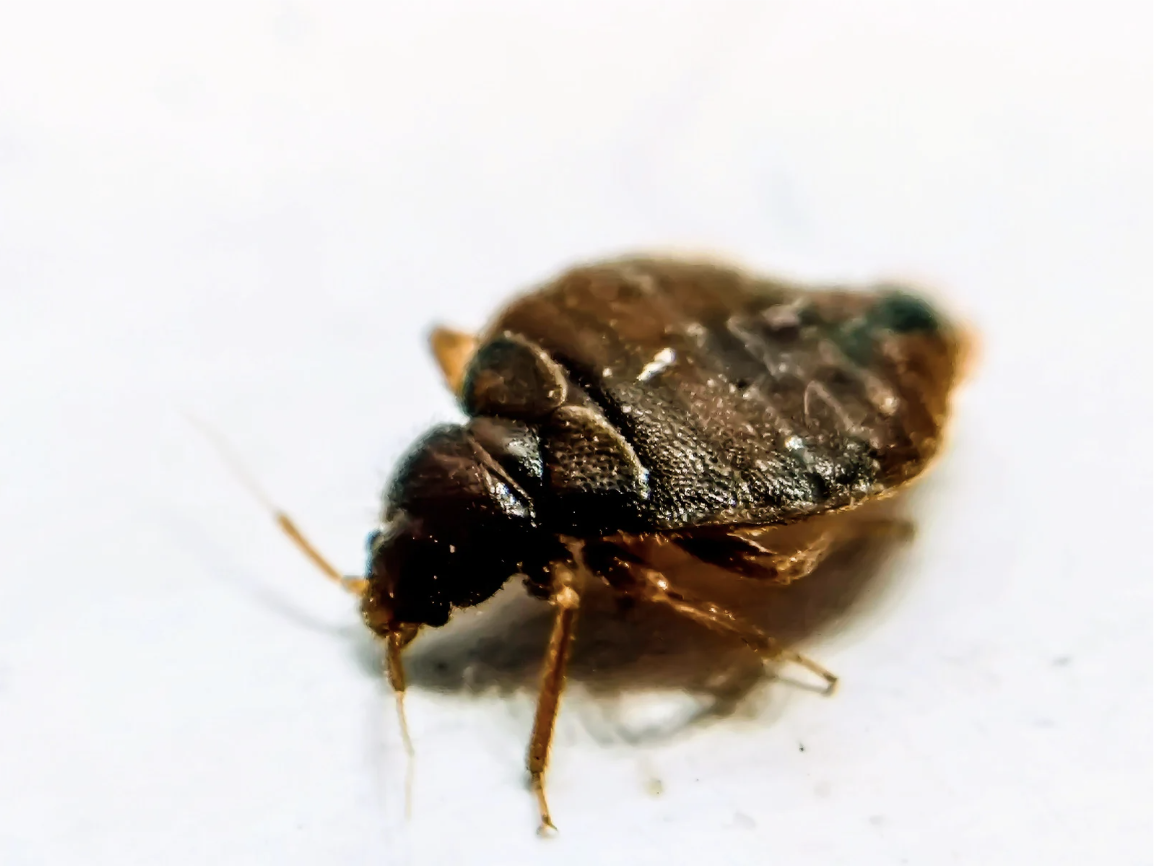
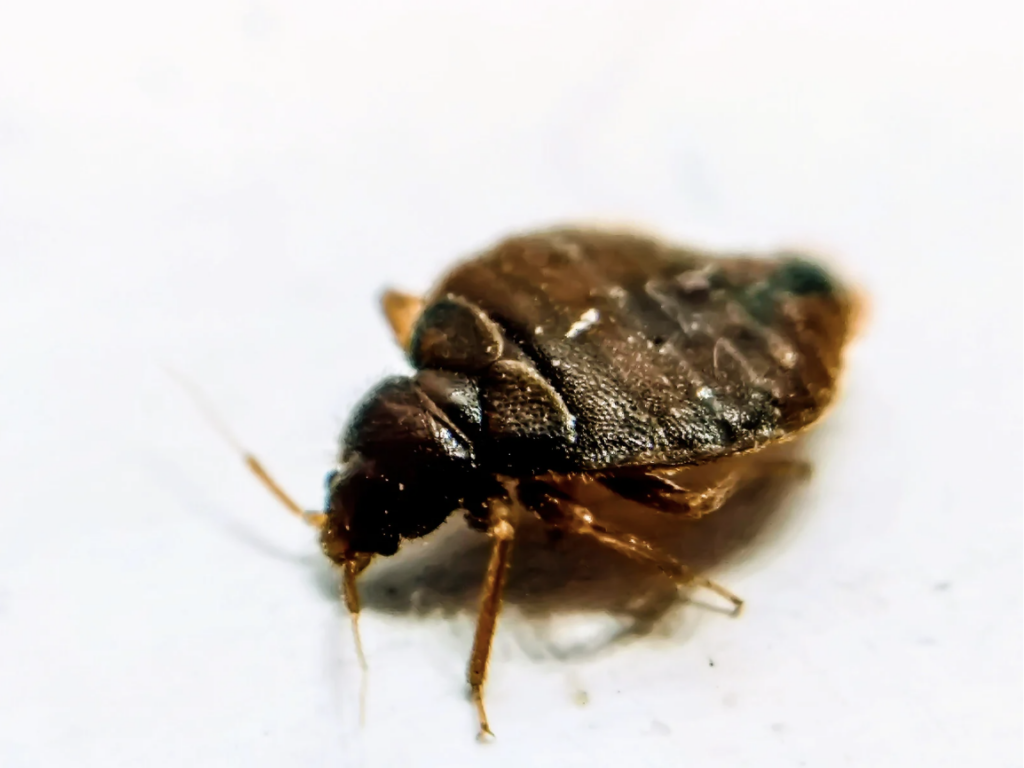
Yes, you can see bed bugs with the naked eye, but that doesn’t always make them easy to detect. One of the first questions people ask when they suspect an issue is whether bed bugs are actually visible—or if they’re too small to notice. Understanding what bed bugs look like and where they hide can help you identify a problem early and take action quickly.


Signs of Bed Bugs Beyond Seeing Them

Many infestations are discovered not by seeing a live bed bug, but by noticing other warning signs.

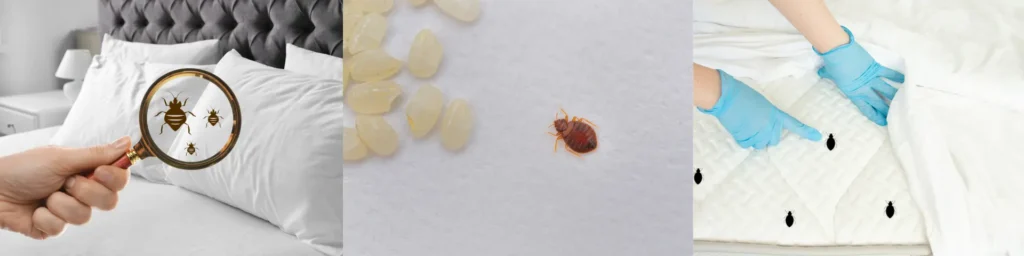
Common indicators include:

  • Small, rust-colored stains on bedding or mattresses
  • Tiny white eggs or shed skins
  • A musty or sweet odor in heavily infested areas
  • Unexplained bites, often in clusters or lines

Why Bed Bugs Are Often Missed?

Despite being visible, bed bugs are frequently overlooked due to their size, hiding behavior, and ability to blend into furniture and bedding. Early infestations may involve only a few bugs, making them especially difficult to spot without experience.

In Florida, frequent travel, hotels, apartments, and shared spaces increase the risk of bed bugs being introduced into homes without immediate detection.

Professional Bed Bug Inspections with Infinite Pest Solutions

We understand how overwhelming bed bug concerns can be. Our professional inspections are designed to identify bed bugs at all life stages, even when they’re difficult to see.

Our bed bug services focus on:

  • Thorough inspections of common hiding areas
  • Accurate identification of bed bug activity
  • Targeted treatment plans designed for effective elimination
  • Clear guidance on preparation and prevention

If you suspect bed bugs or want peace of mind, Infinite Pest Solutions is here to help. Early detection and professional treatment are key to stopping bed bugs before they spread.

Our Southwest, FL Service Locations:

How Much Does Spider Control Cost?

The Most Common Questions Asked About Spider Control


The cost of spider control can vary depending on several factors. Some include the level of spider activity around your home and your tolerance. At Infinite Pest Solutions, pricing is based on the frequency of treatment and the specific conditions of your property.

How Long Does Advanced Spider Service Last?

The longevity of spider control treatments can vary based on environmental conditions, weather, and the level of spider activity. Rain, humidity, and high pest pressure can affect how long treatments remain effective. Ongoing services are best to get rid of spiders for good.


Can I Wash My House After Spider Control?

It is best to wait at least 24 to 48 hours before washing or power washing treated areas after any pest service. This waiting period allows the treatment to properly bond to surfaces and remain effective. In Florida, rainstorms can frequently rinse exterior areas.


What’s The Difference Between Pest Control, Spider Control and Advanced Spider Service? 

Advanced Spider Service is our specialty service that sets us apart from others. We treat the lanai top to bottom. This targets spiders, webs, egg sacs, and common hiding spots in the screened in area. We guarantee spider free by the third visit for a reason!

Pest control also helps with spiders for the inside and outside perimeter of your home. However this general service does not include entire lanai treatments.

Does Spider Control Affect The Pool at All? 

No, treatments do not affect pools when applied properly by our licensed professionals. It is key for us to avoid direct application to pool water. Always allow treatments to dry as directed and normal pool use can continue without disruption.

Can I Use The Pool Afterwards?

Absolutely. You can use the pool after spider control treatment. We target areas around the home and ensure we do not place any product directly into pool water. Once the treated surfaces have fully dried, which typically takes 30-60 minutes, normal use of your pool and surrounding areas can resume.

Is Spider Control Safe If I Have Kids and Pets?

Yes, all of our spider control is safe for homes with children and pets. Safety is our top priority. Children and pets can safely return to treated areas once surfaces have fully dried. We always provide clear instructions and answer any questions to ensure your home remains both pet and kid-friendly.

A Cleaner, More Comfortable Home

Spider control isn’t just about removing spiders, it’s about maintaining a home that feels clean, comfortable, and protected. In Florida’s pest infested climate, proactive spider control can make a noticeable difference in reducing eggs and webs, limiting insect activity, and keeping spiders from settling in and around your home.

Our Southwest, FL Service Locations:

 What Is Spider Control?

Spider control is a professional pest management service designed to reduce and prevent spider activity in and around your home. In Florida, spiders thrive year-round due to the warm climate, humidity, and abundance of insects they feed on. While most spiders are not aggressive, their presence can still be unsettling, especially when webs start appearing in corners, entryways, lanais, ceilings, and outdoor living areas.

Our spider control options vary depending on your tolerance. Do you hate the spiders in the pool cage? Are you sick of wiping down webs every other day on the lanai? Our Advanced Spider Service is for you! Want to keep the spiders out of the home and out of the doorways/soffits around the home? Our General Pest Control is just what you need!


Do I Really Need Spider Control?

Many homeowners wonder if spider control is truly necessary. While a single spider may not be cause for concern or heavy web buildup – recurring spider activity can indicate a larger issue in warm, humid environments where pests are active year-round such as Florida.

You may benefit from spider control if:

  • You regularly see spiders indoors or around entry points
  • Webs reappear shortly after being removed
  • Spiders are common around doors, windows, soffits, or outdoor seating areas
  • You are dealing with venomous spiders such as brown or black widows
  • You want added peace of mind for children, pets, or guests

Because spiders feed on other insects, their presence often signals underlying pest activity. Spider control helps break this cycle by addressing both spiders and their food sources.


Is Spider Control Safe for Pets?

Yes. As standard precaution, pets should be kept away from treated areas until products have fully dried.


Conclusion

Our Advanced Spider Control Services are designed specifically for Florida homes. We focus on more than just spraying – we target spider harborage areas, remove webs and egg sacs, and apply long-lasting treatments that keep you spider free.

Our Southwest, FL Service Locations: