
Termites With Wings: What They Mean for Your Home

Key Takeways
  • Termites with wings are considered swarmers
  • If you see wings detached, take immediate action
  • Swarming termites means they are looking to start a new colony
  • Observe the bodies of termite or ant to determine what it is
  • Call Infinite if you see any of this activity – even if you suspect an infestation, you’re better off safe than sorry
  • Winged termites don’t damage the structure, but they are the reason a new colony starts.

Winged termites are known as swarmers and are a sign of termite looking to start a new colony. If you see wings on the ground, this is an indication that they may have found the perfect location to begin growing the new colony. Understanding what these termites are, why they appear, and what steps to take can help protect your home from serious damage.


What Are Winged Termites?

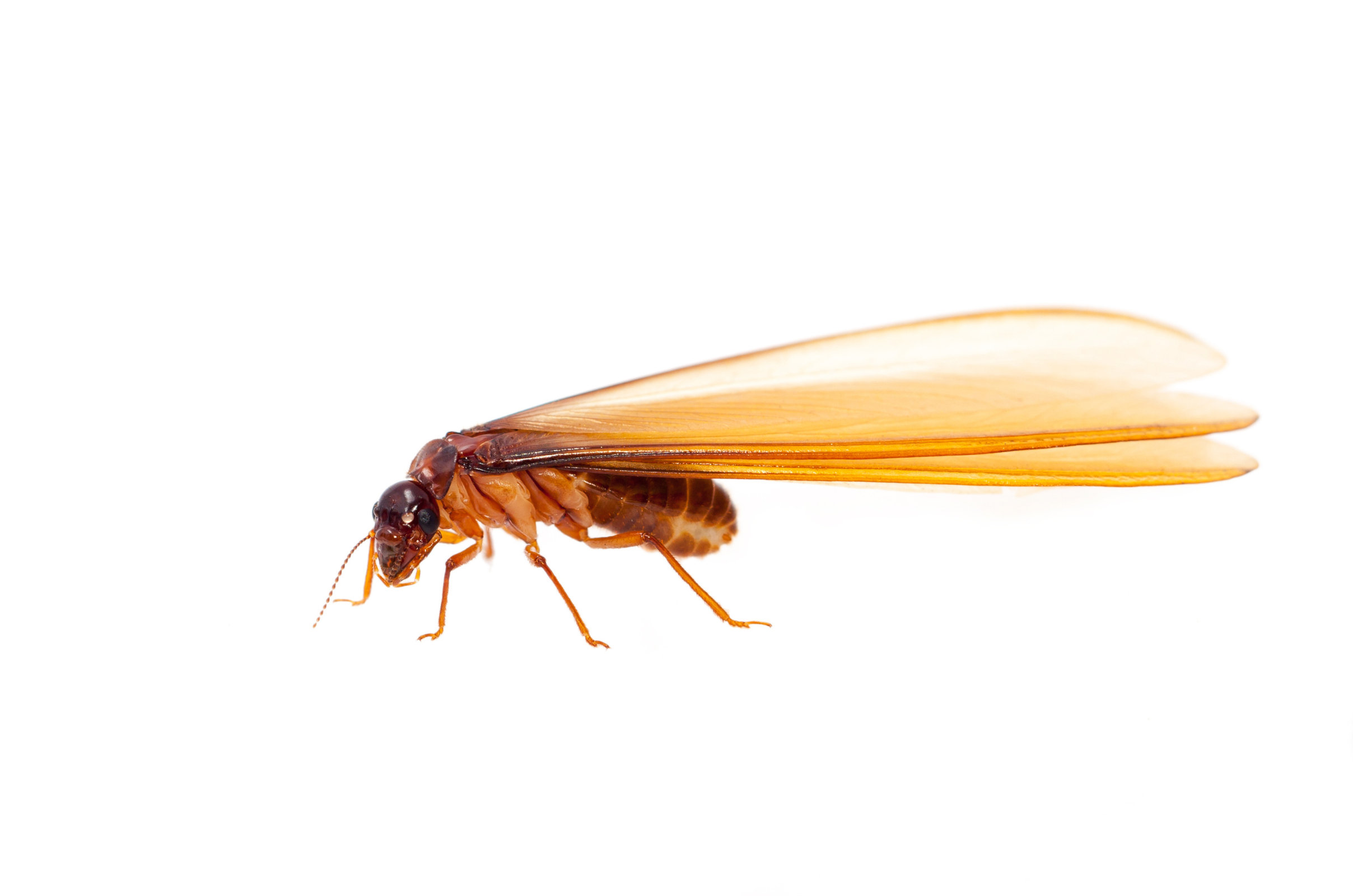
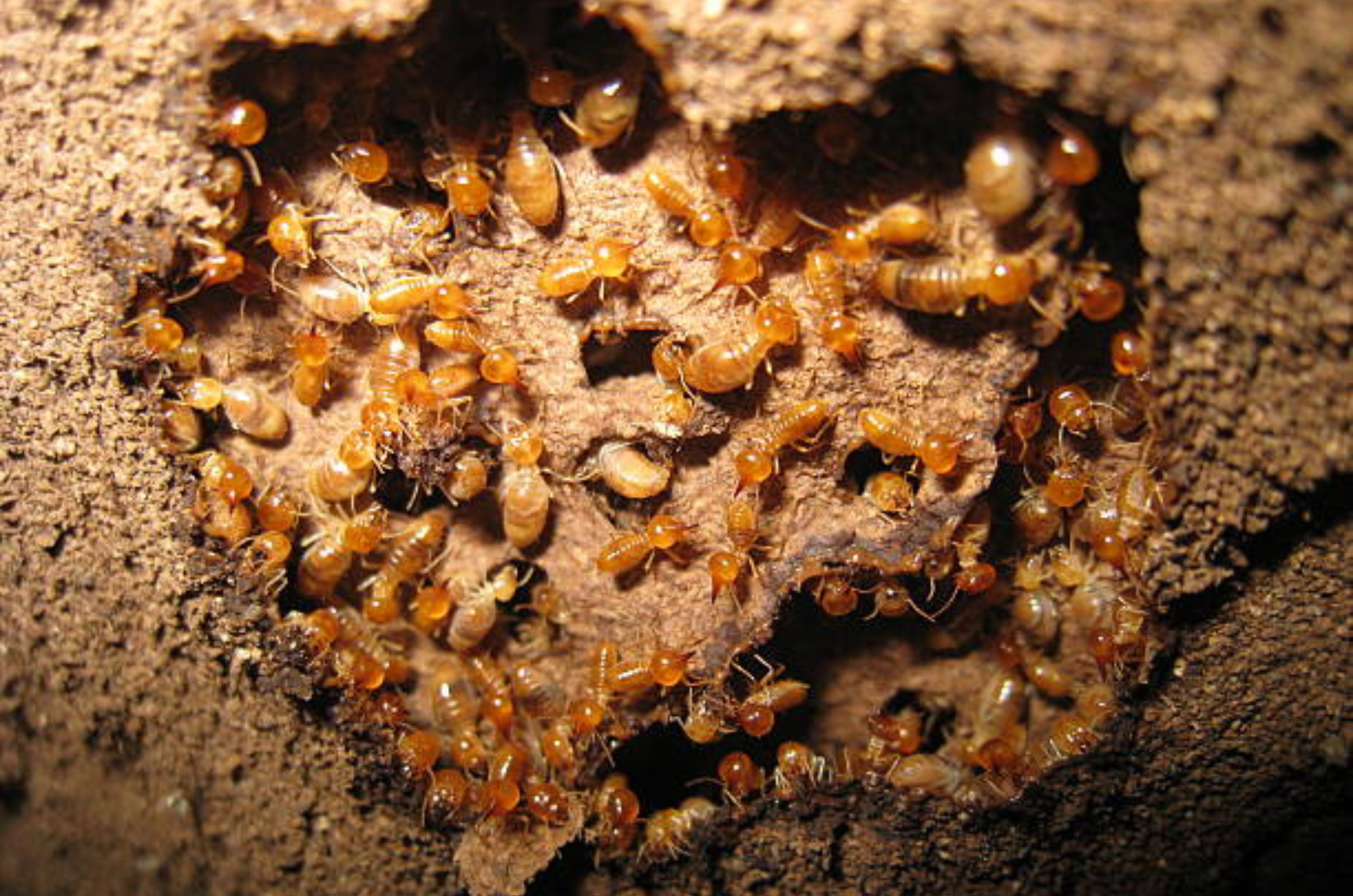
Winged termites are reproductive members of a termite colony. Their primary purpose is to leave an existing colony, establish a new one, and mate. Once they land, they shed their wings and begin endless work to build the colonies population.

When is Termite Swarming Season in Florida?

In Florida, termite swarming season begins anytime between March, April, and May and will continue through that heavy heated months. You will typically find a decrease in swarming activity around September but they can certainly extend further into the earlier fall months.

Termite Swarmer

Why Are Termites Swarming?

Swarming is a natural part of the termite life cycle. When a colony matures, it releases winged termites to reproduce and expand. While swarming termites themselves do not cause damage, their presence usually means there is a colony close by—either on your property or in a neighboring area.

If you see winged termites indoors, address this issue immediately.

Does a Termite Swarm Mean an Infestation?

Not necessarily. However, it does mean that termites are actively searching the area for a place to land and attempt to start a colony. This does not mean a colony has already been established, but it does indicate that termites are present nearby and showing interest in the area.


How Do You Tell the Difference Between a Termite Swarm and an Ant Swarm?

Winged termites are often mistaken for flying ants. Here are a few key differences:

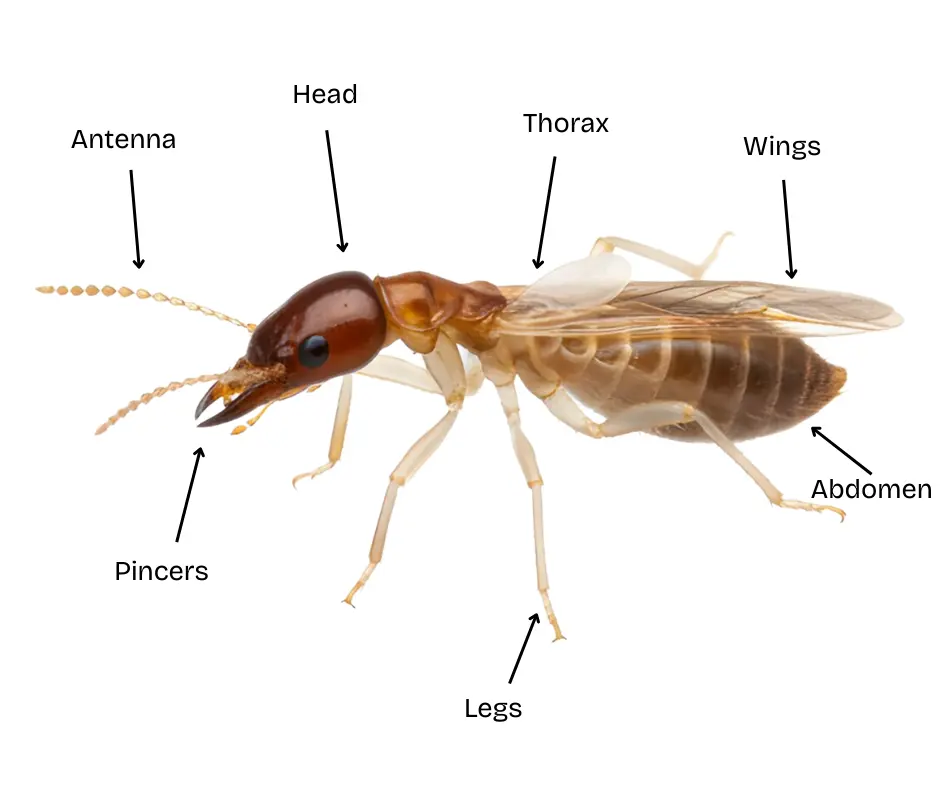
  • Wings: Termites have two pairs of wings that are equal in size, while ants have wings of different lengths.
  • Body shape: Termites have a two part sectioned body, whereas, an ant has a three part sectioned body.
  • Antennae: Termites have straight antennae, while ants have bent or elbowed antennae.

Are Winged Termites Dangerous?

Winged termites themselves do not bite or sting, but they are a serious warning sign. Once they shed their wings and establish a colony, termites can cause extensive structural damage to your home. They will feed on wood and other cellulose-based materials 24/7.


What Should You Do If You See Termites With Wings?

If you notice winged termites or discarded wings around windowsills, doors, or light sources, call us right away. For assistance in proper identification, keep a couple of the wings you find and store in a plastic bag so our technicians can take a close look. Avoid disturbing the insects or using store-bought sprays, as these can scatter the colony and make the problem harder to treat.


Termite Control with Infinite Pest Solutions

At Infinite Pest Solutions, we understand how concerning it can be to see termites with wings in or around your home. Our termite services are designed to identify active colonies, assess the problem, and provide effective treatment options tailored for your home.

Infinite’s approach:

  • Accurate termite identification
  • Thorough inspections of your home and property
  • Targeted treatments to eliminate termite activity
  • Long-term prevention and protection plans
Our Southwest, FL Service Locations:

What Do Termite Droppings Look Like?

Knowing what termite droppings look like—and which type of termite they belong to—can help you catch an infestation early and avoid serious structural damage. Let’s break it down by species:

Drywood Termite Droppings (Frass)

Drywood termite droppings are the most distinct and easiest to identify.

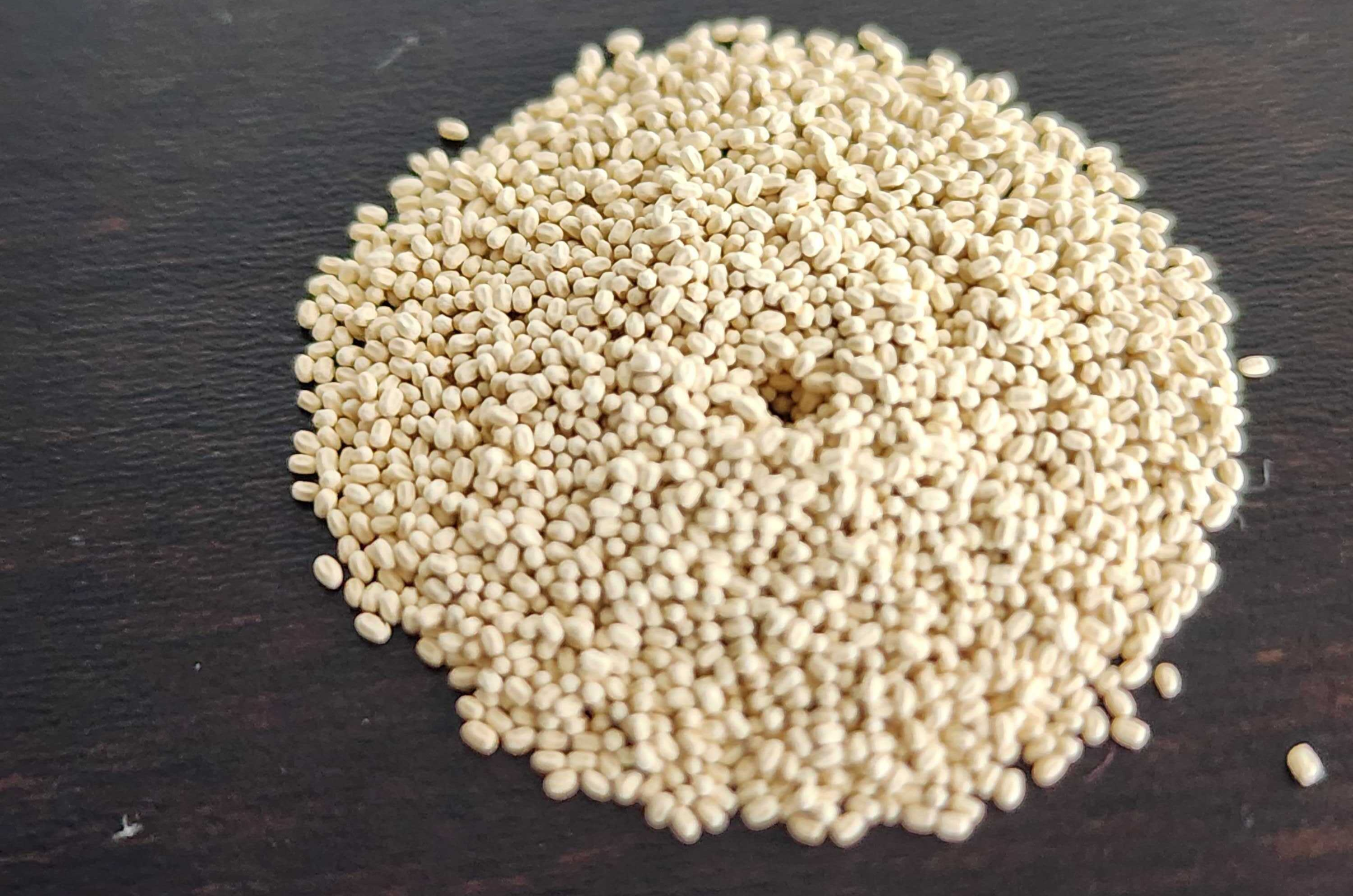
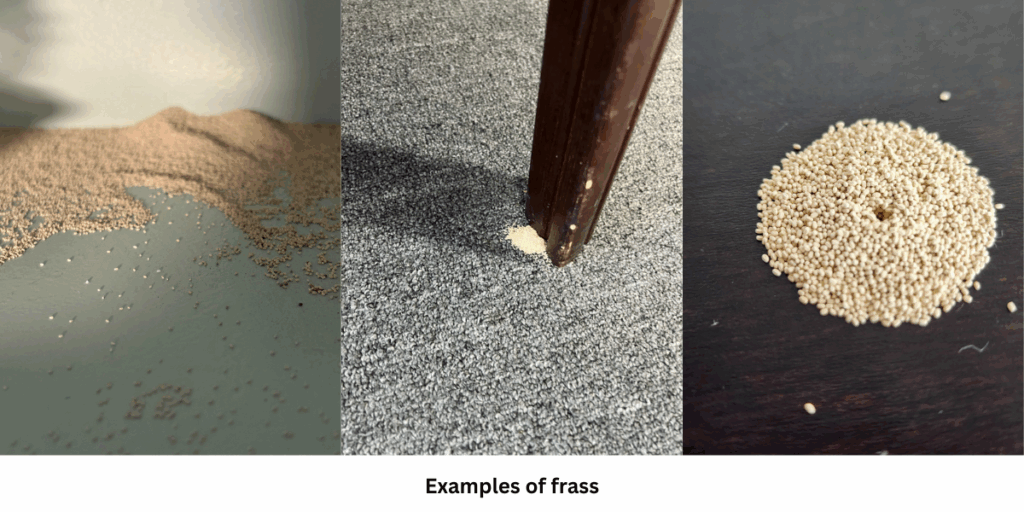
  • What They Look Like: Small, hard pellets shaped like grains of rice or tiny capsules. Typically uniform in shape.
  • Color: Varies depending on the type of wood being consumed—usually tan, brown, or black.
  • Where You’ll Find Them: Piles can be found near windowsills, door frames, attic beams, or furniture— often mistaken for sawdust or coffee grounds.

These termites live entirely within the wood they eat, and they push their droppings out through small holes, creating neat little piles. Finding frass is a strong indicator of drywood termites.

Eastern Subterranean Termite Droppings

Eastern subterranean termites live underground and don’t leave behind dry pellet-style droppings.

  • What They Look Like: Instead of pellets, they leave behind a muddy or gritty substance—often within their tunnels or mud tubes.
  • Color: Light brown to dark brown; blends with soil.
  • Where You’ll Find Them: Along foundation walls, inside baseboards, or where wood meets soil.

These termites mix their feces with saliva and soil to build mud tubes used for travel and moisture regulation. You won’t see piles of droppings, but these muddy signs are just as serious.

Formosan Subterranean Termite Droppings

Formosan termites are a more aggressive cousin of the eastern subterranean termite.

  • What They Look Like: Like eastern subterranean termites, Formosan droppings are not dry pellets—they’re part of the mud-like material used to form carton nests.
  • Color: Tan to brown and similar to wet cardboard.
  • Where You’ll Find Them: Inside walls, ceilings, or hidden areas where they build their massive nests.

If you spot unusual stains, soft spots in walls, or suspect hidden moisture issues, Formosan termites might be the culprit—even if you don’t see obvious droppings.

Why It’s Important to Act Fast

Termite droppings are often the first visible sign of a hidden infestation. Ignoring them can lead to:

  • Structural wood damage
  • Costly repairs not covered by insurance
  • Spread of the infestation to other areas of the home

Whether it’s frass from drywood termites or mud tubes from subterranean species, these signs should never be brushed off.

See Droppings?

If you suspect termites based on droppings or other signs, our team can identify the termite species and create a customized plan to protect your home.

📲 Text us directly from our website – Just look for the chat bubble in the bottom right corner of your screen. It’s fast, easy, and connects you to a live team member.

Don’t wait for more damage to appear—early detection is key when it comes to termites.

Our Southwest, FL Service Locations:

What Do Termites Look Like?

Termites: A Guide to Identifying These Hidden Pests

Termites are famously known as the “silent destroyers” as they can quietly damage your home before you even realize they’re there. Knowing what termites look like can help you spot an infestation early and take action before serious damage occurs. In this guide, we’ll break down what termites look like at different stages of their lifecycle and how to distinguish them from other insects.

Termite Appearance: What to Look For

Size & Shape

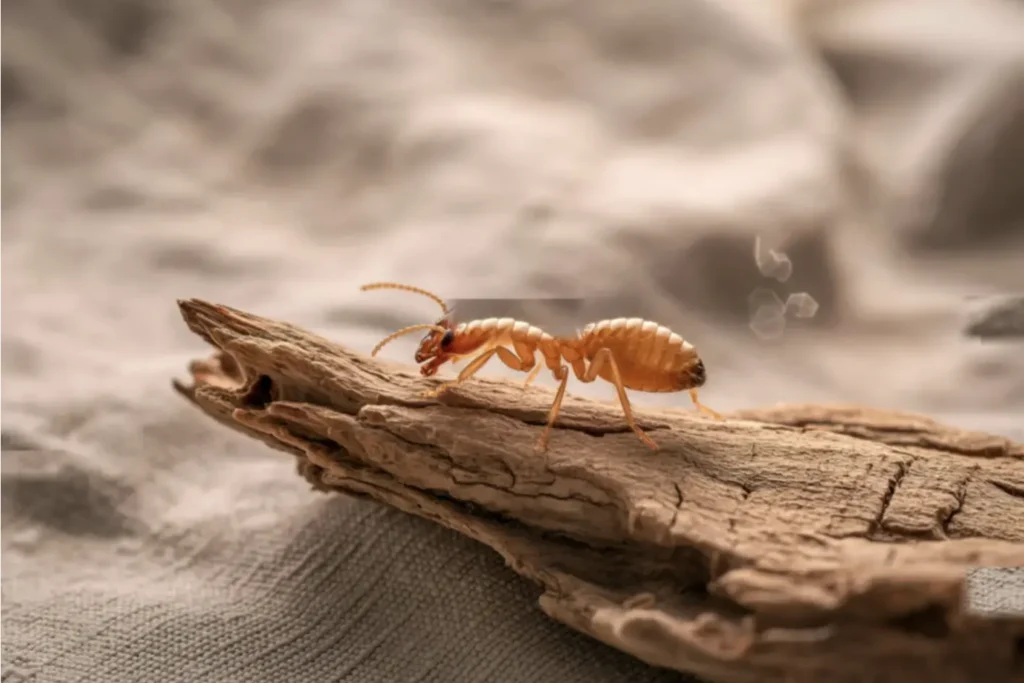
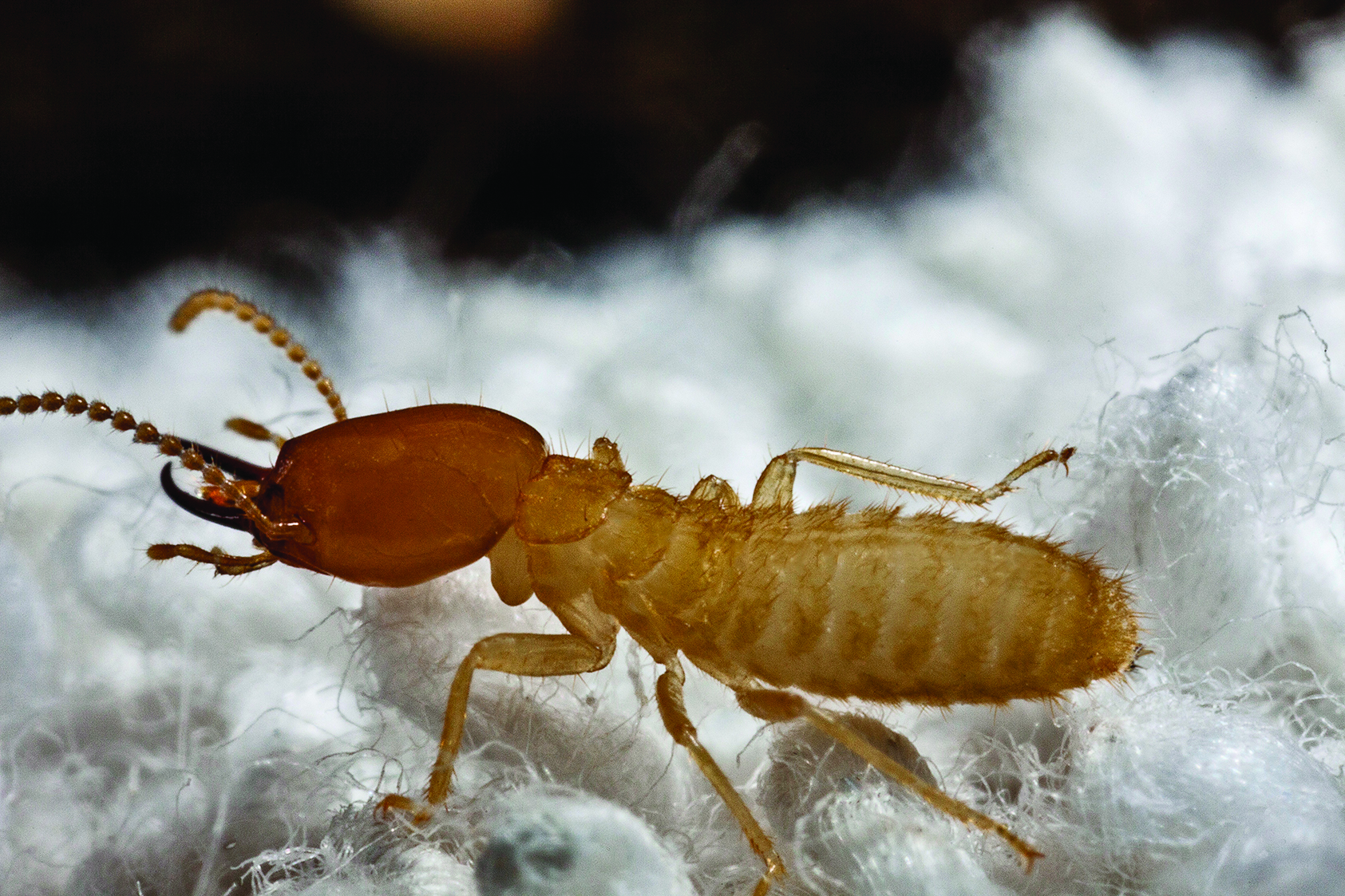
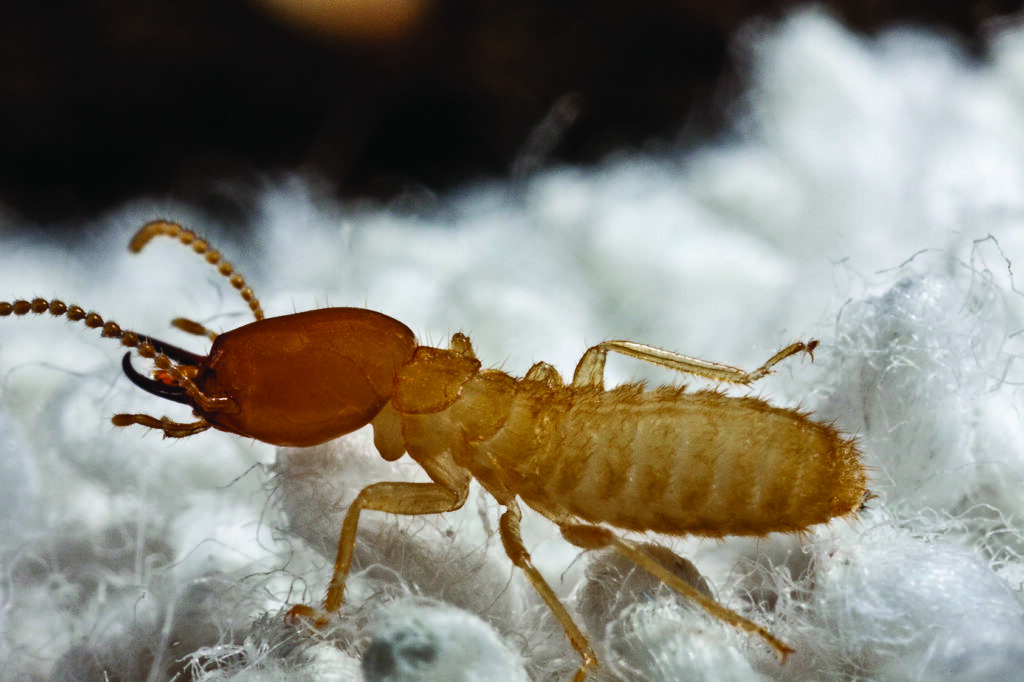
Termites are small, usually ranging from ⅛ to ½ an inch long. They have soft bodies, straight antennae, and a segmented shape. Unlike ants, their waist is not pinched, giving them a more uniform body shape.

Color Variations

Termite color depends on their species and role in the colony:

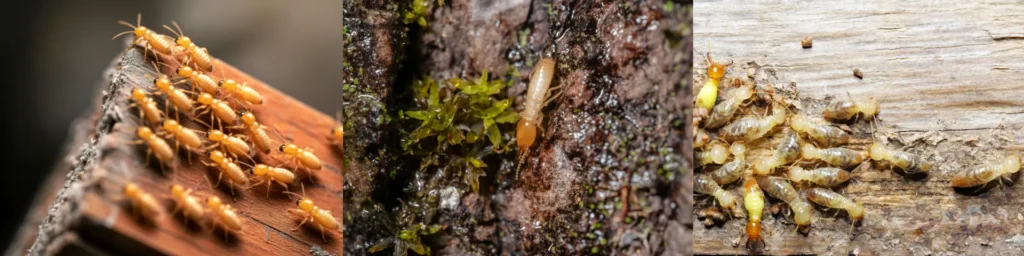
  • Worker Termites – Creamy white or pale in color, these termites are the most common and are responsible for eating wood.
  • Soldier Termites – Similar in color to workers but with larger heads and powerful mandibles (jaws) for defense.
  • Reproductive Termites (Alates) – Often brown or black, these winged termites are responsible for starting new colonies.

Winged Termites vs. Flying Ants: How to Tell the Difference

When termites swarm, many homeowners mistake them for flying ants. Here’s how to tell them apart:

FeatureTermitesFlying Ants
WaistThick and straightNarrow and pinched
AntennaeStraightBent or elbowed
WingsEqual sizeUnequal size (front wings longer than back wings)
ColorPale, brown, or blackDark brown or reddish

* If you see winged termites near your home, it’s a warning sign of an active infestation nearby! *

Where to Spot Termites

Termites often go unnoticed because they live inside wood, soil, or walls. Look for them:

✅ Near wooden structures (decks, fences, crawl spaces)

✅ Around mud tubes along foundations

✅ In damp, dark areas like basements

✅ Inside hollow-sounding or damaged wood

Think You’ve Seen Termites? Take Action Now!

Termites are NOT a DIY pest—they can cause thousands of dollars in damage before you even see them. Contact us now for an inspection!

How Do You Get Rid of Termites?

In Florida, termite season is approaching quickly which proposes the question “How do you get rid of termites?” An even more common question is “Do I need termite control?” Luckily we have answers and preventative measures for you to take to avoid a termite infestation.


Why You Should Have Termite Control

Prevention is key to protecting your home from termites. Termites are wood destroying organisms that will wreak havoc on your home without notice. When it comes to these wood eaters, especially subterranean termites, they can cause more damages than most can afford to fix. The even scarier part is it is likely your homeowners insurance will not help with the costs of damage, leaving you to either cover the cost out of pocket or call it quits. That is why we always recommend the most effective Termite Control, Sentricon. This cutting edge technology not only provides your home the protection it needs as soon as it’s installed, but gives the warranty you will want for complete peace of mind from subterranean termites.


How To Get Rid of Termites

If you suspect termites in your home, acting quickly is essential. The first step is to schedule an inspection with one of our licensed pest control professionals. A thorough inspection will help determine the type of termites present and the extent of the infestation. Once confirmed, our experts will provide the best next steps for you and your home to stay protected.


Do I Need Termite Control

If you own a home in Florida, the best answer is always yes. Why? Well, there a few key points that factor into this:

  1. Florida’s Climate – Termites thrive in warm, humid environments which makes Florida the best place for them year round. Subterranean, Drywood, and Formosan termites are all prevalent in the state, making termite infestations a common concern.
  2. Termites Are Silent Destroyers – Termites often go unnoticed until significant damage has occurred. They chew through wood and structural components from the inside out, leaving your home vulnerable. Even if you don’t currently see signs of termites, they could already be present or may invade in the future.
  3. Cost of Repairs – As stated earlier, the damage caused by termites can be catastrophic and expensive to repair. Most homeowners’ insurance policies do not cover termite damage, leaving you financially responsible for costly repairs. Investing in termite control is far less expensive than repairing structural damage to your home.
  4. Preventative Protection Saves Money and Stress – Investing in termite control is far less expensive than repairing structural damage to your home.

Termites in Florida

Florida’s warm, humid climate makes it a hotspot for termite activity. Subterranean termites, in particular, thrive in Florida’s environment and are the most destructive species in the state. Drywood termites and Formosan termites are also common, each with their own behaviors and risks.

Subterranean termites build underground colonies and can invade your home through cracks in the foundation. Drywood termites, on the other hand, live and feed entirely within wood, requiring no soil contact. Both types can cause extensive damage if left unchecked, with repairs potentially costing thousands of dollars.


In short, Termite Control isn’t just about eliminating termites—it’s about protecting your home, saving money, and avoiding the stress of dealing with an infestation. Even if you don’t see termites now, having preventative measures in place ensures they never become a problem in the future.

Need expert advice? That is why we are here for you! We offer termite control options, including the trusted Sentricon System, to keep your home safe year-round. What bugs you, bugs us!

Our Southwest, FL Service Locations:

Types of Pests Found in Homes

If you live in Florida, you are well aware of the year round pests that can make our outdoor living space feel like a war zone against bugs. But the last place you want to find a bug is inside your home. There are many different types of pests that can be found in a home, but are you able to identify them? The importance of identifying what type of pest could be in your home can help you eliminate the possibility of there being a larger issue at hand, an infestation. That is why we are here to help give you a quick guide to the unwanted guests you should have concerns about being in your home versus bugs that may have come inside by mistake.

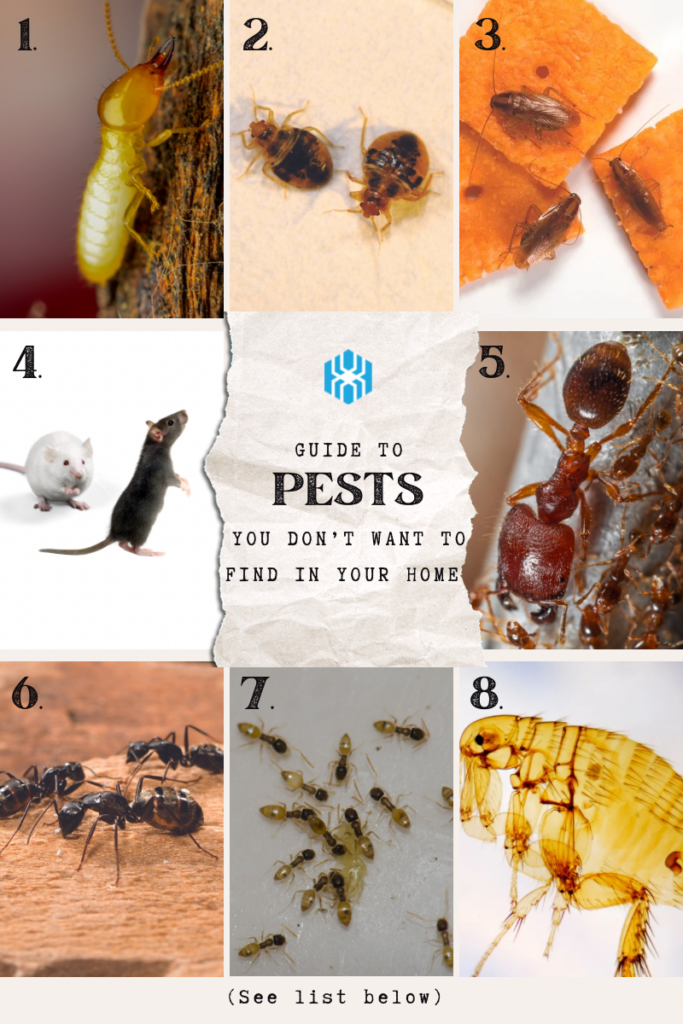
The most important type of pests to know are the kinds that wreak havoc in or on your interior living space – from eating away at the structure to an uninvited move-in. Here we will identify pests that you won’t want to find in your home, but if you do, you will want to take further action with Infinite Pest Solutions.

  1. Termites
  2. Bed Bugs
  3. German Roaches
  4. RodentsMice and Rats
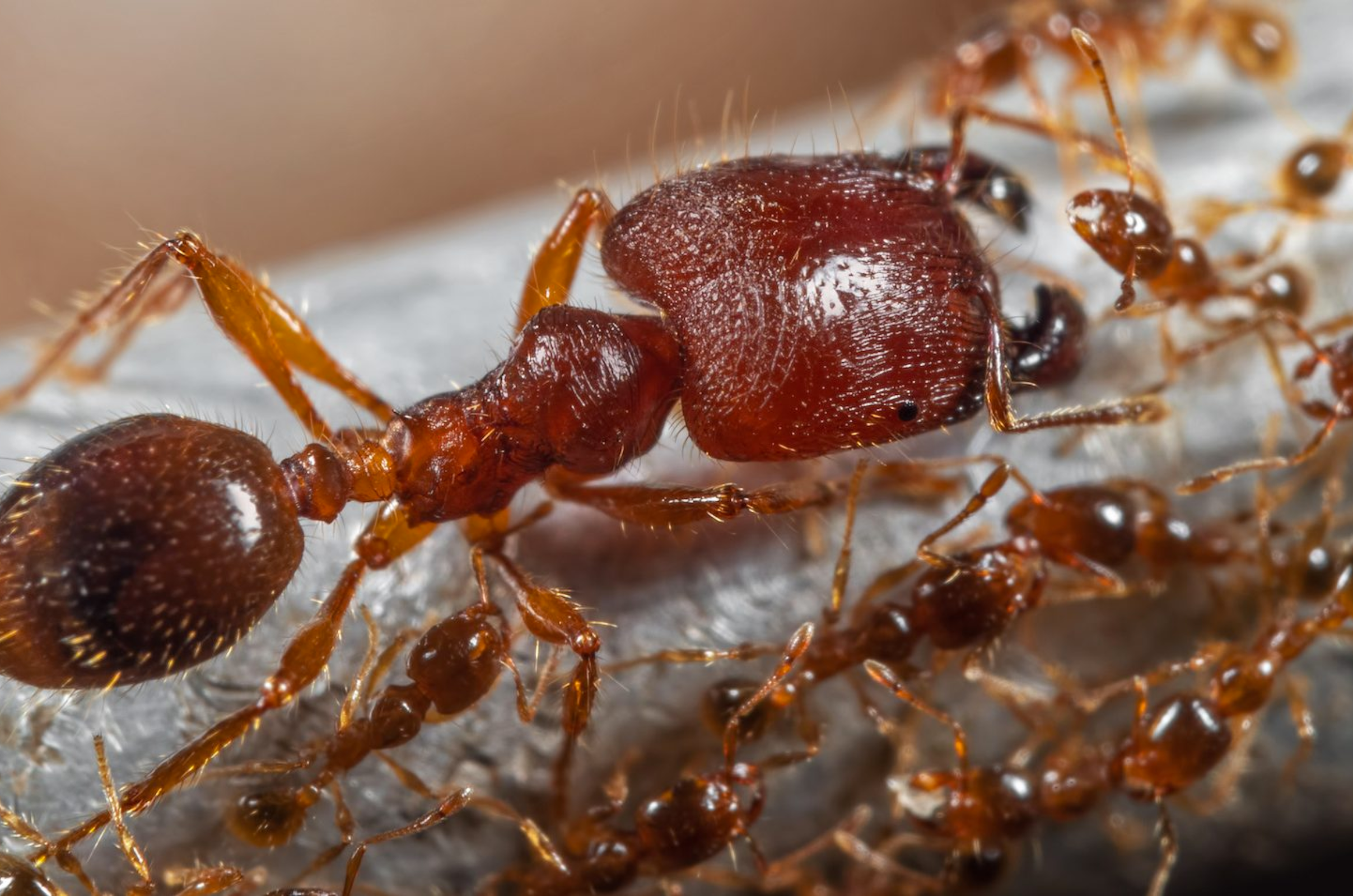
  5. Big Headed Ants
  6. Carpenter Ants
  7. Ghost Ants
  8. Fleas

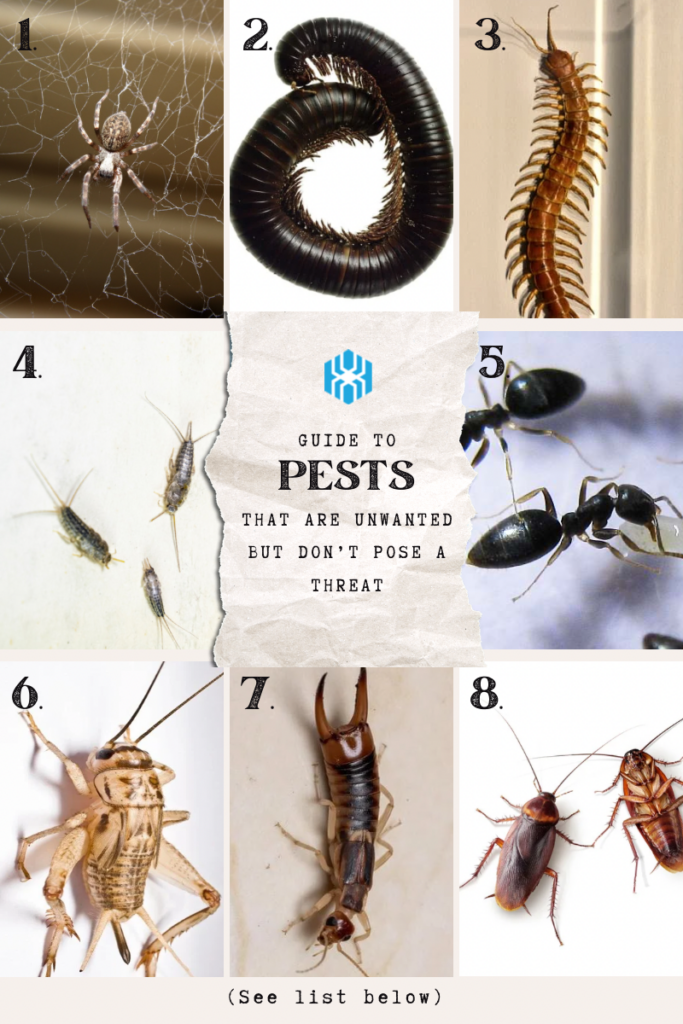
On the other hand, there are a number of common household pests in Florida that do not pose such a threat on your living space. Although these pests do not cause a threat to your environment, they can still be a nuisance and are typically unwanted. There can be a number of reasons why these critters have made their way into your Florida home – from a door or window being left open one second too long to cracks and crevices that have gone unnoticed.

  1. House Spiders
  2. Millipedes
  3. Centipedes
  4. Silverfish
  5. White footed ants
  6. House crickets
  7. Earwigs
  8. Palmetto Roach

With these guides, you can determine if you’re in need of immediate solutions or can rest easy knowing a critter entered by mistake. If you still find yourself unsure, that is why we are here for you! An Infinite expert can be at your door within the same day or next for a thorough inspection and a customized pest control plan to get rid of the pests. What bugs you, bugs us!

Our Southwest, FL Service Locations:

The Best Termite Control for You

Termites are silent invaders that can cause significant damage to your home before you even realize they’re there. Protecting your home from termites involves being vigilant about the signs of their presence and taking proactive preventative measures. The best way to ensure your home stays termite-free is by using Sentricon.

What is Sentricon and Why Should I Choose It?

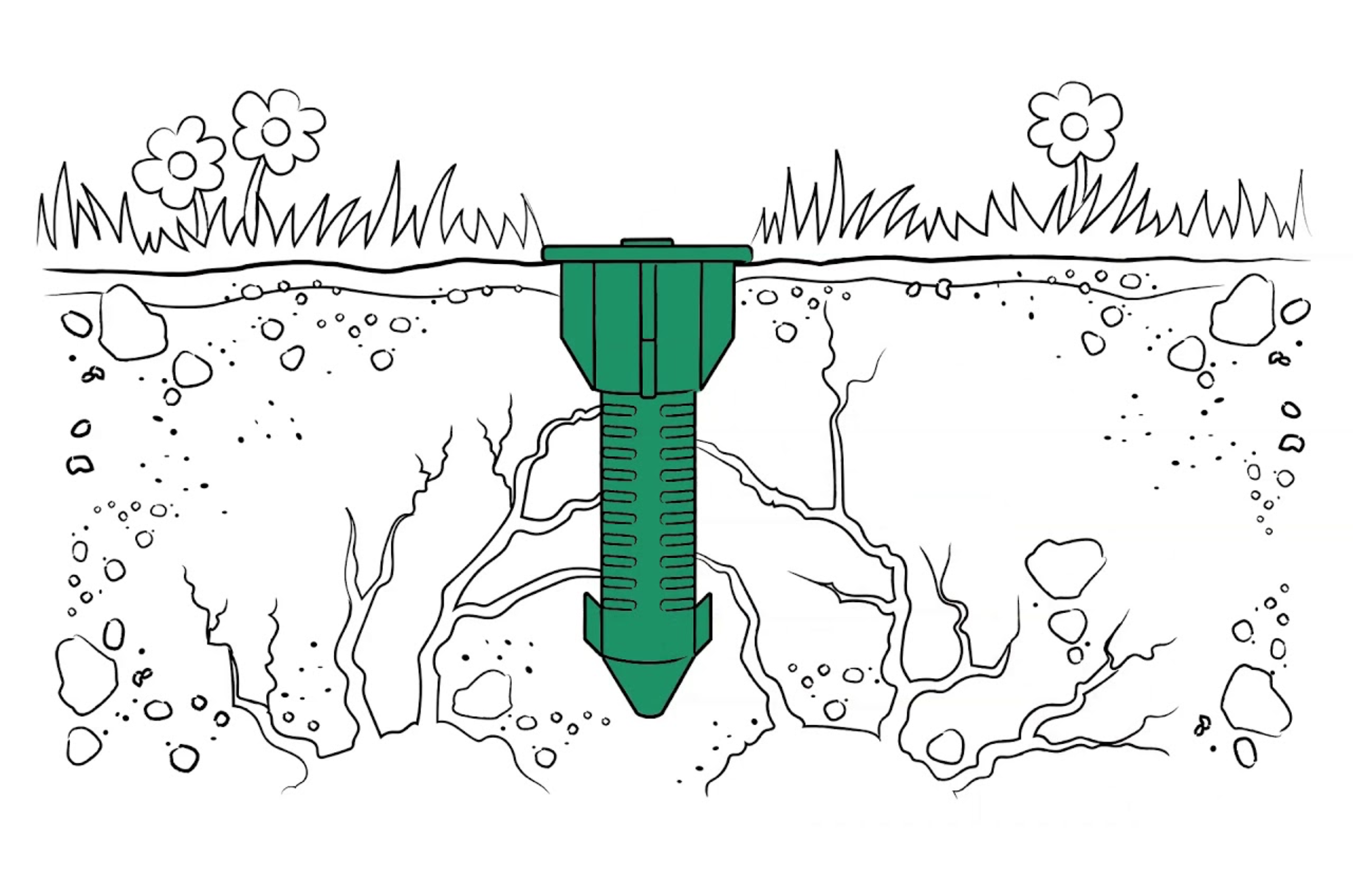
How Sentricon works

Sentricon is a revolutionary termite baiting system that provides comprehensive protection for your home. Unlike traditional liquid treatments, Sentricon is environmentally friendly and targets the termite colony directly. Here’s why we are confident Sentricon is for you:

  • Effective Colony Elimination: Sentricon uses scientifically proven bait that termites find irresistible. Once they consume the bait, they share it with the rest of the colony, leading to its complete elimination.
  • Non-Invasive Installation: The system involves placing discreet bait stations around your home. This means no drilling or extensive disruption to your property.
  • Continuous Protection: Have peace of mind with ongoing monitoring and protection. The effectiveness does not degrade over time.
  • Environmentally Responsible: Sentricon uses only a small amount of active ingredient, making it safe for the environment, your family, and pets.

Signs of Termite Infestation

  1. Mud Tubes: Termites create pencil-sized mud tubes as they travel between their colony and food sources. These tubes are often found on exterior walls, foundations, and crawl spaces.
  2. Discarded Wings: Swarmers, or reproductive termites, shed their wings after finding a new place to start a colony. Piles of these wings near windowsills or doorways are a red flag.
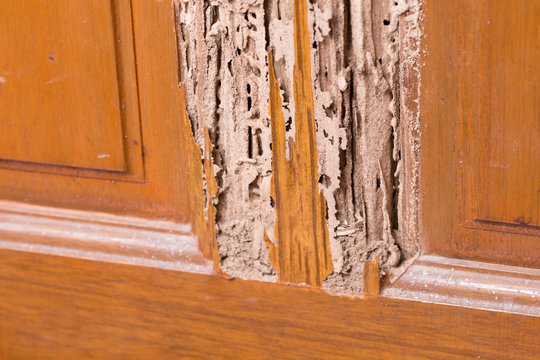
  3. Wood Damage: Termites consume wood from the inside out, which often is not visible. Tap on wood surfaces, and if you hear a hollow sound, it could be a sign of termite damage.

When it comes to termites, you don’t want to wait until it’s too late. If you are unsure you have termite activity, give us a call and we will thoroughly inspect your home to find out!

Our Southwest, FL Service Locations: