
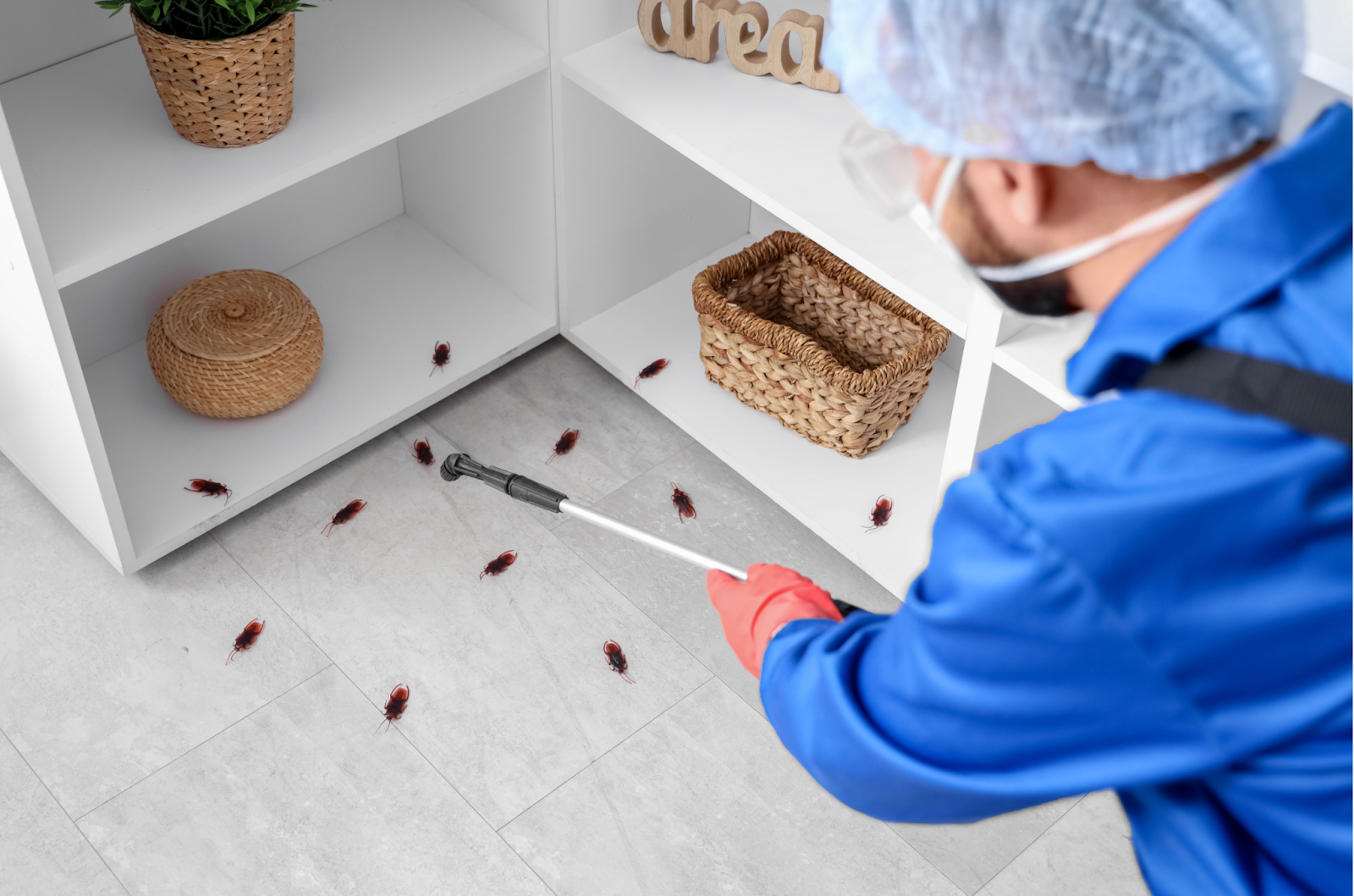
Pest Control 101: What to Expect, What’s Covered, How to Prepare

Did you know that nearly 1 in 5 homes in the United States experience some form of pest infestation annually? Pests not only damage property but also pose health risks to your family.  If you’ve never had professional pest control before, it’s normal to have questions. Homeowners often ask what pest control actually includes, what happens during the first visit, and whether they need to do anything ahead of time.

The good news is that pest control doesn’t have to be complicated. Understanding how it works can help you get better results and feel more confident about the process.

Here’s a breakdown of what you should know before your service.

How Do I Prepare My House for Pest Control?

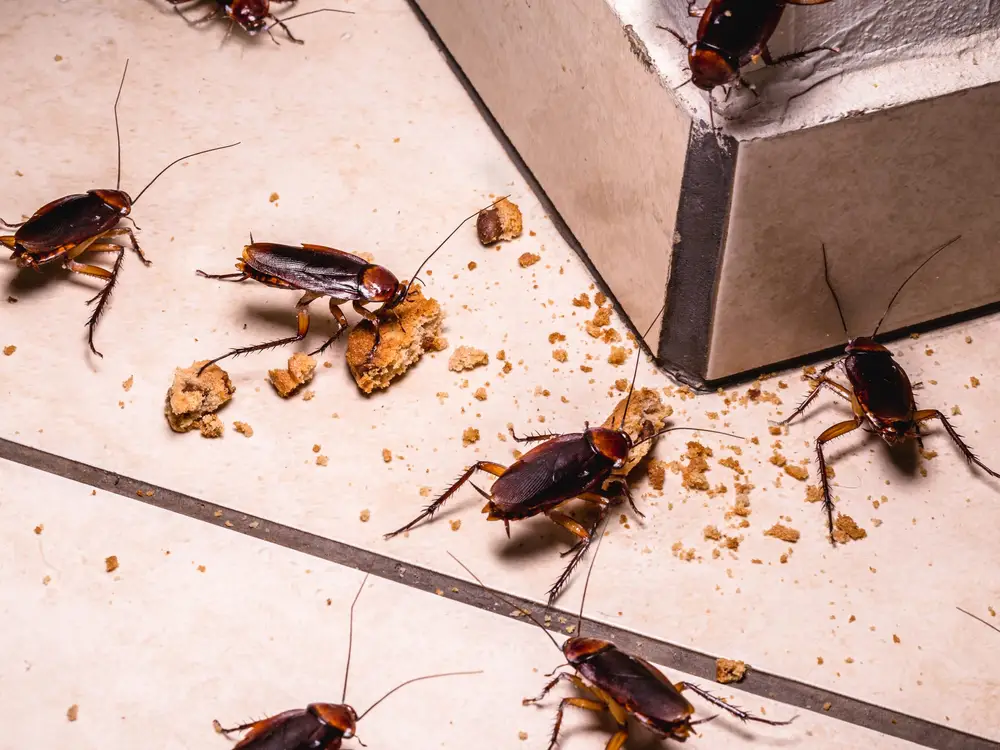
In most cases, preparation is minimal. Pest control works best when technicians can easily access the areas pests are most active. For specific pests like German cockroaches, cleanliness is essential for successful elimination. Ensure that pantry areas are free of food debris, spills, and clutter, as this helps treatments work more effectively. You can learn more about what homeowners can do here like german roaches.

While deep cleaning your entire home isn’t needed prior to a service, a quick tidy-up makes it easier for treatments to reach the right areas and helps ensure nothing blocks access to key entry points.

Before your appointment, it helps to:

  • Clear clutter away from baseboards to allow technicians full access for treatment
  • Secure pets and let the technician know if you have any concerns
  • Take note of where you’ve seen pest activity so you can point it out
  • Take photos of pests you have concerns about so a technician can better identify 
  • Ensure counters are clear of crumbs and debris in the event bait is needed

What Are Common Pest Control Services?

Typical pest control services address a range of common pests. Regular maintenance visits include inspections to catch early signs of infestation and preventive treatments to keep pests at bay year-round. Some of the most common services Infinite Pest Solutions include are:


What Does Normal Pest Control Cover?

General pest control typically covers the pests homeowners encounter most often. This usually includes:

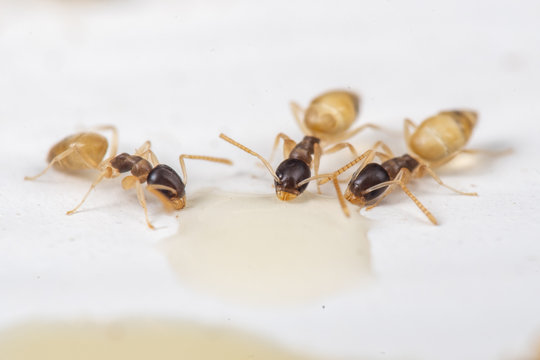
  • Ghost ants 
  • Fire ants 
  • Big headed ants 
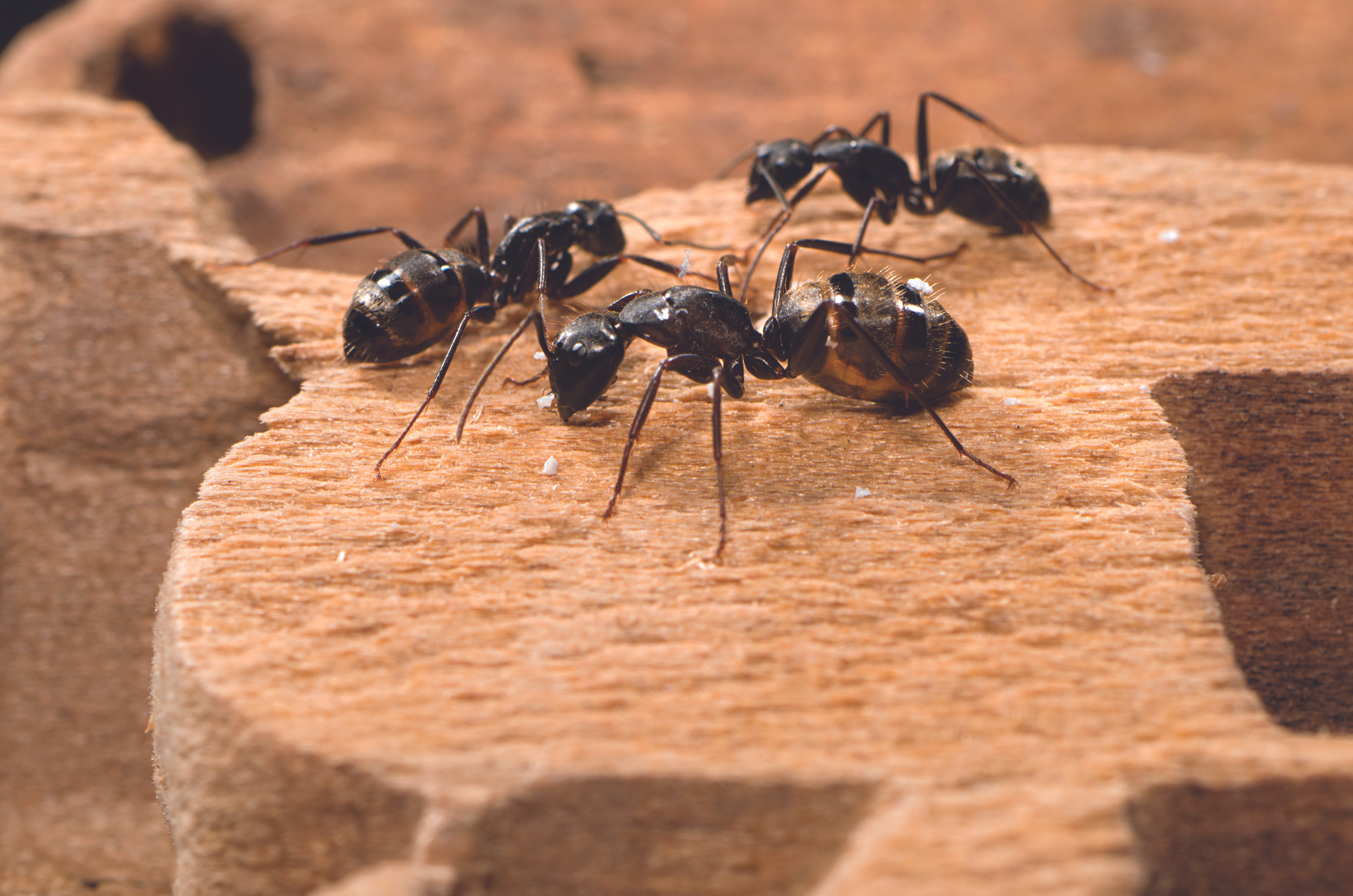
  • Carpenter ants 
  • White footed ants 
  • Odorous ants 
  • Argentine ants 
  • Palmetto Cockroaches 
  • Wasps/Hornets 
  • Centipedes 
  • Millipedes  
  • Silver fish 
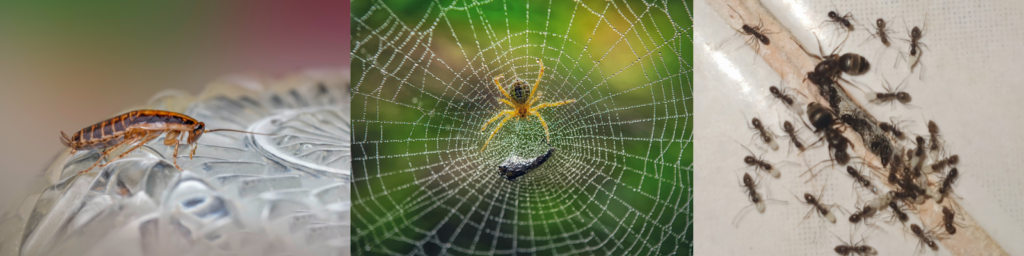
  • Spiders 
  • Earwigs 
  • Crickets  
  • Sow bugs 

These services focus on treating entry points, nesting areas, exterior foundation, and high-traffic pest zones around the home such as soffits. The goal is to rid of what exists around the home and keep a protective barrier around the exterior of the home to prevent any new pests.


What Does Pest Control Do on a First Visit?

The initial visit is one of the most important parts of pest control. This is when the technician will perform a detailed inspection of the interior and exterior to assess pest activity and identify entry points. Following this, the technician will present a tailored treatment plan addressing your home’s specific needs. 

The initial treatment involves barrier applications outside, an interior application, crack and crevice treatments, and removal of wasps/hornets nests or webs. Ongoing maintenance and follow-up visits help to ensure pest-free results especially in warm and humid climates where pests stay active year-round.


Why Ongoing Pest Control Matters

Many pests don’t disappear after a single treatment. Ant colonies, spider populations, and other infestations often rebuild especially if conditions remain favorable.

Routine pest control helps:

  • Keep pests from returning
  • Prevent new activity 
  • Maintain a protective barrier around your home
  • Eliminate the source of reproduction

Preparing for pest control doesn’t have to be stressful, and knowing what to expect makes the process smoother from the start. From understanding what’s covered to knowing what happens on the first visit, a little information goes a long way.

At Infinite Pest Solutions, we know that professional pest control is about more than just removing pests, it’s about protecting your home, preventing future issues, and giving you peace of mind. Get a free quote today!

Our Southwest, FL Service Locations:

What Do Termites Look Like?

Termites: A Guide to Identifying These Hidden Pests

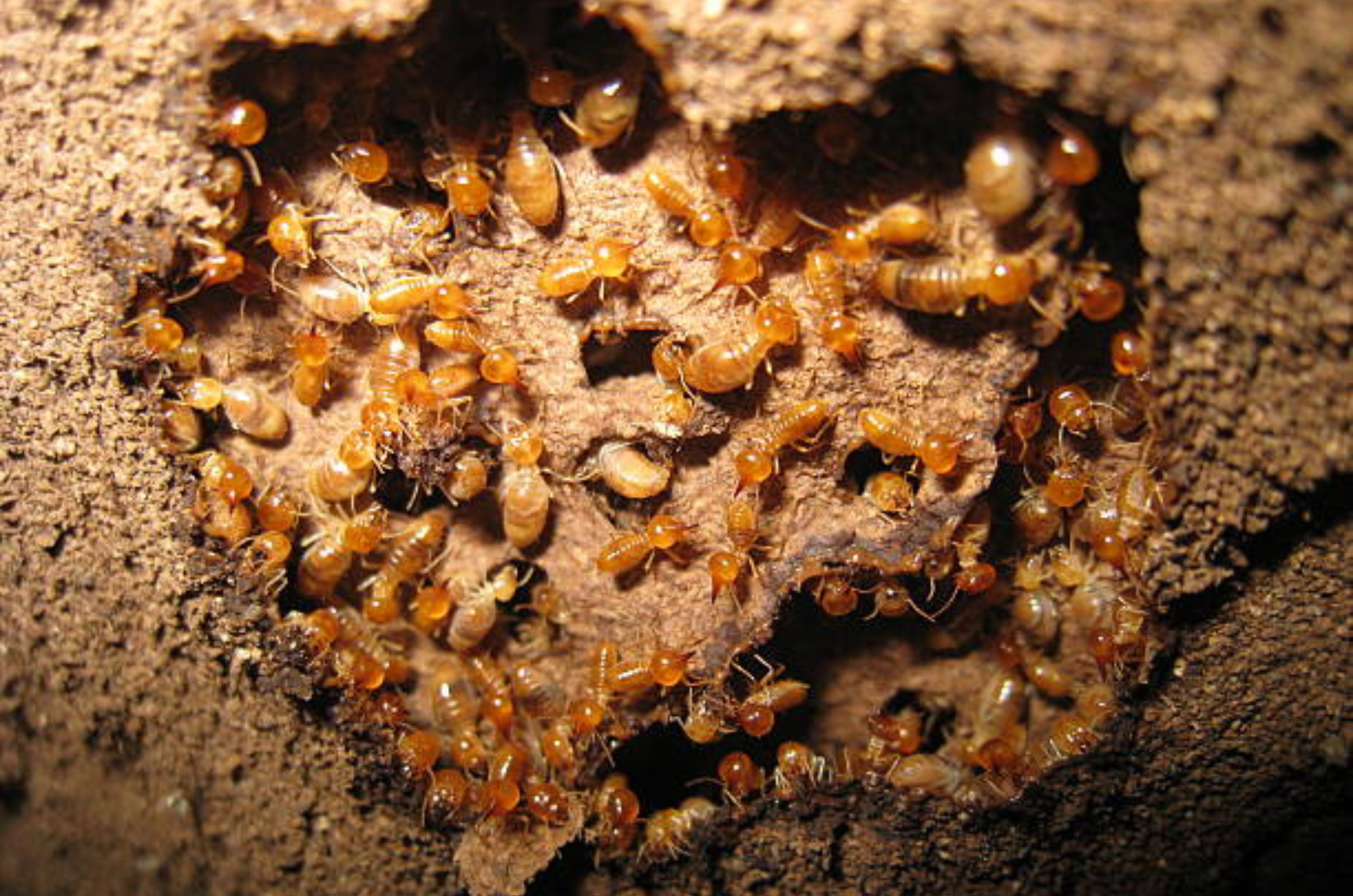
Termites are famously known as the “silent destroyers” as they can quietly damage your home before you even realize they’re there. Knowing what termites look like can help you spot an infestation early and take action before serious damage occurs. In this guide, we’ll break down what termites look like at different stages of their lifecycle and how to distinguish them from other insects.

Termite Appearance: What to Look For

Size & Shape

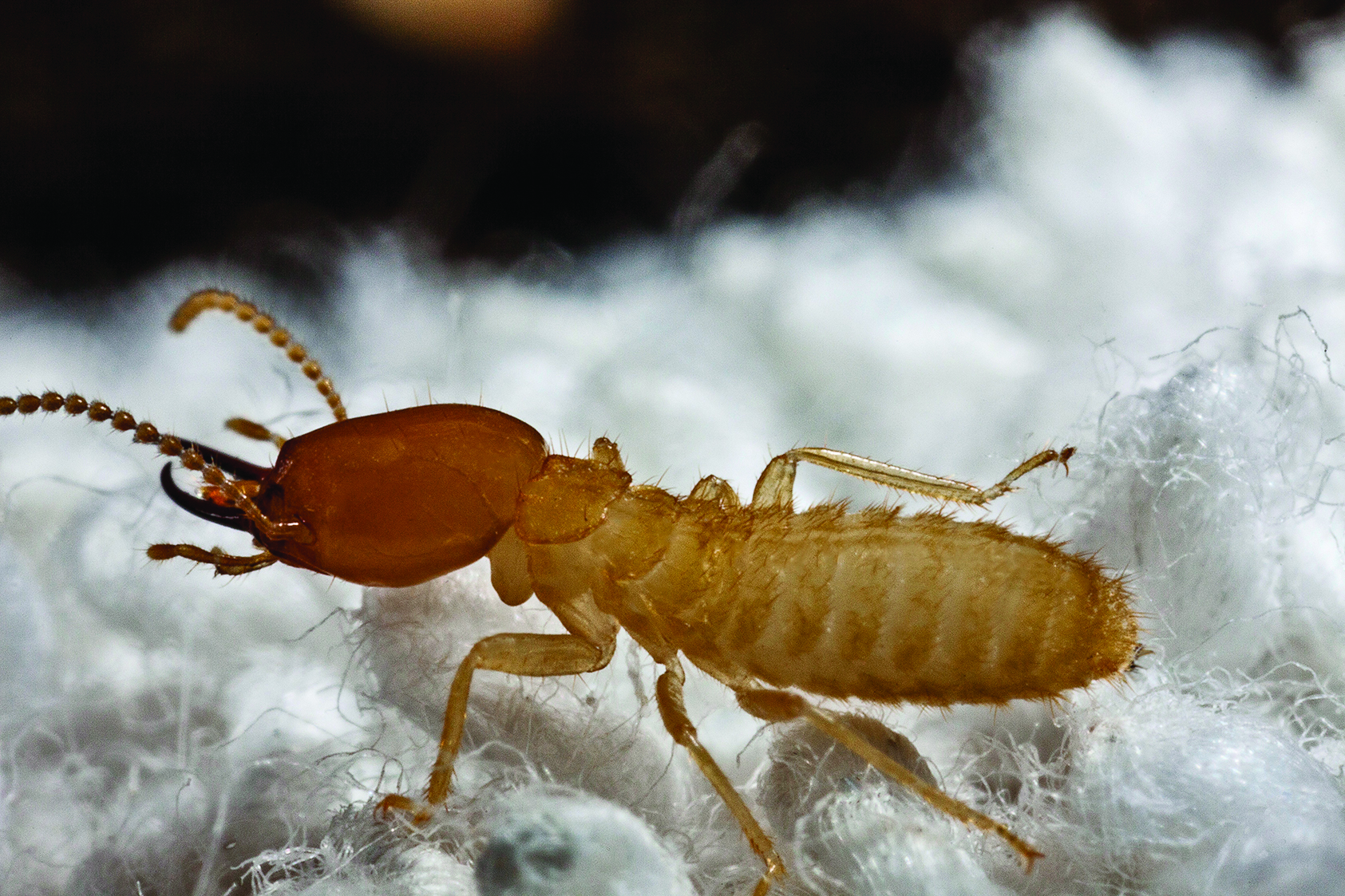
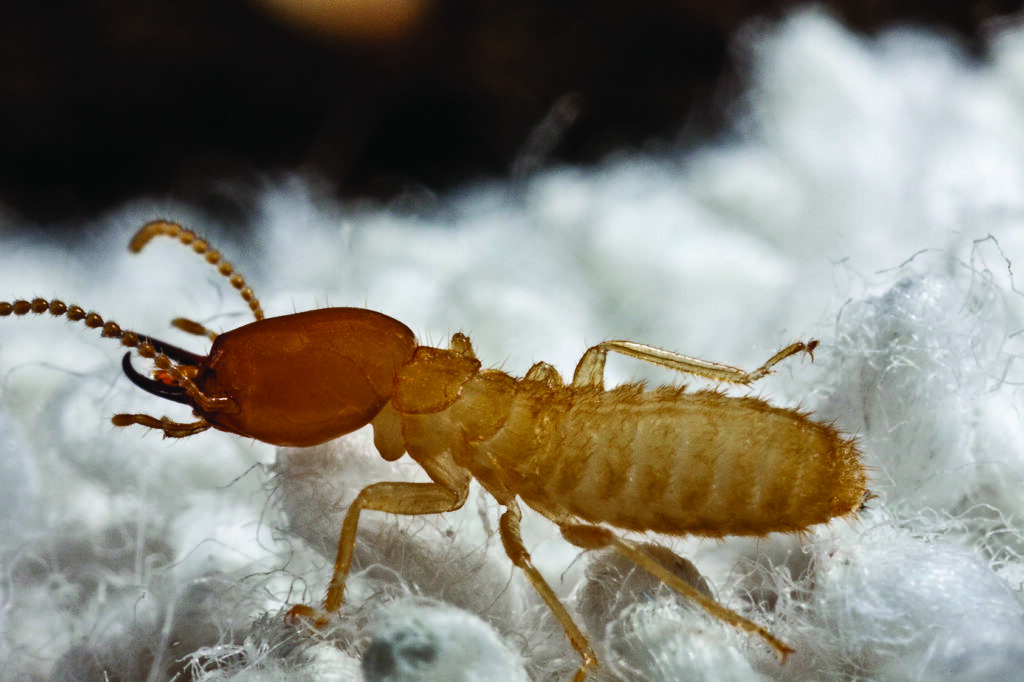
Termites are small, usually ranging from ⅛ to ½ an inch long. They have soft bodies, straight antennae, and a segmented shape. Unlike ants, their waist is not pinched, giving them a more uniform body shape.

Color Variations

Termite color depends on their species and role in the colony:

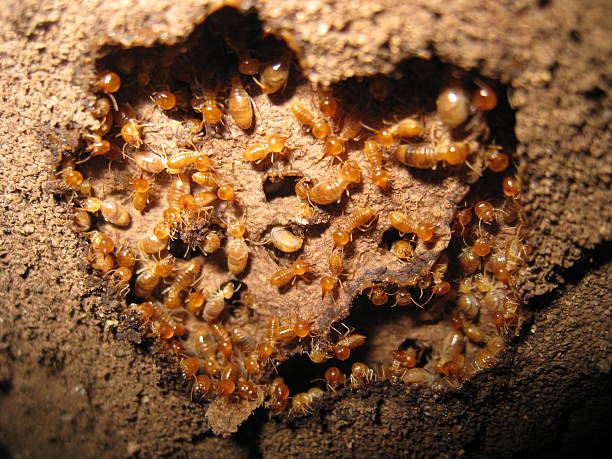
  • Worker Termites – Creamy white or pale in color, these termites are the most common and are responsible for eating wood.
  • Soldier Termites – Similar in color to workers but with larger heads and powerful mandibles (jaws) for defense.
  • Reproductive Termites (Alates) – Often brown or black, these winged termites are responsible for starting new colonies.

Winged Termites vs. Flying Ants: How to Tell the Difference

When termites swarm, many homeowners mistake them for flying ants. Here’s how to tell them apart:

FeatureTermitesFlying Ants
WaistThick and straightNarrow and pinched
AntennaeStraightBent or elbowed
WingsEqual sizeUnequal size (front wings longer than back wings)
ColorPale, brown, or blackDark brown or reddish

* If you see winged termites near your home, it’s a warning sign of an active infestation nearby! *

Where to Spot Termites

Termites often go unnoticed because they live inside wood, soil, or walls. Look for them:

✅ Near wooden structures (decks, fences, crawl spaces)

✅ Around mud tubes along foundations

✅ In damp, dark areas like basements

✅ Inside hollow-sounding or damaged wood

Think You’ve Seen Termites? Take Action Now!

Termites are NOT a DIY pest—they can cause thousands of dollars in damage before you even see them. Contact us now for an inspection!

The Best Termite Control for You

Termites are silent invaders that can cause significant damage to your home before you even realize they’re there. Protecting your home from termites involves being vigilant about the signs of their presence and taking proactive preventative measures. The best way to ensure your home stays termite-free is by using Sentricon.

What is Sentricon and Why Should I Choose It?

How Sentricon works

Sentricon is a revolutionary termite baiting system that provides comprehensive protection for your home. Unlike traditional liquid treatments, Sentricon is environmentally friendly and targets the termite colony directly. Here’s why we are confident Sentricon is for you:

  • Effective Colony Elimination: Sentricon uses scientifically proven bait that termites find irresistible. Once they consume the bait, they share it with the rest of the colony, leading to its complete elimination.
  • Non-Invasive Installation: The system involves placing discreet bait stations around your home. This means no drilling or extensive disruption to your property.
  • Continuous Protection: Have peace of mind with ongoing monitoring and protection. The effectiveness does not degrade over time.
  • Environmentally Responsible: Sentricon uses only a small amount of active ingredient, making it safe for the environment, your family, and pets.

Signs of Termite Infestation

  1. Mud Tubes: Termites create pencil-sized mud tubes as they travel between their colony and food sources. These tubes are often found on exterior walls, foundations, and crawl spaces.
  2. Discarded Wings: Swarmers, or reproductive termites, shed their wings after finding a new place to start a colony. Piles of these wings near windowsills or doorways are a red flag.
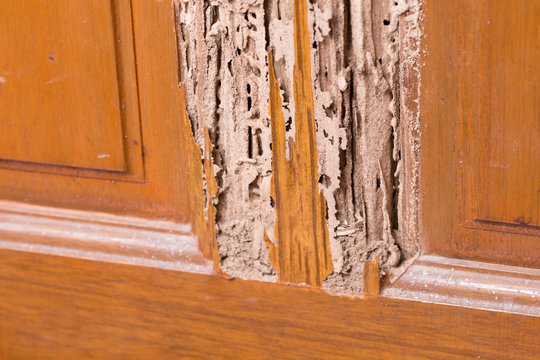
  3. Wood Damage: Termites consume wood from the inside out, which often is not visible. Tap on wood surfaces, and if you hear a hollow sound, it could be a sign of termite damage.

When it comes to termites, you don’t want to wait until it’s too late. If you are unsure you have termite activity, give us a call and we will thoroughly inspect your home to find out!

Our Southwest, FL Service Locations:

How Ants, Termites, Cockroaches, and Bed Bugs Survive in Florida’s Winter

As winter embraces Florida, many of us wonder about the fate of common household pests like ants, termites, cockroaches, and bed bugs. Do they simply vanish, hibernate, or continue their activities unaffected by the cooler temperatures? Let’s dive into the intriguing world of these pests and discover how they fare during Florida’s milder winters. 

Ants: The Winter Warriors 

In Florida, ants don’t typically hibernate due to the state’s relatively warm winter climate. Instead, they slow down. Their metabolism decreases, reducing their need for food and water. However, on warmer winter days, you might still see them foraging, as they seize the opportunity to gather food. Ants are resilient and adapt their behavior and nesting habits to maintain their colonies throughout the winter. 
 

Termites: Stealthy Survivors 

Termites, especially in Florida, remain active year-round. The mild winters hardly affect these pests. Subterranean termites continue to thrive underground, where temperatures remain relatively constant. Their relentless wood-chomping activities often go unnoticed during winter, leading to significant damage if not properly managed. It’s crucial to maintain termite control measures even during these cooler months. 

Cockroaches: Seeking Warmth and Shelter 

Cockroaches are another pest that adapts well to Florida’s winter. They usually seek refuge indoors, finding warmth in our homes and commercial buildings. Their nocturnal nature keeps them hidden, but they continue to feed and reproduce indoors. This makes winter a critical time for homeowners to seal up cracks and crevices and ensure cleanliness to prevent cockroach infestations. 

Bed Bugs: Unfazed by the Cold 

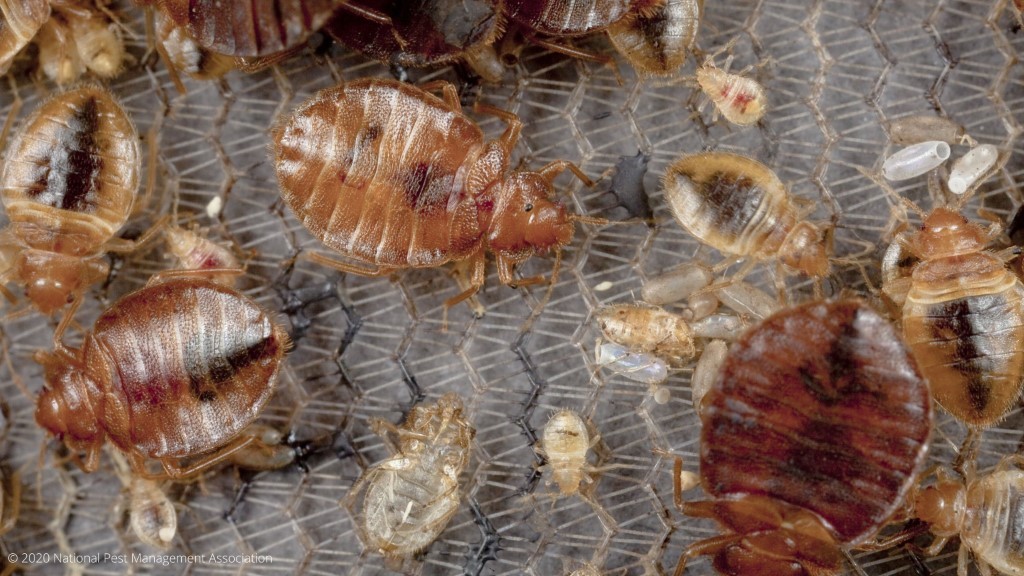
Bed bugs are not greatly impacted by seasonal changes. They are indoor pests and rely on human blood for survival, meaning they remain active as long as they have a host. During winter, when people spend more time indoors and under blankets, bed bugs might even find it easier to feed undetected. Vigilance and early intervention are key to preventing a bed bug infestation. 

Conclusion

While some pests in colder climates hibernate or die off during winter, Florida’s milder temperatures mean that ants, termites, cockroaches, and bed bugs continue their life cycles, although sometimes at a slower pace. Homeowners should remain vigilant and continue pest control practices throughout the year to prevent infestations. Understanding these pests’ winter behaviors is crucial in maintaining a pest-free home, even in the cooler months. That is why Infinite Pest Solutions is here to ensure you stay pest free year round! 

10 Tips for a Pest-Free Pantry

Tips to Keep Your Food Safe

The holiday season is a time of joy, celebration, and delicious feasts. However, it can also be an inviting season for unwanted guests in your pantry—pantry pests. To ensure that your holiday meals are free from these pesky intruders, it’s crucial to take preventive measures. That is why Infinite Pest Solutions is here to provide preventative pest control tips to help keep you pest free. 

1. Store Food Properly:

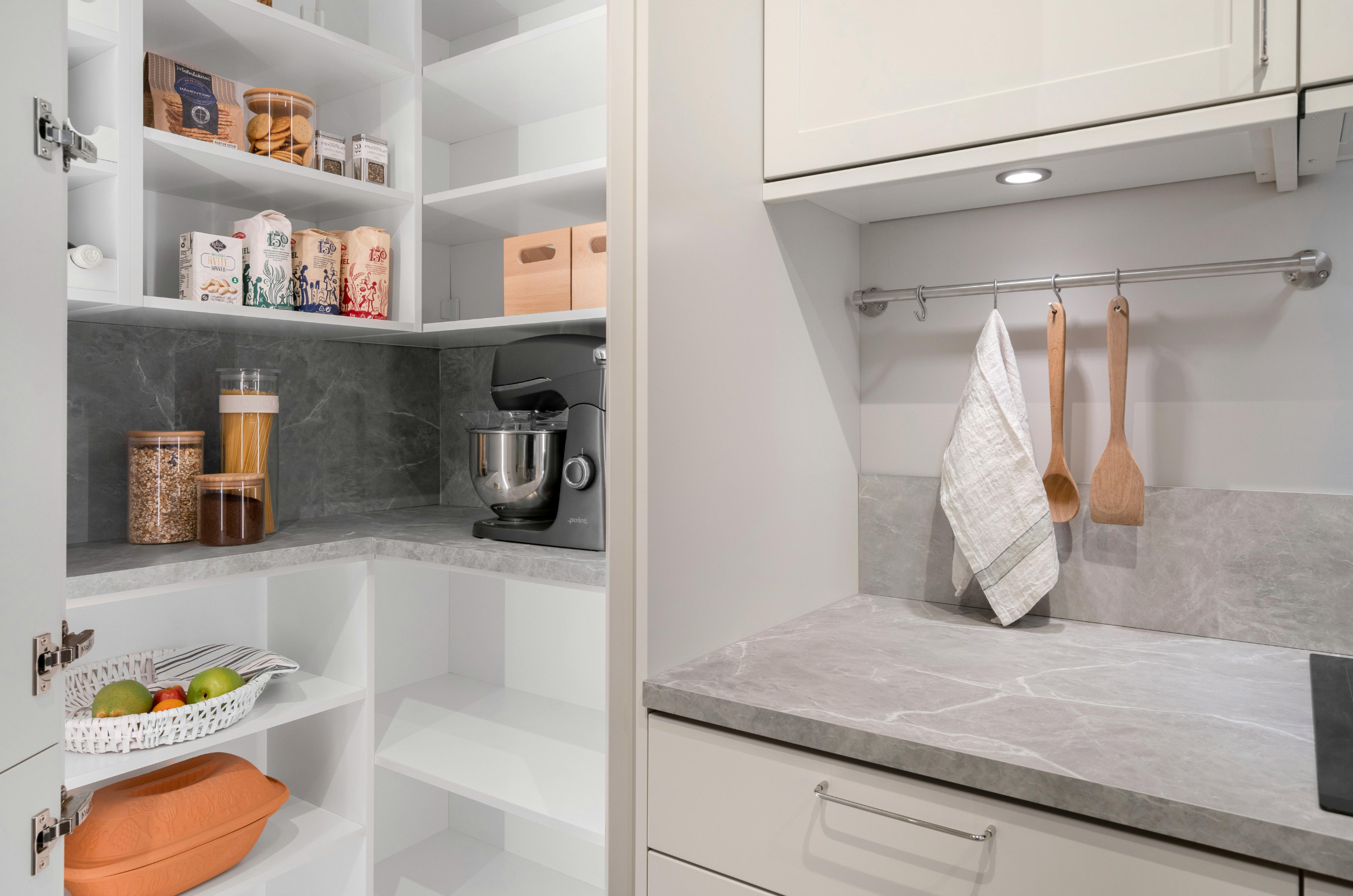
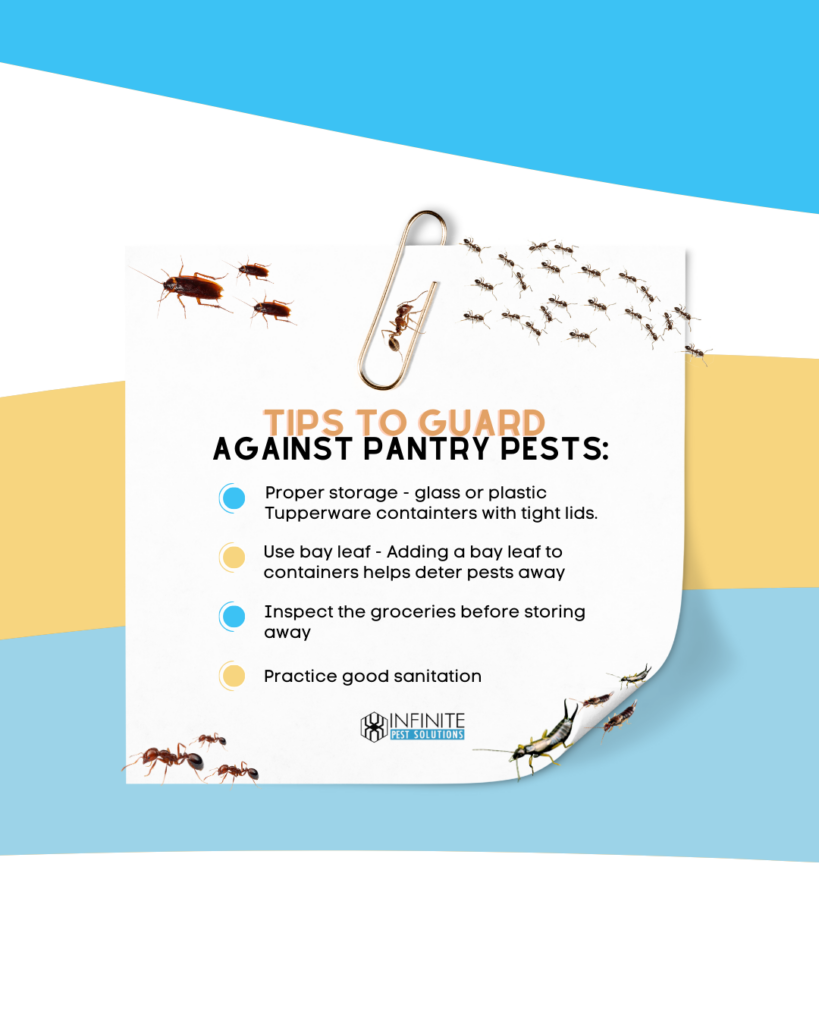
One of the fundamental steps in preventing pantry pests is proper food storage. Invest in airtight containers made of plastic or glass to keep ingredients like flour, sugar, and grains safe from pests. Ensure that lids create a tight seal to prevent access.

2. Inspect Holiday Ingredients:

Before bringing holiday ingredients like spices, nuts, and dried fruits into your pantry, give them a thorough inspection. Look for any signs of damage or pests in the packaging, and transfer these items to sealed containers immediately.

3. Clean the Pantry:

A clean pantry is less attractive to pests. Regularly clean and declutter your pantry shelves, removing any crumbs, spills, or expired items. Vacuum the corners and crevices to eliminate potential hiding spots.

4. Use Bay Leaves:

Bay leaves are known for their natural pest-repellent properties. Place a bay leaf in your canisters and packages of dry goods to deter pantry pests like moths and weevils.

5. Check for Leaks:

Pantry pests are drawn to moisture. Inspect your pantry for any plumbing leaks or moisture issues, and promptly address them to eliminate potential attractants.

6. Rotate Your Stock:

Practice the “first in, first out” (FIFO) method for your pantry items. Use older items before newer ones to ensure that nothing sits for too long, reducing the risk of pests taking hold.

8. Maintain Outdoor Cleanliness:

Ensure that the exterior of your home is free from debris, such as fallen leaves, which can attract pests. Keep garbage cans secure and clean, as well as pet food containers if applicable.

9. Regular Inspections:

Regularly inspect your pantry for any signs of pests, such as droppings, webbing, or larvae. Early detection can prevent a minor issue from turning into a major infestation.

10. Seek Professional Help if Needed:

If you discover a significant pest problem in your pantry, don’t hesitate to contact Infinite Pest Solutions as we can provide effective solutions tailored to your situation.

By following these tips and maintaining a vigilant approach to pantry maintenance, you can enjoy a pest-free holiday season filled with delicious and worry-free meals. A pest-free pantry not only ensures the safety of your food but also adds to the joy and comfort of your holiday celebrations.

Our Southwest, FL Service Locations: